

Not even antisemitism and boycott calls since October 7 have managed to stop Israeli chefs in the United States. If anything, many of them are proving that good food can overcome even the loudest pro-Palestinian protests. The most prominent Israeli restaurants are making no attempt to hide. They openly advertise what they are, often with Hebrew or distinctly Israeli names such as Miznon, Malka, Shmoné, Or’esh, Motek, Carmel and the Yiddish Balaboosta.
If Israeli chefs have learned anything since the outbreak of the war, it is that there are still plenty of American diners, including quite a few celebrities, who are not especially concerned with what Mark Ruffalo or Javier Bardem thinks about Israel and have no problem eating at a restaurant whose chef might be considered a Zionist. As long as the food is good and the critics praise it, they will come. And to the critics’ credit, most do not rush to bring politics onto the plate.
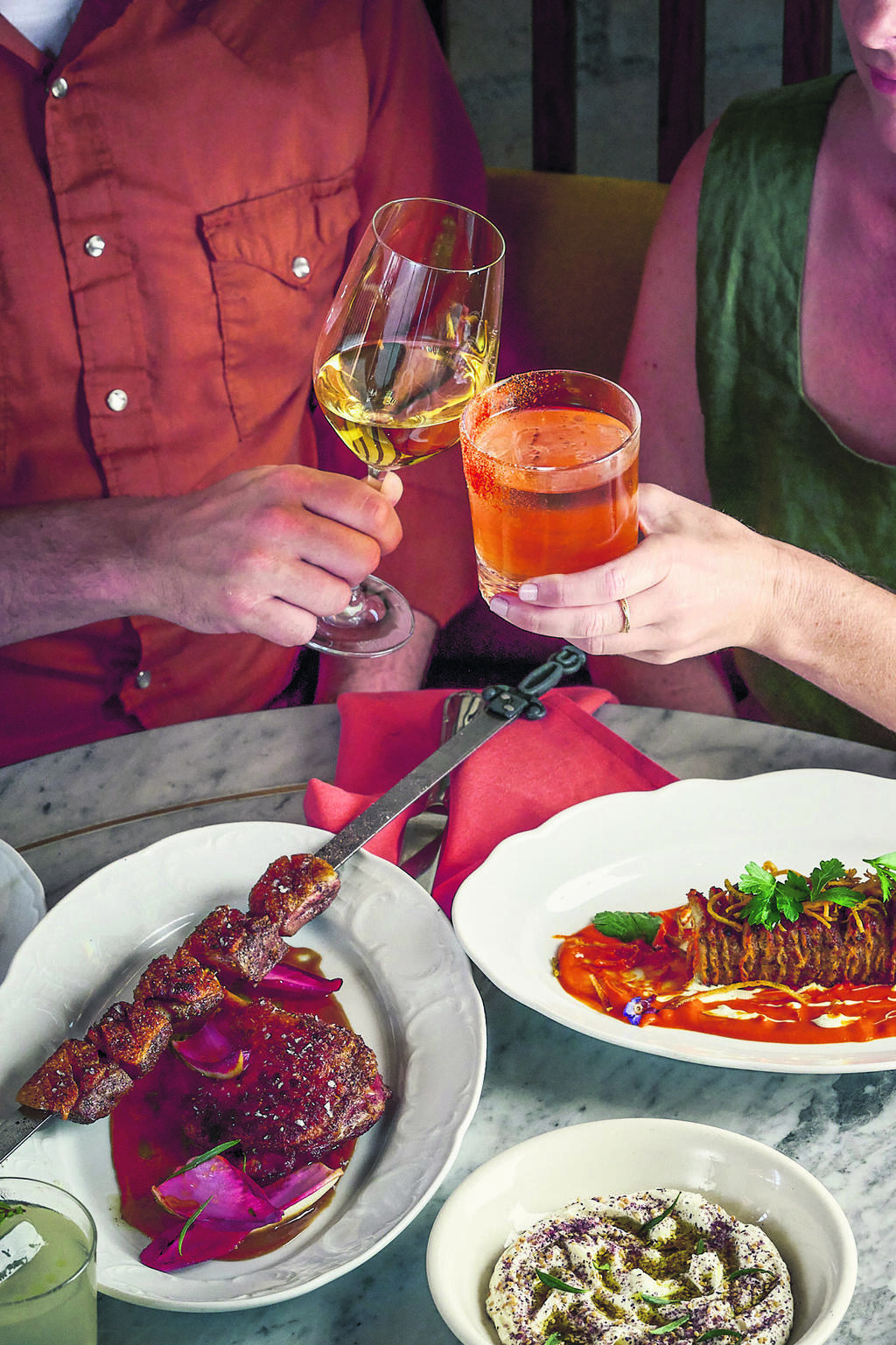
A good example is Israeli chef Raz Shabtai, owner of Motra in North Miami. In May, his kosher restaurant became the first in the world to receive a Michelin star, an extraordinary achievement for a kosher establishment.
Of course, not everyone is celebrating the success of Israeli cuisine, which has repeatedly been accused of “cultural appropriation.” In August, New York Magazine published an article arguing that Israeli chefs take Middle Eastern, Arab, Palestinian and North African dishes and market them to American diners as Israeli cuisine that is fashionable, sophisticated and expensive.
The article overlooked the fact that Israeli chefs have not simply added familiar dishes to their menus. Many have also created original recipes in their kitchens, combining ingredients in unconventional ways.
To understand what is behind this success during such a turbulent period, we met five prominent Israeli chefs and restaurateurs in the United States and asked how they are managing to do it against the odds.
‘There’s a Hebrew name and mezuzahs at the entrance’
Nadav Greenberg / Or’esh / New York
Nadav Greenberg, 40, was born in Jerusalem and moved from Israel to New York nine years ago with his wife, Nitzan Hess, and their dog. Within a short time, his restaurant became one of the most talked-about in the city, with a waiting list numbering in the thousands.
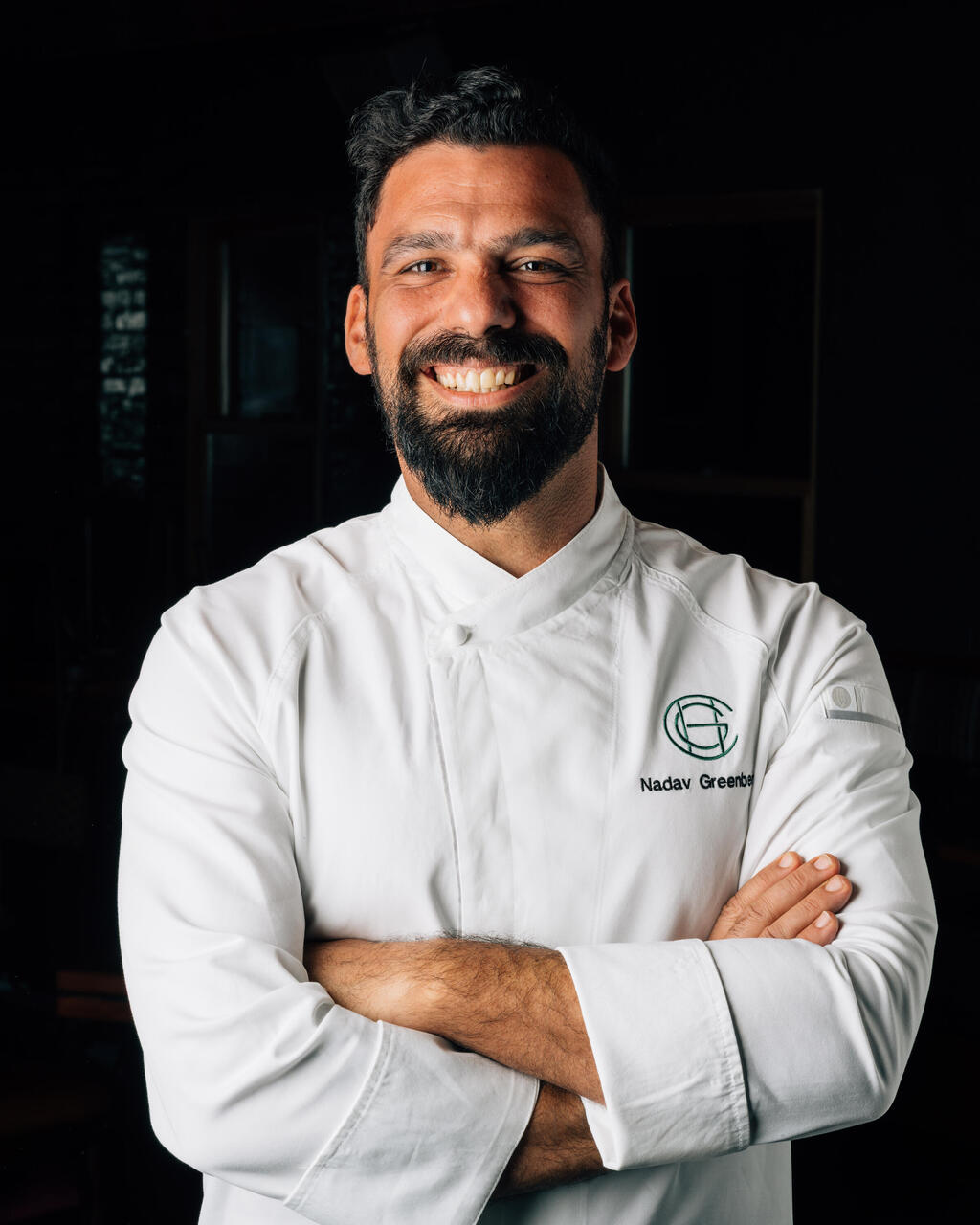
Nadav Greenberg
(Photo: OR'ESH, Catch Hospitality Group)
Resume: Greenberg took his first steps in New York’s restaurant scene in Eyal Shani’s kitchen, where he served as chef of Shmoné and earned a Michelin star with the team. Despite the success, he wanted to build a culinary identity of his own. In February, he opened Or’esh in Manhattan in partnership with Catch Hospitality Group, one of the largest restaurant groups in the United States.
Specialty: Or’esh is an Israeli-Levantine restaurant centered on fire and charcoal cooking. Greenberg built the grill himself and uses it to roast whole fish, cuts of meat and lamb kebabs, creating dishes that combine memories and flavors from Israeli cuisine with contemporary techniques.
Philosophy: “I built my name with Shmoné, and then I tried to show Americans that Israeli food can be more than hummus in pita, cauliflower, schnitzel and dancing on tables. I’m doing the opposite, something beyond that.”
What makes us different: “There’s nothing in the United States quite like what we do here. If you go to Mediterranean restaurants, you usually end up in some eclectic room with blue-and-white walls and a Greek atmosphere. It all feels very neighborhood-like. Here, it’s a classic New York room, clean, elevated and very polished. Then you add my food, which is actually very simple and clean, with a lot of attention to the ingredients.”
Signature dishes: “One of the dishes most identified with us is a potato pastel with caviar. As a Moroccan, I grew up going to weddings where people practically fought over the pastels, so I’m really playing with the contrast between high and low.
“We also have a special tuna dish served whole on a huge plate, and it’s very dramatic. But what represents me more than anything is charcoal cooking. That’s not a given here. Americans do a lot of wood grilling. We cook over charcoal, and with the heat, the fat and the smoke rising up, you get that special flavor we know. There’s something about cooking over an open fire that takes us back to primitive man. It’s in our DNA.”
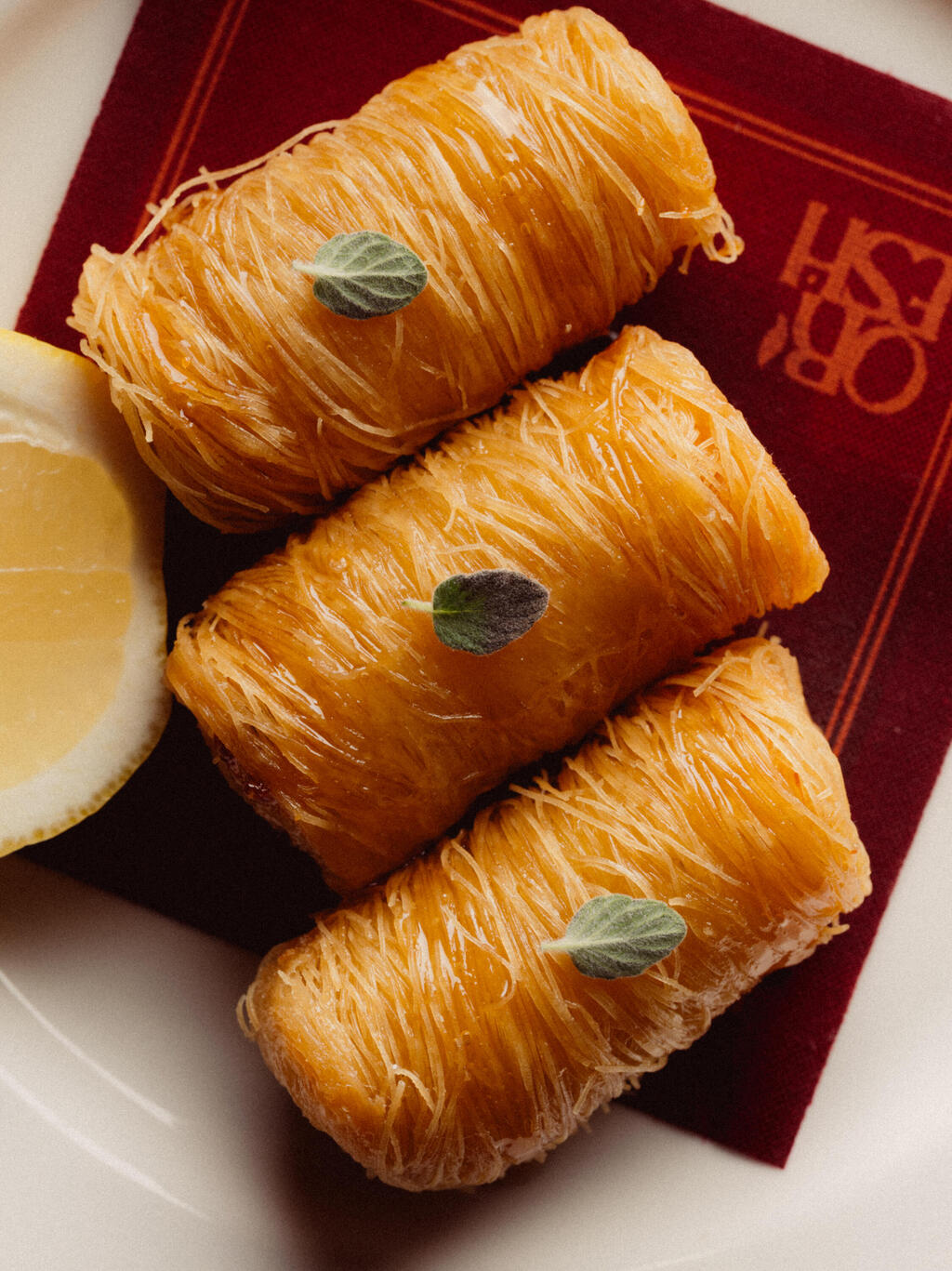
Or’esh restaurant
(Photo: OR'ESH, Catch Hospitality Group)
The dish I miss most from Israel: “Shawarma. It’s the first thing I eat when I get to Israel.”
Favorite American food: “I’m addicted to hamburgers.”
The Israel connection: “I think I do manage to represent Israel. People tell me all the time, ‘Thank you for being here,’ on the street, at the restaurant and in messages.
“Fortunately, even with the Hebrew name, my face and the mezuzahs at the entrance, this is one of the hottest restaurants in New York today, and it succeeds not just because of the hype but because it is genuinely good and has returning customers.”
Eyal Shani’s reaction after you left and opened your own restaurant: “There was no anger. It was clear and understood that this was where things were going. I brought the star, I reached the top and didn’t know where else I could advance there. They already have a brand, and that brand is Eyal Shani. I wanted to become a brand in my own right.”
‘A Tel Aviv concept, Carmel Market style’
Asaf ‘Assi’ Maoz / Carmel / Los Angeles
If there is one place in Los Angeles where Hollywood stars, Israeli businesspeople and members of the local entertainment industry can all be found eating together alongside a large crowd of regular customers, it is Carmel.
The restaurant opened on Melrose Avenue in 2023 by a group of Israeli restaurateurs who also opened 19 Cleveland in Manhattan and Nua in Beverly Hills. Led by chef Asaf “Assi” Maoz, Carmel has become a regular destination for familiar names including LeBron James, Sofia Vergara, Sydney Sweeney, Haim Saban, Gal Gadot and Charlize Theron.
Resume: Maoz, who grew up in Tel Aviv and worked as a chef in Israel, New York, Italy and Panama, and helped drive the success of 19 Cleveland, designed Carmel around the inspiration of Tel Aviv’s Carmel Market, with an open kitchen, live fire, a wood-burning oven and seasonal ingredients.
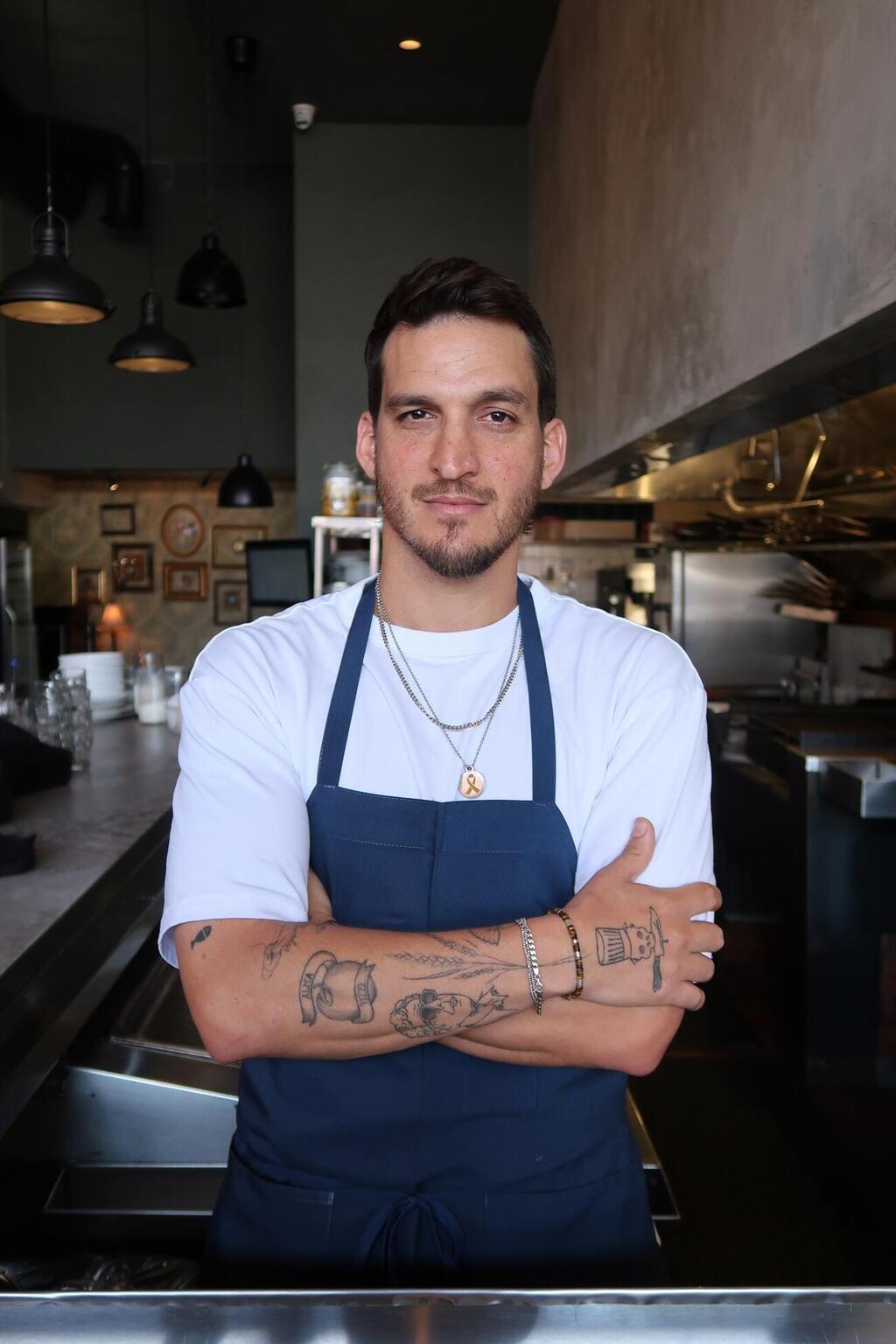
Asaf ‘Assi’ Maoz
(Photo: Carmel Restaurant)
The menu: It combines Maoz’s Syrian and Italian roots with flavors and techniques from Middle Eastern cuisine, changing according to what arrives from the market and local farmers.
The Israeli name Carmel: “Our first investor dinner was on October 8. It was surreal. Honestly, we didn’t know which way the wind was going to blow, so we tried not to brand ourselves as an Israeli restaurant. But we went with a Tel Aviv concept, Carmel Market style: an open kitchen, chefs working in front of the diners, vegetables out on display and everything very lively.”
Tel Aviv cuisine: “It’s a melting pot, just like my family. Both of my grandmothers were great cooks. One was Syrian and one was Italian.
“My Syrian grandmother taught me the filling for the mushroom cigar and how to work with okra, and my Italian grandmother used to make pasta with us. The tortellini at Carmel comes from her. My wife’s grandmother is Hungarian, so Tel Aviv cuisine is a collection of many different flavors.”
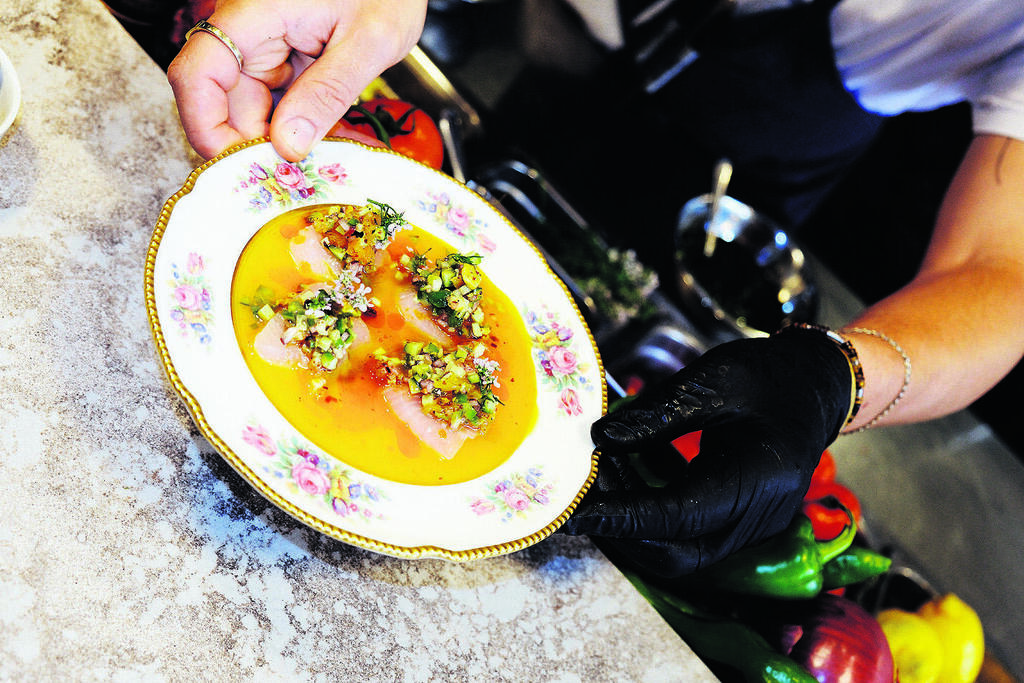
Carmel restaurant
(Photo: Carmel Restaurant)
Signature dish: “Jerusalem artichoke tortellini, house-made miso, sage butter and lemon.”
The dish you miss most from Israel: “The fishermen’s sandwich at Carmel 40.”
Favorite American food: “A BLT with avocado. It’s a dream.”
What makes us different: “Twice a week we get deliveries from the farmers market, and on the way we don’t even know exactly what they include. If I get amazing zucchini, for example, the lamb dish will change accordingly. If there’s great tuna, that will become the dish. But food is only 40% of the restaurant.”
The other 60%: “The design, the atmosphere and the service. All of those determine the customer experience and whether someone will come back, whether they had fun and felt comfortable and weren’t treated like just another diner.
“My wife, Neta, played a major role in the design. She bought negatives of photographs from 1970s Tel Aviv, brought furniture from the flea market and cookbooks I grew up with. All of that contributes a lot to the atmosphere.
“But if the food isn’t wow, the other 60% doesn’t matter. And it works. We have a lot of returning customers.”
Cost of living: “I wish we could be cheaper. People don’t understand how much organic vegetables, cooks and waiters cost today. People expect good service, and good service requires manpower.”
Future plans: “I’m always looking. A big part of what I enjoy is creating, building the concept, the culinary language and the menu. Now, after three years, the business is stable and we can look a little further ahead.”
‘Robin Williams used to play with my son while waiting for falafel’
Einat Admony / Balaboosta / New York
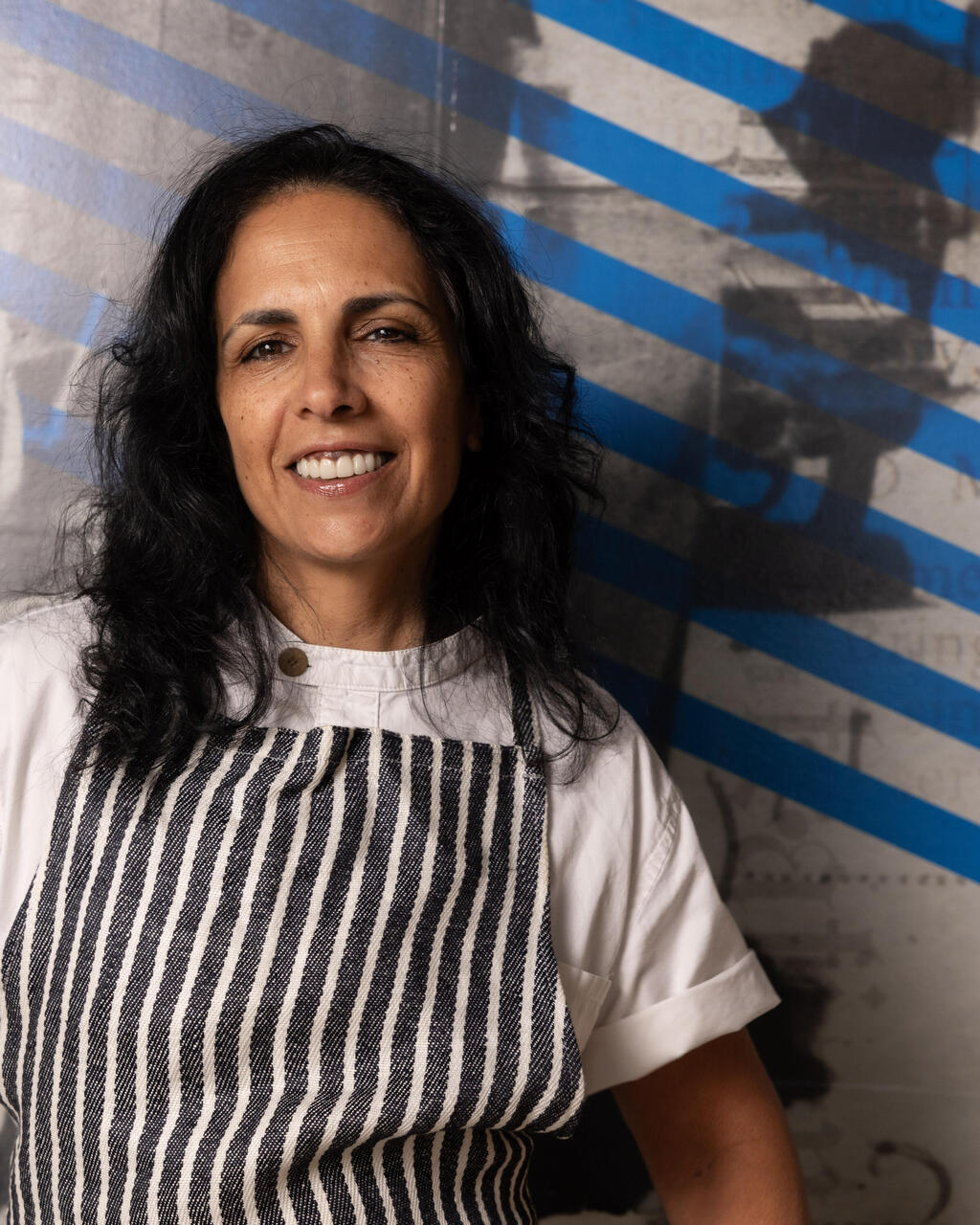
Einat Admony
(Photo: Peter Bonacci)
Einat Admony was among the first chefs to make Israeli food part of New York’s restaurant scene. Early in her career, she attracted attention for her ability to take flavors from the Israeli home she grew up in and transform them into modern, surprising dishes.
For the past six years, she has worked with CookUnity, a chef-made meal delivery service through which her food reaches customers across the United States and Canada. The model has not only allowed her to reach a much wider audience, but has also given her a level of financial stability she was unable to find in the restaurant world.
Resume: In 2005, Admony opened Taim with her husband and business partner, Stefan Nafziger. It began as a small falafel restaurant in the East Village and developed into a successful chain. Five years later came Balaboosta, which became one of the restaurants most closely associated with modern Israeli cuisine in New York.
The menu: Israeli cuisine with Persian, Yemeni and Middle Eastern influences, giving familiar dishes a creative twist. Alongside hummus, shakshuka and fish, Admony serves dishes such as crispy cauliflower with spices, fried olives with labneh and harissa oil, Yemeni soup dumplings filled with meat, chicken cooked beneath labneh and seasoned steak.
The early days: “There was nothing back then. We were real pioneers in what we brought. A lot of famous chefs have told me, ‘The first time I ate sabich was at your place,’ or ‘The first time I understood what good falafel was, it was at your place.’ I’ve heard that many times over the years.”
The imitators: “When I was younger, it used to annoy me, because a lot of people opened restaurants with the name Taim. Today I don’t care. I’d rather people copy me than have to copy other people.”
Signature dishes: “Whipped feta, fried olives, sabzi-style ribs.”
The dish you miss most from Israel: The original sabich on Negba Street in Ramat Gan.
Favorite American dish: “A juicy hamburger.”
Favorite ingredient: “Tahini.”
The closing of the Taim chain: “One day I’ll write a book about it, but if I could go back, I wouldn’t expand so much.
“People always want more, especially in restaurants, because there is such excitement in opening a new place. I dreamed that Taim would be everywhere in the United States because the food really was excellent.
“People would stand in line for an hour to get in, and this was before social media was what it is today. I remember Robin Williams playing with my son while he waited for falafel.
“Later, people started copying the restaurant and its name in different places in the United States, and also in Japan, Barcelona and elsewhere.”
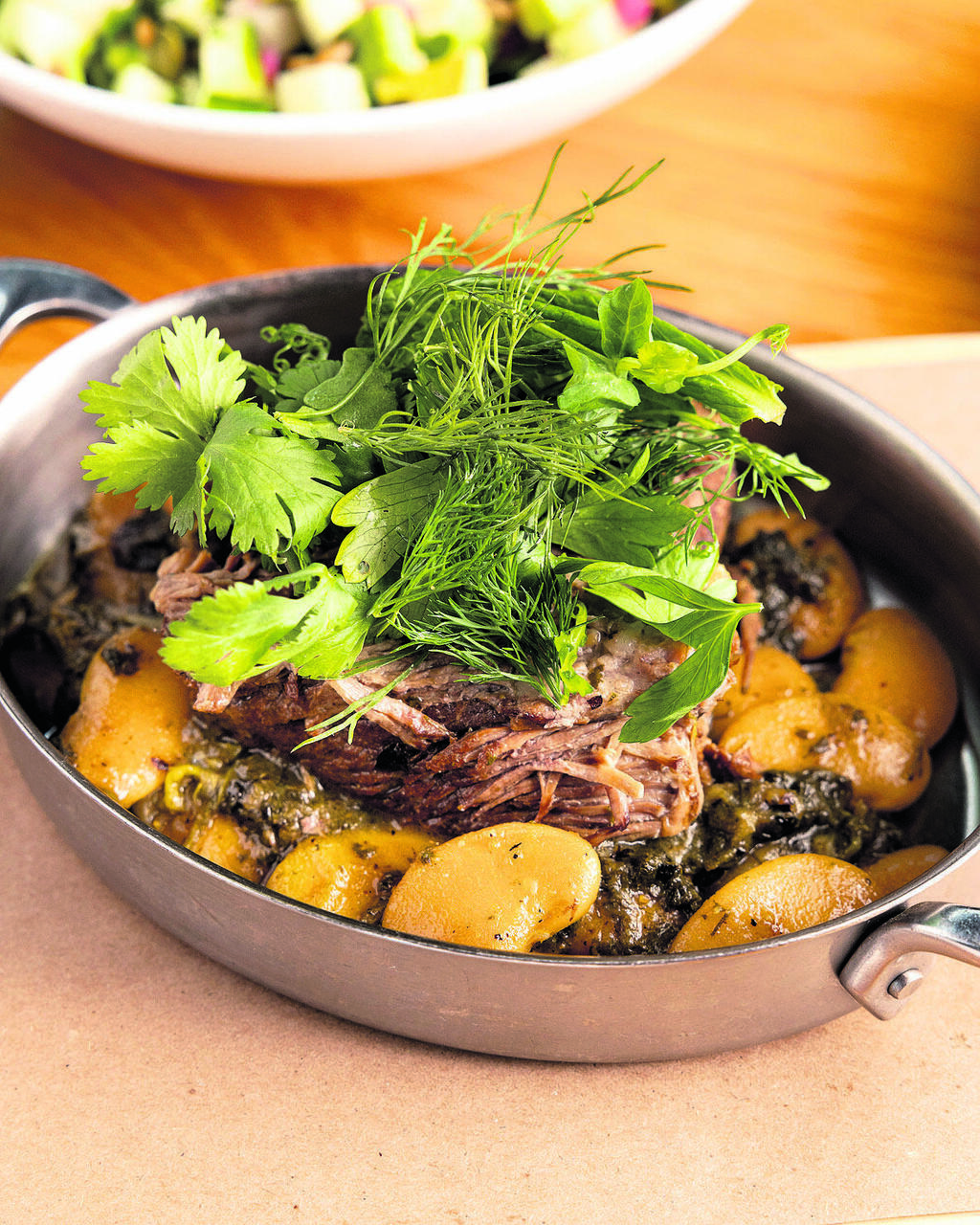
Balaboosta restaurant
(Photo: Peter Bonacci)
The mistakes: “Today I would never bring people into my business the way we did. We brought some very bad people into our world, and slowly they pushed us out and thought they knew better.
“The enormous egos of some of the young people who arrived here really confused them, and they took the company and destroyed it. I sold most of my shares in the chain four years ago.”
Working with CookUnity: “It was a small company that started in New York in 2018. Two years later, during COVID, I was at my second home in upstate New York, and when I came back to the city I saw their campaign and contacted them.
“They told me, ‘We’ve been looking for you for six months.’ It’s the best system I’ve ever worked in. Every week we sell 30,000 meals.
“You can make profits there that restaurants don’t know. You don’t have rent and ingredient expenses in the same way. You mainly pay for the workers, so profits can reach 20% to 30%. In a restaurant, if you reach a 10% profit margin, that’s a lot.”
A family business: “I work with my husband, but I absolutely would not want my children to join us. I know how difficult it is to raise children while having a chef’s career.
“I have a 20-year-old son in college in Miami and a 17-year-old daughter. They understand food very well, but restaurants are a difficult world. It takes a very, very long time to translate a successful restaurant into money.”
‘I’m Mediterranean’
Ori Menashe / Bavel, Bestia and Saffy’s / Los Angeles and New York
Ori Menashe has shown that Middle Eastern cuisine can become one of Los Angeles’ most sought-after culinary experiences.
Born in Los Angeles and raised in Israel from the age of 7, he draws inspiration from his and his wife’s family roots in Israel, Morocco, Turkey and Egypt, but does not try to recreate traditional cuisine. Instead, he takes the flavors and techniques he grew up with and gives them a contemporary, creative interpretation.
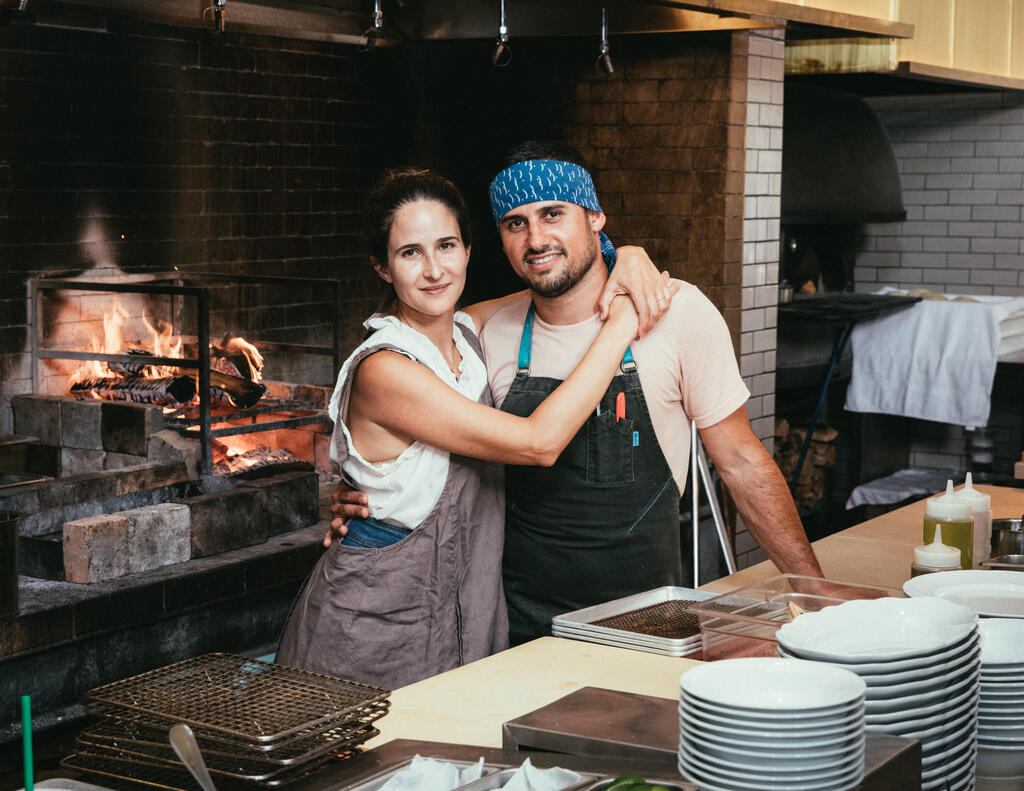
Ori Menashe and his wife
(Photo: Adam Amengual)
Resume: Together with his wife, chef Genevieve Gergis, Menashe opened Bavel in the Arts District in 2018, six years after opening Bestia, their first restaurant.
Almost from the start, Bavel became one of the most talked-about restaurants in the city, drawing diners including Gwyneth Paltrow, Quentin Tarantino, Gal Gadot, Jay-Z, Beyoncé and Pink.
The restaurant received glowing reviews, and in 2019 the Los Angeles Times named it Restaurant of the Year. This year, Menashe’s shawarma was included on The New York Times’ list of 25 must-eat dishes.
The move from Bestia’s Italian cuisine to Bavel’s Middle Eastern food: “It was part of my evolution as a cook. I grew up in Israel, but when I came back to Los Angeles I was drawn to Italian kitchens, and that was also what I knew how to do when I opened Bestia.
“When I opened Bavel, it came from a much more personal place. I grew up with Middle Eastern food at home, and I felt I wanted to bring that experience into my kitchen.”
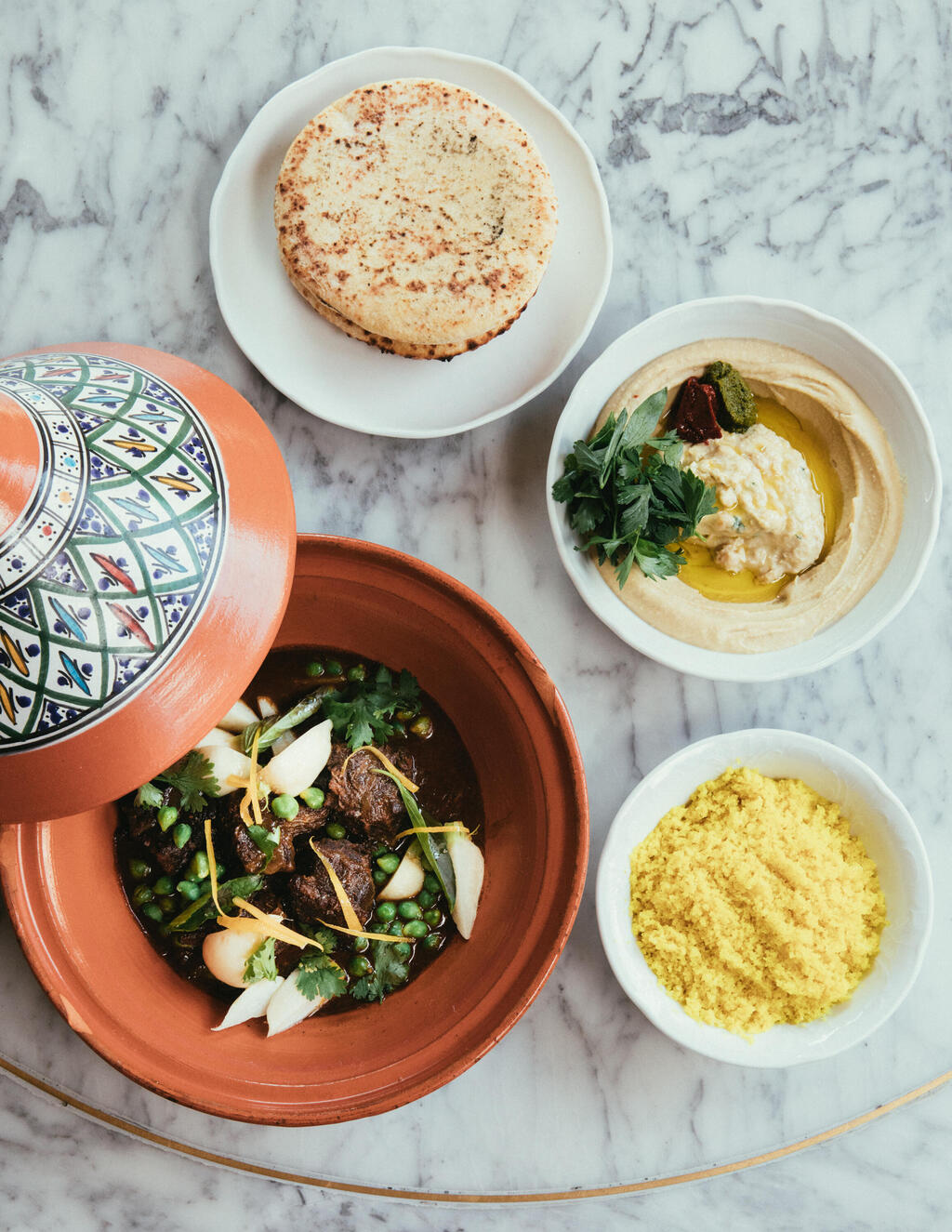
Bavel restaurant
(Photo: Adam Amengual)
The menu: “I define it as Middle Eastern. Food in Israel is made up of so many regions and cultures: Georgians, Iraqis, people who immigrated to Israel and brought their flavors with them. There are so many different styles, and Bavel brings them all together.”
Our signature dish: “Shawarma.”
The secret of Bavel’s shawarma: “We use lamb neck, a cut people usually wouldn’t think of using at home. I worked on the recipe for a long time, and preparing it takes four days: cleaning, marinating, drying and finally cooking it for 16 hours.”
The dish I miss most from Israel: “Jerusalem mixed grill in a pita, from Hatzot Steakhouse in Jerusalem.”
Favorite American dish: “American barbecue, smoked beef and pork ribs, beef brisket.”
Favorite ingredient: “Olive oil.”
The secret of my success: “I think my businesses succeed because I love restaurants. I breathe them and think about them all the time.
“I don’t open a restaurant and invest in it for only six months or a year. I’m constantly looking for ways to improve it, and I change the menu according to the season and the ingredients.”
Representing Israel: “I don’t know if I think about it while I’m cooking, but my father is of Georgian origin, my mother is of Moroccan origin and I grew up in Israel. All those things are in my food.”
Being a successful chef: “Until a year and a half ago, I worked six days a week, and even on the seventh day I was constantly on the phone.
“Two years ago my father died, and I realized life is short, so I decided to create more balance for myself.
“Today I work five days a week and try to spend a lot of time with my family. My wife works with me as a pastry chef, and our 12-year-old daughter finishes school and comes to the restaurant.”
The next generation: “Of course my daughter is interested in the field. She cooks very well and eats with us everywhere in the world.
“We’ve already taken her to around 30 Michelin-starred restaurants, and she eats everything in every country we visit.”
The cafeteria at your daughter’s school: “She definitely doesn’t eat there. I send her with food from home, but I try not to go crazy with it and make her anything too weird.”
'In Los Angeles, I can make the best food in the world'
Eyal Shani / Malka, Miznon, Port Said, HaSalon, Shmoné / New York and Los Angeles
Eyal Shani was among the first Israeli chefs to turn Israeli food into a hit in the United States. Since opening his first Miznon in New York in 2018, his empire in the city has expanded to eight restaurants, including four Miznon locations, HaSalon, Shmoné, Port Said and Malka.
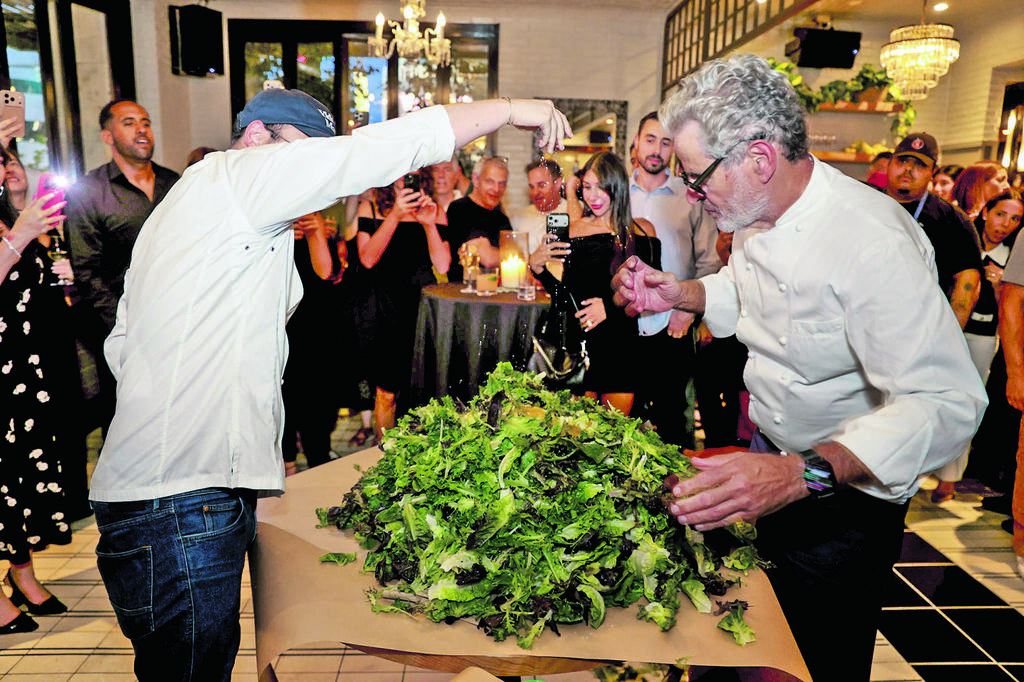
Eyal Shani
(Photo: Malka restaurant)
The menu: At Miznon, Shani introduced New Yorkers to a new version of Mediterranean street food: pitas filled with creative combinations, smashed potatoes and whole roasted cauliflower, which became one of his signature dishes.
The success was based not only on the food but also on his ability to turn every dish into a performance, using fresh ingredients, unexpected combinations, an open kitchen and a great deal of personality.
Miznon quickly became a hit, and Shani cemented his status as one of the Israeli chefs most closely identified with the American food scene.
The move to Los Angeles: When Miznon opened in Los Angeles in March, it was packed with diners from the first day. Shani returned to Los Angeles in August and opened his fourth Malka, after Tel Aviv, New York and Miami.
The chef, known for his theatrical style, became the evening’s main attraction when he shaped a huge plate of hummus with his bare hands as though he were in a clay sculpting class. The scene inspired plenty of online sketches, but the restaurant received the best publicity imaginable. Within 24 hours, everyone knew there was a new Malka in Beverly Hills.
The move to kosher: “I saw people who keep kosher like cats sitting on fences, licking their lips and wanting to devour the food I make but unable to.
“Then I decided to open a kosher restaurant. The gratitude they show at every opportunity is so great that it fills me with happiness.”
Cooking with restrictions: “I don’t feel any restriction at all. You simply have to decide whether you are cooking meat or dairy and not bake fish and meat in the same oven.
“I’m not someone who cooks with milk anyway. I believe in olive oil, so it doesn’t bother me.”
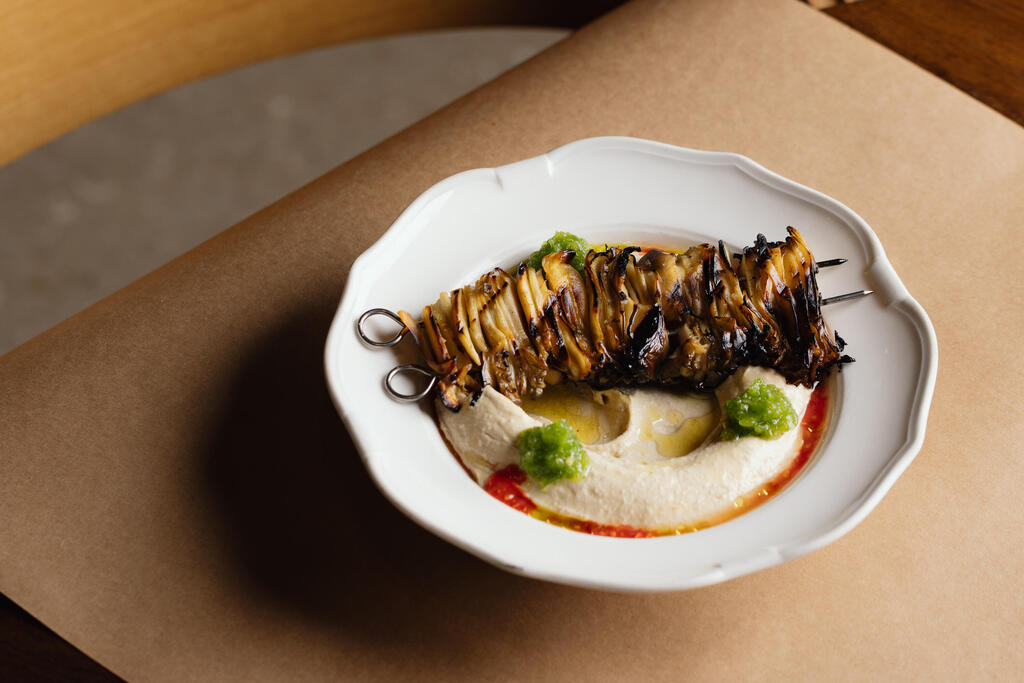
(Photo: Malka restaurant)
The secrets of Los Angeles: “I really wanted to open restaurants in Los Angeles because of the sun and the ingredients.
“I went to the market and saw food grown here that doesn’t travel long distances. It reminded me of Israel. I told myself I can make the best-tasting food in the world here.”
Signature dish: “Schnitzel with mashed potatoes.”
Favorite dish in Israel: “Hummus. You can build an entire life around it.”
Favorite American dish: “If Japanese food in the United States counts as American food, then that’s what I like most.”
Favorite ingredients: “Olive oil and tomatoes.”
Target audience: “I’m not speaking only to Jews or people who keep kosher, but to everyone.
“Malka offers wonderful food, and even in Israel my best friends, who oppose kosher certification because they fear religious coercion, specifically want to eat there.
“There’s a very strong family feeling. It reminds me of Italian restaurants. You walk in and see a 90-year-old grandfather and grandmother, their children, grandchildren and great-grandchildren, all sitting around one table, shouting at the top of their lungs, having the time of their lives, drinking wine and being happy.”
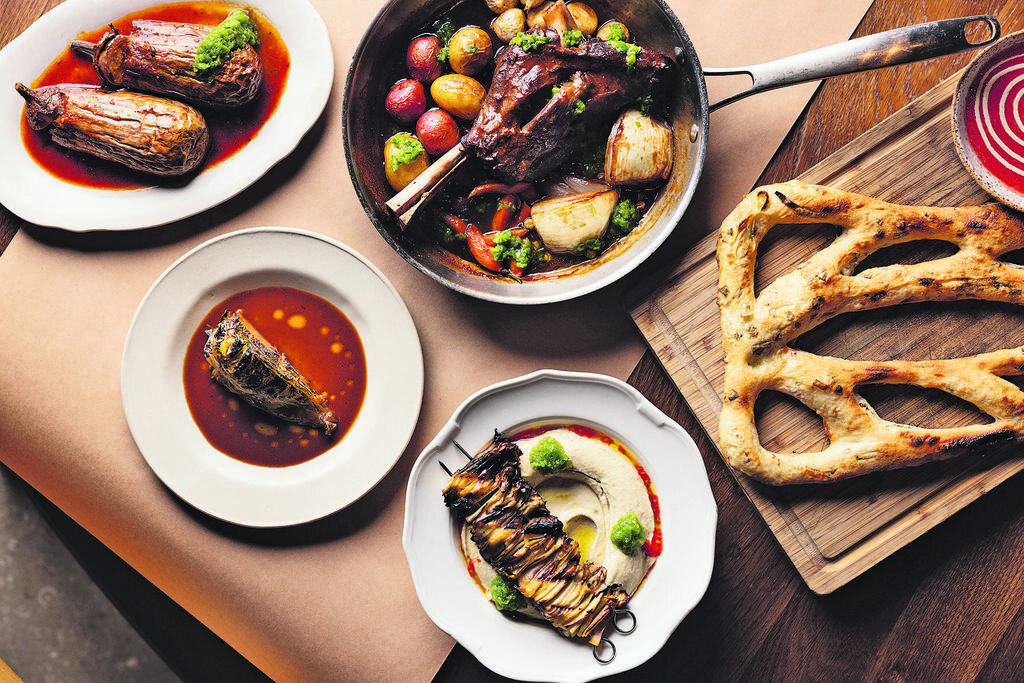
(Photo: Malka restaurant)
The impact of antisemitism: “During the war, we felt demographic changes. Suddenly all the Jews and Israelis began gathering and coming to us.
“A year ago, when Passover arrived in New York, all the wealthy people left the city, as happens during the holidays. The city was almost emptied of Jews, and we were genuinely empty. We had never experienced anything like that.
“That’s when I realized we had become a restaurant for Israelis and Jews. Now it has changed again, and the other diners have returned.”
Fine dining: “I don’t make luxury food. I make wild, kicking, living, stormy food. That’s what interests me.
“In fine dining, they bring you a plate of balance and quiet. That’s not my style. I want you to feel the cut of fish, to feel the sea it swam in.
“I don’t know another kosher restaurant that is full of joy, alive, with contemporary, energetic food, and that’s what this will be.”