

Twenty years ago, when matcha began making its way into the Western world, we wondered whether it was just another passing fad. Surely people wouldn't embrace flavors reminiscent of freshly cut grass and toasted rice unless they were heavily sweetened. The price was outrageous and the short shelf life meant rapid oxidation.
Well, it turns out we misjudged the situation.
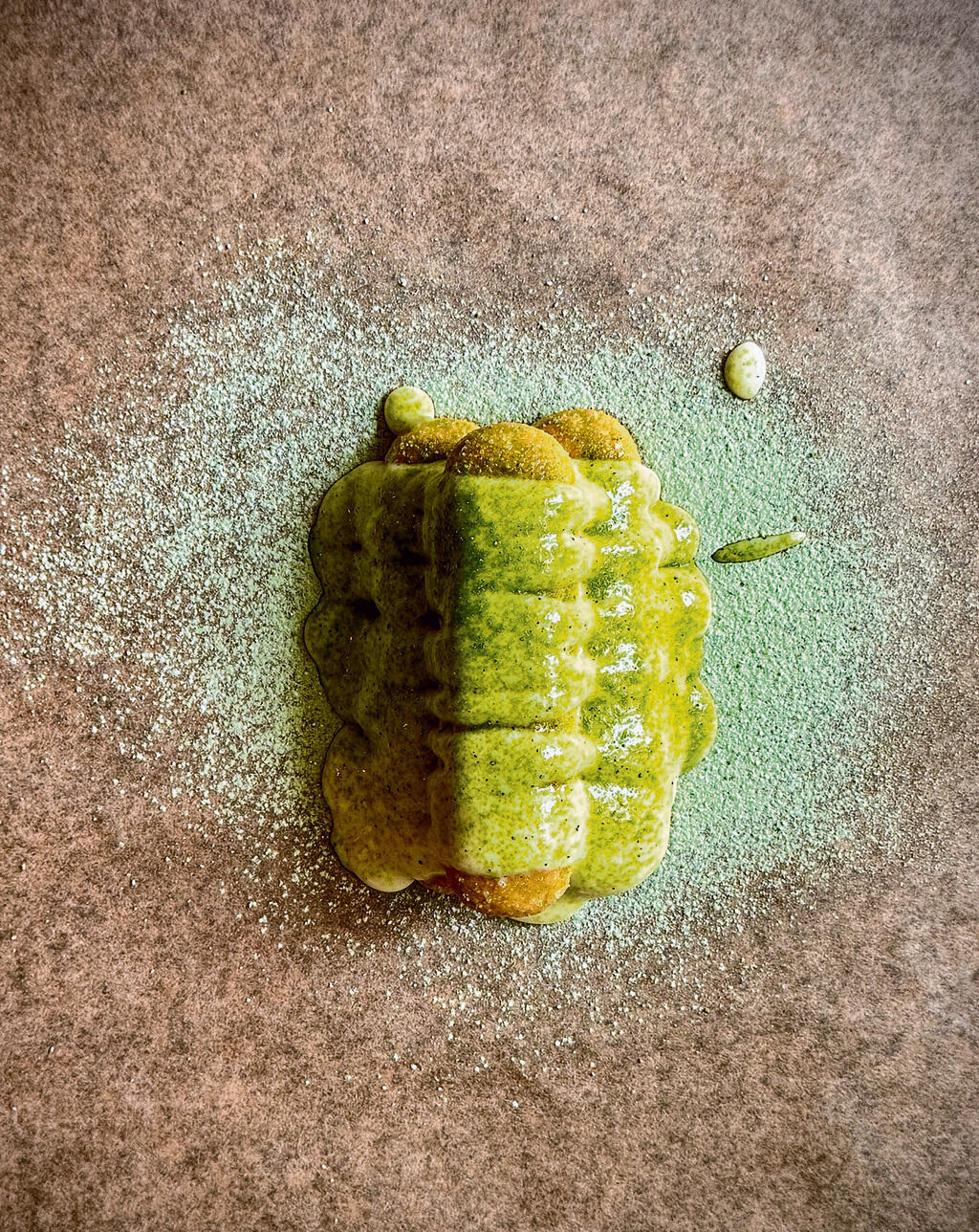
(Photo: Ruthie Rousso)
Recently, our son-in-law and brother-in-law traveled to his hometown of Tokyo with his younger daughter (our granddaughter and niece). After visiting historic sites and restaurants frequented by local workers, she dragged him to some corner of Tokyo where she had seen on TikTok that matcha was being sold.
"There was a 20-minute line," he reported with characteristic dryness and a hint of criticism. "And there wasn't a single Japanese person in the entire line," he added indignantly.
Matcha has undergone a transformation, conquering not the world but TikTok. And from there, the world.
We're in the grip of a global matcha craze. It's in smoothies, lattes, ice cream, cakes, cookies and glazes. It's mixed with strawberries, mango or coconut, and one thing is certain: It must be served in a clear glass so everyone can see it.
Matcha photographs beautifully, perhaps the greatest unspoken agricultural advantage of the modern age, right up there with fertile soil and water. And the price? About as much as a serving of shawarma. Except you're paying it for a smoothie.
There's a tendency to imagine that the Japanese spend their days whisking matcha with bamboo whisks. But the truth is that tea consumption in Japan is in steep decline. According to The Economist, annual tea consumption in Japan fell from 527 grams per person in 1970 to just 233 grams in 2024. The area devoted to tea cultivation has also shrunk, farmers have grown older and their children have moved into high-tech.
Then the world outside Japan came along and changed everything.
Japanese green tea exports have tripled in a decade. The global boom is something of a miracle for a dying agricultural industry.
But growing matcha is a complicated business that can't rely on miracles. Achieving its distinctive umami flavor, vivid color, extraordinary antioxidant content and rich, smooth consistency takes more than divine intervention.
Farmers must grow their tea bushes under shade and tend to them with extraordinary care. The leaves are carefully picked, steamed, dried and ground using specialized machinery in expensive facilities. A farmer who decides to cash in on the trend today has no way of knowing whether the world will have moved on to some purple superfood from Peru by the time the first crop is ready for harvest.
And there's another factor to consider: China's sheer size.
Matcha is marketed as a Japanese product, but unsurprisingly, most of the world's matcha comes from China. In fact, matcha originally reached Japan from China. But true to Japanese tradition, they took the practice and transformed it into an elaborate ritual, complete with its own philosophy and meticulous aesthetic standards.
Now they must convince consumers in Paris, New York and Tel Aviv that Japanese matcha is worth the premium price, positioning it as the finest green tea money can buy — a mark of superior quality and prestige.
For now, however, the market is largely unregulated, and anyone can print "ceremonial grade" on the package. How easy it is to sell powdered green tea with a lovely story about handpicked leaves and double the price.
We're not going to solve the future of Japanese agriculture this time, much as we'd like to. There are limits to what a food column can accomplish.
What we can do is offer some ideas for enjoying matcha at home. It still isn't cheap, but it's considerably less expensive than all the ways coffee shops have found to serve it.
Iced matcha latte with strawberries or mango
Ingredients:
(Makes 2 servings)
For the matcha latte:
- 2 teaspoons matcha powder
- 100 ml (about ⅓ cup plus 1 tablespoon) hot water, not boiling
- 1 to 2 tablespoons maple syrup or honey
- 300 ml (about 1¼ cups) dairy or plant-based milk
- Ice
For the strawberry version:
- 200 grams (7 ounces) strawberries
- 1 tablespoon sugar
- 1 teaspoon lemon juice
- Pinch of salt
For the mango version:
- 200 grams (7 ounces) flesh from a large, ripe mango
- 1 tablespoon lime or lemon juice
- Pinch of salt
Preparation
- Blend the strawberries with the sugar, lemon juice and salt until smooth. For the mango version, blend the mango with the lime juice and salt.
- Place the matcha in a small bowl, add the hot water and whisk thoroughly until no lumps remain. Stir in the maple syrup or honey.
- Divide the fruit puree between two glasses. Add ice and milk, then pour the matcha mixture over the top.
- Take a picture, if you must, then stir and drink. The layers matter enormously to the internet and considerably less to your taste buds.
Matcha and yuzu tiramisu
The combination you never knew you needed: a tangy, complex cream, delicate cookies infused with grassy notes and, together, a decidedly grown-up dessert.
Ingredients:
(Makes one 8-by-12-inch (20-by-30-cm) pan)
For the cream:
- 5 egg yolks
- 1 cup sugar
- 500 grams (about 18 ounces) mascarpone
- 2 teaspoons yuzu juice
- Pinch of salt
For dipping:
- 2 teaspoons matcha powder
- ⅓ cup hot water
- 1½ cups cold milk
- About 40 ladyfinger cookies
For the topping:
- 100 grams (about ¾ cup) powdered sugar
- ½ teaspoon matcha powder
Preparation
- Place the egg yolks and sugar in a bowl and whisk thoroughly until pale and fluffy. Add the yuzu juice. Gently fold in the mascarpone and a pinch of salt, then transfer the mixture to a piping bag.
- Place the matcha in a small, wide bowl and whisk with the hot water. Add the milk.
- Quickly dip the ladyfingers into the matcha mixture and arrange them in a layer in the pan. Pipe half the cream over the cookies, add another layer of dipped ladyfingers and finish with the remaining cream.
- You can refrigerate the tiramisu, but we also love it freshly made.
- Before serving, mix the powdered sugar with the matcha and sift it over the entire cake or over individual portions.
Cold noodles with sesame-matcha sauce
Here, matcha acts like a seasoning, adding gentle bitterness and depth without turning lunch into a tea ceremony.
Ingredients
(Serves 4)
- 300 grams (about 10½ ounces) soba or thin wheat noodles
- 3 small cucumbers
- 3 scallions
- 1 cup cooked edamame
- Toasted sesame seeds, for serving
- Store-bought crispy fried onions, for serving (optional)
For the sauce:
- 5 tablespoons tahini paste
- 3 tablespoons soy sauce
- 2 tablespoons rice vinegar
- 1 tablespoon lime or lemon juice
- 1 tablespoon maple syrup or honey
- 1 teaspoon sesame oil
- 1 teaspoon grated ginger
- 1 garlic clove, crushed
- ¼ teaspoon matcha powder
- ⅓ to ½ cup cold water
Preparation
- Sift the matcha into a small bowl and mix with 1 tablespoon hot water to form a smooth paste.
- In a large bowl, combine all the sauce ingredients with the matcha paste. Gradually add cold water until the sauce is thick but pourable. Taste and adjust the seasoning.
- Cook the noodles according to the package instructions. Drain, rinse thoroughly under cold water and drain again.
- Lightly smash the cucumbers and chop them into large pieces. Thinly slice the scallions.
- Toss the noodles with the sauce, cucumbers, scallions and edamame. Sprinkle with sesame seeds and crispy fried onions, if using, and serve.
Matcha blondies with white chocolate and pistachios
White chocolate softens matcha's bitterness, pistachios add crunch and a salty note, and together they produce a shade of green so intense there's no point apologizing for it anymore.
Ingredients
(Makes one 8-inch (20-cm) square pan)
- 170 grams (¾ cup or 1½ sticks) butter
- 200 grams (7 ounces) white chocolate, chopped
- 2 eggs plus 1 additional egg yolk
- 125 grams (about ⅔ cup) sugar
- 1 teaspoon vanilla extract
- ½ teaspoon salt
- 175 grams (about 1⅓ cups plus 1 tablespoon) all-purpose flour
- 1½ tablespoons matcha powder (about 10 grams)
- 100 grams (3½ ounces) roasted pistachios, chopped
Preparation
- Preheat the oven to 340 F (170 C) and line the pan with parchment paper.
- Melt the butter in a saucepan and continue cooking until golden brown and nutty-smelling. Pour it over 120 grams (4¼ ounces) of the white chocolate, wait one minute and stir until melted.
- In a bowl, whisk together the eggs, additional yolk, sugar, vanilla and salt. Add the butter and chocolate mixture.
- Sift in the flour and matcha, folding gently just until combined. Add the remaining white chocolate and two-thirds of the pistachios.
- Transfer the batter to the prepared pan and sprinkle the remaining pistachios over the top.
- Bake for 23 to 28 minutes, until the edges are set but the center is still slightly soft.
- Allow to cool completely before cutting.
Matcha's much-hyped health benefits
Matcha has been credited with all sorts of benefits: detoxification, fat burning, longevity and stress reduction.
We're not endorsing any of these claims because we simply don't know. What we do know for certain is that green tea cannot do our laundry, organize a closet or put dinner on the table.
So let's enjoy its distinctive flavor and color, and remember: It's tea.
It has bitterness, grassy notes, umami and a subtle sweetness. Used properly, it's complex and wonderful. Used badly, it tastes as though someone mowed the lawn and then made a latte out of the clippings.
How to buy matcha without getting ripped off
The term "ceremonial grade," which we encounter on almost every expensive tin of matcha, is not an official Japanese classification or a regulated standard. It's primarily a Western marketing invention.
In Japan, there is no legally defined distinction between "ceremonial matcha" and "culinary matcha," meaning virtually any brand can print "ceremonial" on its packaging and charge accordingly.
What should you look for?
- Clear origins: Look for matcha with a clearly identified Japanese origin and a traceable producer.
- Freshness: Check for a packaging or grinding date, if available.
- Packaging: Choose a small, airtight tin, not a family-size emergency supply bag.
- Color: Look for a vibrant green. Yellowish or brownish matcha is usually old, oxidized or of inferior quality.
And one more important thing:
Once opened, keep matcha tightly sealed in a cool, dark place and use it promptly. There's no point buying wonderful matcha only to store it next to the paprika you've had since 2019.