


Alon Shaya was seven years old when he discovered that you could tell Grandma was visiting before you even saw her. Whenever she arrived from Israel at the family home in Philadelphia, the kitchen would fill with the smell of peppers and eggplants roasting over an open flame. For the boy who had emigrated from Israel to the United States and struggled to adjust to his new life, that smell meant a suitcase full of Toblerone chocolate and a few days when home would feel like home again. More than four decades later, those childhood memories have become a restaurant in New Orleans, one that has just earned recognition from one of the world's most prestigious dining guides.
The restaurant, Safta's Table, opened just seven months ago in the city's Lakeview neighborhood and has already received a Bib Gourmand distinction from the 2026 Michelin Guide. The award recognizes restaurants offering high-quality food at relatively affordable prices. It is separate from Michelin's coveted stars, the guide's highest culinary distinction. The announcement came Wednesday at a ceremony in Nashville, Tennessee, marking the second edition of the Michelin Guide to the American South, which covers seven states. Fourteen restaurants joined the Bib Gourmand category this year, while three received their first Michelin stars and another 31 were added to the guide's recommended selections. The regional guide now features 265 restaurants.
Gallery
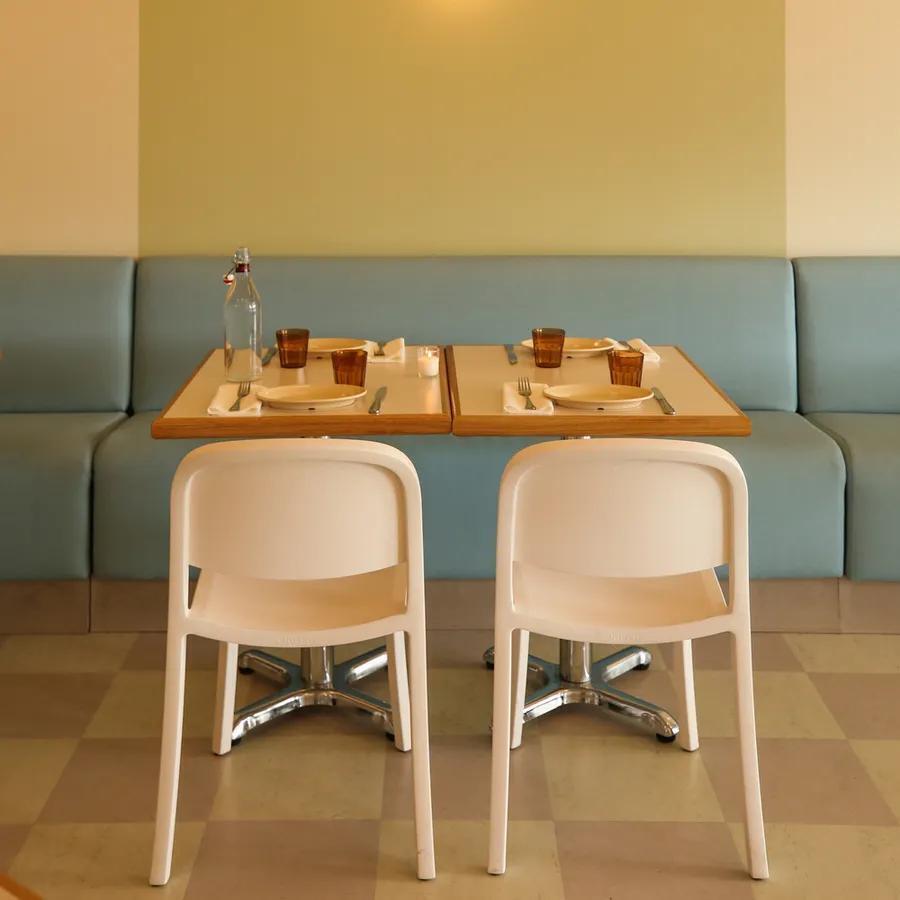
The dining area at Safta's Table in New Orleans, where Israeli-inspired cuisine is served in a casual neighborhood setting
(Photo: Safta's Table)
Shaya, who opened the restaurant with his wife, Emily, wanted something different from the fine-dining establishments that had made him one of New Orleans' most celebrated chefs. Instead of elaborate dinners and formally dressed waiters, customers order at the counter, settle into a bright, colorful dining room and watch bakers pull freshly puffed pita bread from the oven. A pastry case stands beside the register, while a refrigerator stocked with prepared meals caters to customers looking to bring dinner home. Shaya told Garden & Gun magazine in March that he had dreamed of opening the place for five years. He envisioned a neighborhood café where people could stop for breakfast, pick up an oversized cookie or grab dinner for the family.
Michelin was particularly enthusiastic about the restaurant's distinctly Israeli character. In a special feature highlighting the 14 new Bib Gourmand recipients, the guide devoted a section to Middle Eastern cuisine, comparing two restaurants with very different approaches. The first, Ajja in North Carolina, draws inspiration from the Levant, Iran and India, serving dishes such as Iranian kebabs and fried trout with lemon schug. Shaya's restaurant, Michelin noted, takes a more focused approach, concentrating specifically on Israeli cuisine. Its inspectors highlighted hummus topped with spiced lamb ragù and served with sourdough pita, alongside crispy chicken schnitzel accompanied by pickles and lemon.
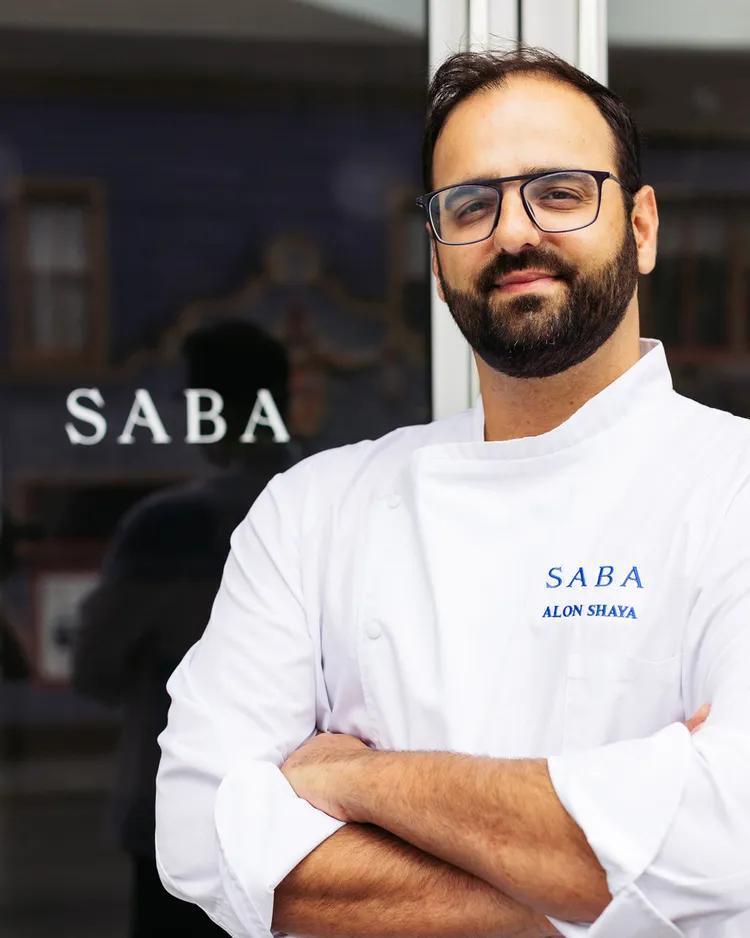
Israeli-born chef Alon Shaya outside his restaurant Saba in New Orleans
(Photo: Safta's Table)
The menu also features green falafel with amba and tahini, spinach and feta bourekas served with grated tomato and schug, harissa-roasted chicken, chopped Israeli salad and Nutella babka for dessert. Classic hummus costs $10, hummus topped with lamb is $14, and chicken schnitzel goes for $18. Alongside dishes familiar to Israelis are smoked salmon bagels, tahini chocolate chip cookies and halva lattes. Michelin's inspectors described the restaurant as the kind of place customers could happily return to every day of the week, praising the attention to ingredients and the fresh pita baked on-site.
It is already the second of Shaya's New Orleans restaurants to earn the distinction. The first, Saba, Hebrew for "grandfather," received a Bib Gourmand last year and retained it in 2026. Opened in 2018, it serves dishes including hummus with blue crab and lemon butter, wood-fired pita and falafel. Shaya also operates Safta, Hebrew for "grandmother," in Denver, Colorado, which appears among Michelin's recommended restaurants. The names of all three establishments pay tribute to the family and culinary roots he carried with him from his childhood in Israel.
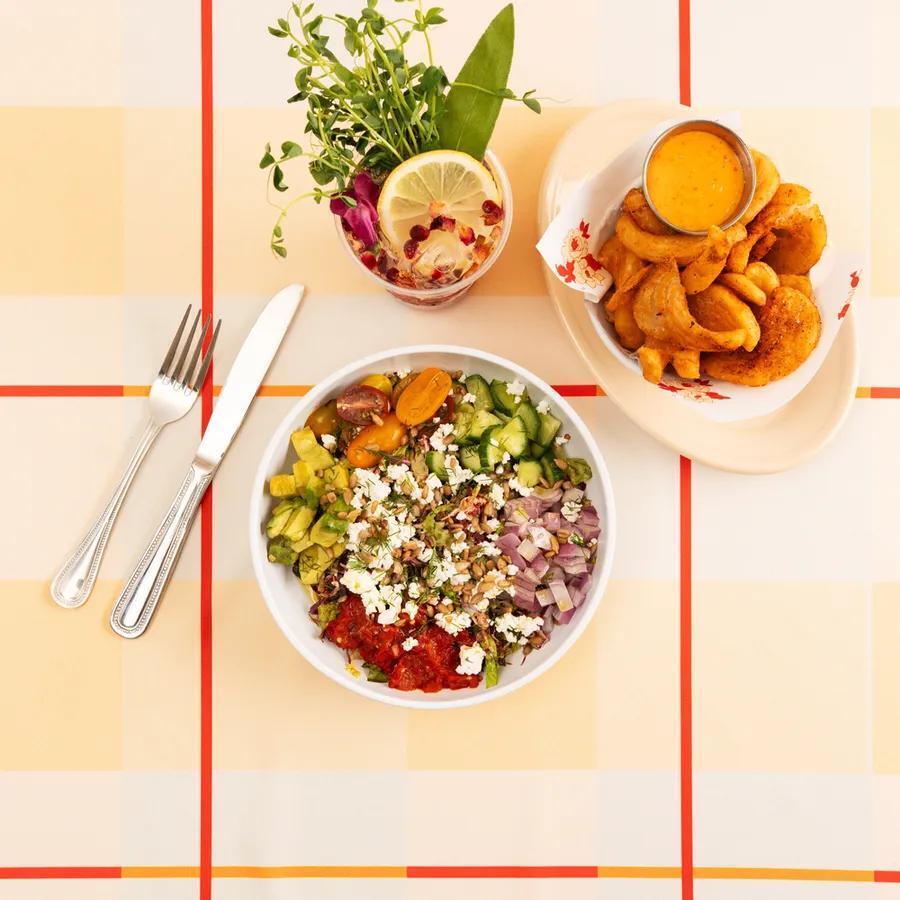
A colorful salad with vegetables, cheese and herbs, accompanied by seasoned potatoes and a drink at Safta's Table
(Photo: Safta's Table)
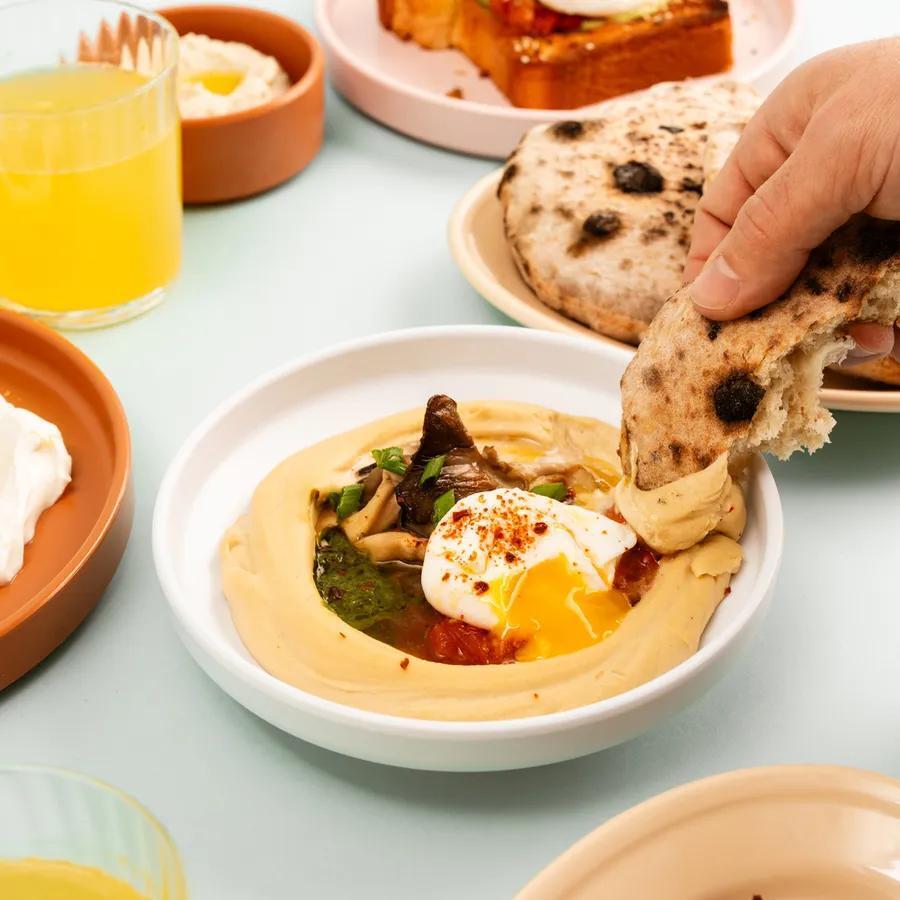
Fresh pita dipped into hummus topped with a poached egg and mushrooms at Safta's Table
(Photo: Safta's Table)
His path to becoming one of America's best-known Israeli-born chefs was anything but straightforward. Shaya was born in Israel in 1978 and moved with his family to Philadelphia when he was four. His parents separated a year later, leaving his mother to raise him and his sister on her own. He has recalled doing the family grocery shopping and cooking for himself from an early age. As a teenager, he got into trouble with drugs and the police. It was Donna Barnett, his high school home economics teacher, who recognized his culinary talent. When he was kicked out of other classes, she would put him to work peeling and chopping enormous quantities of onions. She later helped him pursue culinary training, and he graduated with honors from the Culinary Institute of America.
In 2015, Shaya won the James Beard Award for Best Chef: South, one of the American restaurant industry's most prestigious honors. The following year, the restaurant bearing his name was named Best New Restaurant in America by the James Beard Foundation.
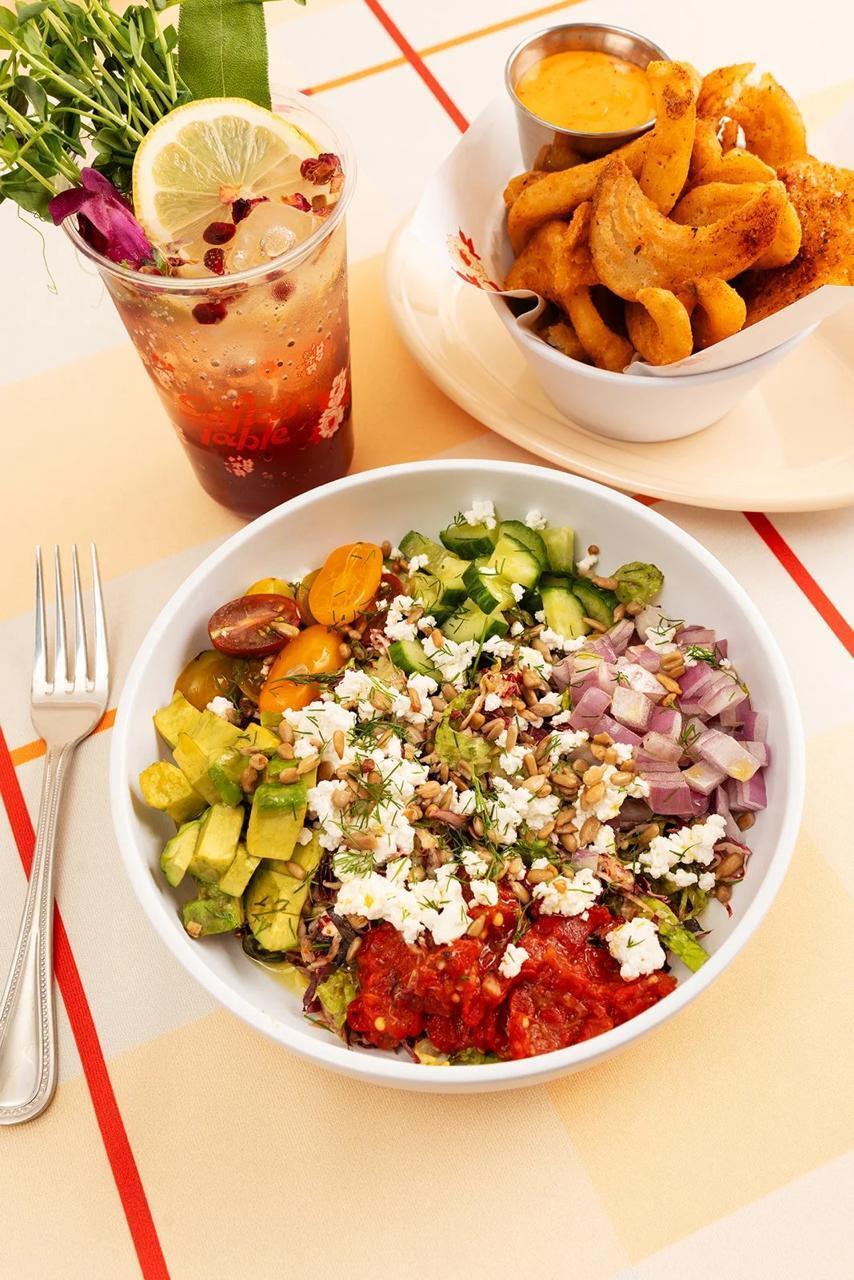
A fresh vegetable salad topped with cheese and seeds, served alongside seasoned potatoes at Safta's Table
(Photo: Safta's Table)
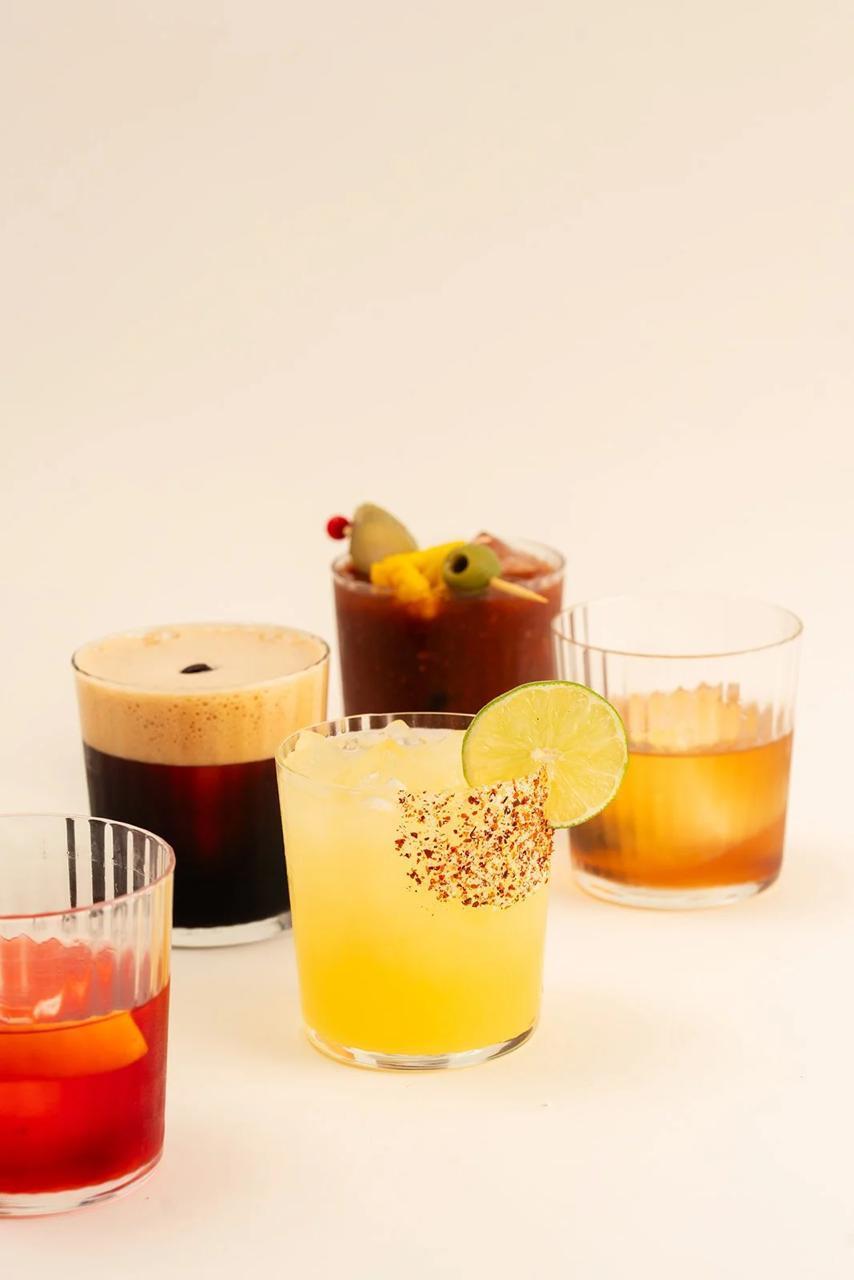
A selection of colorful cocktails and mixed drinks at Safta's Table
(Photo: Safta's Table)
But in 2017, his career took an unexpected turn. Shaya fell out with his business partners, including celebrity chef John Besh, and was fired from the restaurant group where he had worked. The dispute escalated into a legal battle over the right to use his own surname. Ultimately, the restaurant Shaya remained in the hands of his former partners and continues operating without him. Shaya and his wife Emily went on to establish an independent restaurant group, choosing the names Saba and Safta for their next ventures.
Shaya's connection to his Jewish heritage also found expression this month with the publication of his new book, "Memories of a Good Meal," written with food historian June Hersh. It brings together stories of survival and recipes from World War II. The book grew out of a project in which Shaya worked with the United States Holocaust Memorial Museum to recreate recipes that had survived the war.
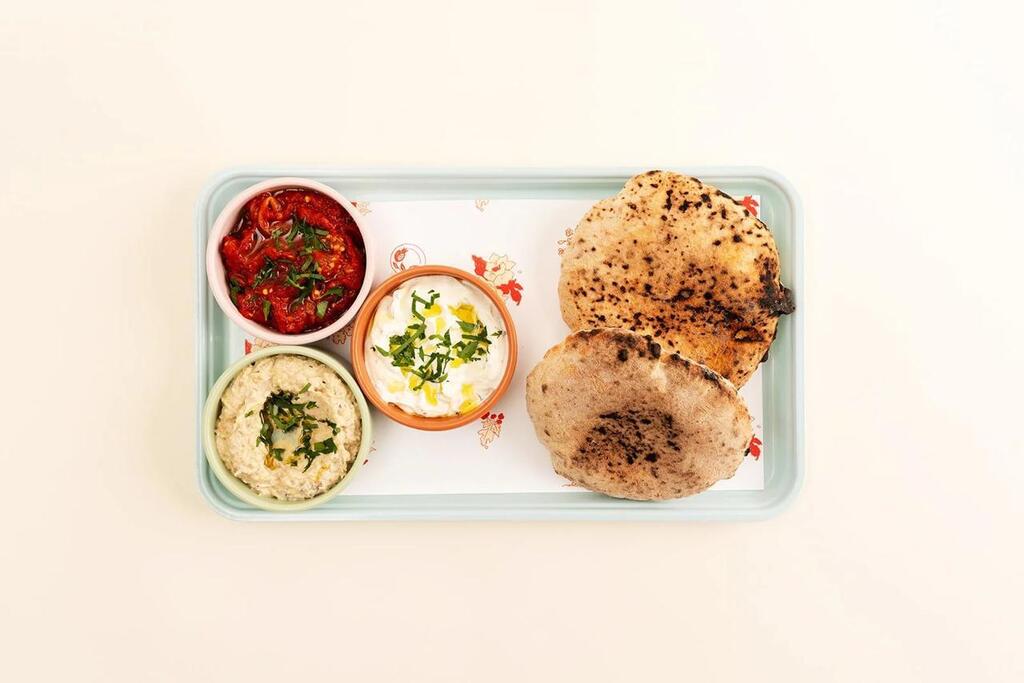
Freshly baked pita served with a selection of dips and spreads at Safta's Table
(Photo: Safta's Table)
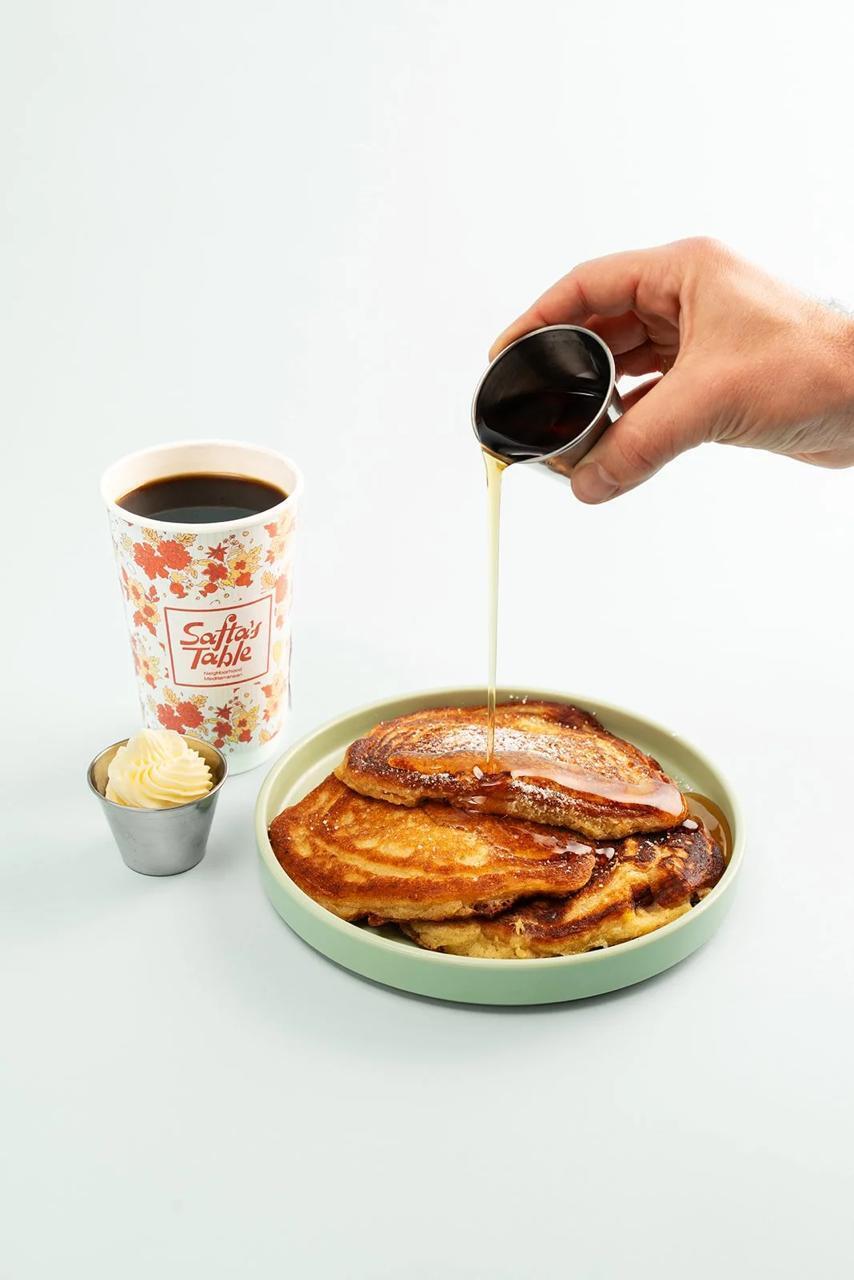
Pancakes served with syrup and coffee at Safta's Table
(Photo: Safta's Table)
In one case, he collaborated with Auschwitz survivor Steven Fenves to reconstruct dishes his mother had prepared in Yugoslavia before she was murdered. Her handwritten recipe collection survived thanks to the family's cook, who managed to save it when the family was deported in 1944. The book also includes stories of Jewish partisans, children hidden during the Holocaust and Japanese Americans incarcerated in the United States during the war.
Shaya is not the only representative of Jewish cuisine in the new Michelin Guide. In Knoxville, Tennessee, Au Bon Coin, a bistro that opened in August, has joined the guide's recommended selections for the first time. The restaurant combines French culinary techniques with Ashkenazi traditions from Eastern Europe. Its menu includes French-inspired gefilte fish, mushroom-filled vareniki dumplings and steak with béarnaise sauce.
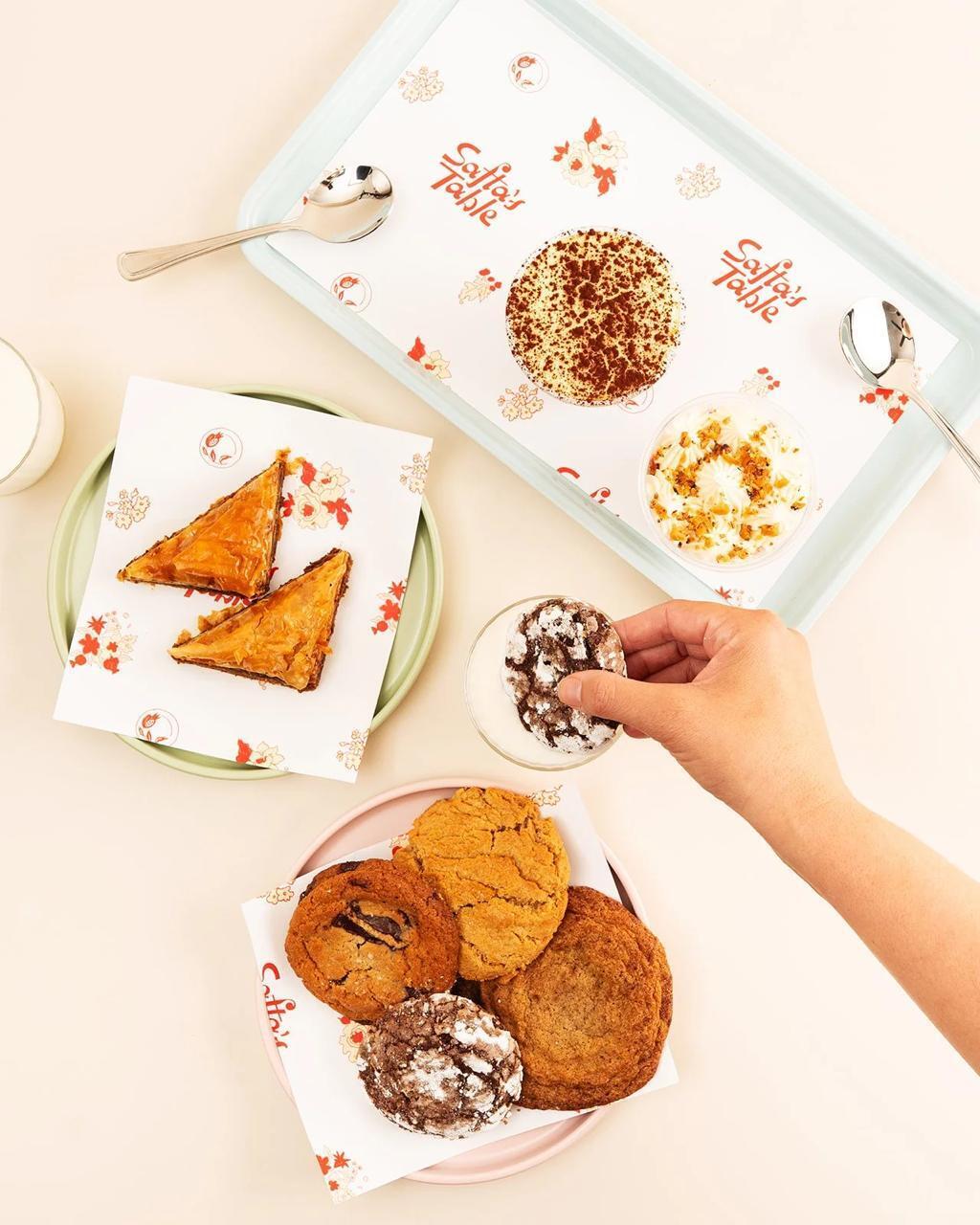
An assortment of pastries, cookies and desserts at Safta's Table
(Photo: Safta's Table)
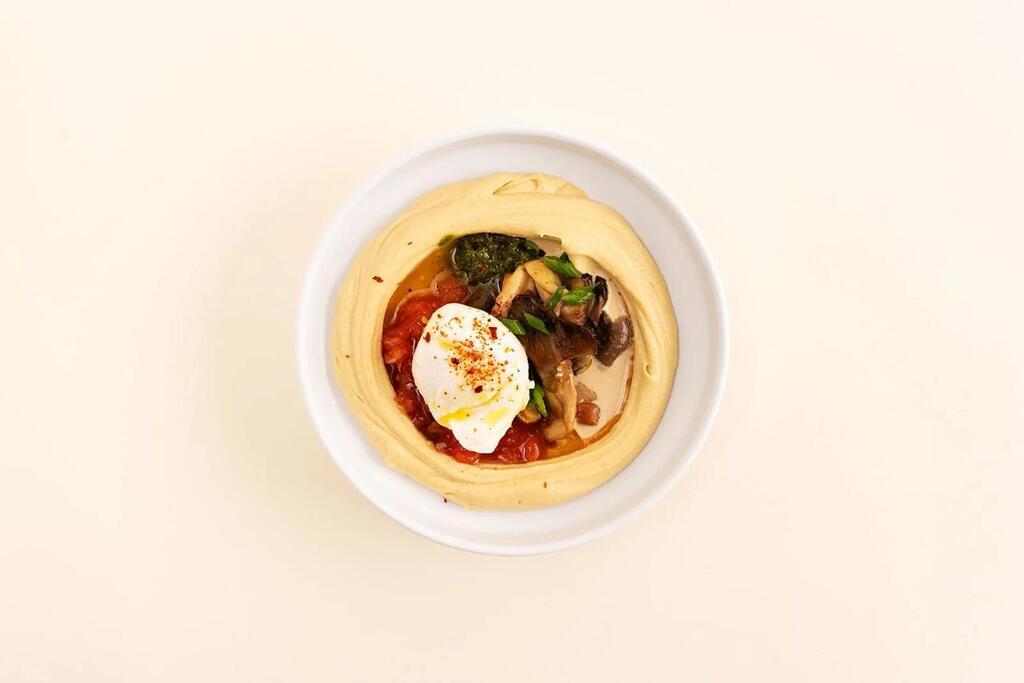
Hummus topped with a poached egg, mushrooms and vegetables at Safta's Table
(Photo: Safta's Table)
Behind the restaurant are Laurence Faber and Emily Williams, owners of the Jewish deli Potchke Deli, which is also featured in the Michelin Guide. There, customers can order matzo ball soup with chili oil, freshly baked babka and an enormous sandwich called the "Bat Mitzvah Showstopper," filled with smoked trout salad, cheese and vegetables on toasted challah.
In Atlanta, Georgia, another Jewish-American restaurant, The General Muir, continues to appear in the guide. Opened in 2013, it specializes in the foods of traditional New York Jewish delicatessens: matzo ball soup, house-made pastrami, bagels with smoked salmon and cheesecake.
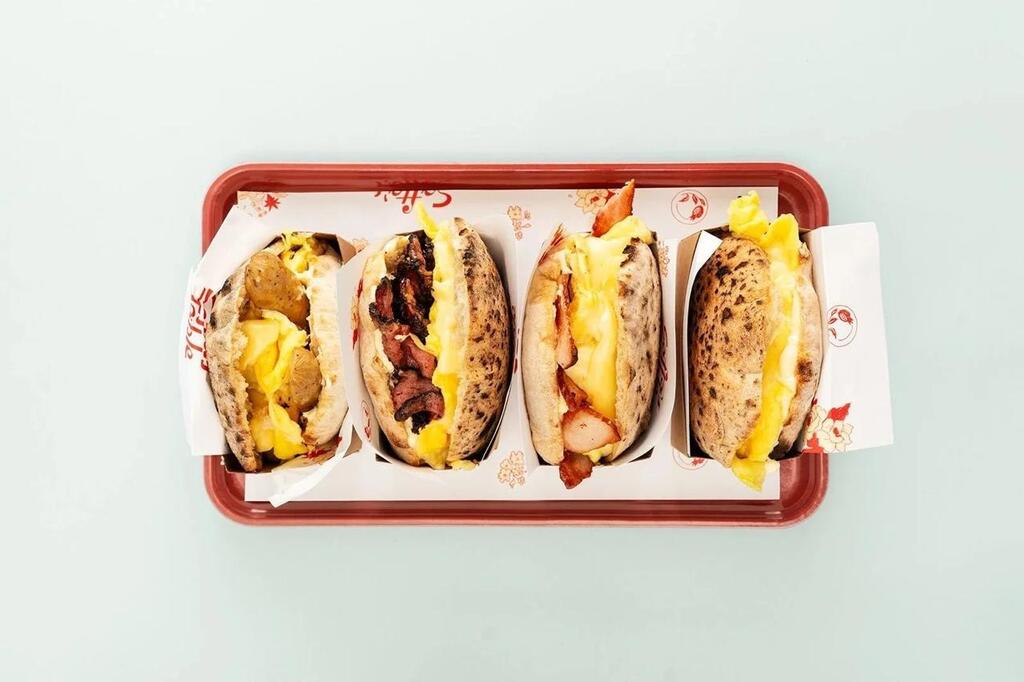
Breakfast pita sandwiches with eggs and assorted fillings at Safta's Table
(Photo: Safta's Table)
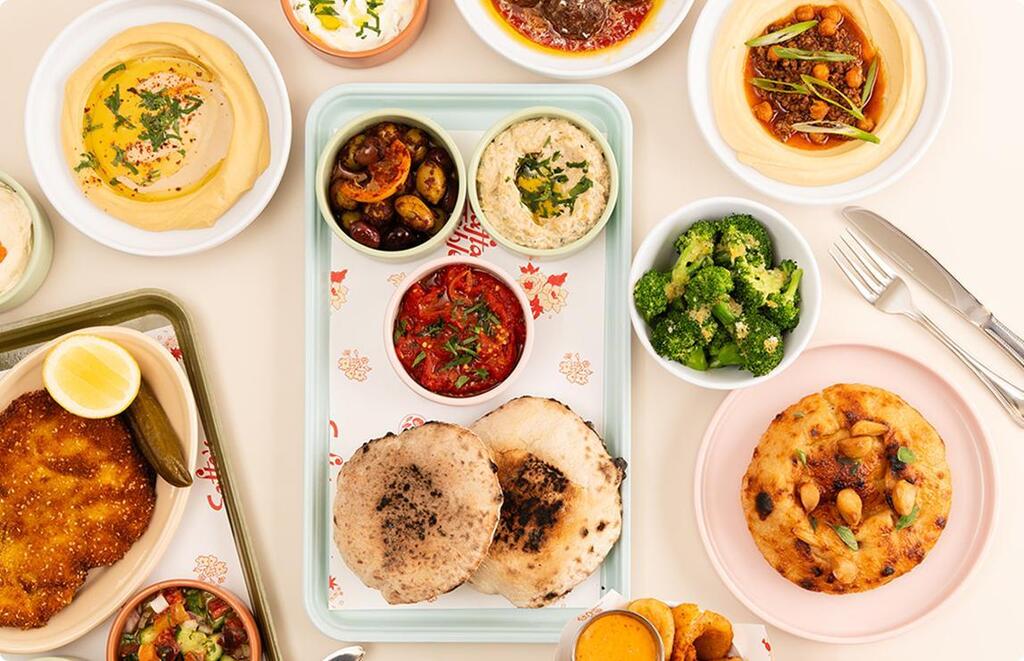
A selection of Israeli-inspired dishes at Safta's Table in New Orleans, including hummus, pita, schnitzel and vegetable sides
(Photo: Safta's Table)
But its name, which sounds like a tribute to an American military commander, carries a family story rooted in the Holocaust. Jennifer Johnson, one of the restaurant's owners, named it after the refugee ship that brought her mother and grandparents to New York in 1949. They were Holocaust survivors hoping to begin new lives in the United States.
After the restaurant opened, another family's story emerged. The sons of Henry Boehm, a Polish Holocaust survivor who had arrived in America aboard the same ship, contacted the owners and shared rare photographs taken on board in March 1949. Boehm, a dentist and trained opera singer, had come from Lviv, not far from the region where Johnson's grandparents had lived before the war. The photographs his family preserved are now displayed at the restaurant's Sandy Springs location, in the Atlanta suburbs.