

In Israel, the Shavuot holiday table is filled with cheeses, quiches and cheesecakes, a tradition that has become one of the most recognizable symbols of the holiday. According to Jewish tradition, one of the central explanations for eating dairy foods is linked to the giving of the Torah at Mount Sinai, alongside biblical references comparing the Torah to “honey and milk.”
But in recent years, science has revealed that cheese is far more than a festive dish. Some cheeses contain bioactive compounds, beneficial bacteria and various acids formed during fermentation and aging processes. These may influence immune function, gut health, satiety, sleep quality and even brain function.
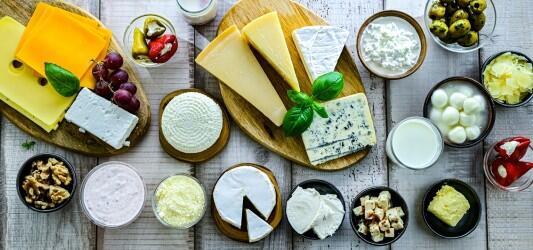
So which cheeses are truly considered healthier and which are better eaten in moderation? Note that this ranking is not based solely on protein or calcium content, but on a combination of nutritional value, fat and salt levels, digestibility and recent research in fermented foods and the microbiome.
Fifth place: Blue cheeses
The most scientifically intriguing, but also the “heaviest”
Blue cheeses such as Roquefort and Gorgonzola undergo an aging process with Penicillium mold, which creates unique compounds during fermentation. Recent studies suggest that fermented foods, including aged cheeses, may contribute to greater gut microbiome diversity and reduced inflammatory markers in the body, two factors directly linked to immune function. One notable study from Stanford University found that a diet rich in fermented foods increased gut bacteria diversity and reduced inflammatory proteins in the blood.
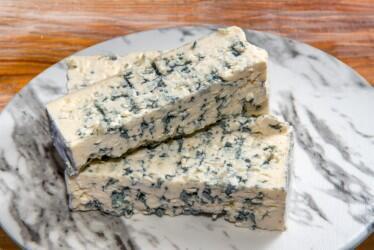
Gorgonzola cheese
(Photo: Shutterstock)
However, despite their interesting potential health benefits, these cheeses are among the richest in salt and saturated fat. Therefore, nutritionally they rank last and are better suited as a small addition that enhances flavor rather than as the main cheese of a meal.
Fourth place: Camembert and Brie
Soft cheeses with surprising benefits
Camembert and Brie are not necessarily the richest cheeses in protein or calcium, but their aging process is what makes them scientifically interesting. During fermentation, bioactive compounds and various acids are formed and are being studied for their possible effects on brain activity, sleep quality and cellular aging. One of these is myristamide, a compound currently being investigated for its potential link to memory and nerve cell function.
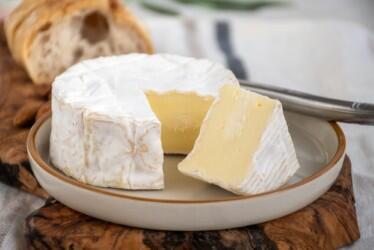
Brie cheese
(Photo: Shutterstock)
In addition, soft cheeses contain glycine, an amino acid associated with relaxation of the nervous system and deeper sleep. A 2023 scientific review published in the journal Nutrients, which included dozens of studies on postmenopausal women, found that dietary interventions containing glycine were associated with improved sleep quality, reduced fatigue and fewer night awakenings. Another compound found in aged cheeses is spermidine, which is being studied for its possible role in “cleaning” damaged cells and slowing cellular aging processes.
However, like blue cheeses, Brie and Camembert also contain relatively high levels of saturated fat and sodium, so moderation is recommended. Their benefit lies mainly in the aging process and the active compounds formed there, not in large quantities.
Third place: Aged yellow cheeses — Gouda, Cheddar and Parmesan
Not all yellow cheese is “junk”
Cheeses such as Gouda, Cheddar and Parmesan are often perceived as fatty, but their aging process creates interesting nutritional advantages. Aged cheeses contain relatively high levels of calcium that is more bioavailable, and some, especially Gouda and Cheddar, also contain vitamin K2, which has been studied in recent years in relation to bone and cardiovascular health.
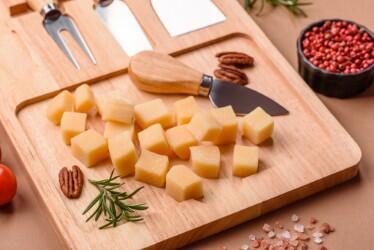
Parmesan cheese
(Photo: Shutterstock)
During aging, much of the lactose breaks down, so many people digest these cheeses more easily compared to fresh milk or fresh cheeses. Recent studies are also examining active compounds formed during aging that may influence satiety and blood pressure regulation. On the other hand, these cheeses are relatively high in sodium and saturated fat, so the recommendation is to consume them in moderation and not as the central component of every meal.
Second place: Cottage cheese
The cheese that keeps you full longer
Cottage cheese is known for its high protein content, but its benefit is not limited to quantity alone. It contains mostly casein, a protein that breaks down and digests slowly, contributing to longer-lasting satiety compared to fast-digesting foods. This slower digestion also helps produce a more gradual rise in blood sugar after meals, which may reduce energy crashes and hunger soon after eating.
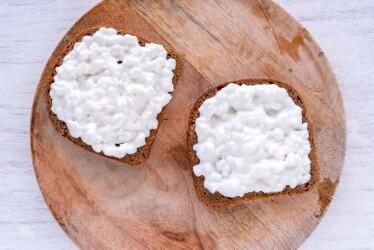
Cottage cheese
(Photo: Shutterstock)
Recent studies have found that meals rich in dairy proteins are associated with reduced snacking throughout the day and better appetite control. In addition, fermented dairy products such as cottage cheese are also being studied for their relationship with gut and microbiome health.
First place: Ricotta
The most “gentle” cheese for the digestive system
Ricotta takes first place thanks to a combination of good nutritional value and relatively low salt and fat content compared to other cheeses on the list. It is made from whey rather than milk itself and therefore contains whey proteins considered easier to digest, which are being studied in relation to muscle recovery, satiety and metabolic health.
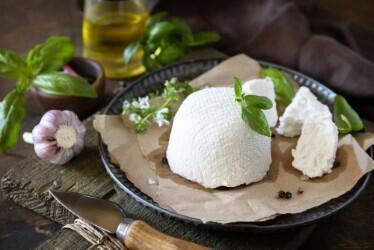
Ricotta cheese
(Photo: Shutterstock)
In addition, it is less salty and lighter than aged cheeses, making it suitable for people trying to reduce sodium intake or looking for a gentler cheese for the digestive system.
What about goat and sheep cheeses?
In recent years, more people have switched to goat and sheep cheeses, not only for taste. For some individuals, cheeses made from goat or sheep milk feel easier to digest compared to cow’s milk. One reason relates to protein composition: goat and sheep milk mainly contain beta-casein A2 while cow’s milk may also contain beta-casein A1. Recent studies suggest this difference may affect digestion and gastrointestinal comfort in some people.
In addition, goat milk has smaller fat globules and short to medium-chain fatty acids that many people digest more easily. Sheep milk, on the other hand, is considered especially rich in minerals and whey proteins, and a 2025 study found it contains higher levels of calcium, zinc and B vitamins compared to cow’s milk.
Ultimately, Shavuot cheeses are not only a culinary tradition but also a complex world of active compounds, fermentation processes and health effects that are increasingly studied in recent years. Perhaps this is another reason to enjoy the holiday cheese platter with a bit more pleasure and a bit less guilt.
- The author is a researcher of healthy lifestyles with a PhD in gerontology.