

Israeli chef Or Ginsberg juggles three restaurants, two daughters and a team of employees and suppliers. Then the war with Iran broke out—and he found himself stuck with hundreds of kilograms of high-quality tuna fish in his fridge.
In an interview with Ynet, he recounts how he went from winning an Israeli cooking reality show to becoming a restaurateur deeply familiar with the harsh realities of doing business in Israel. “People are losing their shirts,” he says, explaining why he finally gave up his trademark ponytail.

Tuna stuck in the fridge
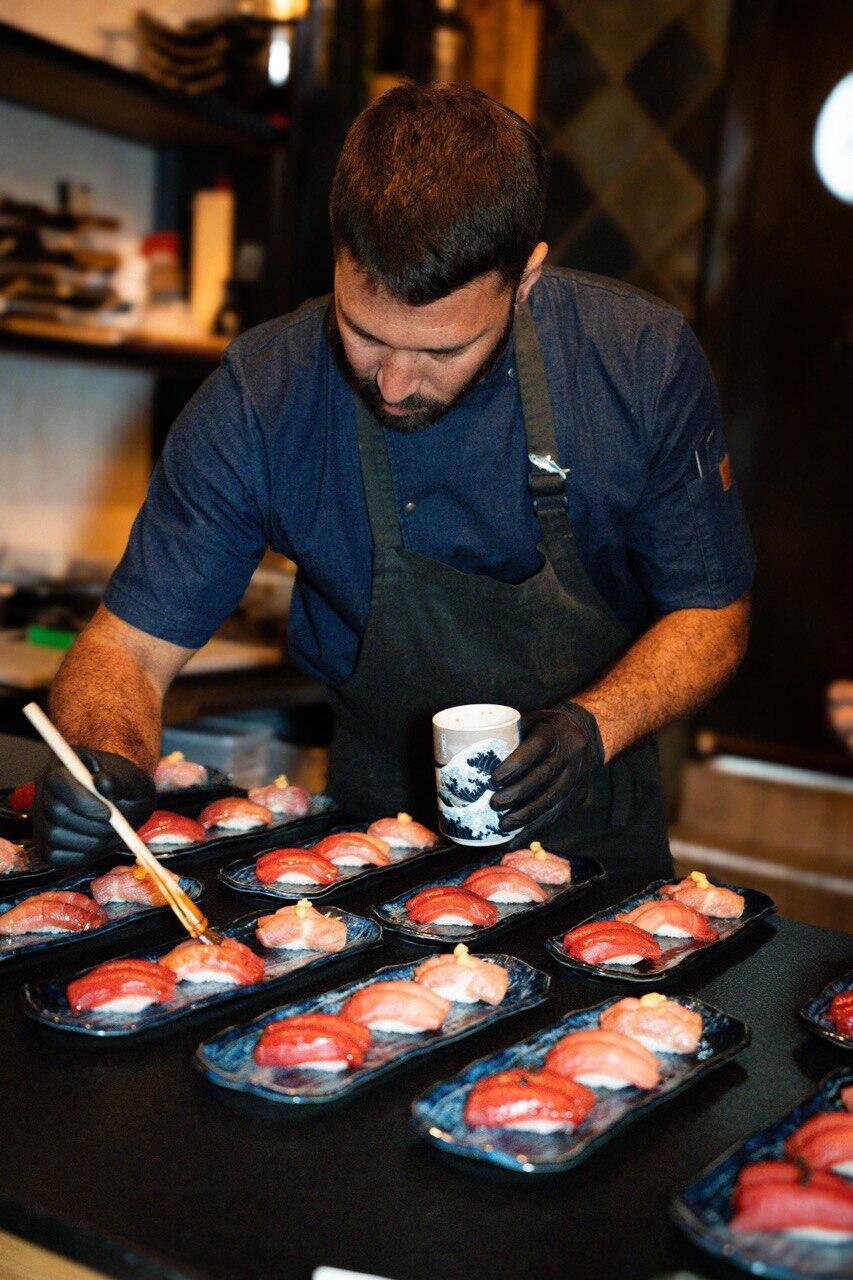
The war with Iran hit Ginsberg in the middle of tuna season. For about six weeks a year, bluefin tuna migrate along Israel’s coast and restaurants feature them in seasonal specials. Ginsberg takes it to another level: he buys whole tunas, sometimes weighing hundreds of kilograms, fillets them on-site and serves a 13-course tasting menu built entirely around the fish.
He’s done it for eight years straight. But when the war broke out, he was stuck with product like many other restaurateurs across the country—except he also had two full tunas weighing a combined 200 kilograms (440 pounds) in the fridge.
“This time of year is my holiday,” Ginsberg says. “Right at the peak of tuna season, the war broke out. Up until then, I was doing tuna pilot dinners twice a week. The missiles caught me at the absolute height—my fridge stocked for 500 people.
“I had two tuna ready to go and I was even thinking of opening another tasting date that week. That Thursday night we had regular service; we were prepping the fish for the weekend. There was great energy and I was creating new dishes—then came the slap in the face that night.”
Ginsberg is known for preparing for any contingency, in and out of the kitchen. At home, his safe room is stocked with a fire extinguisher, a rescue axe, buckets of water and blankets. He and his wife keep a go-bag with passports by the front door. They live with their two daughters (ages 7 and 9) and a dog in Beit Dagan.
“We’re on high alert. But by Friday morning, I was already thinking about the financial hit. I had foreign workers with no furlough option. Everyone was emotionally eating, so I decided to lean into that. I gave cocktails names like Cipralex and Clonex and sent out comfort food deliveries.”
The days were a rollercoaster. “It was pure mania. I’d prep the house and then rush to the restaurant to create new dishes. As soon as we were allowed to host 30 people, we opened up using the shelter in the neighboring building. I made a street food menu. Then the U.S. bombed Iran, the easing measures were canceled and everything fell apart again.”
(Photo: Mia Hilel)
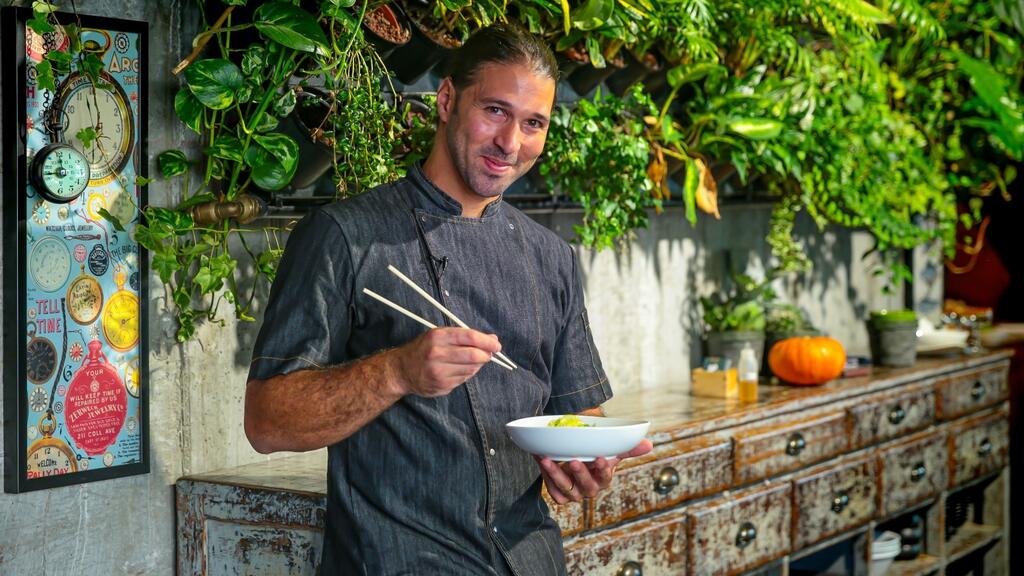
Two years ago, Ginsberg cut off his long ponytail, grew a beard and got back into Muay Thai. The 2025 version of Or Ginsberg is a far cry from the fresh-faced winner of Israeli reality show “Game of Chefs”.
'I can’t afford to wait for things to get better'
Security crises have reshaped the hospitality world—and him. He now owns three restaurants in Jaffa’s flea market: Selas, Cichukai and a private dining space called Omakase, along with an events catering service. But he’s far from at peace.
“When the war ended, we were expected to open up for 100 guests like nothing happened. I had no staff—they were either on reserve duty or with their families outside the city. I had no ingredients—suppliers weren’t delivering. I felt like I was going from one crisis to the next.
“I don’t remember being in this kind of state. Constant anxiety, on the verge of a panic attack, heart attack or stroke. Everything happens at once. It’s extreme. And this time, there was real fear for our lives.”
Ginsberg tries to cope with it all, but admits the stress is crushing. “I’m 100% invested in this business. One restaurant I had to completely clean out and start from scratch. Normally I go to the sea to relax—but not during war. I had to stay home and help my wife manage everything. I went back to training, Muay Thai and kickboxing. I needed to let out the stress somehow.”
Get the Ynetnews app on your smartphone: Google Play: https://bit.ly/4eJ37pE | Apple App Store: https://bit.ly/3ZL7iNv
He says he's neglected his health. “Being an owner-chef demands sacrifices that are hard to explain. I do everything—repairs too. I barely see friends, never have Friday nights with the family.
“I get home at 1 a.m. and wake up at 6:30 a.m. to take the girls to school because that’s the only time I have with them. Doesn’t matter how late I went to sleep—6:30 means I’m there. It’s been like that for years, six days a week. Sunday is my half-day off.”
Ginsberg with his trademark ponytail
(Photo: Yaron Brener)
Despite getting weekly offers to open new restaurants, Ginsberg declines. “I’ve been bleeding in this business for a decade. People come to me full of dreams and I tell them the truth. They see it in my eyes. This isn’t fun. This is hell. I don’t understand how any sane person chooses this.
“I could be the most talented guy, with the best suppliers, the best ingredients—but it’s not up to me. Every time I try to lift my head for a second, I get smacked and the restaurant closes. People don’t get what it means when the cash flow stops but you still have to pay last month’s bills. The stress is off the charts.”
With ongoing security tensions, people simply aren’t in the mood to dine out. “There were days I asked myself, ‘What’s the point?’ There were constant cancellations. People stayed home. If I were a young dad with a family, I wouldn’t go out either.
“I can’t afford to wait for things to get better. I have to reshuffle the deck every single time. I don’t have investors or oligarchs behind me. If I fall, I lose everything. I get offers to open places abroad, but what about the potential we have here? I’m back in survival mode.
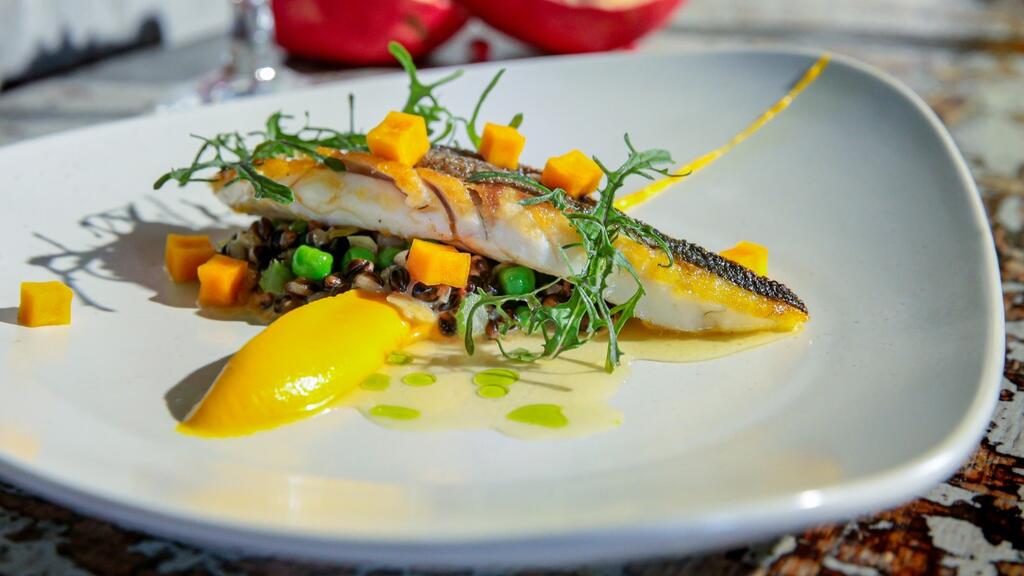
“People come from Jerusalem, Be’er Sheva and Metula and I feel like I have to give them the performance of a lifetime. My food has so much detail and effort. I hand-pick strawberry leaves to the exact size each week. And then suddenly—it’s all canceled overnight.”
Running restaurants in Jaffa hasn’t been easy these past two years. “Everything that happens in this country hits Jaffa hard. The flea market’s empty. The Tel Aviv Eat event, for example, blocked access to Jaffa and we saw a 30% drop in business the whole time. Institutions are closing. People are losing their shirts, even the big-name restaurateurs.”
Asked how he supports his family in this climate, he says: “As the owner, I’m the last one to draw a salary. If I worked as a chef or consultant elsewhere, I’d make three times what I take home now.
Selas
(Photo: Yaron Brener)
“I live in constant financial and existential anxiety. I sacrifice family, friends and health. Sometimes I ask myself—‘what’s it all for?’ I wonder when I’ll hit that moment where I say, ‘Enough.’ I want to do new projects, help other places, I still have dreams.”
He does have one partner—his father-in-law Yaakov, who is also his best friend. “He handles all the financials and business operations. I’m lucky to have him. He designed the spaces too. He’s the reason I can focus on hosting and cooking.”
As for the 200 kilograms (about 440 pounds) of tuna that started it all? “Some of it I used for deliveries. The rest went in the trash. A lot of friends and colleagues needed fish too, so I gave it to them.”
And the famous ponytail that used to define his look? “When the war broke out on October 7, I cut it off and went back to training. Something about my survival instincts kicked in. I realized I’d been neglecting myself for 18 years, since my active-duty service. So I went back into ‘combat mode’ and let go of the ponytail. It felt like shedding a decade of my life.”