

Look at your relatives’ kitchen counter, your favorite chef’s Instagram story or the shelves of restaurants you visit, and you will probably see them: colorful jars filled with bubbling vegetables. Home fermentation has become one of the hottest culinary trends of the year.
But behind the photogenic jars is a preservation method that long predates the refrigerator. What was once a practical way to keep food from spoiling has returned as a culinary craft, a wellness habit and a surprisingly addictive kitchen hobby.
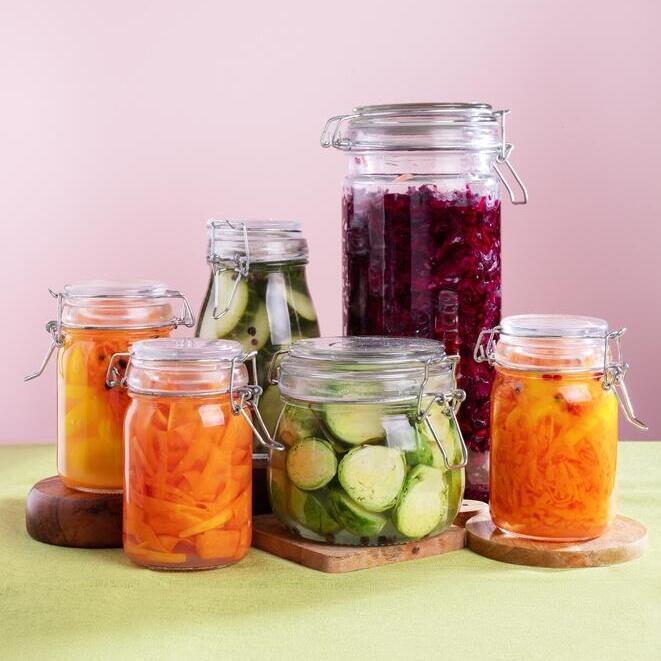
Fermentation has accompanied humanity since ancient times. In lactic fermentation, beneficial bacteria, known as lactobacilli, break down the natural sugars in vegetables and turn them into lactic acid. That acid helps protect the food from spoilage and gives fermented vegetables their gently sour, deeply addictive flavor.
Unlike many industrial pickles sold in supermarkets, which often contain vinegar, sugar and preservatives, home fermentation creates a living food rich in natural probiotics and enzymes. These may support gut health, digestion and the immune system, though experts stress that fermented foods should be eaten in moderation as part of a balanced diet.
The beauty of fermentation is that almost anyone can do it at home. All you need are vegetables, a clean jar and a digital kitchen scale. Nearly any glass jar can work, as long as it is clean and can be sealed tightly enough to create an anaerobic environment, meaning one without oxygen, where the beneficial bacteria can thrive.
Almost anything can be fermented, from cucumbers and carrots to okra, corn and even unripe fruit. The main rule is to combine vegetables with similar textures, such as carrots and kohlrabi, and avoid mixing vegetables with very different levels of crunch, such as carrots and cucumbers.
To ferment successfully, the recommended salt range is generally 1% to 3% of the total weight. One simple method is to weigh the jar with the vegetables and water, subtract the weight of the empty jar, and multiply the result by 0.03 to calculate a 3% salt level.
Another method is to weigh only the water added to the jar, in which case the salt should be 5% to 8% of the water’s weight. For example, for a 7% brine, multiply the water weight by 0.07.
The key is to keep the vegetables packed tightly and fully submerged under the liquid line. The jar should be sealed well, and during the first three or four days it should be opened briefly once a day to release built-up gases.
What should you watch out for?
The biggest mistake beginners make is treating fermentation as guesswork. If the salt level is not accurate, harmful bacteria may develop instead of the friendly ones.
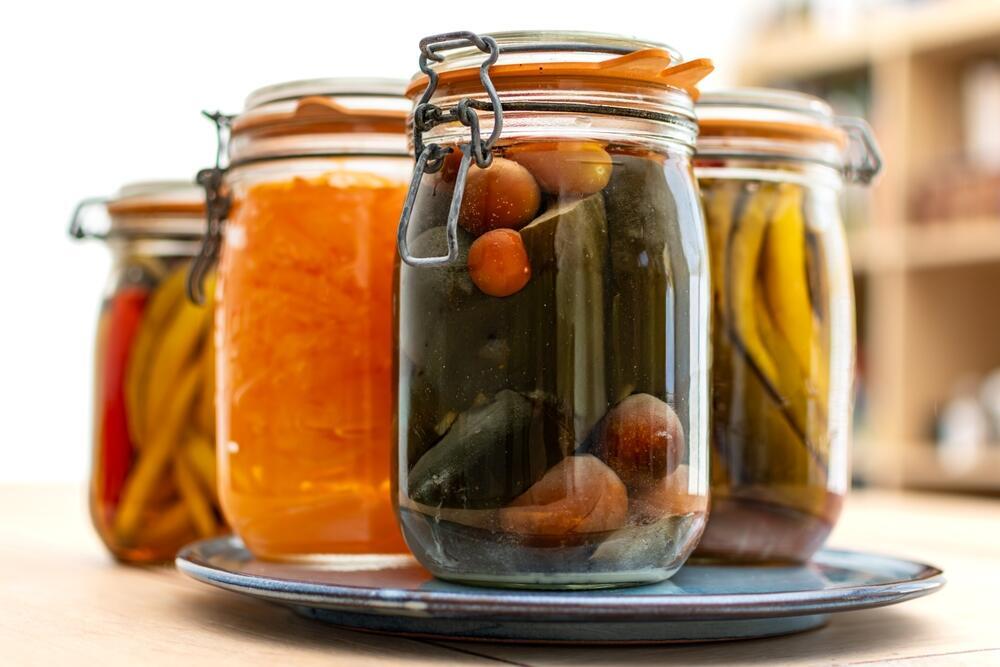
“The trend is gaining momentum.” Fermentation
(Photo: Reflexpixel / Shutterstock)
Oxygen is another risk. A poorly sealed lid, or vegetables floating above the liquid and coming into contact with air, can lead to mold or to a white layer of kahm yeast. It is not dangerous or toxic, but it can affect the texture and quality of the vegetables. In short, accurate measurements, a sealed jar and vegetables safely submerged under the brine are the keys to a successful, healthy ferment.
To better understand the tradition behind the trend, we spoke with Dr. Uri Mayer-Chissick, an expert in local culinary traditions, a food historian and director of the Center for Health Leadership in Neve Eitan.
What is fermentation, in simple terms?
“Fermentation happens when microorganisms break down organic matter,” he says. “It is a process that happens around us all the time and almost everywhere, on the ground and on plants. The difference between spontaneous fermentation in compost or nature and intentional food fermentation is that with food, we control the process in different ways.”
Mayer-Chissick says his connection to fermentation grew out of his research into the history of medicine and nutrition. “I deal with traditions and the ways people prepared or processed food throughout history,” he says. “One of the most significant and central ways of processing food was fermentation. It developed around the agricultural revolution to serve two main needs: preserving food over time and making food easier and more friendly for our digestive system.”
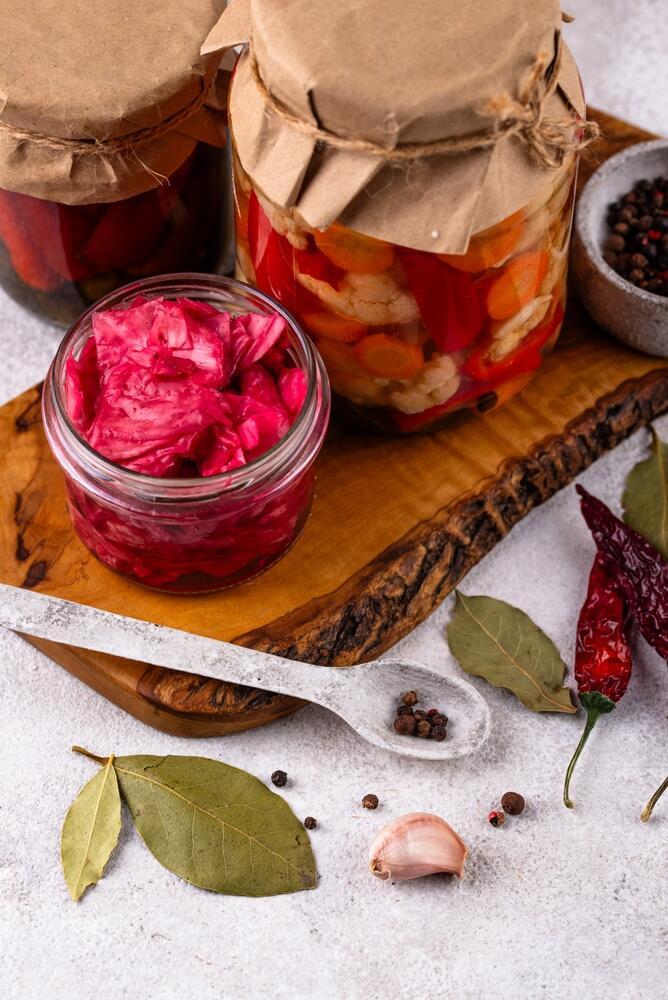
Fermentation
(Photo: Yulia Furman / Shutterstock)
So why should everyone keep a bubbling jar on the counter?
“First, because it adds new and interesting flavors to our food, which can be used in stews, salads and many other dishes,” he says. “Beyond that, it is something we create ourselves. Today we are used to buying ready-made food at the supermarket, but to care for our soul, we need to touch food, process it ourselves and create something nourishing when we know exactly where it came from. It gives us a traditional skill that people practiced for thousands of years.”
He says the current craze is not accidental. “The more distress we are in, the more we turn to places of food security,” he says. “Food processing, especially traditional processing, gives us a sense of home and safety. The current craze began during the COVID period, when we wanted security and everyone was making sourdough bread, which is also fermentation, and fermented vegetables. This trend is only growing now, when we are in a very big crisis.”
What is the biggest difference between homemade fermented vegetables and supermarket pickles?
"Home-fermented food contains no preservatives or industrial processing and is not pasteurized or sterilized. “It is living material,” he says. “Because it is alive, it is constantly developing and changing. Its flavors deepen and its quality continues to develop and improve.”
What is the most common mistake you see beginner fermenters make?
"One common beginner mistake is sterilizing jars. When fermenting vegetables, there is no reason in the world to sterilize the jar,” he says. “We want and are looking for bacteria. The jar needs to be clean, of course, but it does not need to be sterilized.
"The most important rule, where people often fail and cause spoilage, is when the jar is not sealed well enough, for example when using a plastic lid or a lid that does not create a complete seal.”
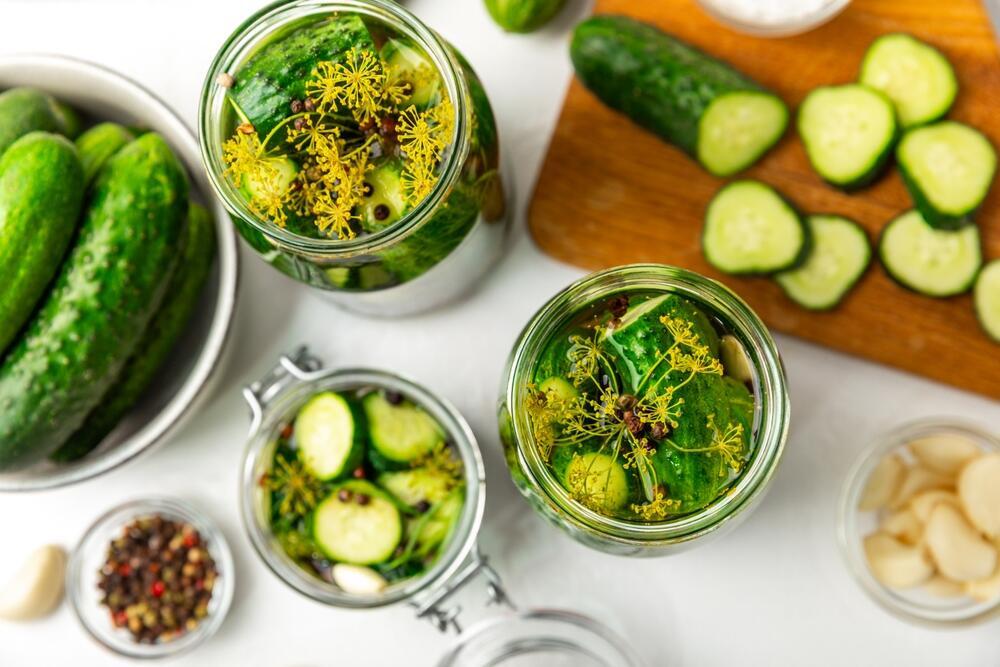
'Don’t be afraid, and be patient'
(Photo: Avocado_studio / Shutterstock)
A failed fermentation, he says, is usually obvious. “You know fermentation has failed if it develops rot and has a clearly rotten smell or taste,” he says.
If a white layer of kahm yeast forms in the jar, can the ferment be saved, or does it need to be thrown out?
“Don't throw it,” he says. “You can remove that layer. If it is a very small amount, it is not significant and can even be mixed in. If there is a large amount of kahm yeast, you need to pay attention, because in 99% of cases it happens because the jar is not completely sealed. It does not affect the taste or quality of the vegetables.”
What is the most surprising or interesting ingredient to ferment at home?
“There are so many interesting things you can make, but the most surprising is fresh corn kernels. You simply remove good, sweet corn kernels straight from the cob and ferment them in brine,” he says.
What is your golden rule for beginners?
“Do not be afraid, and be patient. Also, as I said, the most important rule is to make sure your jar is completely sealed. When it comes to salt quantities, it depends on exactly what you are making, but the practical tip is to use a scale. Do not work by eye or by teaspoons. Weigh the ingredients properly and do not underestimate precision.”
How much should you eat?
To understand the health benefits and the risks of fermented foods, we also spoke with Dr. Sigal Frishman, national dietitian for Clalit Health Services.
What makes homemade fermented foods a “superfood,” and how do they actually affect our digestive system?
“I don't like the term ‘superfoods’,” she says. “Fermented food is part of dietary variety. You cannot eat only that and stay healthy forever. What is good about fermentation is that the process creates probiotic bacteria that temporarily enrich the variety and quantity of bacteria in the gut. Studies show that healthy people consistently have a greater variety and higher quantity of bacteria, and that abundance has been shown to reduce inflammatory markers in the body.”
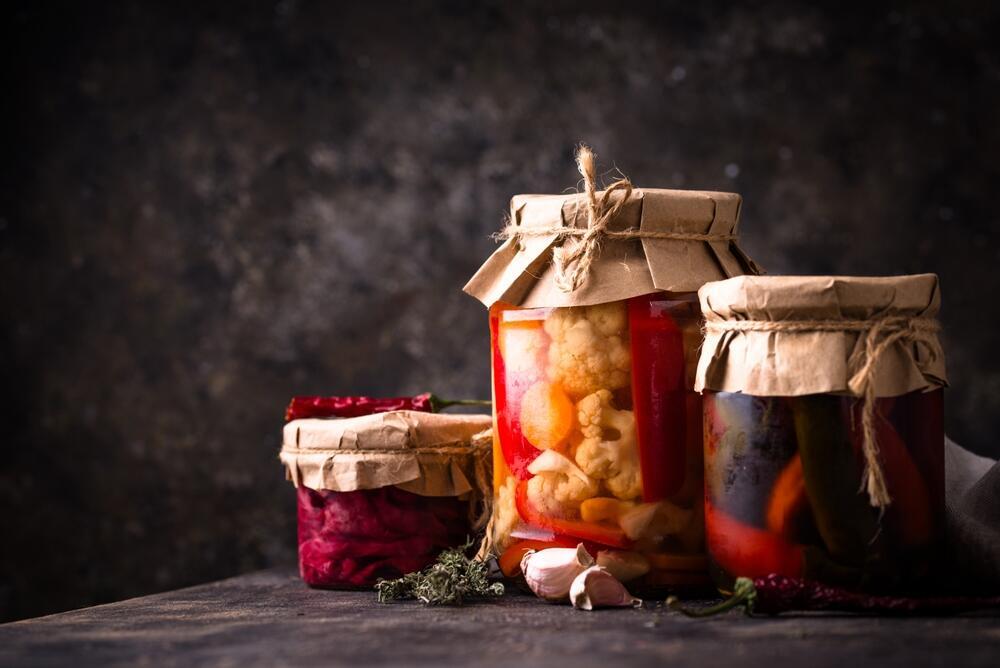
(Photo: Yulia Furman / Shutterstock)
Fermentation can also make some foods easier to digest, she says. “In fermented yogurt, for example, lactose is absorbed better because the bacteria break it down,” she says. “The same is true for legumes. People who suffer from gas and stomach pain from lentils, chickpeas and beans may feel fewer side effects if they eat them alongside fermented vegetables.”
And are the probiotic bacteria in fermented foods really more effective than the supplements sold in pharmacies?
“In the digestive system, especially in the colon, we have trillions of microorganisms and more than 1,000 strains of bacteria,” she says. “The more types we have, the higher our chances of being healthy.
"A probiotic capsule contains at most seven strains, so we prefer to build the bacterial population through food, which brings many more types. Fermented vegetables contain many strains, far beyond the seven in a pill, and that is why they are preferable.”
Still, she stresses, variety matters. “I am not in favor of consuming only fermented vegetables,” she says. “You need to diversify all the other foods that contain fiber to create more types and quantities of bacteria in the gut.”
Is there a recommended daily amount of fermented food to eat?
There is no official recommended daily amount of fermented food, she says, but it can be included regularly as part of a healthy diet.
“It is not that the more you eat, the better,” she says. “We do not want only these types of bacteria. It is definitely advisable to include fermented foods in the daily menu as part of an overall healthy diet. Beyond vegetables, yogurt and kefir are also excellent products containing bacteria from the bifidobacterium family, one of the healthier families. My recommendation is to eat them daily, but to vary the type each time.”
When can home fermentation become dangerous?
“In principle, when there is real mold in the jar, it is not recommended to eat from it, and removing only the top layer is not enough,” Frishman says. “Some mold is made up of unwanted fungi that are not always visible, and they are not healthy for us.”
Are there any groups, such as pregnant women or people with underlying health conditions, who should avoid fermented foods?
“There is no problem consuming fermented vegetables and yogurts during pregnancy. It is even very healthy,” she says.
“The only group I would recommend avoiding them is people with an extremely weakened immune system, such as organ transplant recipients taking anti-rejection medication.”