

Sometimes it grows out of a chef’s personal religious journey. Sometimes it is simply a cold, calculated business decision. Either way, a “kosher-style” movement has been quietly taking shape in Israel, a new restaurant genre flourishing here, a country with a complicated relationship with kashrut and Jewish law, alongside a broader move toward Jewish tradition in recent years.
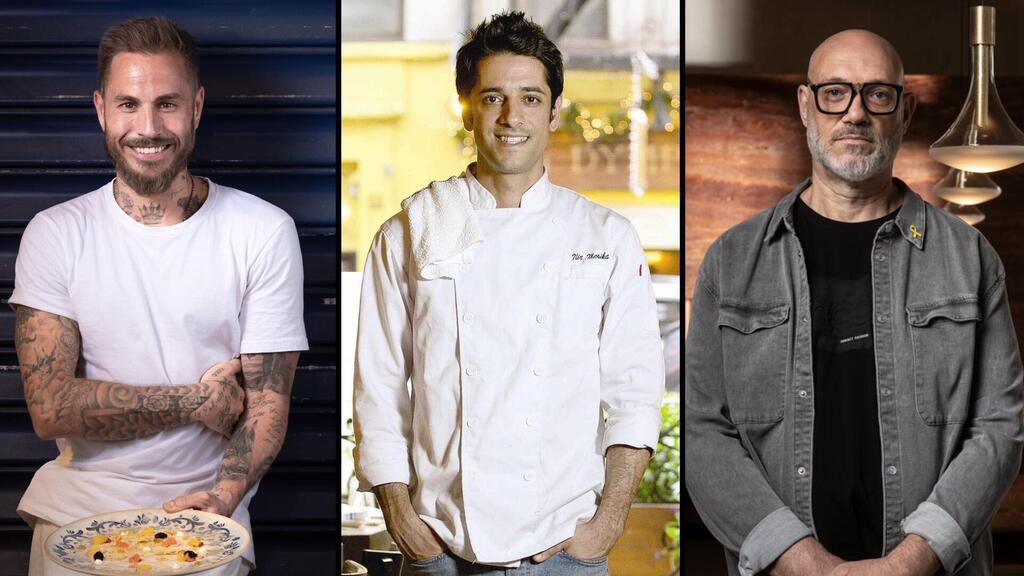
The concept, which emerged in Jewish communities in the U.S. in the last century, can now be found in some of the busiest, most sought-after locations in central Tel Aviv. Everyone wants kosher-style, the solution that lets restaurants operate in a gray area. It reflects a matter-of-conscience dialogue with Jewish identity, while also speaking to a restaurant’s bottom line and cash flow.
The term “kosher-style” refers to restaurants that do not hold official kosher certification from Israel’s Chief Rabbinate or the Tzohar organization, but still operate according to kosher kitchen rules. They buy kosher meat, keep meat and dairy separate, close before Shabbat begins, yet function without formal supervision or an official stamp.
A restaurant may look and run like a kosher establishment, but there is no certificate in sight. It may not suit strict kosher observers, and it does not claim to, but it has become an ideal solution for many Israelis who keep kosher and want a broader culinary selection.
And it is happening at small restaurants and among top chefs alike. Chef Moshik Roth, for example, has not been immune to the trend. A few months ago, he made a bold move, removing meat entirely from the menu at his restaurant Moshik&, a step that allowed him to tighten the concept and offer a kosher-style track that respects the basic rules of a kosher kitchen. Seafood, for now, remains on a separate part of the menu.
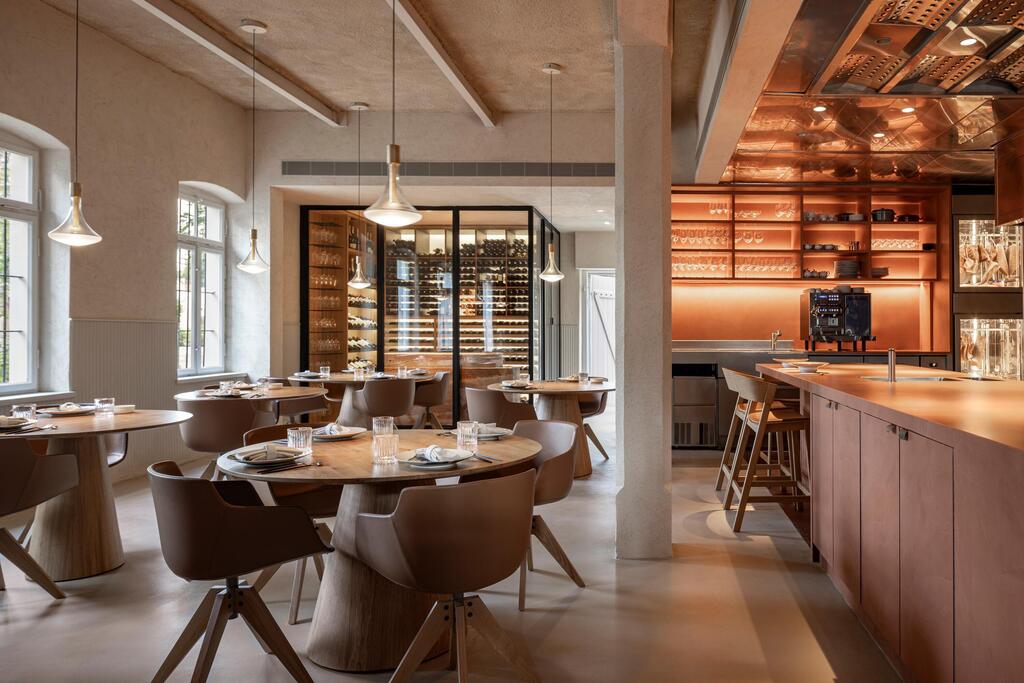
Moshik Roth's Moshik&
(Photo: Amit Geron)
“Basically, there is no such thing as kosher-style. There is either kosher or non-kosher; there is nothing in between,” Roth says. “But there is also a whole generation that grew up in traditional homes and eats at restaurants that serve non-kosher food, while personally eating kosher because that is how they were raised. Those people love good wine, food and going out. It is a big audience, and I asked myself, why not take them into account too? Kosher-style does not hurt my cooking. Yes, I recently removed meat from the menu, and once I am not serving meat, I have already solved a large part of the problem.”
But you kept the seafood.
“That is true, we do have seafood at the restaurant, but in the kosher-style track I focus on fish and vegetables. Today, to me, there is no difference between someone who eats kosher-style and someone who says they are allergic to seafood. From my perspective, it is the same thing, so why not give kosher diners that option? Twenty-five percent of our guests ask for the no-seafood track. For now the seafood stays. I grew up on seafood, and for me it is a must on the menu.”
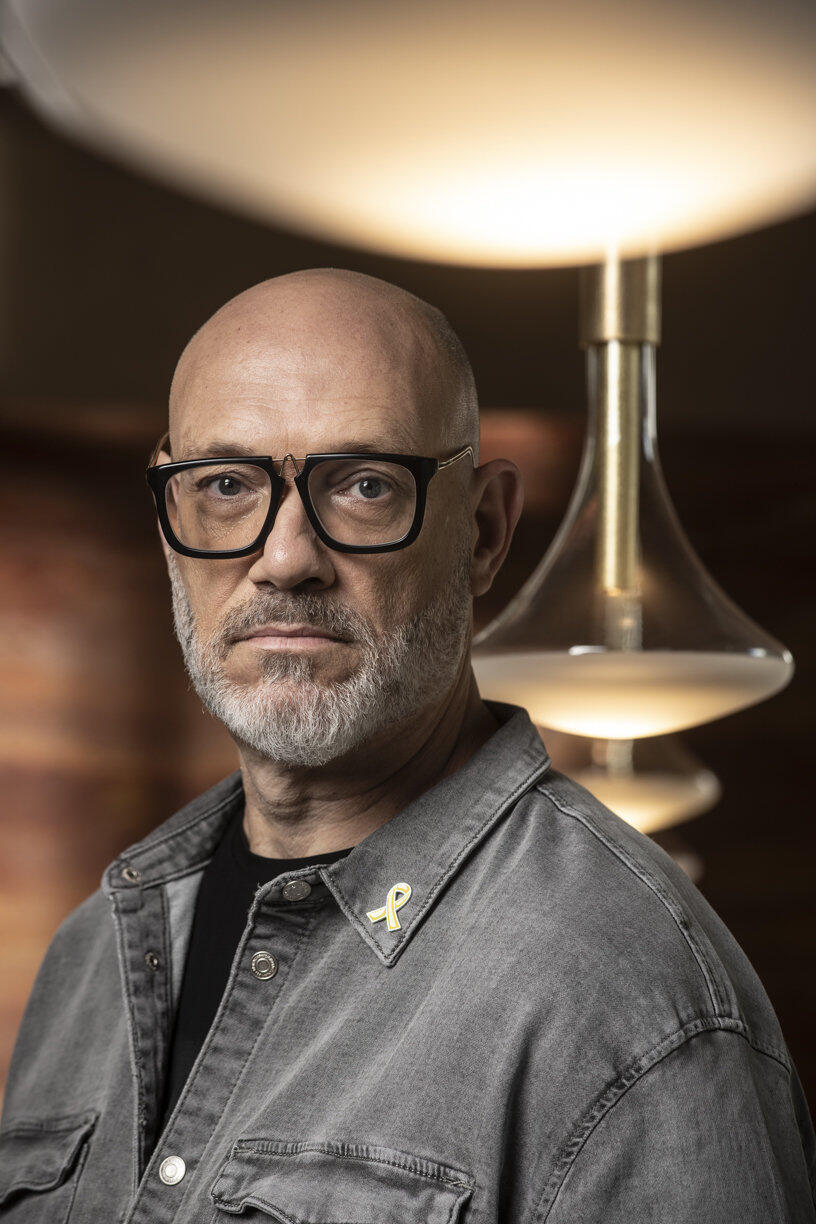
Chef Moshik Roth
(Photo: Ilya Melnikov)
But what about Friday and Saturday? You are closing on the strongest nights of the week.
“Friday, Saturday and Sunday I have always been closed, even when I had my restaurant in the Netherlands. Two or three days of rest a week are essential for the body and soul. It is not just about me; first and foremost, it is rest for my staff, allowing them to recharge. That rest gives health to everyone around the restaurant, and that is how the cooks arrive on Sunday full of motivation, after recovering from an intense week and having time to enjoy themselves. I also close on Passover because I want my staff to have fixed times when they can truly take a break. These are important things that have nothing to do with religion.”
And what about revenue?
“You should figure out how to make guests come on Sunday and Monday instead of Friday and Saturday. Fortunately, my restaurant is small. I serve 20 guests per service, not 100. We work around the clock to be excellent, and the restaurant is full even without Friday and Saturday.”
× × ×
Chef Tom Aviv first entered the kosher-style world at his restaurant in the United States, Branja. He says he first heard the term in Miami five years ago.
“At first I did not understand what it meant, because in Israel it still was not common,” he recalls. “That restaurant’s menu included meat dishes, the meat was kosher, and there were also dairy dishes that were not served in the same utensils, and we called it kosher-style.
"I discovered there was enormous demand for it, because Israelis in the U.S. are looking for places that serve kosher meat, and that is what matters to them, not necessarily the certificate. For strict people, it will not work, but there are many people for whom it does.
"Observant Jewish diners are open enough to accept it, and people who accept kosher without a certificate may also sometimes accept a kosher restaurant that operates on Friday and Saturday. For some people, kosher-style solves the dilemma. For me as a chef, removing seafood and pork from the menu is not a major sacrifice. You can make excellent food without seafood.”
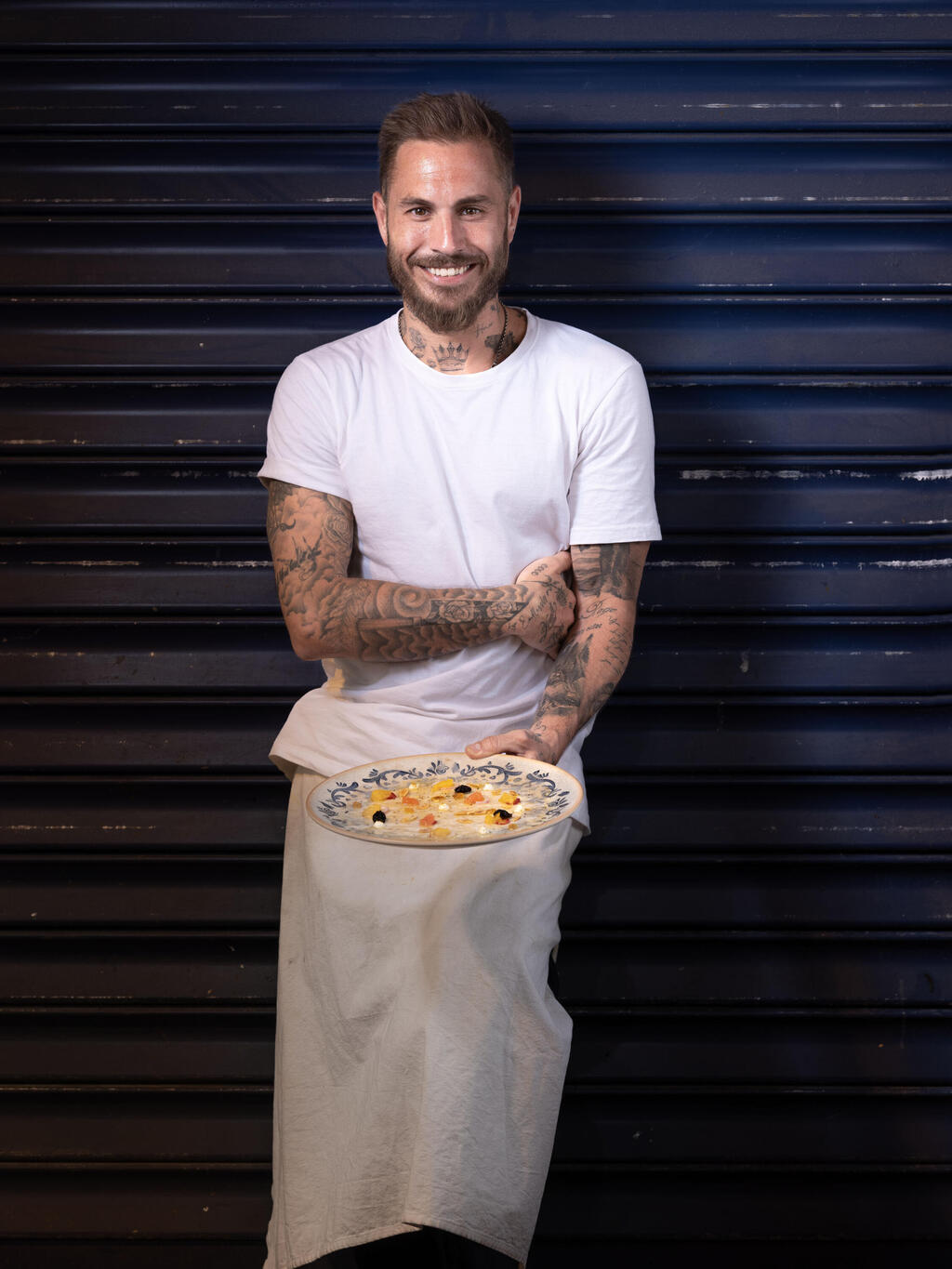
Chef Tom Aviv
(Photo: Yuval Chen)
So is kosher-style really the ultimate solution, both for restaurateurs and for kosher diners?
“It is not always economical, because there are restaurants whose main income comes on Thursday and Friday, and you do not pay less rent or municipal taxes if the restaurant is closed on Friday and Saturday; also the retainer for your accountant and publicist is the same. A kosher-style place that stays open on Friday and Saturday might be one answer, but the audience has to trust you. A lot of restaurants are afraid to become kosher or kosher-style because they do not want to give up Friday and Saturday. I opened a kosher burger place recently, and most people who ask if it is kosher also expect to see a certificate, some kind of proof.”
And in the future, do you think you will adopt a kosher-style again?
“I am thinking about it and struggling with that question. If I go with a kosher menu without seafood, can I afford to be closed Friday night? Most of the time, the answer is no.”
But not everyone fears losing the prized weekend slot. Restaurateur and businessman David Tur has become one of the clearest examples of how strong demand can be. There is not much left that can surprise Tur. As the owner of numerous restaurants, bars and nightlife venues in Tel Aviv, he thought he had seen almost everything, until he opened Fifty&one a little more than two years ago in the heart of Nahalat Binyamin, a dairy pasta restaurant that at the time was kosher-style and closed on weekends.
In less than two months, the tiny restaurant was packed, reservations exploded, and it was nearly impossible to find a seat. Very quickly, Tur understood the enormous potential of the concept, which was new to him at the time, serving kosher-style dishes in an area that offered almost no options for kosher diners. A few months after opening, he expanded the restaurant to meet demand, but even after it nearly doubled in size, it was still almost impossible to get a table.
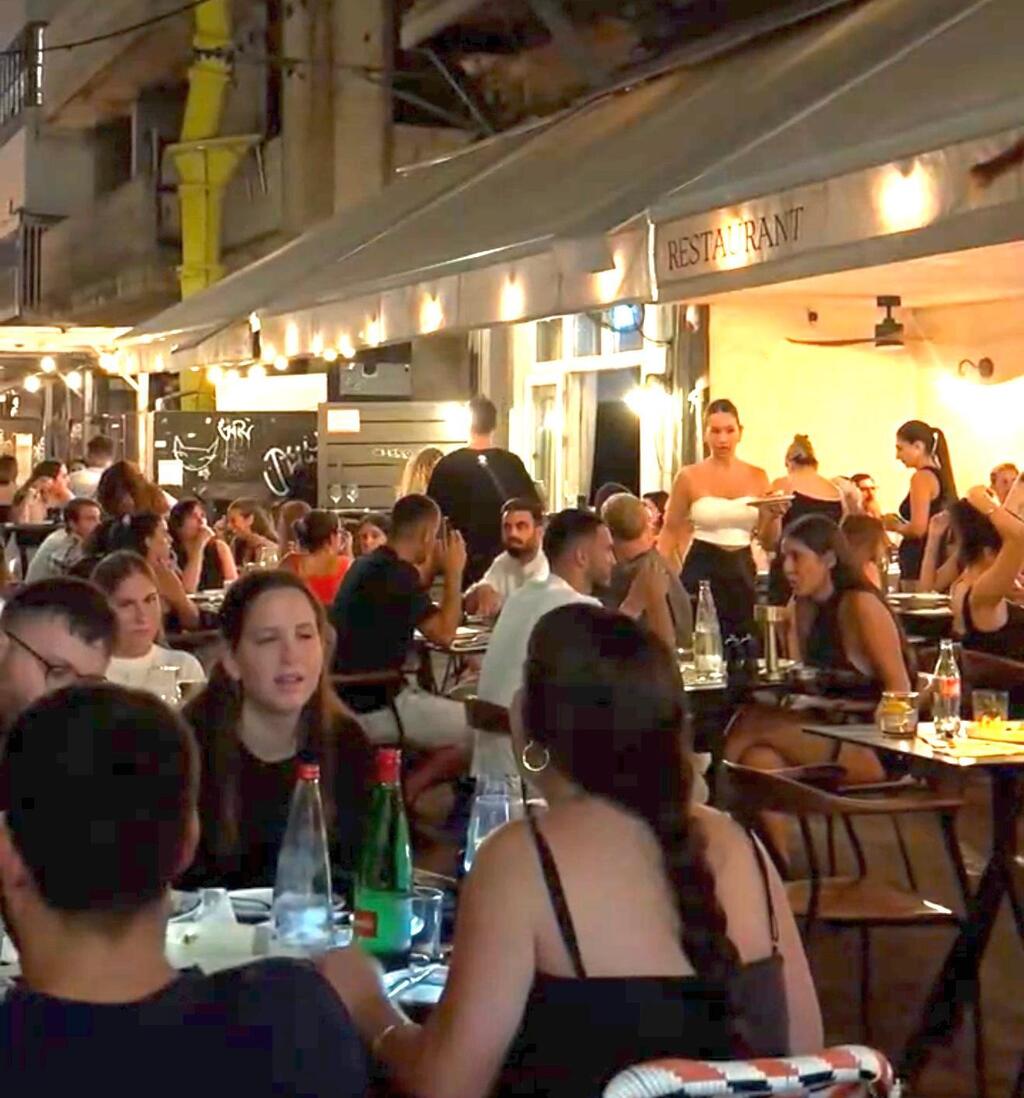
Fifty&one on Nahalat Binyamin
(Photo: Adi Dar)
“I was very surprised by the huge demand for this in Tel Aviv,” Tur says. At the height of the restaurant’s success, he decided to turn Fifty&One into an officially certified kosher restaurant under the Rabbinate.
“The decision to move from kosher-style to kosher with a certificate came from a business consideration. In the summer, the courtyard behind the restaurant will open for events, and it is planned as a kosher meat venue. Once you are dealing with events, kosher status becomes essential,” Tur explains.
What is so good about kosher-style?
“A lot of things. First of all, employees do not like working weekends, and this way they are off, and it is much easier for us to make the schedule because everyone has Friday and Saturday free. Also, on weekends workers get paid double, so with kosher-style you do not have that because everyone is off. And for me as an owner, I also get weekends off from the restaurant, which gives me peace and quiet.”
But what about Friday and Saturday revenue?
“Nahalat Binyamin is a nightlife street, and on Friday evening people barely go out for dinner there. The street fills up relatively late, so the only real economic loss for us is Saturday lunch. In restaurants that are purely nightlife venues, it is hard to give up weekends because there is real money to lose. But in a kosher restaurant, people come primarily to eat and less to party and drink alcohol, so in that case it is easier to give up Friday and Saturday.”
What changes did you make in the move from kosher-style to officially certified kosher?
“Nothing changed. I see the work of the kosher supervisor, and nothing different is happening here. We sold the same thing without the certificate, and now we sell it with the certificate. Some people simply feel better when there is a certificate. On our end, we changed nothing. For a dairy pasta restaurant that does not serve meat, becoming kosher is not complicated. It is not a big deal, it just costs money, but it also brings in another segment of kosher diners and opens the door to events.”
Do you think you will adopt it as a concept again in the future?
“Yes. This was my first experiment in the world of kosher dining, and it clarified a lot for me going forward. I understood the principle, and I may have more restaurants adapted in this way for kosher diners. I am not an anthropologist, but 15 years ago there was not much demand for kosher food. It was not such a big issue then. This restaurant was an experiment in kosher food, and I plan to adopt the idea in other restaurants I intend to open.”
× × ×
For Dor Even, the chef and restaurateur behind Merloza in Tel Aviv, the original decision to go kosher-style came from one simple choice: he did not want to work weekends. “It was first and foremost for our life,” he explains. “I did not want a career that wipes you out.”
That choice led to a chain of decisions. A fish restaurant naturally fit the concept and also solved the problem of non-kosher meat. Once seafood was dropped, a whole package emerged: fish and dairy, no meat, no shrimp, no mixing, no work on Shabbat or holidays. “Suddenly we realized there was actually nothing non-kosher here, except that we did not have a certificate.”
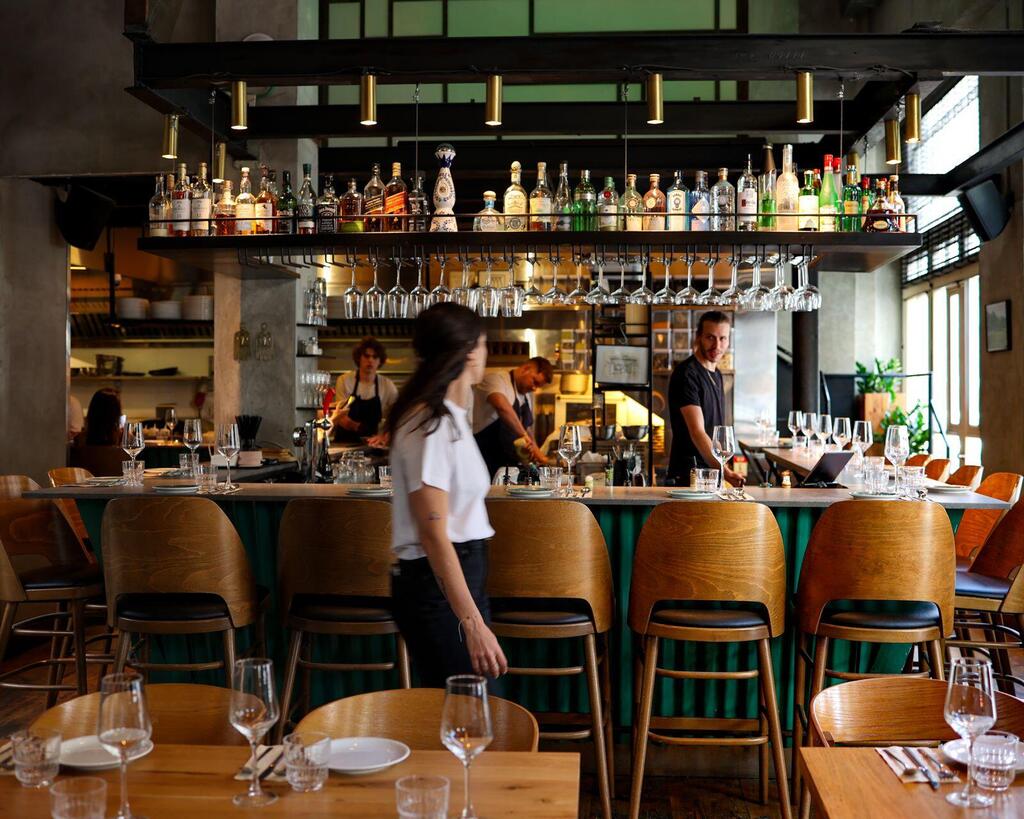
Chef Dor Even’s Merloza restaurant
(Photo: Own it)
At first, he admits, he did not fully understand the significance of the move. Only when the restaurant began filling up with a diverse crowd of religious and traditional diners did the full potential become clear, and Even decided to embrace it fully.
“There is a huge audience in Israel that is invisible. It is not an ultra-Orthodox crowd, they do not always wear kippahs, but they are observant and receive too little attention. It is a crowd that cares about knowing that shrimp was not grilled on the same grill as the fish, and that the place does not operate on Shabbat.
"I have many friends who are not religious in any way, but they do keep kosher, and they are comfortable coming to a restaurant where they know there is nothing non-kosher and it does not operate on Shabbat. We make sure to close on Friday on time and reopen after Shabbat ends.
"In winter it makes a significant difference, because Shabbat starts early, and we lose money because of it. When we started this, we did not fully understand what it meant, until suddenly we saw how much demand there was, from religious people, secular people and traditional people alike, each in their own way, all avoiding non-kosher food.”
When Even moved his restaurant from Carmel Market to Lilienblum Street, one of Tel Aviv’s main nightlife corridors, the kosher-style concept stayed in place, even though the area is especially busy on weekends.
“From a business standpoint, it might have made sense to open on weekends and bring back seafood, because we are at Herzl and Lilienblum, a strong entertainment area. But by then it was no longer a business issue but rather a way of life, and we decided to keep it that way.
"I want quiet on the weekends. I want to know that when the door closes Friday afternoon, that is it. When I close Friday afternoon, I am truly free until Sunday. No phone calls, no drama, no remote management, I am not dealing with a sick cook or a dishwasher who did not show up. As a business owner, knowing I have peace until Sunday is priceless.”
"That choice created a restaurant that is thoroughly Tel Aviv, yet one that manages to bring together people who do not usually sit at the same table: tourists, Breslov Hasidim, religious diners, secular diners and traditional diners.
So why do you not have an official kosher certificate? By every practical measure, you are kosher, and you are closed Friday and Saturday.
“Because the concept was not created to be kosher, but to live correctly. A kosher certificate comes with costs and bureaucracy, and it is also a statement that can drive away other audiences. I have no interest in entering the kosher market, even though there is a lot of money there and much less competition.
"There is a reason chefs are opening kosher restaurants; there is an audience for it. I am not a religious person, I did not keep kosher, and I am not strict about anything. This is simply my way of living, combined with the business understanding that there are very few restaurants like ours in this area.
"As for weekends, it is simple: if you are used to working seven days a week and bringing in money on weekends, then it is hard to give that up. But if weekend revenue was never part of your business financial flow, then you do not feel like you are losing it. If I were used to making 80,000 to 100,000 shekels every Friday and Saturday, I do not know how I would give that up.”
And what do you tell people who ask whether the restaurant is kosher?
“We do not have one perfect word that explains the concept, but we do have a short explanation. We say that we are fish and dairy, there is no meat, and we are closed on holidays and on Friday and Saturday, but we do not have a certificate.
"People ask us things like whether the vegetables undergo formal kosher preparation, and I say no. I explain that I bring in fresh vegetables that I wash myself because I do not want sand and worms in my food, but I do not buy produce from Gush Katif, as you are required to do when you have a kosher certificate.
"In the end, there is our own understanding of what is right for us to do, and we do not hide anything from our guests. We know we are kosher and the customers know we are careful, so if I give up seafood and do not open on Friday and Saturday, I open the door to many people who otherwise would never come into my business.
"Some people tell me they are not religious, but they do keep kosher and cannot eat just anywhere. I also understand from them that the certified kosher dining scene is not diverse or interesting enough. This audience is very large, much larger than people realize.”
Israeli American chef Einat Admony, of Balaboosta in New York, also once ran a kosher-style Moroccan restaurant called Kish-Kash. On a pillar by the kitchen she hung a sign in Hebrew that summed up the whole idea in two words: “kosher by choice.”
“There was no supervision over the kitchen and no rabbi bothering me,” Admony says. “I come from a religious family in Bnei Brak, I know all the laws of kashrut, and I wash vegetables the way my mother did, extremely carefully. It is a habit that stuck with me. I used to buy meat for the restaurant from an Israeli guy who sold glatt kosher meat, and there was no dairy in the restaurant. It was open on Friday and Saturday, but that is because with New York rent, it is almost impossible to keep a restaurant alive without working those days.”
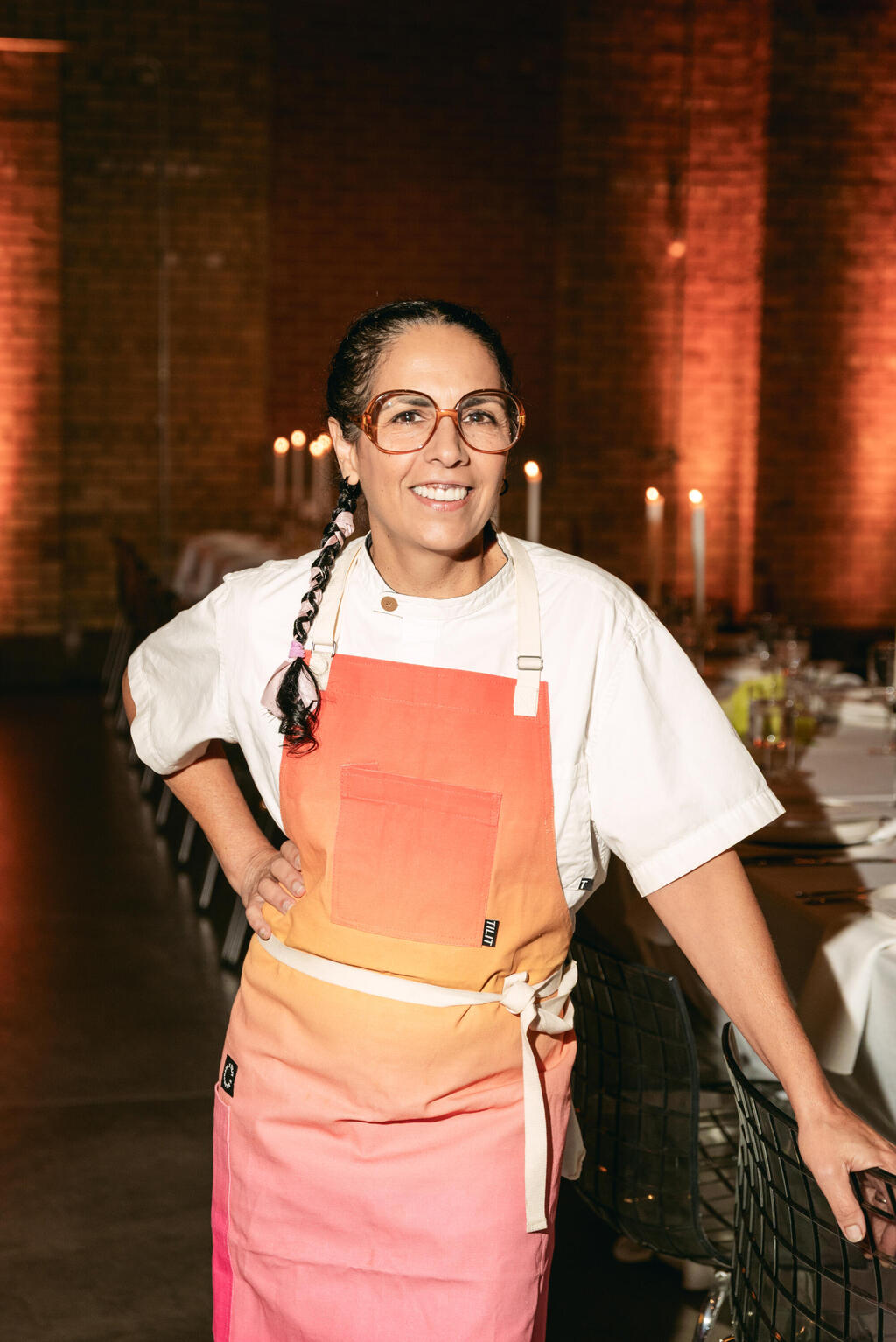
Einat Admony
(Photo: Paige Thompson)
Kosher meat is great, but for some people that still is not enough.
“Haredi Jews will not come to a place without supervision, but Chabad people in kippahs come to eat at my restaurant. They know I keep it, and that is enough for them. Even my mother, who is religious and from Bnei Brak, ate at my place, and many kosher diners come.
"I got a letter from my meat supplier showing that I bought kosher meat from him, and I hung it in the restaurant so people knew the meat was kosher and where it came from. Even today, I do events using the kosher-style concept. I recently had an event for 80 people who did not want a kosher certificate, as long as the meat was kosher. I have noticed lately that many events specifically ask for kosher-style, because it gives them more options and lets them work with more chefs.”
So why not open a fully certified kosher restaurant?
“No chance. I am not bringing in a rabbi and closing on Saturday, certainly not in New York, with that rent. I do a lot of events for the kosher world, and I see how it works with rabbis. You cannot turn on an oven without the rabbi supervising, or crack an egg without the rabbi, and there are herbs that the rabbis have to clean themselves. I do not want to deal with that. In Israel, people are either kosher eaters or not, but in the U.S. there are all kinds of communities. I have customers who keep kosher at home and have two sinks for meat and dairy, but outside the house they eat shrimp.”

Balaboosta in New York
(Photo: The Balaboosta Team)
× × ×
But the controversial and intriguing trend is not limited to Israel. Recently, chef Nir Mesika decided to turn his restaurant on the Thai island of Koh Phangan into a kosher-style establishment.
After a year in which his restaurant, Dao, served everything, Mesika decided to go in a new direction, not for business reasons but as part of a deep personal process. His mother’s death drew him closer to Kabbalah, and that led to growing discomfort with the shellfish on his menu.
“I started to feel that it was not right for me to cook non-kosher food and cause people to eat things that I myself am struggling to accept,” Mesika says. “This is not about Jewish law, it is about conscience. I do not want to do things that later cannot be atoned for.
"A friend told me recently that he ate octopus for the first time in his life at my restaurant, and that kept me thinking, 'Am I responsible for that? Am I the one who caused him to sin like that?' For 20 years I have been feeding people non-kosher food. Now it started to bother me. It made me feel uncomfortable.”
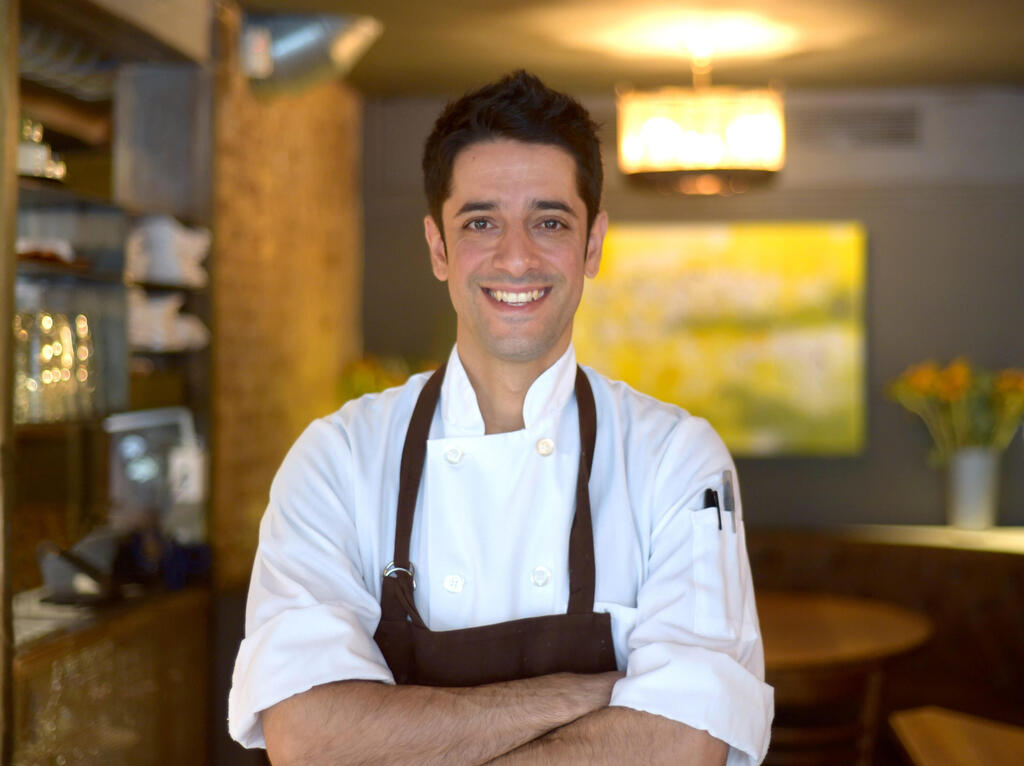
Chef Nir Mesika
(Photo: Michael Tulipan)
Mesika was already well acquainted with the kosher-style model from New York, where he had often worked with kosher-style menus at events for foundations and charitable organizations, where no pork or seafood was served. Now he has brought that formula to his chef’s restaurant, serving a dairy kosher-style menu with fish, dairy desserts and kosher wine from Israel alongside non-kosher wine.
“We were closed on Friday and Saturday anyway, so this concept makes people feel comfortable and happy,” he says.
Dao on Koh Phangan is not officially kosher, but it operates according to clear principles: no pork, no seafood, no mixing meat and dairy, and closed on Friday and Saturday. Meat has disappeared from the menu, also for quality reasons, because on Koh Phangan it is impossible to obtain kosher meat that is not frozen. The desserts remain dairy, and as far as Mesika is concerned, the restaurant’s culinary identity has not suffered.
The new concept has also spilled over into Mesika’s personal life. He is now trying, in his own way, to observe Shabbat. He does not drive, does not go out, does not work, stays home with his family and daughters, and eats food kept warm on an electric hot plate.
“The decision to become kosher-style did not come from a business calculation, but the transition has not hurt occupancy, quite the opposite. We are in the first stage of serving under the kosher concept, and the restaurant is full and reservations keep coming in. I did it for myself,” he says. “And I am at peace with it.”
First published: 05:27, 04.26.26