

In the world of dieting and nutrition, certain foods are often described as ‘free’ foods. These are foods you can eat in high volumes while adding very few calories to your daily intake and usually without gaining weight. The secret lies in their extremely low calorie density, meaning very few calories for a large volume, along with high water content, dietary fiber and nutrients that fill the stomach and promote long-lasting fullness.
These foods are not truly zero-calorie, since no real food is, but they are so low in calories that you can eat large portions without hindering weight loss. In fact, they can actively support it by increasing satiety, reducing unnecessary snacking, improving hydration and supplying vitamins and minerals without excess calories.
The concept is rooted in approaches such as the Volumetrics diet developed by Dr. Barbara Rolls, which emphasizes eating larger volumes of low-energy foods to feel fuller, reduce hunger and consume fewer calories overall without strict counting.
Of course, additions matter. Once you add oil, heavy sauces or sugar, the food is no longer unlimited. But when eaten in a simple, natural form, these foods can be enjoyed generously. Recent studies show that people who switch to such foods eat about 50% more by weight while consuming hundreds fewer calories per day, supporting healthy and sustainable weight loss.
Here are five of the best options, based on dietitian recommendations and research.
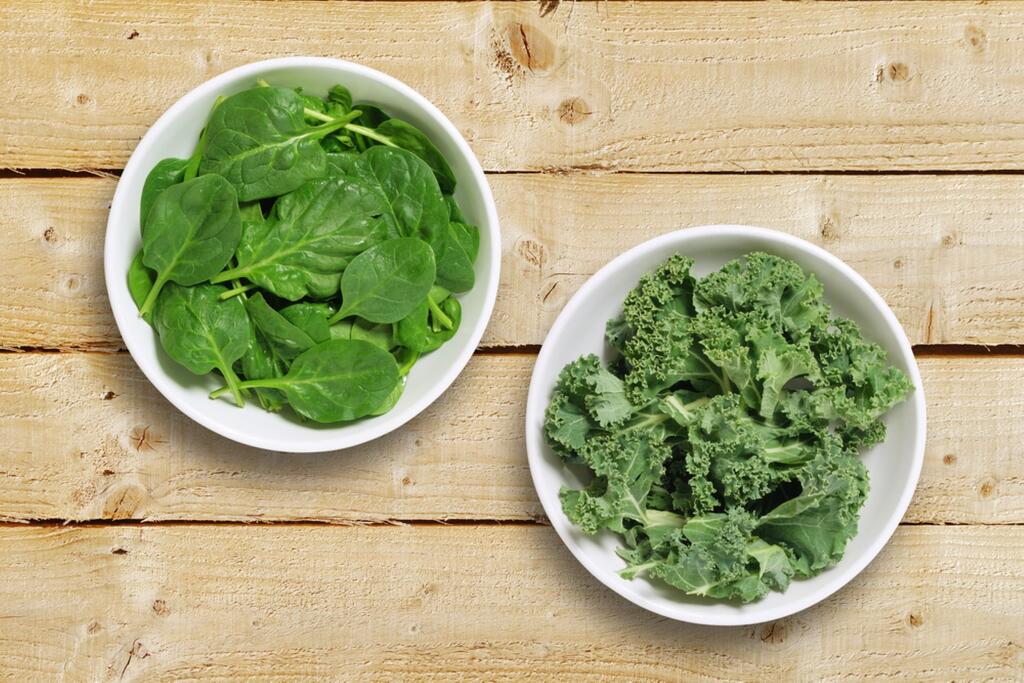
Leafy green vegetables (spinach, lettuce, kale, arugula, chard)
One cup of fresh spinach, about 30 grams, contains just seven calories. You can eat a massive salad weighing 500 to 800 grams for only 150 to 250 calories and feel full for hours. Leafy greens are rich in vitamins A, C and K, as well as iron, calcium, magnesium and fiber. They support digestion, immunity, bone health and vision. In Israel, they are inexpensive and fresh year-round, making them ideal for filling your plate.
Tip: Eat them raw with vinegar or lemon without oil, lightly steamed, gently sautéed or added to soups.
Cucumbers
One medium cucumber contains about 15 to 20 calories and is roughly 95% water. You can snack on three to five cucumbers, or more, without guilt. They are refreshing, filling thanks to their volume and water content, and help support natural hydration. Perfect as a snack, in salads, as low-calorie pickles without added sugar or even sliced thin like chips. They are also a good source of potassium, which supports healthy blood pressure.
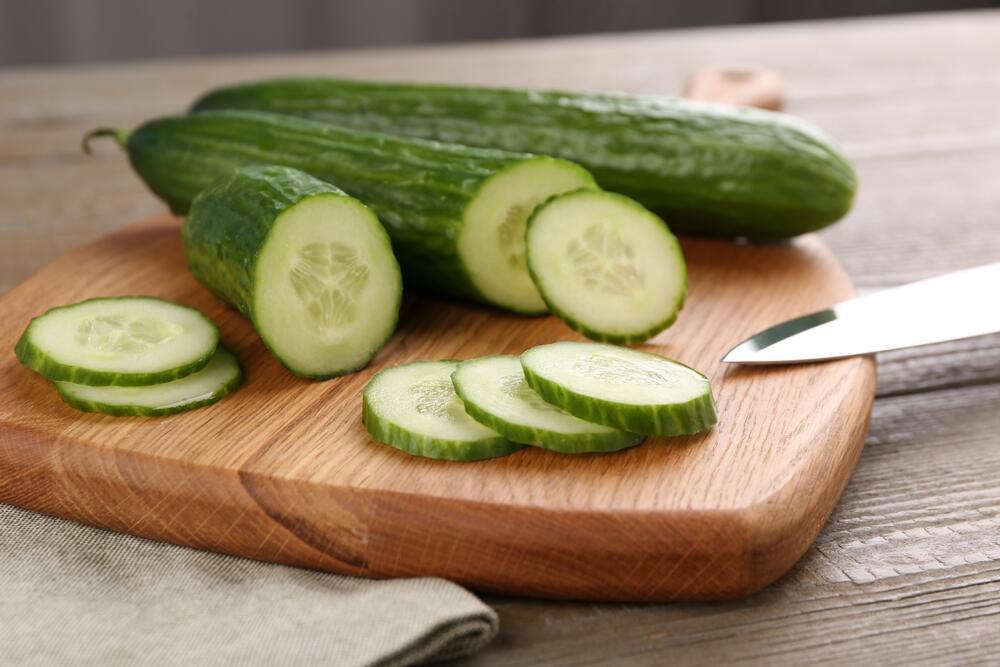
Cucumbers
(Photo: Shutterstock)
Broccoli and cauliflower
One cup of chopped raw broccoli has about 31 calories, while a cup of cauliflower has about 25. This means you can eat a very large bowl steamed, baked or cooked, without oil or butter, for just 100 to 200 calories. At the same time, you get plenty of fiber, vitamin C (more than in many citrus fruits), vitamin K and powerful antioxidants. Both are highly filling, help regulate blood sugar levels and reduce inflammation. Try cauliflower "rice" or a large broccoli salad.
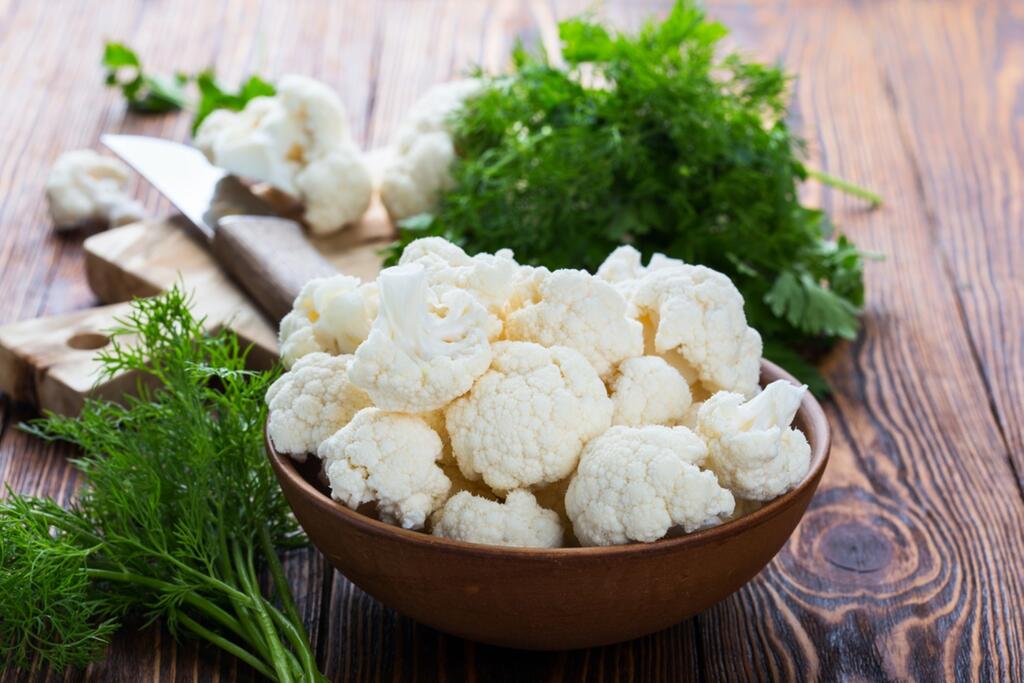
Cauliflower
(Photo: Shutterstock)
Bell peppers (red, green, yellow)
One medium bell pepper provides about 25 to 30 calories and a large dose of vitamin C, even more than an orange. Slice them into strips and snack on them like vegetable chips, add them to salads and soups or stuff them with other vegetables. Their natural sweetness and crunch make them highly satisfying yet diet-friendly. They also contribute to skin health and immune support.
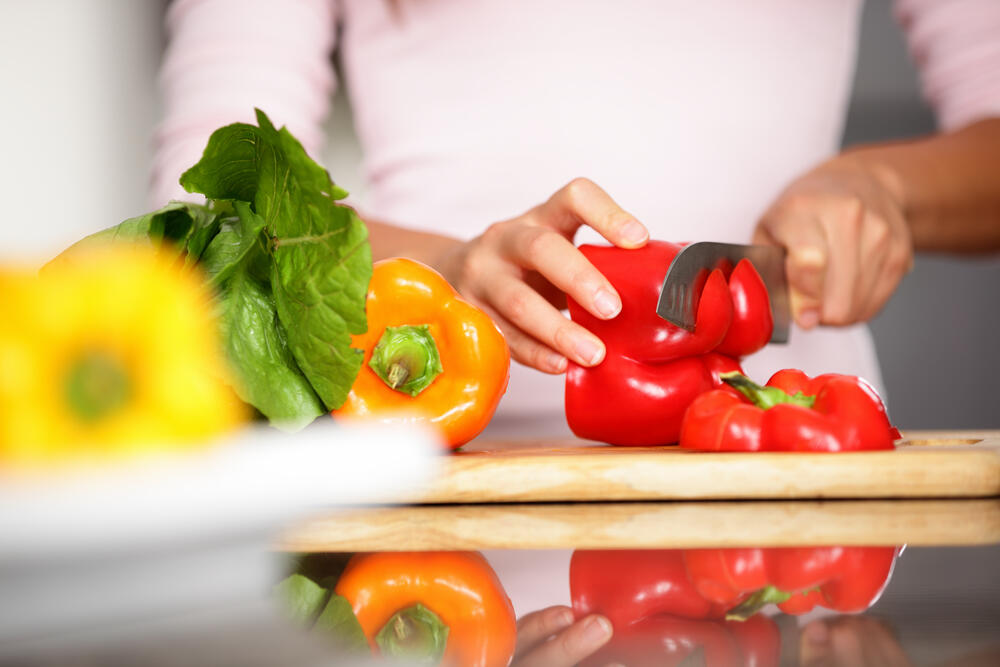
Bell peppers
(Photo: Shutterstock)
Watermelon and other water-rich fruits (melon, strawberries, grapefruit)
One cup of diced watermelon contains about 46 calories and is 92% water. You can eat large slices, even half of a small watermelon at about 200 to 400 calories, and feel full.
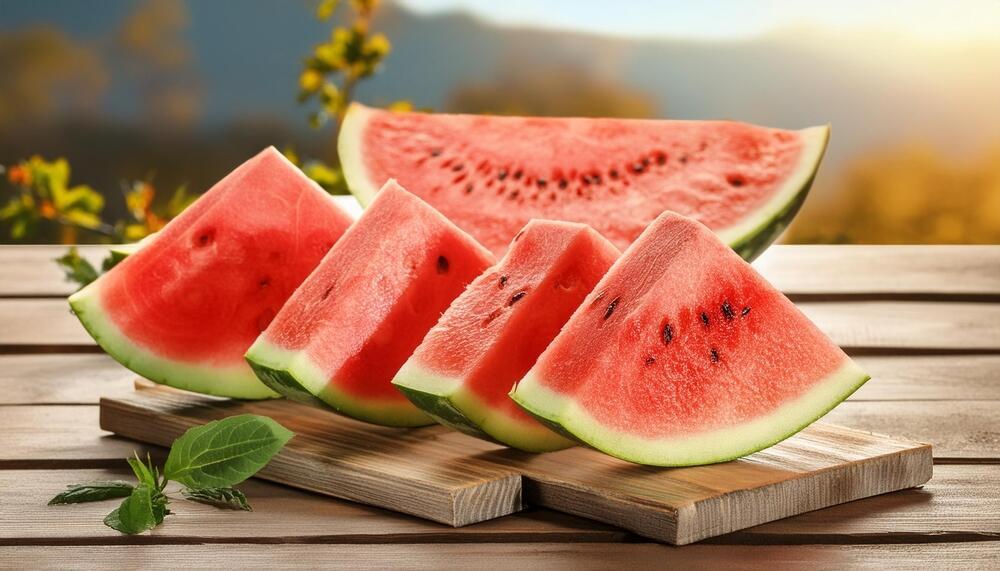
Watermelon
(Photo: Shutterstock)
Watermelon is rich in vitamins A and C, lycopene, a powerful antioxidant, and potassium, making it an ideal summer food or ‘free’ dessert. Strawberries, at about 50 calories per cup, and grapefruit are also excellent options for a dessert you can enjoy with minimal limits.