

Yambo, Bugsy, Booli, Chipale, Dingim. These names might not mean much to most Israelis, but in the Haredi sector, they’re the local versions of Bissli and Bamba.
In neighborhood grocery stores and supermarkets catering to the ultra-Orthodox community, a parallel candy and snack industry is offering lesser-known alternatives to familiar brands. With stringent kosher certifications, different flavors, surprisingly low prices and quirky names that feel like playful tributes to the originals, this world is colorful, unexpected and often even tastier. It’s a culture of its own.
Gallery
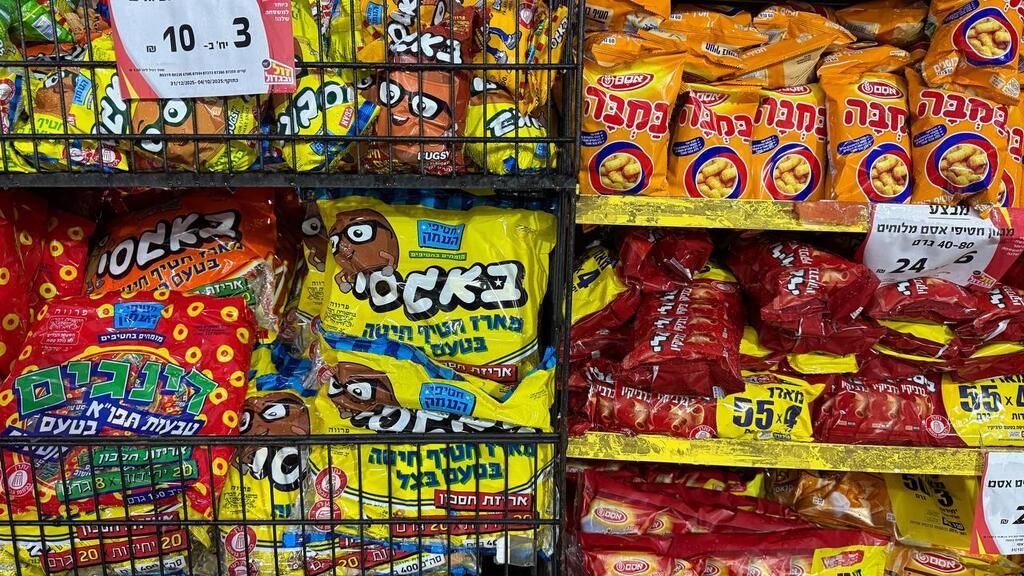
'A different halachic standard': familiar snacks (right) alongside versions tailored for the Haredi community
(Photo: Sapirt Gordo)
Not a knockoff but Halachic standard
This isn’t about nostalgia or gimmicks. The driving force behind the Haredi candy industry is religious law. While most supermarket snacks carry a standard kosher certification, the ultra-Orthodox typically seek higher-level supervision, such as from the Badatz Eda Haredit, Beit Yosef, She'erit Yisrael or Rabbi Mahfud.
These certifications demand stricter oversight on raw ingredients, flavorings, food dyes, gelatin and other additives. It’s not about whether something is kosher, but whether it meets a stricter halachic standard that many in the community consider non-negotiable.
For large manufacturers, complying with these requirements is often impractical or not cost-effective. That’s where small- and medium-sized factories step in, producing snacks almost exclusively for the Haredi market.
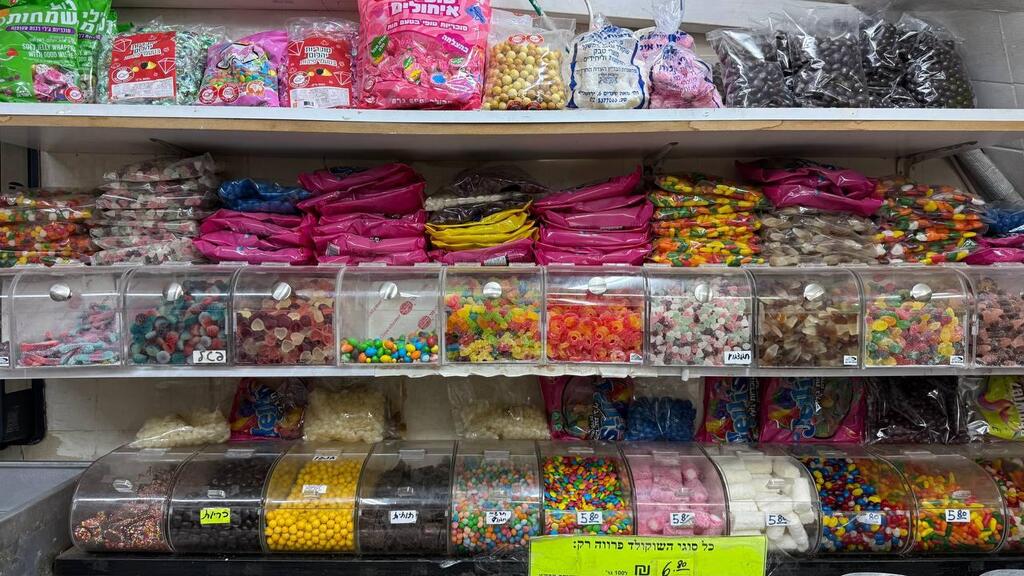
Candy and snacks in Haredi communities
(Photo: Sapir Gordo)
This is how a parallel industry is formed: products that resemble familiar brands but are made under different rules, sold through internal distribution networks, and usually priced lower, partly because there’s no flashy marketing, no advertising budget and no ambition to become a household name across Israel.
In the Haredi community, candy isn’t just a treat; it’s part of daily life. From joyous occasions like Shabbat celebrations and bar mitzvahs to holidays and engagement parties, sweets are distributed as part of the event and the communal experience. In a lifestyle with limited leisure options, candy serves as an acceptable guilty pleasure: a small, accessible indulgence that doesn’t conflict with religious values.
Affordability is another key factor. When you need to delight a large crowd, candy is an economical solution. Its combination of joy, accessibility and low cost makes it a fixture of Haredi everyday life.
Bamba, Me'a She'arim style
To see this world up close, we headed to the most fitting place - Jerusalem, home to a large Haredi population and store shelves packed with familiar snacks in local versions.

Haredi children in Me'a She'arim not looking for brand names
(Photo: Shalev Shalom)
Me'a She'arim, the city’s ultra-Orthodox hub, is the center for these treats. You don’t have to search hard. Between the narrow alleyways are local markets and candy stores offering products with enhanced kosher certification. Sales aren’t just by weight, but also in jumbo packs, as bulk buying is the norm. The selection is massive: chocolates, salty snacks, colorful gummy candies, even popcorn in giant bags and all at budget-friendly prices.
We picked up a few samples for a taste test. Bugsy, a local take on Bissli, was 11.90 shekels per bag and nearly identical in taste and texture. An 80-gram bag of Bamba Booli cost just 2.5 shekels and tasted remarkably similar to the original. Special offers included 200-gram packs of Bugsy, three for 10 shekels, and five Bamba Booli packs for the same price.
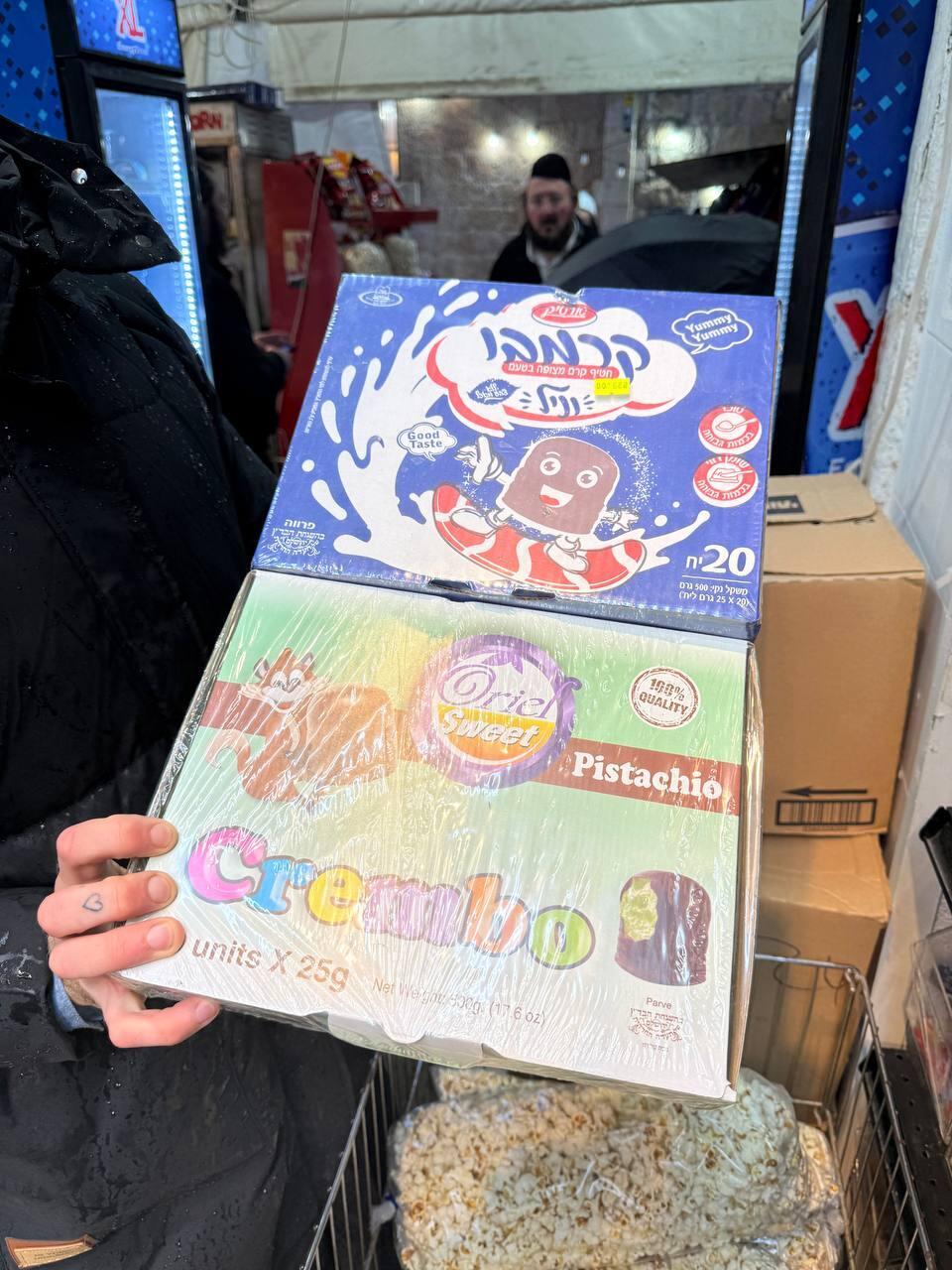
Haredi Crembo
(Photo: Sapir Gordo)
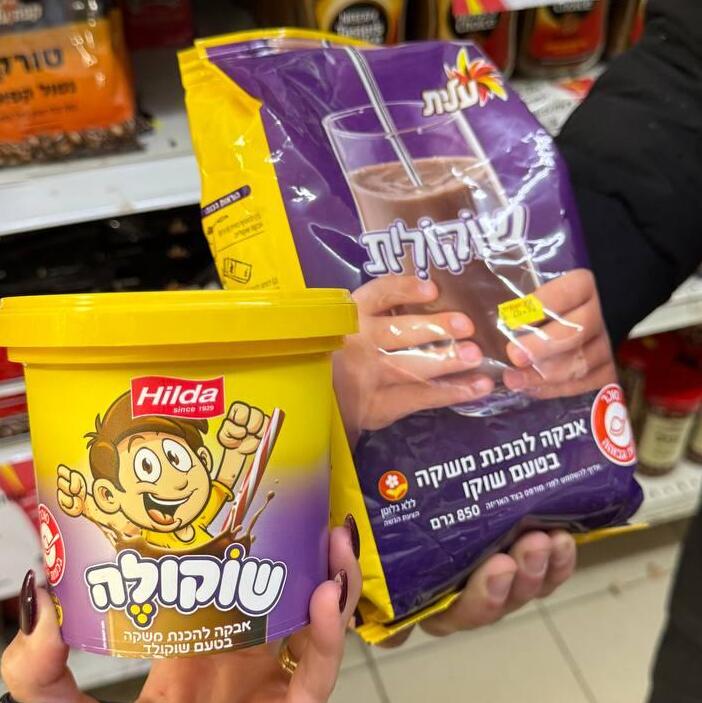
Same but different. Chocolate milk powder
(Photo: Sapir Gordo)
We also tried Chipale, a bear-shaped snack available in natural and grilled flavors, at 4.90 shekels for 50 grams, and we were pleasantly surprised. Other offerings included local versions of chocolate milk powder (“Chocoleh”) and a 20-pack of cream-filled Crembo treats for just 25 shekels. The sector has clearly succeeded in creating affordable alternatives to well-known supermarket brands.
'The Candy Man’s son'
Shaul Levin, 31, who grew up in the Chabad community in Beitar Illit and Jerusalem, gave us a rare glimpse into a childhood steeped in ultra-Orthodox candy culture. For him, sweets were more than food, they were part of family life and community tradition.
What was candy culture like in your home?
"My dad came from a frugal family of Holocaust survivors, and my mom is from Canada, where candy culture is huge. When they got married, they each tried to make up for their childhoods. We had a huge candy drawer at home. Nothing was ever missing; we had every kind of sweet: candies, Bamba, Bissli, you name it. Candy wasn’t seen as ‘bad’ or unhealthy. I still eat a lot as it reminds me of my childhood, and it’s delicious."

Bamba Booli
(Photo: Sapir Gordo)
What role do sweets play in the community?
"My dad was the 'Candy Man' at synagogue. Every Shabbat, he had his pockets full of candy, and the kids would run to him as soon as he arrived. I was always ‘the Candy Man’s son,’ and eventually I became one too. I always had candy in my pockets. It’s an important role and I grew up into it."
Is there an educational or social element to all this?
"It’s a cheap and effective way to feed a family and offer some extras for indulgence. In Haredi life, food is central; there always has to be a great quantity, especially for things like Purim baskets. In some ways, it’s a status symbol. I remember kids who couldn’t afford good snacks and would bring ‘lame’ ones, in contrast to the rich kids who had the better snacks; we’d all show off who had the biggest or coolest one.
"There’s also the idea of 'sweet reward.' You give a kid candy after children do a mitzvah, or you give them candy upfront and say, ‘Say a blessing, thank God.'"
Back to the store
To understand the business side, we spoke with David, who runs a long-standing candy shop in Me'a She'arim.
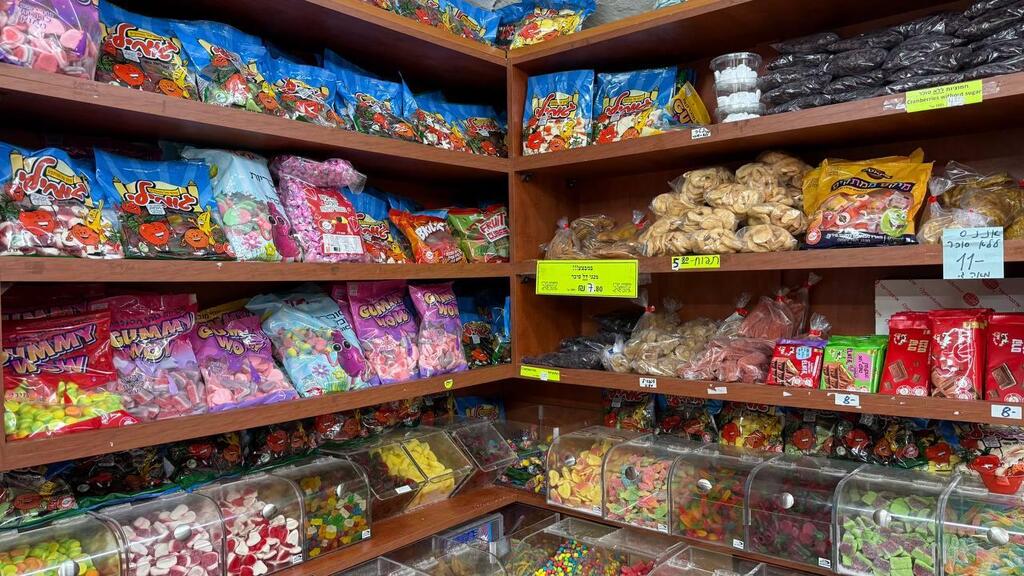
'In Haredi life, food is central; there always has to be a great quantity'
(Photo: Sapir Gordo)
What sets you apart from regular supermarkets?
"Regular stores carry a range of kosher certifications, such as She’erit, Manchester, Belz and so on. But everything here is Badatz Eda Haredit, which is what most of my customers want. That goes for everything - nuts, chocolate, you name it."
How do prices stay so low?
"Our clientele is made up of large families, and they buy in larger volumes. The more they buy, the cheaper it gets. We have to be cheap, there’s big competition, and many stores sell similar products. Manufacturers know this. If their product has Badatz certification, they price it low from the start because they know this community checks everything. It’s a win for the consumer and the producer."
What’s your best seller?
"Both gummies and chocolate sell very well. In general, food plays a big role in our community. People here don’t go to secular places such as cinemas or entertainment venues. Food is their culture. They know food, and they know how to buy it."
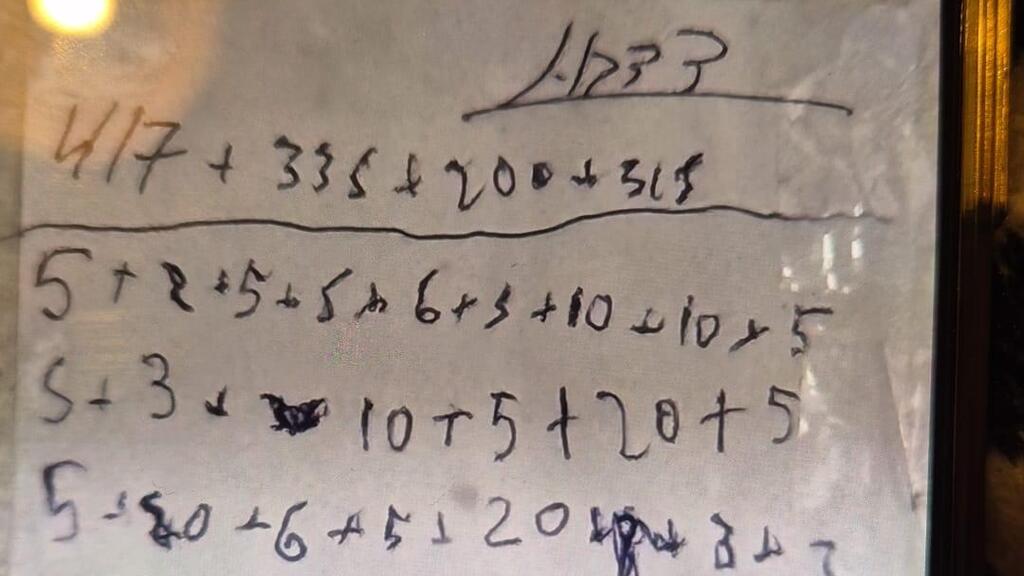
A curios note in the grocery store
(Photo: Sapir Gordo)
On the store’s wall is a curious note tracking a running number, which looks like a riddle. David explains:
"We have an American customer, a very wealthy man. One day, he saw a kid here who didn’t have enough money. He felt bad and gave me $100. He said, ‘Anytime a kid can’t afford candy, give it to him and deduct it from this amount.’ Ever since, when a kid is short on money, I give him the candy and mark it on the note."
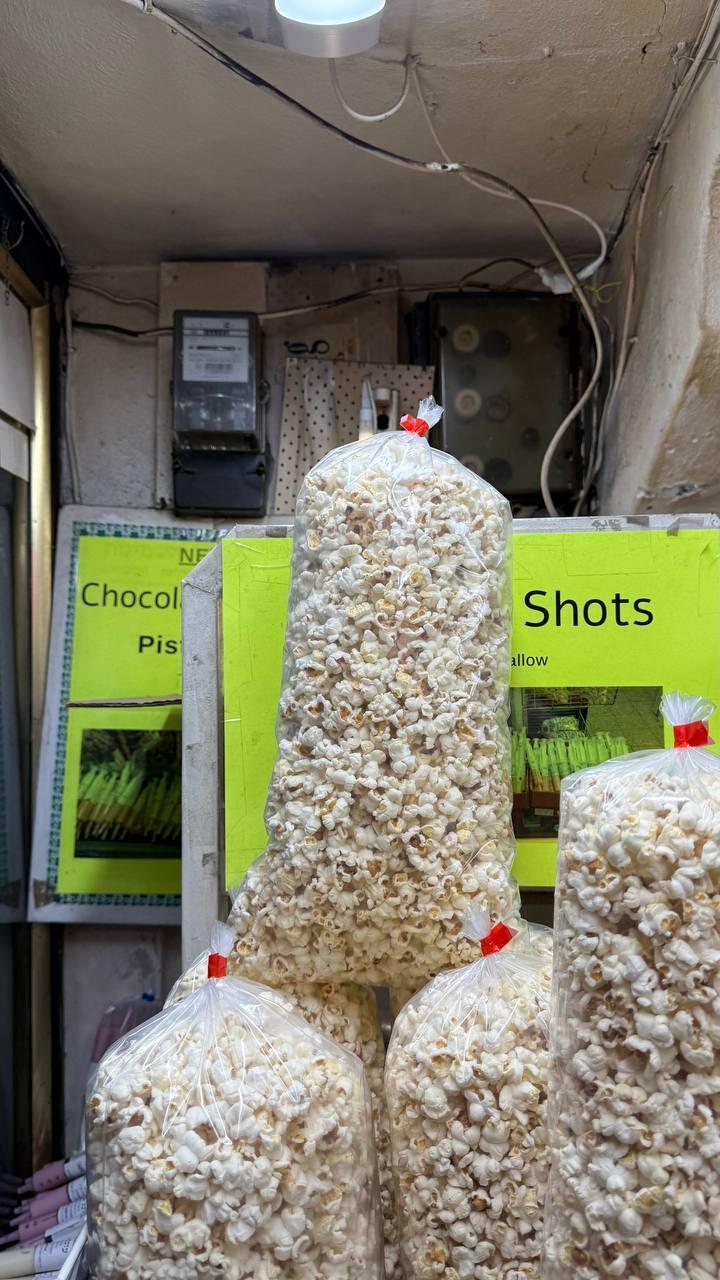
'Popcorn is considered a festive food'
(Photo: Sapir Gordo)
So why is popcorn sold in such huge bags?
"Popcorn is considered a festive food, especially for events. We sell a big bag that feeds 30 to 40 kids for 20 shekels, or a giant single bag for 8 shekels. It’s cheaper than buying a small pack of Bissli."
Our tour of Me'a She'arim’s alleys shows that you don’t need a flashy international brand to enjoy a good snack. In the end, when a child gets a colorful bag of candy, whether it was bought by their parents or gifted by a kind American donor, they don’t care what the label says. All that matters is the sweet taste and the joy it brings.
First published: 20:11, 12.22.25