

We all know the moment — you open the fridge and discover that the fruits and vegetables you bought just yesterday are no longer what they were, to the point that you have no choice but to throw them out. Keeping produce fresh starts with proper storage, which can significantly extend shelf life and save money.
“The first critical stage is choosing the fruits and vegetables,” said Avi Fine, owner of Meshek Fine — an agricultural operation that sells produce directly from farmer to consumer and is now opening a new branch in Kiryat HaSharon, Netanya. “You should feel and inspect the item to make sure it isn’t too soft and has no damage, cuts or signs of rot. The closer your purchase is to the picking date, the longer it will last. That’s why buying directly from the farmer is better — it skips the storage stage at the distributors.” Fine also warns against a common instinct: washing produce as soon as you get home. “Don’t rush to wash fruits and vegetables right away. The moisture that accumulates can shorten their shelf life. Cutting them in advance before storage is also not recommended.”
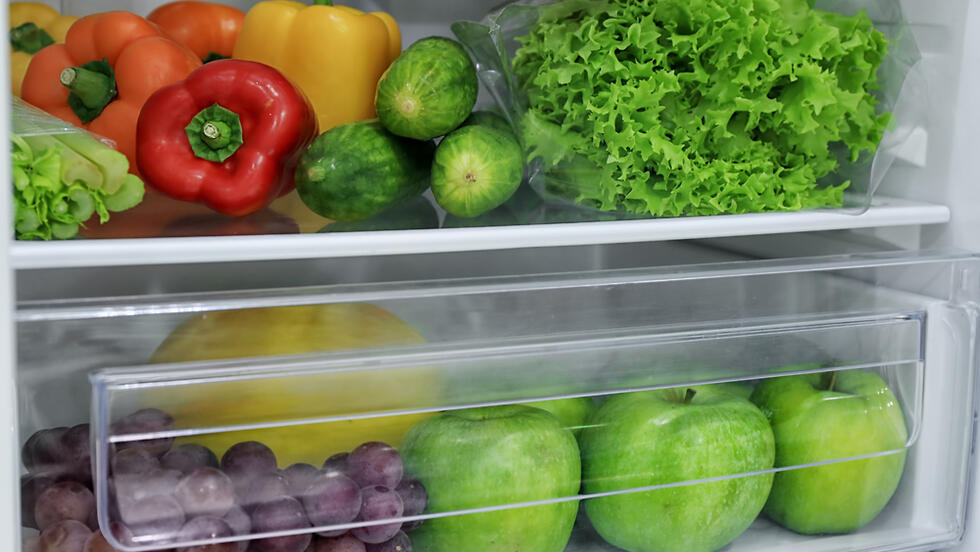
The real “secret,” he said, lies in storage. “Some fruits and vegetables give off ethylene gas, which accelerates the ripening of nearby produce — and sometimes speeds decay. Among the emitters are apples, pears, plums, peaches, potatoes, bananas and more. It’s best to store them separately from other produce. On the other hand, if you want to speed up ripening — like with a hard avocado — you can put it next to a banana to move things along. Most fruits and vegetables should not be kept in sealed plastic bags. If you choose to store them in a bag, paper or perforated plastic is better to allow airflow and prevent moisture buildup.”
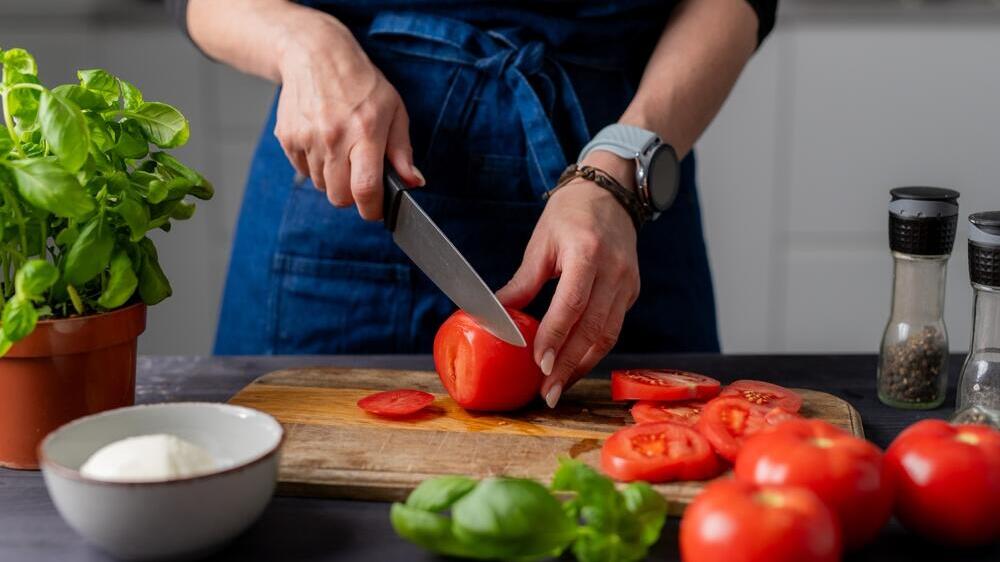
Tomatoes are sensitive to cold
(Photo: Shutterstock)
The guide: What belongs outside, inside or alone
It is not always clear what needs refrigeration, what should stay out and which combinations can actually harm each other. Fine offers a simple yet surprising set of guidelines to help keep your produce fresh for longer — including a few tips you may not have known.
Avocado — Unripe avocados should be kept at room temperature until they ripen. To speed up the process, place them in a paper bag with an apple. If they are near ripeness, refrigerate to slow the process.
Onion — Store onions in a cool, dry place, but not in the fridge. A pantry or dry room is ideal. Do not store onions with potatoes, as they may cause faster spoilage. Potatoes should also be stored in a cool, dry, shaded place — not in the fridge.
Garlic — Store garlic at room temperature in a ventilated space. It can be kept near onions. Do not peel before use.
Cucumber — Keep cucumbers in a ventilated bag in the fridge and separate them from other produce, as they are sensitive to moisture, which can cause quicker spoilage.
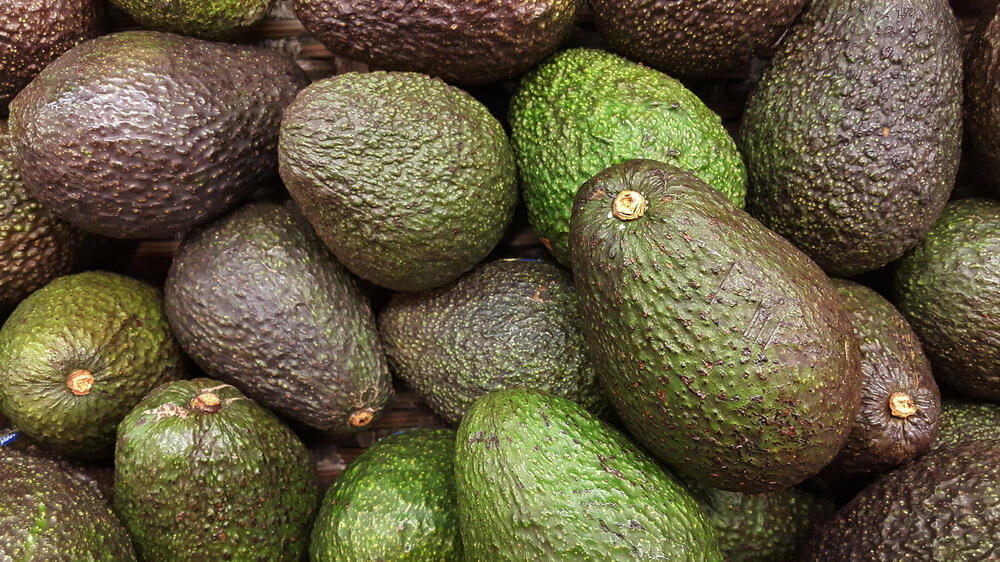
Avocado - put an apple with it, and it will be happy
(Photo: Shutterstock)
Tomato — Tomatoes are best kept at room temperature, not in the fridge, as they are sensitive to cold. In winter, they can remain outside the fridge. In summer, because room temperature may be too high, refrigerating them is recommended. Unripe tomatoes should be left out and refrigerated only once ripe. Tomatoes are also sensitive to ethylene, so they should be stored separately.
Lettuce — Store lettuce in the fridge in a perforated bag or a container with ventilation to keep it fresh. Keep it away from ethylene-producing fruits like apples and potatoes.
Lemon — Lemons can be stored inside or outside the fridge, but refrigeration keeps them fresh longer.
Apple — Apples can be stored in the fridge or at room temperature; they last longer in the fridge.
Banana — Bananas are sensitive to cold and should be kept at room temperature. They emit ethylene, which speeds the ripening of other produce, so store them separately.
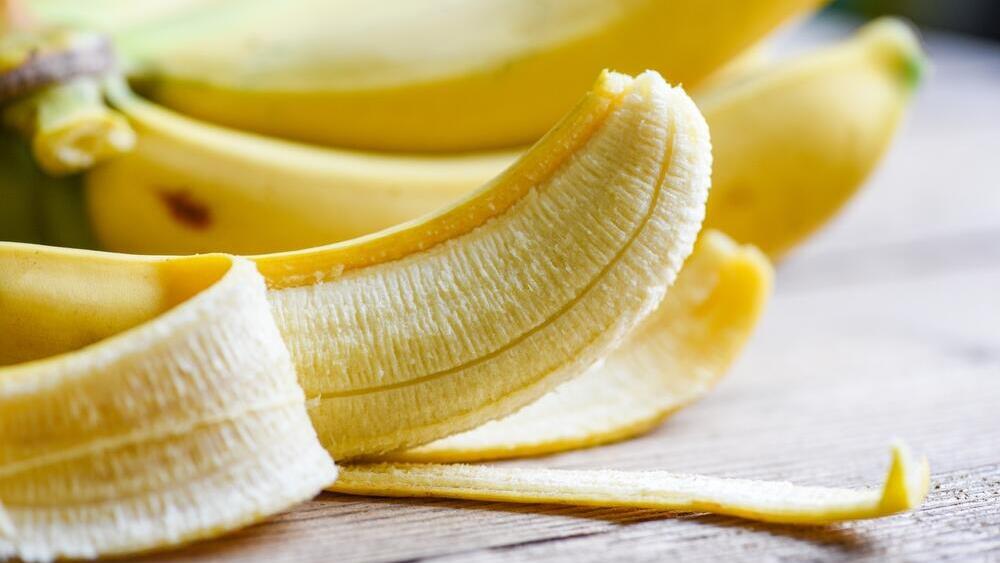
Banana - better alone
(Photo: Shutterstock)
Carrot — Keep carrots in the fridge in a plastic bag or sealed container in the crisper drawer. They can be stored with other vegetables, but not with ethylene producers. If the carrots still have leafy tops, remove them before refrigerating, as they absorb moisture and speed decay.
Sweet potato — Sweet potatoes should not be kept in the fridge. Store them in a cool, dry, dark place, separately from other produce. Refrigeration can make them overly sweet and alter their texture.
Broccoli — Store broccoli in the fridge, in the crisper or in a ventilated bag or container. Broccoli is prone to mold, so avoid storing it near produce that releases moisture. It is best stored on its own.