

Eggs are among the most basic and widely used ingredients in the kitchen, appearing in countless dishes and preparations around the world. Among the most popular are sunny-side-up and flipped fried eggs, whether served on freshly baked challah for breakfast, alongside a refreshing salad or tucked into a hearty sandwich.
Everyone has their own idea of the perfect fried egg. Some prefer delicate, tender whites with a completely runny yolk. Others love golden, crispy edges, while some flip their eggs to cook the yolk more thoroughly.
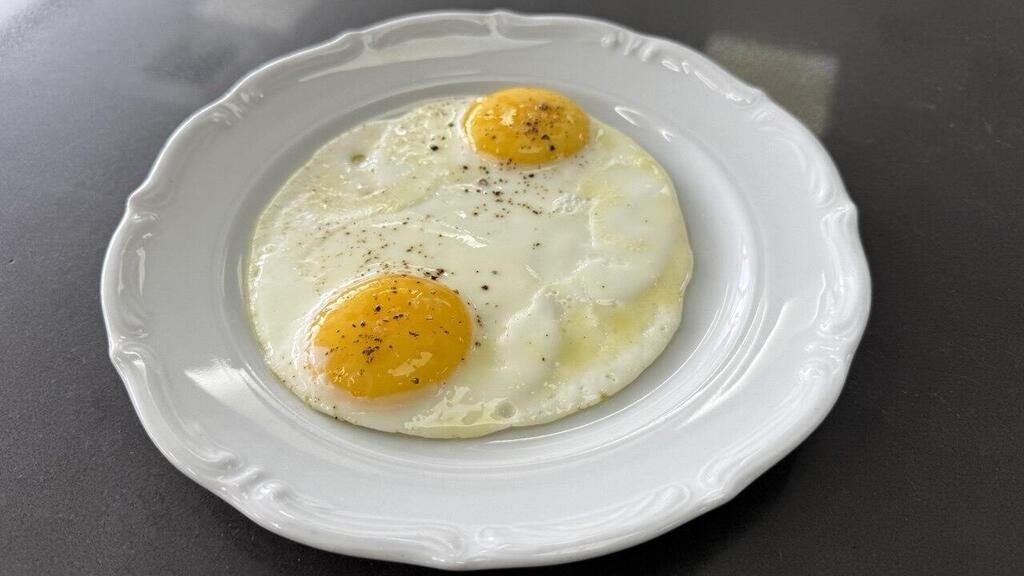
Precisely because fried eggs are so quick and simple to prepare, it's easy to assume there is nothing particularly complicated about them. But the temperature of the pan, the type of fat and even the way the egg is cracked can make a significant difference to the final result.
We asked chef David Sadi, head of the culinary program at Israel's Bishulim cooking school, to explain the secrets of a perfect fried egg, the common mistakes home cooks make and the small trick that can transform an ordinary breakfast.
Before you reach for the pan
Even before cooking, there are several basic rules worth following when buying, storing and handling eggs.
First, always buy eggs in sealed packaging with the required labels and expiration dates, and never use eggs that are cracked or broken.
Keep eggs refrigerated and take them out shortly before cooking. Avoid washing eggs in advance, but make sure to thoroughly wash your hands, utensils and work surfaces after they come into contact with raw eggs.
Food safety is particularly important when preparing eggs with runny yolks. Israel's Health Ministry recommends cooking eggs until both the whites and yolks are fully set. Pregnant women and people with weakened immune systems should avoid raw or partially cooked eggs because of the risk of salmonella infection.
Soft or crispy? The secret is in the heat
When preparing a sunny-side-up egg, the goal is generally to cook the whites until they are set while keeping the yolk soft. "There are different approaches to fried eggs, depending on what you like. There's no right or wrong," Sadi explains.
One approach produces tender, delicate whites with a completely runny yolk. Another uses higher heat to create browned, crispy edges.
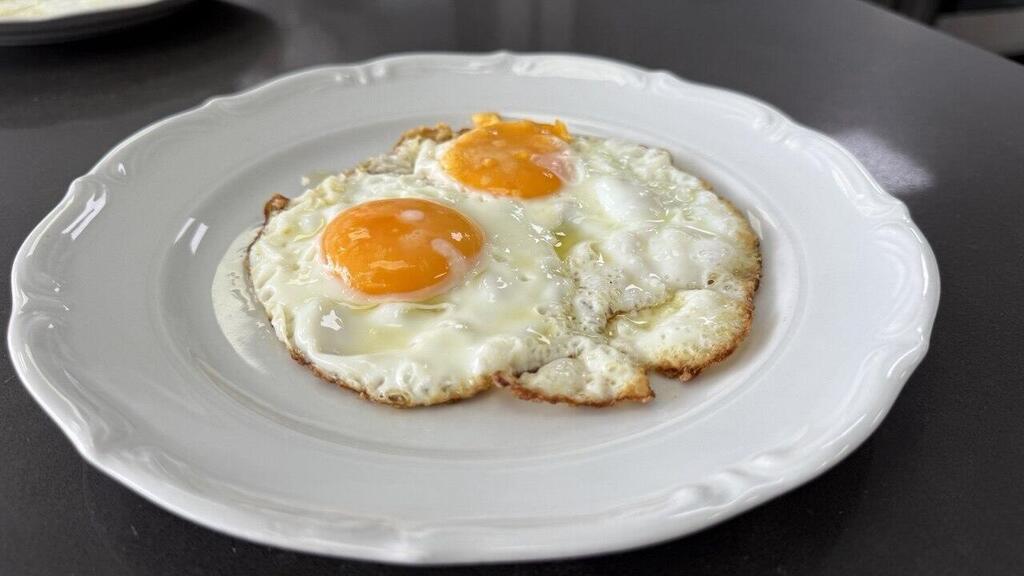
A crispy fried egg cooked over high heat
(Photo: Sapir Gordo)
For a soft fried egg, Sadi starts with a little olive oil or butter and cooks it over low heat. The key is maintaining control over the temperature so the whites set without overcooking the yolk.
A lid can make a difference at this stage. Covering the pan briefly traps steam, helping cook the upper surface of the egg white without exposing the yolk to excessive heat.
The crispy version requires a different approach. Here, the pan is heated to a much higher temperature before the egg is added. The intense heat quickly browns the edges, creating a crispier texture and a contrast between the whites and the soft yolk. "We took the same egg and changed the technique slightly," Sadi says. Neither method is necessarily better. It all comes down to personal preference.
And what about a flipped fried egg? Turning the egg over allows the whites to cook more evenly on both sides while exposing the yolk to additional heat. According to Sadi, this approach works particularly well for people who prefer a firm yolk or want to add an egg to a sandwich.
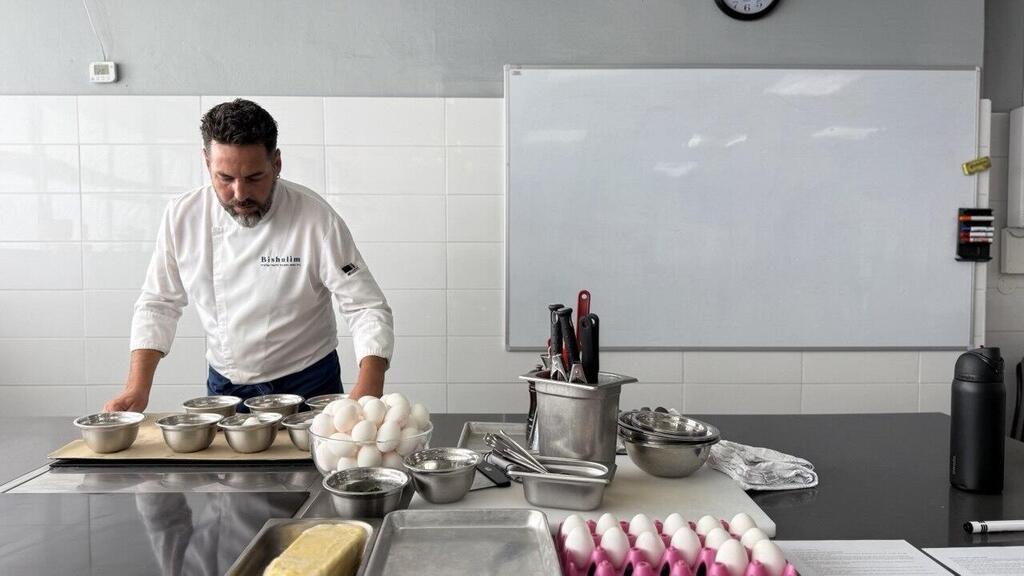
Chef David Sadi
(Photo: Sapir Gordo)
But one of his most important tips comes before the egg even reaches the pan.
Rather than cracking an egg directly into the skillet, Sadi recommends breaking it into a separate bowl first. This makes it easier to spot and remove pieces of shell, check that the yolk is intact and deal with any problems before the egg hits the heat.
He also prefers cracking eggs against a flat surface rather than the edge of a bowl or pan. According to Sadi, this produces a cleaner break and reduces the chances of shell fragments ending up in the egg.
Chef David Sadi's guide to the perfect fried egg
Preparation: Crack into a bowl first
Tap the egg against a flat surface, then open it into a separate bowl. This reduces the risk of shell fragments getting into the egg and allows you to check that the yolk is intact before cooking.
Option 1: Soft and delicate sunny-side-up egg
Low heat: Heat a pan over low heat with a little olive oil or butter.
Add the egg: Gently slide the egg from the bowl into the pan, taking care not to break the yolk.
Cover briefly: Cook over low heat and cover the pan for a short time. The trapped steam will help set the upper surface of the whites without overcooking the yolk.
Chef's tip: The goal is fully set whites that remain soft and white, with a runny yolk. There is no need to wait for the bottom of the egg to brown.
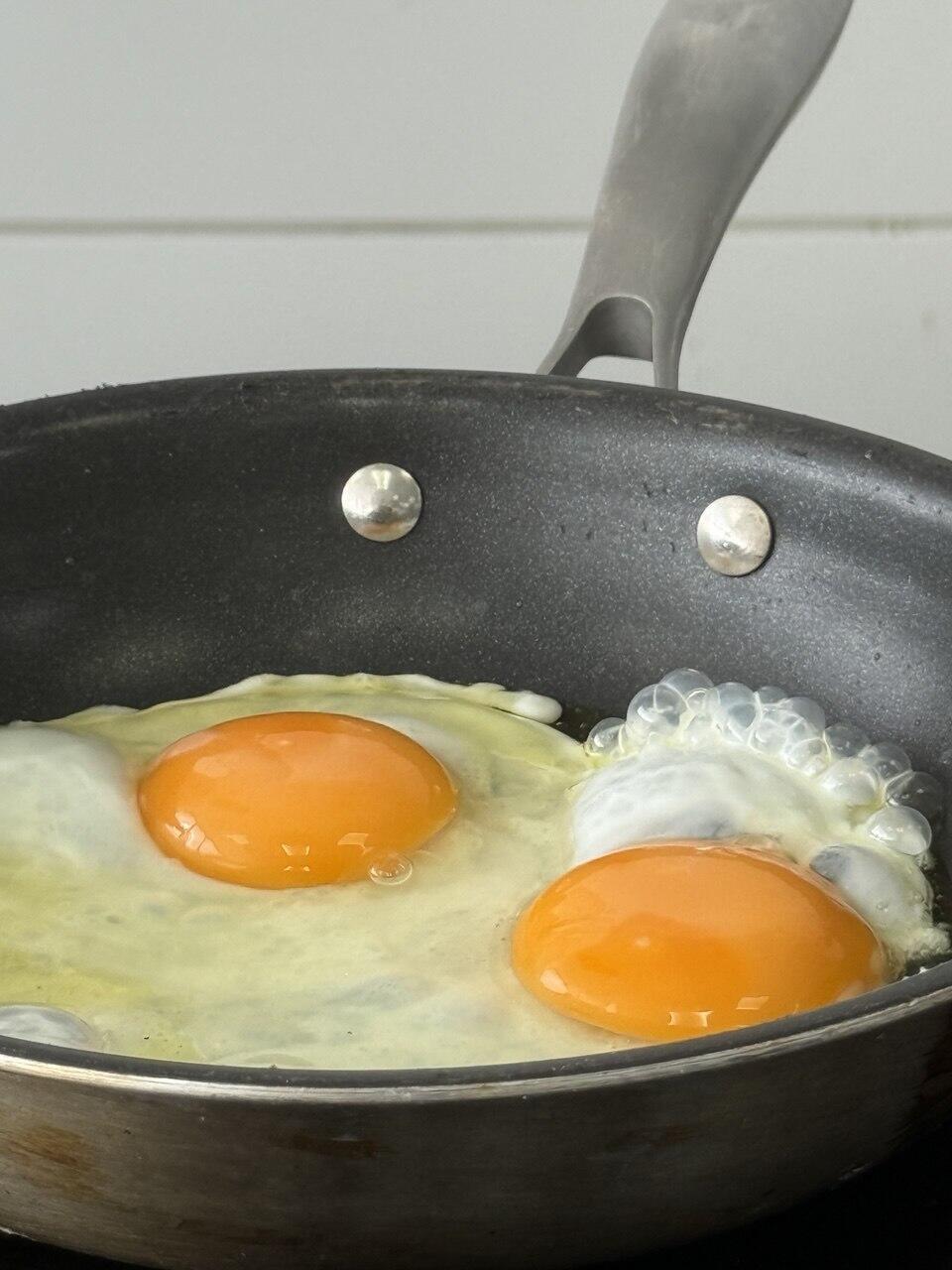
A fried egg cooked over high heat, which quickly browns the underside of the whites
(Photo: Sapir Gordo)
Option 2: Crispy fried egg
High heat: Heat a skillet until it is very hot.
Quick frying: Carefully slide the egg into the hot pan. The high temperature will rapidly brown the underside of the whites and produce golden, crispy edges, while the yolk can remain runny.
Chef's tip: Browning is part of the desired result. The goal is to create a contrast between the crisp edges and the soft yolk.
Option 3: Flipped fried egg, perfect for sandwiches
Cook the first side: Fry the egg until the underside of the whites is firm enough to flip without tearing.
Flip carefully: Turn the egg over and continue cooking until the yolk reaches your preferred consistency.
Chef's tip: Flipping an egg does not necessarily mean the yolk has to be hard. A brief period on the second side will keep it softer, while longer cooking produces a firm, fully cooked yolk, particularly suitable for sandwiches.