

On Oct. 29, 2024, in the heart of Jabalia, time briefly stood still for G., a commando fighter in the IDF’s Multidimensional Unit. That night, he was part of a raid force operating deep inside Gaza under cover of darkness. “We entered a building in the middle of the night,” he recalls. “We weren’t allowed to make any noise or use any light. We went up to the second floor of a house, where a 70-kilogram explosive device rigged with a tripwire was waiting for us — a crude trigger. The first soldier stepped on the wire and detonated it.”
The blast was powerful. Four of G.’s teammates were killed on the spot. He himself was thrown from the second-floor staircase down to the ground floor. “I got up without a helmet, inside a cloud of soot and dust, with a crazy ringing in my ears,” he describes of the first minutes after the explosion. “At first you don’t understand what’s happening. Suddenly I found myself lying on the rubble, alone. Slowly you start to hear the screams of the wounded and grasp the situation.”
Gallery
mTBI, the brain injury that even doctors have difficulty diagnosing
(Illustration: Yaniv Shahar)
In those critical moments, adrenaline dulled the pain. Despite a torn ligament in his knee and injuries to his ears and ribs, G. did not stop to check himself and immediately rushed to help his comrades. “I tried to treat a friend who had lost his eyesight. After he was evacuated, I started evacuating the bodies of my best friends, who had been with me since my first day in the army.”
After being evacuated under fire to the border and from there to Barzilai Medical Center, his body began to show signs of injury. “I was in the hospital for one day and insisted on leaving to attend all my friends’ funerals,” he says. He was discharged with a brace on his leg and began intensive rehabilitation at Beit Loewenstein.
But amid the physical recovery, something else inside him remained broken. “A few weeks later, my mother noticed I couldn’t remember anything and couldn’t speak properly,” G. recalls. “The family thought it might be post-trauma because of what happened to my friends. At the time we didn’t know I had a head injury — I hadn’t been visibly wounded there, there was nothing that explained what was happening to me.”
The frustration became part of daily life. The outstanding soldier, who completed advanced studies in mathematics, physics and English and had been a competitive swimmer, suddenly found himself helpless in the face of simple everyday tasks. “My mom tells me something and five minutes later I don’t remember any of it," he says. "It’s not that I forgot — it just doesn’t enter my brain. I insist she didn’t tell me anything. And this happens several times a day.”
The difficulty seeped into his language and concentration. “There’s a word in my head that I want to say, but it won’t come out, it’s just stuck. Or I try to remember a simple word and have no idea what it is. I don’t know how to continue a sentence, how to hold a conversation. I can’t open a book and read more than half a page. My mind drifts — I can’t concentrate.”
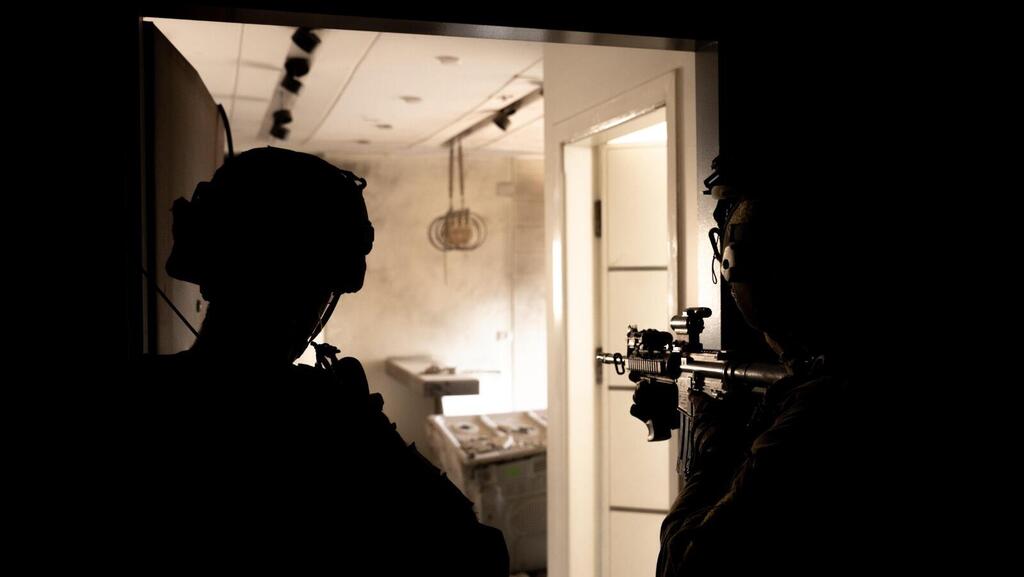
IDF soldiers operating in Gaza City
(Photo: IDF)
The turning point came through a chance encounter with a teammate injured in the same incident. “He told me, ‘I don’t remember anything. My brain is messed up.’ I told him, ‘I feel the same way.’ That’s when I understood it wasn’t just the loss and the pain making me not want to talk.”
Only after he was discharged from military service in December and underwent an MRI and a specialized brain scan at Shamir Medical Center (Assaf Harofeh) did G. receive a diagnosis: the blast wave he sustained caused significant damage to the frontal region of his brain. He joined the troubling ranks of those suffering from so-called “invisible” brain injuries — difficult to diagnose and lacking a structured treatment protocol in Israel. One thing is clear: the recent war has added many more — soldiers and civilians alike — to that list, and many of them likely do not even realize it.
What happens inside the skull at the moment of an explosion?
While public and medical attention naturally focuses on visible wartime injuries — amputations, fractures and burns — countless soldiers and civilians are walking around with injuries no less severe, but invisible to the eye. The professional term, “mild traumatic brain injury,” does not convey the suffering it causes. On the battlefield, it results from exposure to a blast wave — a sudden and extreme change in atmospheric pressure caused by an explosion. The main causes are roadside bombs, anti-tank missiles and artillery shells. Since October 7, there have been many such injuries, as the effect is significantly amplified inside buildings and tunnels, where blast waves rebound off walls.
G.’s story illustrates the violent intersection between physics and biology. “During an explosion, the brain is shaken from within,” explains Professor Alon Friedman, head of research in the Brain Division at Sheba Medical Center and a neuroscientist at Ben-Gurion University. “During that shaking, the blood vessels in the brain, along with the long fibers connecting different regions, tend to be damaged.”
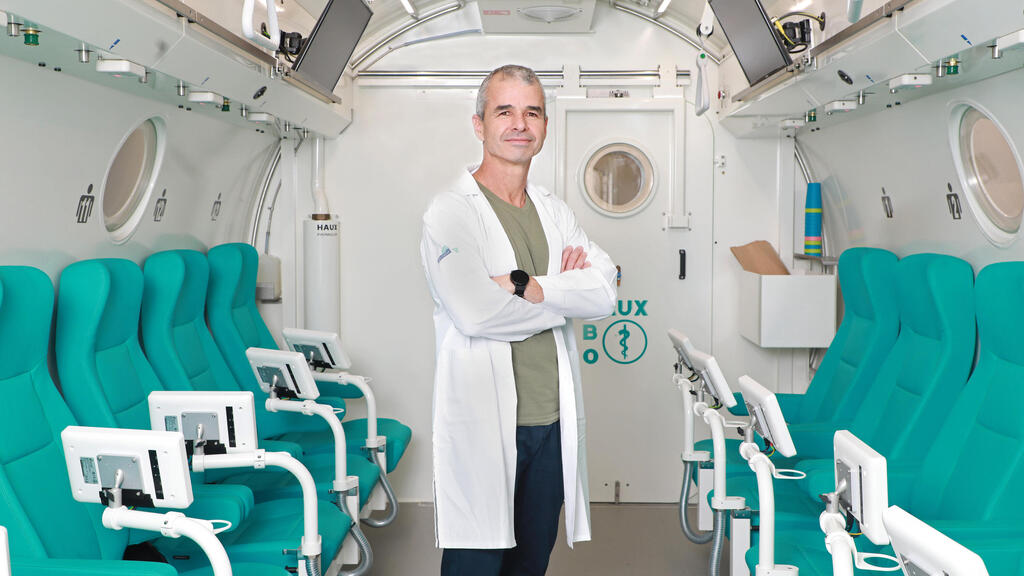
Professor Shai Efrati in the hyperbaric oxygen chamber at Shamir Medical Center (Assaf Harofeh)
(Photo: Dana Koppel)
Professor Shai Efrati, director of the Sagol Center for Hyperbaric Medicine and Research at Shamir Medical Center, encounters such patients daily. “Most injuries in the current battlefield — and likely future ones — are caused by explosions,” he says. “An anti-tank missile exploding in a tank, mines or explosive devices. Sometimes the blast wave alone, even without being thrown or hitting your head, has the same effect. At my home in Rehovot, when there’s a big explosion in Gaza, all the windows shake. That’s exactly what happens in the brain.”
“The blast passes through the skull. A helmet that protects against a direct blow won’t help here, because the blast goes through it. The brain has layers, and when force is applied to layers with different mass, they accelerate differently and out of sync. Blood vessels and nerves stretching between them can tear. When that happens, the tissue doesn’t get adequate blood and oxygen. It doesn’t die, but it lacks the basic conditions needed for healing," Efrati explains.
Damage to concentration and short-term memory
Professor Joseph Maroon of the University of Pittsburgh Medical Center, one of the world’s leading neurosurgeons and the physician who reshaped how the NFL approaches concussions, warns that this is a destructive structural and chemical injury. “The human brain consists of 86 billion neurons and 100 trillion synaptic connections,” he explains. “When the brain experiences acceleration or rotation, these fiber networks can tear or malfunction. Sometimes imaging can show areas that are not receiving enough oxygen. When that happens, function is impaired.”
The injury triggers a cascade of chemical events Maroon likens to a browning apple: “Just as a cut apple darkens, the brain undergoes oxidative stress and loses glutathione, its main antioxidant. This leads to neuroinflammation and damage to mitochondria, the cell’s power stations.”
The range of symptoms is broad and debilitating: dizziness, nausea and severe headaches, along with cognitive impairment. Patients report memory “gaps,” severe concentration problems and a “brain fog” that prevents them from reading or holding a focused conversation. But the most severe impact is psychological and behavioral: extreme restlessness, depression, anxiety, uncontrolled anger and major sleep disruption.
 Dr. Hadar ShalevPhoto: Soroka Medical Center
“People who have experienced a brain injury typically report symptoms from two main groups,” says Dr. Hadar Shalev, head of mental health services at Soroka Medical Center and director of the neuropsychiatry clinic specializing in brain trauma. “The first is neurological: headaches, ringing in the ears, sometimes nausea or a sense of instability. At the same time, they suffer from psychological and cognitive symptoms: brain fog, difficulty processing information quickly, impaired concentration and short-term memory, difficulty organizing, anxiety, tension and irritability, and sleep disorders. Often they come to us not on their own initiative, but because those close to them — parents or partners — complain that it’s hard to be around them because they are constantly irritable.”
Most patients, it should be emphasized, will recover spontaneously without intervention. However, about 25% will develop post-concussion syndrome, characterized by persistent symptoms and significant impairment in quality of life, even to the point of disability. “In most cases, the body knows how to survive this, it has good healing mechanisms,” says Efrati. “But those who haven’t recovered within three months will not recover on their own.”
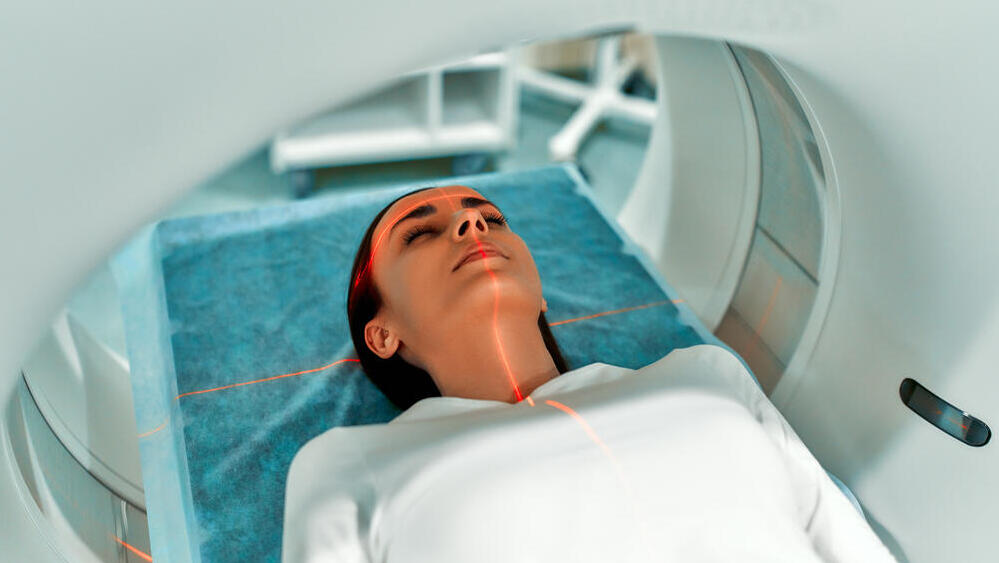
'The structural changes in the brain are so subtle that they cannot be seen on CT scans or even standard clinical MRI'
(Photo: Shutterstock)
Medically, the injury is classified as “mild,” hence the term mild traumatic brain injury, or mTBI. It is not life-threatening, but the toll it takes on the lives of those who suffer from it is enormous. These are young people in their 20s and 30s, at the peak of their lives — just before building careers and families or in the midst of academic studies. When their brain fails them, they struggle to maintain normal lives, drop out of frameworks and find it difficult to function in relationships and family life.
“The biggest challenge with these injuries is precisely that they appear mild,” says Efrati. “The patient is intact, looks fine on the outside. What’s damaged are the higher cognitive functions. These fighters keep fighting, because you don’t need high-level cognition to run. But when they return to civilian life, they realize they’re not the same. Their ability to learn and remember has changed, they don’t sleep well and their mood is off. They don’t understand what’s happening to them.”
The study that revealed the scope of the damage
Israel’s plight is only part of a broader global story about the impact of blast exposure on combat soldiers. The U.S. military has defined mild traumatic brain injury as a signature injury of the wars in Iraq and Afghanistan. Since 2000, more than 460,000 American soldiers have been diagnosed with traumatic brain injuries, the vast majority resulting from blast exposure. Large-scale studies that tracked tens of thousands of athletes in the U.S. found that while most people who suffer sports-related concussions recover within two weeks, about 10–20% develop persistent post-concussion syndrome that can last for months or years. The risk rises sharply with each additional injury.
Among soldiers injured in combat, the situation is even more complex. Studies of veterans show that the rate of neurological damage jumps from 20% among those exposed to a single blast to more than 90% among fighters exposed to five or more explosions. Symptoms often appear only months or even years after combat ends.
“In the past two and a half years, we’ve seen a great many such injuries, among soldiers and sometimes also among civilians hurt by rocket fire,” says Shalev of Soroka Medical Center. The big question is how many people in Israel are suffering from this kind of brain trauma after the longest war in its history. Here, researchers encounter a statistical vacuum. “We know how many amputees there are, how many severe head injuries, how many soldiers suffered infections and fungi,” says Efrati. “But when it comes to mild brain injury, we have no idea, because no one is checking.”

The hyperbaric chamber at Shamir-Assaf Harofeh Hospital
(Photo: Tamir Noy)
No one — except a team of researchers at Sheba Medical Center. Their dramatic findings could reshape how wounded soldiers are rehabilitated in Israel. The study, conducted between October 2023 and January 2025 and surveying hundreds of combat casualties treated at the hospital, paints a startling picture: more than 70% met the clinical criteria for mTBI, most as a result of blast exposure.
For Professor Rachel Gardner, director of clinical research at the Sheba Neuroscience Center and the lead researcher, this is a life’s work. Gardner, a cognitive neurologist trained at Harvard Medical School with specialization and postdoctoral work at the University of California, San Francisco, has spent more than 15 years studying brain injuries. Today she stands at the forefront of efforts to save the brains of war casualties.
“The concept of ‘mild brain injury’ is not new in military medicine,” she says. “In the U.S., it has been a focus of the military for a quarter of a century. A huge proportion — 20% — of soldiers who fought in Iraq and Afghanistan returned with such an injury, and more than 90% of cases were caused by blast waves. Some suffer chronic symptoms for years. After the longest and most intense war we’ve known, with massive reserve deployment at the front, it was clear to us that this wave would reach us as well, here in Israel.”
A preliminary study currently underway at Ono Academic College, led by Dr. Sigal Liraz-Zaltsman in collaboration with Gardner, shows the phenomenon is also widespread among soldiers who were exposed to blasts during their service but returned home seemingly uninjured. About 20% of soldiers who went back to their studies and were never hospitalized — meaning they were not apparently physically injured during combat — suffer from mild brain injury. This figure aligns precisely with the troubling U.S. military statistic: one in five. Researchers estimate that about 25,000 soldiers in Israel are suffering from the condition as a result of the war.
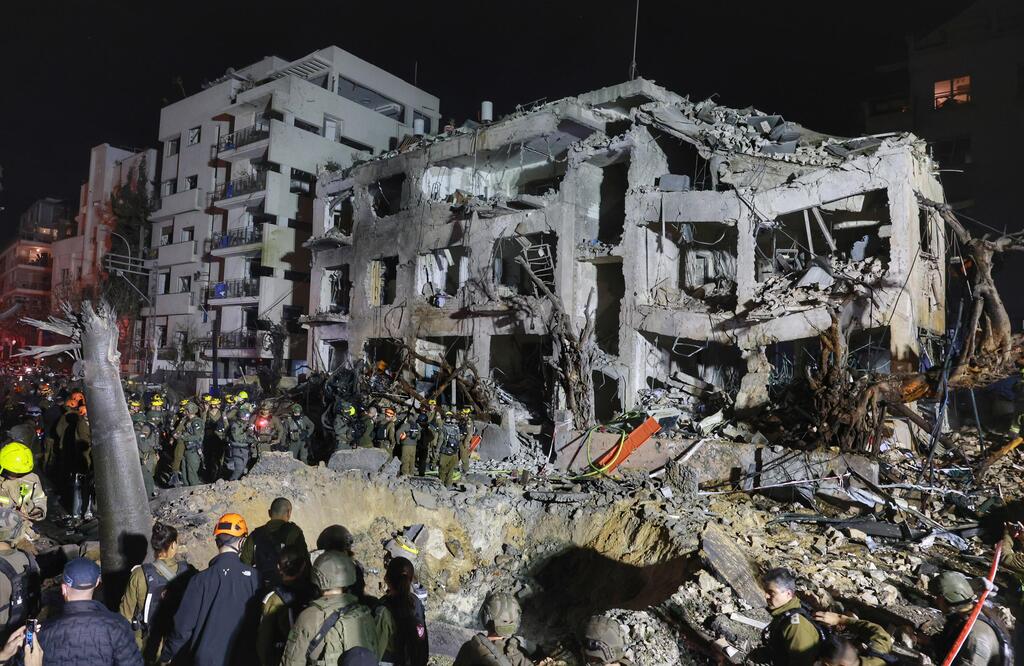
An Iranian missile struck an apartment building in Tel Aviv
(Photo: Dana Koppel)
“It’s important that these patients know they suffered a head injury and that they will need to work throughout their lives to protect their brain,” Gardner says. “But what’s urgent right now is to find all the soldiers and reservists with chronic symptoms and treat them, because they are at a turning point. They struggle to return to life, to build a family, to study. We can help them, but if we don’t treat them now, they will continue to suffer alone.”
The problem flying under the radar
The tragedy of mild brain injury begins in the very place meant to save lives: the emergency room. When a soldier arrives at the hospital after being injured in combat, they are sent for a head CT scan to rule out life-threatening intracranial bleeding. In the vast majority of cases, the result is normal. The soldier is discharged or treated for more urgent injuries, carrying the official stamp that everything is fine — which only deepens the patient’s frustration. But conventional technology is simply blind to the damage. “The structural changes in the brain are so subtle that they cannot be seen on CT scans or even standard clinical MRI,” explains Friedman.
The results at Sheba showed that, although most of the soldiers treated had multiple injuries, fractures or chest trauma that received immediate attention in the trauma room, the brain injury slipped under doctors’ radar. “Because CT scans are normal in the vast majority of cases, diagnosis depends entirely on clinical history, such as a break in memory lasting seconds or minutes immediately after the explosion,” says Gardner.
Missing those first crucial hours creates a snowball effect, colliding with another familiar diagnosis: post-traumatic stress disorder. The overlap in symptoms — sleep problems, anxiety, difficulty concentrating and depression — means many blast victims are misdiagnosed and treated incorrectly. “When a soldier whose friend was killed by a missile strike on their tank develops PTSD, but also experienced blast exposure, the symptoms can be very similar. This is an issue the entire world is grappling with,” says Friedman.
“Soldiers come to us with a condition that clearly meets the criteria for PTSD, but in some cases we identify a dual problem,” says Dr. Miri Kfir, director of the Sha’arim Center for treating soldiers with PTSD at the Reuth Rehabilitation Hospital. “The most common scenario is an anti-tank missile hitting a tank. The soldiers survive, but are thrown inside the tank and their heads hit the walls. Or soldiers in armored vehicles near an explosion whose heads are slammed by the blast. They say, ‘I went into the kitchen and don’t remember why,’ or ‘I left the house again without my keys.’ They feel like they’re 80 years old.”
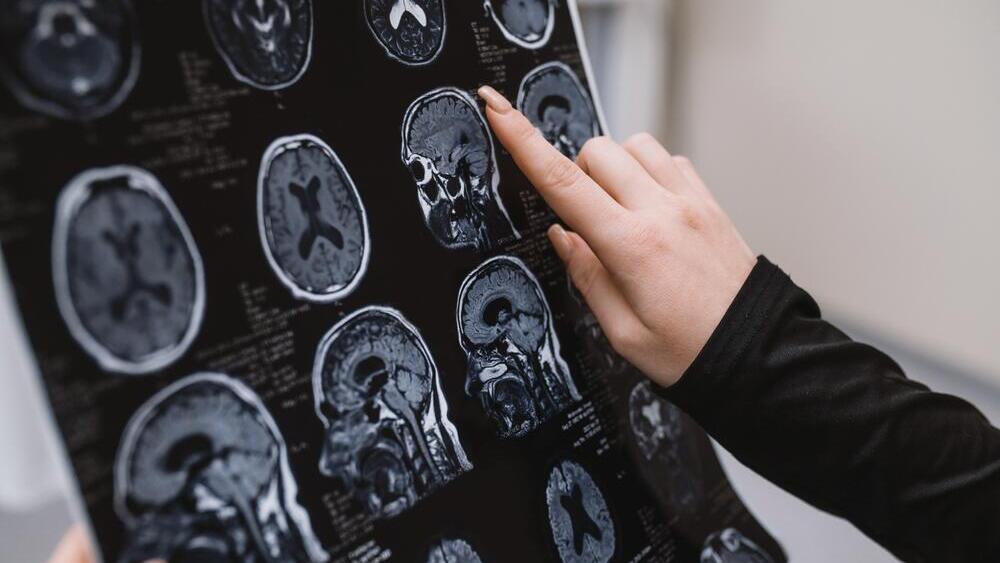
MRI brain scan
(Photo: Shutterstock)
To solve this complex puzzle, clinicians look for physiological and neurological clues typical of brain injury. “The main symptom that makes us suspect this syndrome is headaches,” says Kfir, adding dizziness, confusion, tingling, blurred vision and hearing impairment. “When we suspect such a component, treatment changes direction. We intensify treatment for cognitive disorders and teach patients techniques for learning, concentration and memory.”
To break the cycle, brain researchers worldwide are searching for the “holy grail” of diagnosis: an objective, fast and inexpensive way to identify mild brain injury in the emergency room — whether through advanced imaging or other methods, such as innovative blood tests that detect biomarkers specific to the injury. “Just as we use blood tests today to identify heart attacks, we’re looking for a simple blood test that will immediately tell us, ‘there’s a head injury here,’ to identify high-risk patients and start treatment earlier — not wait a year while they suffer and go from doctor to doctor without anyone recognizing it,” says Friedman. “Unfortunately, we still don’t have anything strong enough in this field.”
The hyperbaric chamber and the bureaucratic ordeal
Once a patient finally receives the correct diagnosis, the next step is proper treatment — and that, too, is far from simple. “Thirty or 50 years ago, the thinking was that someone with a concussion should lie in bed and rest for two weeks,” says Gardner. “Today we know that doing so only worsens their condition. The current protocol calls for relative rest for a day or two at home, followed by a gradual and as-quick-as-possible return to routine activity.”
In the hours and days immediately after the injury, the most important treatment, Gardner says, is sleep. “The brain recovers and heals while we sleep.” This understanding is so critical that the U.S. military has set up dedicated “dark tents” near combat zones. A soldier who suffers a concussion during operations is immediately sent to such a tent, allowing optimal sleep despite battlefield conditions.
And in the IDF? A senior Medical Corps official admits candidly: “We don’t have any real tool on the battlefield to quantify the severity of injury in real time. Evacuating every soldier within an explosion radius is not operationally feasible. We are at the beginning of this field. It will take several more years of research and data collection to develop a full response.” The IDF said in a statement that “every soldier evacuated due to blast symptoms undergoes medical evaluation by professionals and is referred for further examination and follow-up at designated hospital centers.”
At hospitals, in the absence of medication that can repair damaged brain tissue, medicine currently offers symptom-targeted treatment: headaches are treated with specific medications; dizziness and balance problems are treated through occupational therapy; and sleep disturbances receive tailored protocols.
“The goal is to reduce symptoms, usually starting with non-pharmacological interventions,” says Shalev. “In the acute phase, immediately after injury, the idea is to let the brain rest, hoping that will resolve some of the damage. But most people come to us after a prolonged period of suffering. At that stage, we aim for moderate activity, try to build sleep hygiene and help them understand how to compensate for impaired cognitive skills. If that doesn’t help, we intervene cautiously with medications, mainly antidepressants and anti-anxiety drugs. For those with persistent cognitive impairment, stimulants can also be prescribed to improve attention and concentration.”
And what happens to those whose diagnosis is delayed?
“The longer treatment is postponed, the more negative self-perceptions become entrenched, along with dysfunction and a pattern of deterioration. People with this injury can quickly develop unhealthy coping behaviors such as alcohol and cannabis use, which worsen both cognitive and behavioral symptoms. They struggle at work, in relationships and within the family, leading to conflict that becomes a stress factor in itself. Psychological support is very important at this stage. The goal is to improve functioning and provide experiences of success, which reduce stress. In most cases, meaningful improvement is possible. With proper treatment, only about 10% will continue to suffer symptoms a year after the injury.”
The realization that symptom relief alone is insufficient to prevent long-term deterioration in some cases has shifted attention from conservative treatment to innovative technologies, including the use of high-pressure oxygen as a tool for brain rehabilitation. This is where the hyperbaric chamber comes in — already known as an effective treatment for various conditions, including radiation damage, sudden hearing loss and non-healing wounds. “
Antidepressants are the easy route,” says Maroon. “Time is important for brain healing, but so are nutrition, physical activity, sleep, avoiding drugs and alcohol, meditation and stress reduction. If those fail, hyperbaric oxygen is a very valid option. It reduces inflammation, promotes proteins that help generate new neurons, aids in forming new blood vessels and increases stem cells. In the U.S., 13 states already have laws requiring veterans to receive hyperbaric treatment for post-concussion syndrome. The brain can heal if given the right materials and environment.”
At the Sagol Center for Hyperbaric Medicine at Shamir Medical Center, headed by Efrati, about 1,000 people who have suffered concussions from various causes have been treated so far, including several dozen soldiers. Unlike other combat injuries treated in hyperbaric chambers, there is still no formal protocol referring patients with suspected symptoms. They arrive gradually, by word of mouth. There, advanced imaging techniques are used to identify the damage. “When they see the injury on the screen, they cry with relief, because they’ve received recognition,” says Efrati. “They understand what happened to them.”
A narrow window of opportunity
The high concentration of oxygen delivered to the brain in the hyperbaric chamber helps activate dormant nerve cells, strengthens neural networks and promotes the growth of new blood vessels and neurons. For patients, Efrati says, this translates into significant improvement in memory, concentration, comprehension and information processing even years after injury.
“Inside the chamber, pressure is raised to two atmospheres with 100% oxygen. At that level, the dissolved oxygen in the blood is sufficient for all metabolic needs, independent of red blood cells. We also create fluctuations in oxygen levels — raising them to peak levels and then returning to normal," according to Efrati. "The brain interprets the rapid drop as oxygen deprivation and activates distress mechanisms. Stem cells begin to divide, new blood vessels form and mitochondria — responsible for cellular energy — are produced. This enables the brain to heal just like a wound in the leg. We can’t cure every case, but we can always help.”
Despite Efrati’s firm stance, the scientific establishment has been slower to embrace the method. Critics argue that sufficient evidence of its effectiveness in such cases has yet to accumulate. But for G., the encounter with Efrati and his hyperbaric team offered real hope after months of exhausting uncertainty. “I hoped they wouldn’t tell me again that nothing could be done,” he recalls. “Professor Efrati and his team told me they could help. They gave me confidence that even though time had passed since the injury, there was still something to do.”
While current research emphasizes that the window for effective intervention to prevent chronic damage after brain injury is short and critical, Israel’s health system is not prepared for it. Treating brain-injured patients requires a full orchestra of specialists: neurologists, psychiatrists, speech therapists, occupational therapists and physiotherapists. These are not readily available today. Awareness within the system, experts say, is also minimal. “Given the scope of the problem and the hundreds of soldiers added to the system with such symptoms, there are very few multidisciplinary clinics for treating mild head injuries,” warns Friedman.
The Israeli Neurological Association said that “the main problem in treating blast victims is a shortage of neurologists in Israel, which significantly limits diagnostic and treatment capabilities for neurological disorders caused by such injuries. In light of the desire to regulate national policy for diagnosis and rehabilitation in head injuries in general and blast injuries in particular, the National Institute for Health Policy recently held a conference on the issue, and a joint team of senior experts in neurology and rehabilitation has been established.”
The issue was also recently discussed by the National Council for Trauma and Emergency Medicine, which advises the Health Ministry. Its chairman announced the establishment of a committee to examine mild head injuries and discharge protocols from emergency rooms.
In the meantime, the result for patients is a bureaucratic ordeal: instead of receiving comprehensive care under one roof, these young people must go from doctor to doctor, wait months for tests that reveal nothing and gradually lose hope. G. also feels the military system was unprepared to help him. “The army didn’t know how to diagnose it. Blast injuries are an invisible injury — they don’t know how to treat it or even identify it. I fell between the cracks. Even after discharge, at the Defense Ministry you’re on your own. If you don’t ask and search for help yourself, no one will guide you.”
The cost of this inertia is astronomical, even in economic terms. Gardner points to a comprehensive economic study in Britain that found that for every shekel invested in rehabilitating working-age brain injury patients, the economy gains 16 shekels through preventing disability and returning them to the workforce.
But beyond the numbers looms the human tragedy of those who left the battlefield physically intact but cannot recover from the injury. “Some of those with PTSD from the Yom Kippur War dropped out of life. If we had treated them then, their entire life trajectory would have been different,” says Efrati. “Today’s wounded are the very best young people we have — the top of the top, the backbone of society. They don’t want to be disabled. We must not reach a point where these fighters leave the game and get used to being disabled. We have to treat them before the damage is done.”
“It keeps me up at night,” says Gardner. “These are very young people at a critical crossroads in their lives. They are supposed to return to academia, build careers, start families. When their brain is left untreated and symptoms take over, their life trajectory is cut short. We have the knowledge and the tools to help them recover, but if we don’t wake up to diagnose and treat them quickly, we will see a great deal of chronic disability and reduced quality of life.”
G., 21, is now fighting a new battle inside the hyperbaric chamber. Five days a week, he travels there in an effort to return to who he was before the explosion. “Inside the chamber I work on my brain using a special app, and I also have a full rehabilitation program that includes occupational therapy, a neurologist, a nutritionist and physiotherapy. I also meet with a psychologist for post-trauma, which helps me a lot.”
His goal is ambitious: to begin studying industrial engineering and information systems this coming October. “In my team, 10 people stayed on and continued their service, and they’re still fighting,” he says. “They weren’t treated and don’t feel well. None of them have been okay since the incident, but they keep going for the sake of the friends we lost.”
And you? How do you feel today?
“I want to go back to who I was before the injury. And I fight every day to recover.”