


Adrian Ford was just 31 when she began experiencing mild abdominal discomfort. No severe pain, no blood in stool, no nausea, no weight loss. She was physically active, trained almost daily, maintained a healthy diet and had routine checkups six months earlier that were completely normal. But when the discomfort persisted and she felt a small lump in her abdomen, she went to the emergency room.
“I thought they had made a mistake and that this wasn’t my scan at all,” she told Newsweek. Shortly after, she was diagnosed with stage 4 colorectal cancer with metastases to the liver. “Out of the three cancers they suspected — pancreatic, stomach or colon — I was actually relieved when they said it was colorectal cancer because I understood the odds were best,” she said.
Gallery
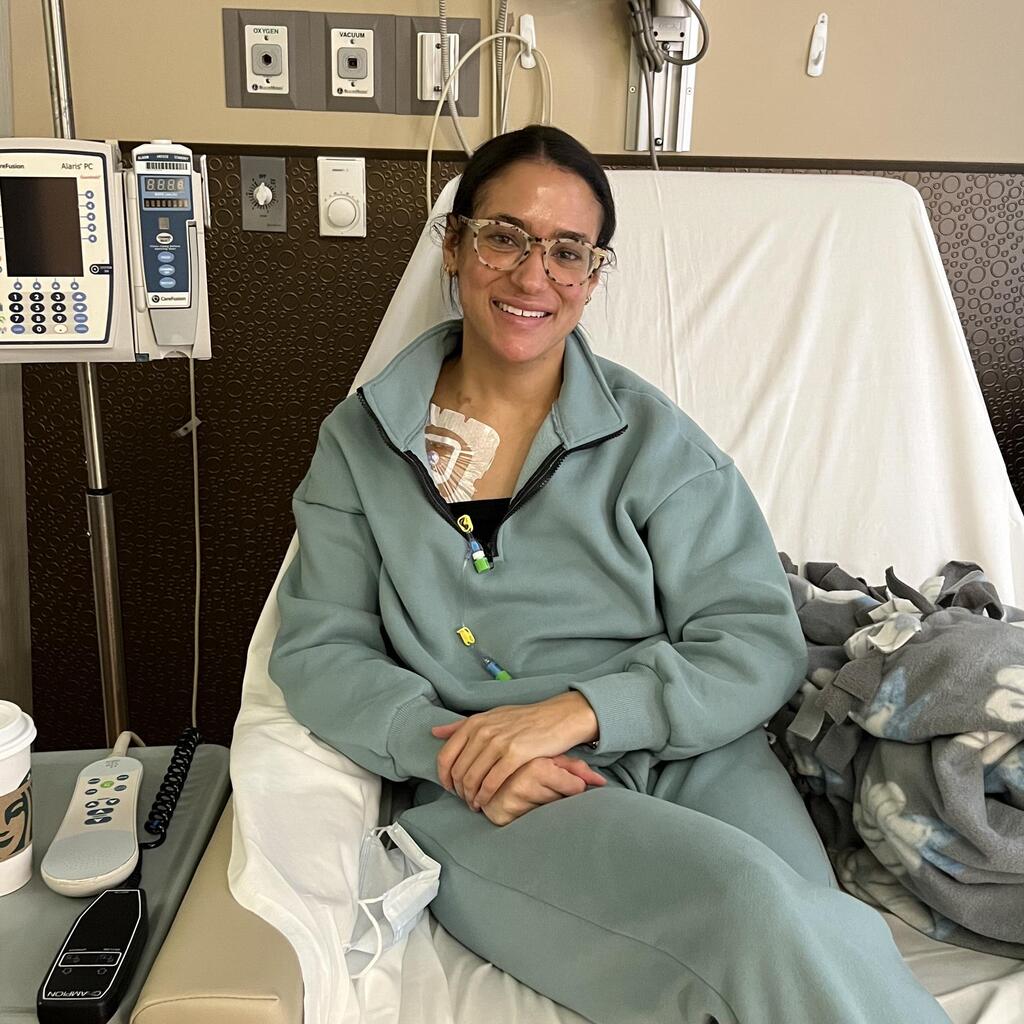
'They said it was colorectal cancer because I understood the odds were best.' Adrian Ford
(Photo: gofundme.com)
The case of Ford is no longer unusual. In recent years, there has been a steady increase in colorectal and rectal cancer among young adults, including people with no clear risk factors or typical symptoms.
Who are blood tests intended for?
Against this backdrop, the American Cancer Society (ACS) has updated its guidelines for early detection of colorectal cancer and rectal cancer, and for the first time included blood tests as a screening option. The updated recommendations, published in the journal CA: A Cancer Journal for Clinicians, are based on a review of studies and modelling of how new screening tools may affect morbidity and mortality.
However, the ACS emphasizes that blood tests are not currently a preferred option. Colonoscopy and stool-based tests remain the most effective and recommended tools for early detection, mainly because blood tests are less effective at identifying precancerous polyps and early-stage cancer. According to the guidelines, blood tests are intended mainly for people who are unwilling or unable to complete colonoscopy or stool testing.
“Blood tests are not the first choice,” said Dr. William Dahut, the ACS’s chief scientific officer, in an interview with CNN. “There are many people who cannot or will not undergo colonoscopy, or who are not willing to collect a stool sample. More options may help more people get screened, detect cancer earlier and allow us to cure more patients.”
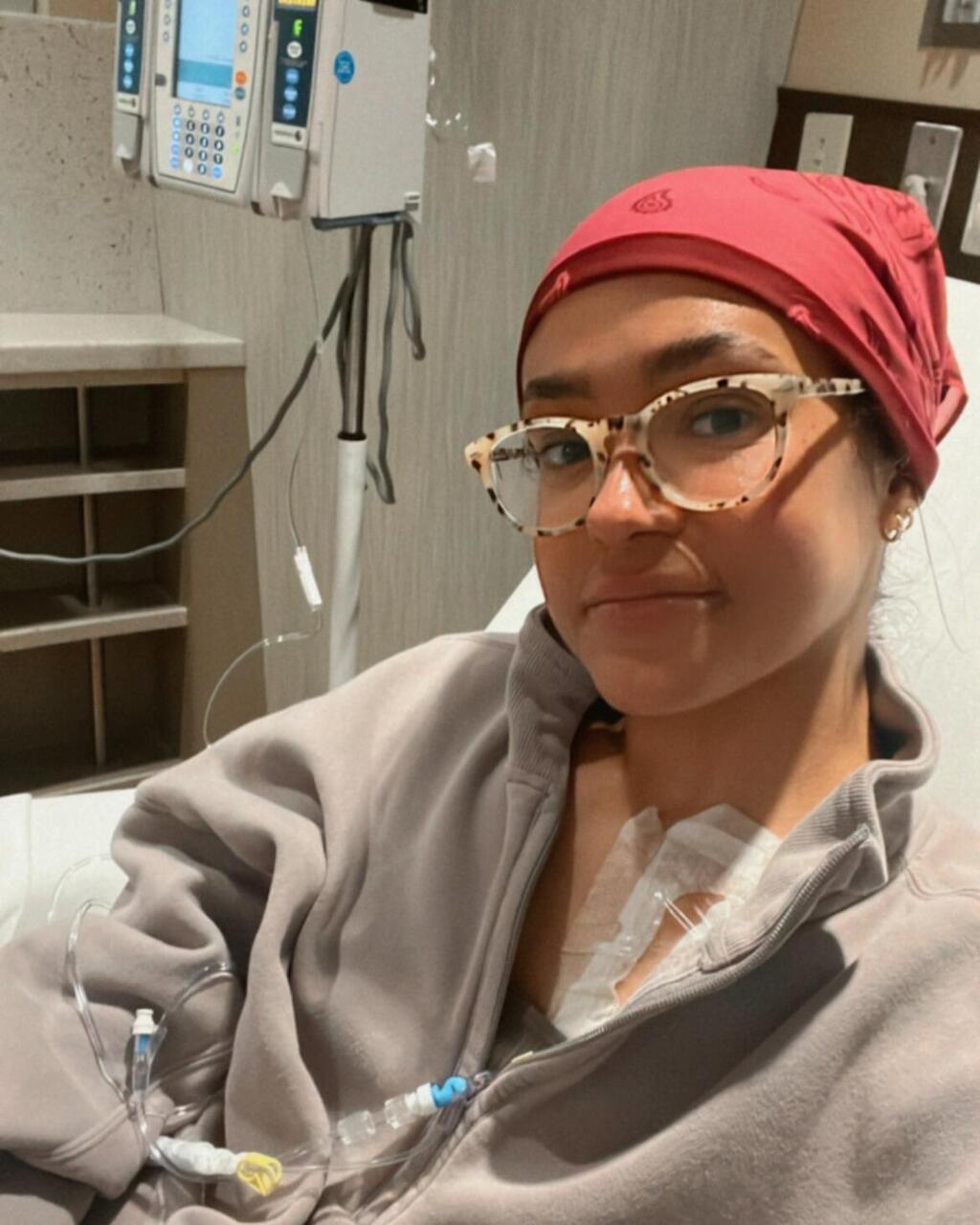
The case of Ford is no longer unusual
(Photo: gofundme.com)
Under the updated guidelines, adults aged 45 and older at average risk should undergo regular screening. Recommended options include high-sensitivity stool tests or visual screening methods, depending on patient preference and availability. These include colonoscopy every 10 years, virtual colonoscopy every five years, flexible sigmoidoscopy every five years, annual FIT or high-sensitivity fecal occult blood tests, and multi-target stool DNA tests every three years.
Blood tests, including Guardant Health’s Shield test, are recommended only for those who refuse or do not complete preferred screening methods. Before referring a patient for a blood test, clinicians are advised to explain that its sensitivity is lower for detecting advanced precancerous lesions and early cancer, and that a positive result requires follow-up colonoscopy.
The recommendations do not apply to high-risk individuals, including those with a personal or family history of colorectal cancer, advanced polyps, inflammatory bowel disease, hereditary genetic syndromes or prior radiation to the abdomen or pelvis. They are also intended for people without symptoms. Dr. Dahut stressed that symptoms such as bleeding, abdominal pain or changes in bowel habits require direct evaluation with colonoscopy rather than blood or stool testing.
Concerning rise among younger adults
According to data cited in the ACS guidelines, colorectal cancer incidence among people under 50 rose by about 3% annually between 2013 and 2022. Among adults aged 50 to 64, rates also increased, though more modestly, by 0.4% per year. Rectal cancer incidence has also risen by about 1% annually since 2018 and now accounts for nearly one third of all colorectal cancers.
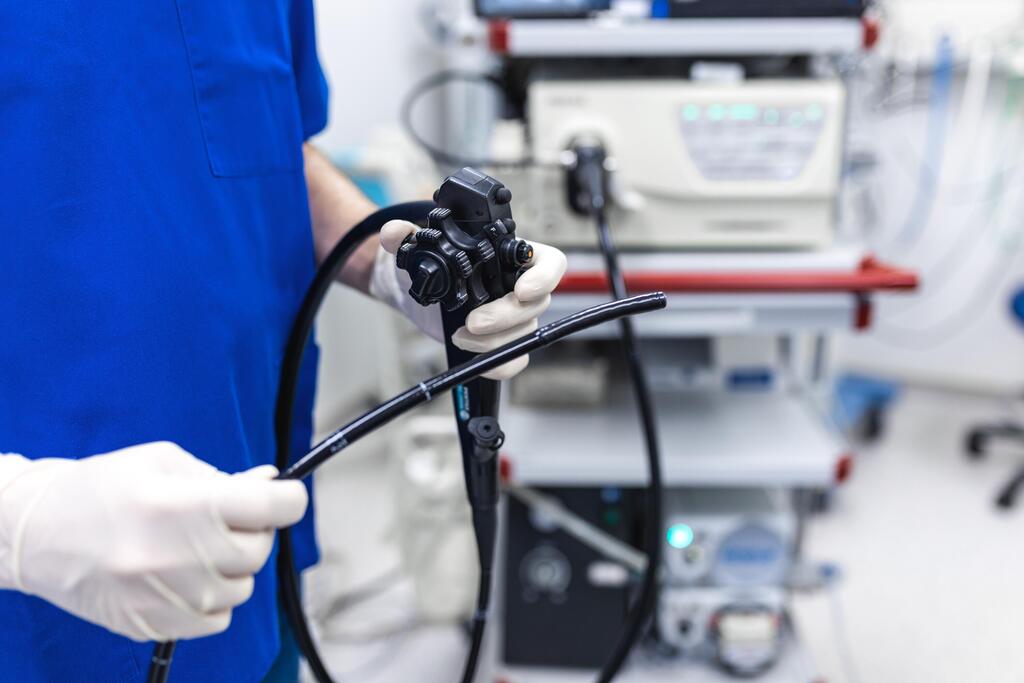
Colonoscopy and stool-based tests remain the most effective and recommended tools for early detection
(Photo: shutterstock)
The authors note that colorectal cancer is now the leading cause of cancer death among men under 50 in the United States and the second most common among younger women. In 2026, an estimated 158,850 new cases and about 55,000 deaths are expected in the U.S.
Although the ACS lowered the recommended screening age from 50 to 45 in 2018, participation rates among younger adults remain relatively low. In 2023, only 37% of people aged 45 to 49 reported being up to date with screening, compared with 55% among those aged 50 to 54.
Researchers say one reason for adding new screening options is to increase participation. Studies suggest that offering multiple choices improves adherence, since “the most effective screening test is the one the patient actually completes.”
How blood tests work
The main blood test included in the guidelines is Shield by Guardant Health, approved by the FDA in 2024 and covered by Medicare in the United States. The test detects fragments of tumor-derived DNA circulating in the blood linked to colorectal cancer and is covered once every three years.
The main study evaluating the test, ECLIPSE, included nearly 8,000 participants across more than 200 medical centers in the U.S. All participants also underwent colonoscopy, which served as the reference standard.

Colorectal cancer
(Photo: shutterstock)
The results showed that the blood test detected 83.1% of colorectal cancer cases overall. However, its ability to detect early-stage disease was lower: sensitivity for stage 1 cancer was 64.7%. For stages 2 to 4, sensitivity reached 100%.
A key limitation is the reduced ability to detect polyps and precancerous lesions — changes that can later develop into cancer. In the ECLIPSE study, the test detected only 13.2% of advanced precancerous lesions. In another study, PREEMPT CRC, a different blood test by Freenome showed 12.5% sensitivity for such lesions and was still under FDA review at the time of publication.
Researchers say this is a major limitation because much of the life-saving value of screening comes from detecting and removing precancerous polyps before they turn into cancer. Modeling studies cited in the guidelines suggest that about 80% of the long-term benefit of screening comes from identifying and removing these lesions.
As a result, blood tests are not currently considered a preferred screening method. The ACS says they may be useful mainly for people who would otherwise not undergo colonoscopy or stool testing, since some screening is better than none.
“A cancer that is often preventable”
Dr. Shira Shor, a gastroenterologist at Maccabi Healthcare Services, explains that blood-based tests detecting circulating tumor DNA are becoming more common across oncology. “These technologies are expanding into different fields, including oncology,” she says. “We are beginning to see them entering early detection and hope they will also help in prevention in the future.”

Dr. Shira Shor
(Photo: Private album)
However, she stresses the key distinction between new blood tests and existing screening tools. “The American Cancer Society recommended these tests mainly for people who, for various reasons, do not undergo standard screening,” she says. “They are primarily designed for early detection of existing cancer, not prevention. Early detection is extremely important, but in many cases the disease can actually be prevented.”
Most colorectal cancers, she notes, begin as polyps that can be removed. “If you identify and remove them in time, you can prevent cancer from developing,” she says.
Colonoscopy, she emphasizes, remains the most effective preventive tool. “This is one of the few cancers that can truly be prevented,” she says. “The problem is that in many cases we miss the window for early detection. There is no reason that nearly 3,000 new cases should be diagnosed in Israel every year when this disease is often preventable.”
Stool-based tests with higher sensitivity are also part of updated recommendations, alongside colonoscopy. Dr. Shor adds that people should understand their personal risk level, especially family history, which can significantly increase risk.
New stool DNA tests
The results showed that the blood test detected 83.1% of colorectal cancer cases overall
(Photo: shutterstock)
Alongside blood tests, the updated guidelines also include newer molecular stool tests such as ColoSense and Cologuard Plus. These are at-home tests that analyze stool samples for biological markers associated with colorectal cancer.
In one major study of ColoSense involving more than 14,000 participants, the test detected 94.4% of colorectal cancers, compared with 77.8% for the standard FIT test. It also identified all stage 1 cancers in the sample, compared with about 71% for FIT. For advanced precancerous lesions, ColoSense showed 45.9% sensitivity versus 28.9% for FIT.
However, researchers note a trade-off: lower specificity, meaning more false positives and more follow-up colonoscopies for people without significant disease.
Cologuard Plus, evaluated in a study of more than 26,000 participants, showed 93.9% sensitivity for colorectal cancer and 43.4% for advanced precancerous lesions. The updated guidelines now consider these stool DNA tests preferred screening options every three years.
Improving participation
Researchers believe blood tests may improve screening rates, especially among people who avoid colonoscopy or stool testing. Guardant Health told CNN that more than 90% of people complete screening when offered a blood test, compared with 28% to 71% for colonoscopy or stool-based methods. However, guideline authors note that real-world data are still limited, including long-term adherence and follow-up rates after positive results.
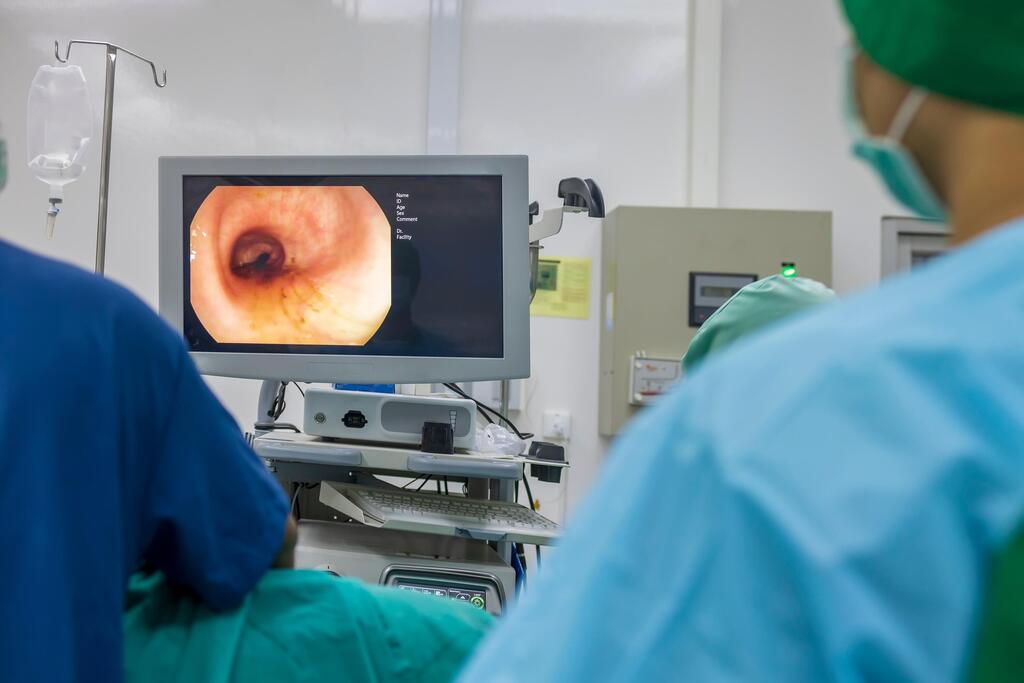
Researchers believe blood tests may improve screening rates, especially among people who avoid colonoscopy
(Photo: shutterstock)
Surveys cited in the guidelines show 53% of respondents preferred a blood test every three years, compared with 32% who preferred annual stool testing and 16% who preferred colonoscopy every 10 years.
In its conclusion, the ACS states that newer stool DNA tests join the list of preferred screening options for colorectal cancer. Blood tests, however, are not yet considered an equivalent alternative to colonoscopy or stool-based screening, but rather an option for those who would otherwise remain unscreened.
The central message remains clear: any positive result from a non-colonoscopy test — whether blood or stool — requires follow-up colonoscopy, ideally within six months.