

For many older adults, a fall does not end with a minor injury. It can lead to a fracture, prolonged hospitalization, a significant decline in functioning, loss of independence and even an increased risk of death in the year following the event. That is why researchers around the world have focused in recent years on one question: Can the risk of a fall be identified before it happens?
What can our walking pattern tell us?
The way we walk changes even before significant functional problems appear. Researchers have found that changes in walking speed, step length, stability, symmetry between the legs, the amount of time both feet remain on the ground and the height at which the foot passes above the floor may indicate an increased risk of stumbling or falling.
Gallery
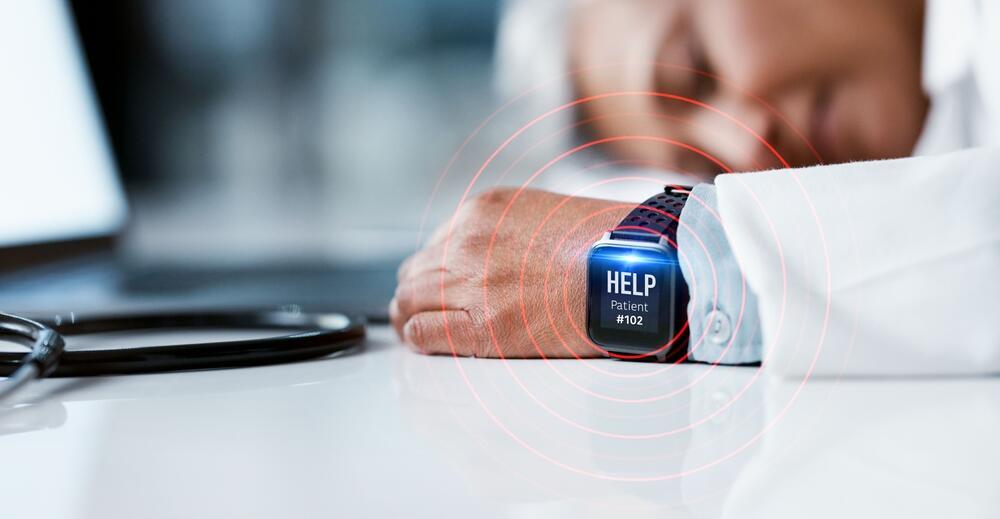
Smartphones and smartwatches can collect information on various walking-related measures, including walking speed, step length, stability, differences between steps and sometimes gait symmetry
(Photo: Shutterstock)
In recent years, gait analysis has become one of the most important tools for early identification of people at increased risk of falls. Most smartphones and smartwatches contain sensors that detect movement and changes in direction. These sensors can be used to track walking patterns during daily routines — for example, while walking at home, on the street or in a supermarket — and collect information that may indicate changes in function over time.
According to studies from recent years, smartphones and smartwatches can collect information on various walking-related measures, including walking speed, step length, stability, differences between steps and sometimes gait symmetry. This information may help identify changes in physical function that often develop gradually and may indicate an increased risk of falls.
Although measurements taken by a smartphone or smartwatch are not as accurate as those performed in a professional gait laboratory, studies show they are accurate enough to track changes over time, identify deterioration in walking patterns and alert users when a professional evaluation or therapeutic intervention may be needed.
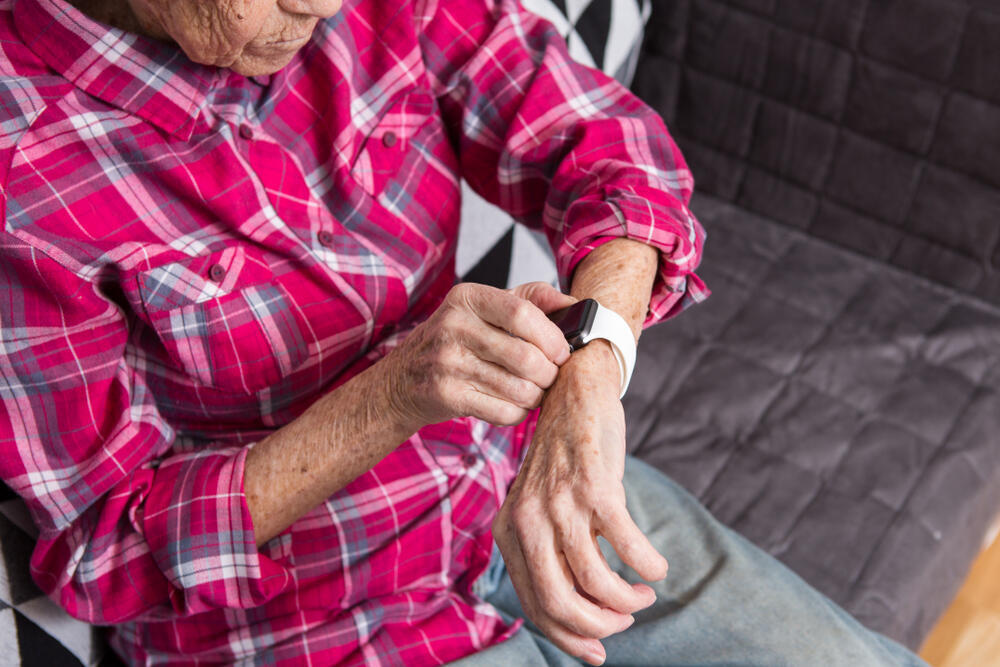
Although measurements taken by a smartphone or smartwatch are not as accurate as those performed in a professional gait laboratory, studies show they are accurate enough to track changes over time
(Photo: Shutterstock)
In other words, instead of relying only on a one-time clinic assessment, continuous monitoring can provide a broader and more realistic picture of how a person walks during everyday life — at home, on the street, while shopping or during other routine activities. Continuous monitoring in a person’s natural environment may reveal information that is not always visible during a short clinical examination.
Alongside the promise of the technology, researchers also emphasize its limitations. Based on current evidence, smartphones and smartwatches can identify changes in walking patterns, estimate who is at increased risk of falling and track changes in function over time. However, there is still no conclusive evidence that using these devices alone reduces the actual number of falls.
This means the technology does not directly prevent falls. Instead, it provides a tool that can alert users to functional decline before a fall occurs. When changes are detected early, a person can be referred for a professional evaluation, receive a tailored treatment or rehabilitation plan and receive intervention sooner to reduce risk.
Monitoring without going to the clinic
A series of studies published in recent years show that smartwatches, smartphones and other wearable sensors can be used to remotely track walking patterns among older adults, even while they are at home and in their natural environments. Researchers found that data such as walking speed, step length, differences between steps and stability while walking can help assess fall risk and track progress during treatment or rehabilitation.
Following these findings, more researchers believe such measures could eventually become part of remote healthcare services. Physical therapists and other professionals may be able to monitor patients between clinic visits, identify changes in function and determine whether intervention or adjustments to treatment plans are needed.
Additional studies indicate that commercial devices, such as the Apple Watch, iPhone and similar products, can also provide reliable measurements of various walking-related indicators. Researchers estimate that this information could help identify early functional decline and lead to earlier intervention.
What can be done today?
Even without specialized medical equipment or complex testing, several simple steps can help maintain stability and reduce the risk of falls:
Use your smartwatch or smartphone. If your device supports gait monitoring, consider activating the feature and tracking the data over time. When using a phone, it is recommended to carry it in a back pocket while walking, while a smartwatch allows more continuous and convenient monitoring throughout the day.
 Dr. Sam KhamisPhoto: Courtesy
Share the data with your physical therapist or doctor. Walking data can provide additional information about functioning and help professionals determine whether changes have occurred that require adjustments to treatment, exercises or further evaluation.
Practice balance and strengthen your leg muscles. Simple exercises, such as standing up and sitting down from a chair, standing on one leg or walking in a straight line, can improve stability and reduce the risk of falls.
Make your home safer. Ensure good lighting, remove objects that may cause tripping, secure loose rugs and install handrails in areas with increased risk, such as bathrooms and stairways.
Do not be afraid to use walking aids when needed. A cane, walker or other assistive devices are not a sign of weakness. They are tools that can improve stability, increase confidence and help maintain independence.
What does the future hold?
An increasing number of studies suggest that continuous monitoring of walking patterns may become an integral part of preventive medicine and care for older adults in the coming years. As technology improves and research advances, gait monitoring may eventually become a routine check, similar to measuring blood pressure or heart rate, helping identify functional changes before obvious signs appear.
However, researchers stress that technology does not replace a medical examination or an evaluation by a physical therapist. Data collected through a smartphone or smartwatch are supportive tools that can complement professional assessments, help identify early functional decline, guide further evaluation when necessary and enable personalized treatment or rehabilitation plans.
If current research trends continue, the smartwatch on a person’s wrist may eventually do more than count steps or measure heart rate. It may also detect subtle changes in walking patterns, warn when the risk of falling increases and give doctors and physical therapists an opportunity to intervene earlier. For many older adults, such intervention could make the difference between continued independent living and a significant decline in function and quality of life.
Dr. Sam Khamis is a physical therapist specializing in motion analysis, director of the IMACS Center for Physical Therapy and Motion Analysis and director of the Center for the Study of Movement, Cognition and Mobility at Tel Aviv Sourasky Medical Center (Ichilov).