

As Operation Roaring Lion continues and public attention remains focused on Israel’s physical security, another front is taking shape more quietly, but no less significantly: the mental health toll of prolonged conflict.
For millions of Israelis, the challenge is no longer limited to isolated moments of acute fear. It is the cumulative effect of ongoing stress, disrupted routines, repeated alerts, uncertainty, economic strain, displacement and continuous exposure to threat. This burden is affecting not only those with prior vulnerability, but also individuals and families who, until recently, were functioning well.
Gallery

The prolonged conflict is taking a toll on the mental health of Israelis
(Photo: Shutterstock)
The consequences are increasingly visible. Demand for mental health support is rising. Emotional distress is becoming more widespread. Sleep problems, anxiety, depressive symptoms, irritability and difficulty functioning are becoming part of daily life for many. In some cases, people recover with time and support. In others, symptoms deepen, persist, and evolve into more serious clinical conditions.
It is important to recognize that not every emotional response to war should be pathologized. Distress under prolonged threat is often a normal reaction to an abnormal reality. But when distress becomes persistent, impairing and disabling, the system must be ready to respond early, effectively and at scale.
This is where Israel faces a real challenge.
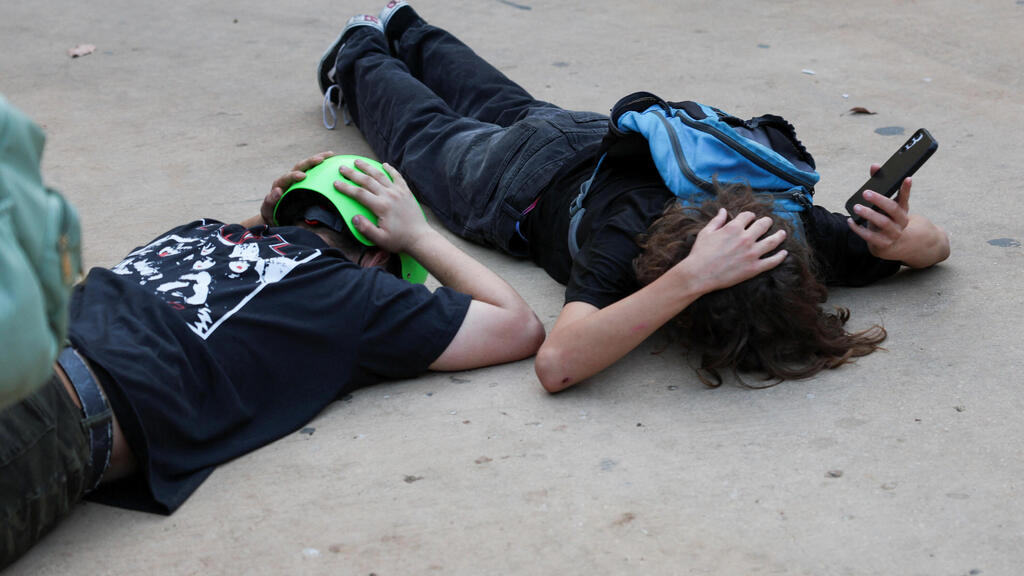
Israeli children caught outside during an air raid siren
(Photo: Violeta Santos Moura/Reuters)
The country needs a broad mental health response that includes prevention, early identification, community-based support, accessible psychotherapy, and targeted care for those with more severe symptoms. Resilience is not simply the absence of suffering. It is the capacity of individuals, families, communities, and institutions to maintain function, adapt, and recover under sustained pressure. Protecting that resilience must be treated as a national priority.
At the same time, we should be honest about the limitations of current systems. Even before the present conflict, mental health services were under strain. Waiting times were long, access was uneven, and many people fell between the cracks. Under prolonged wartime conditions, those gaps become even more consequential.
This reality also requires us to think beyond conventional responses alone. Alongside strengthening public services and community frameworks, there is a growing need to advance innovative and evidence-based approaches for people suffering from depression, trauma-related symptoms and treatment-resistant conditions. Times of national crisis do not reduce the need for innovation in mental health; they sharpen it.
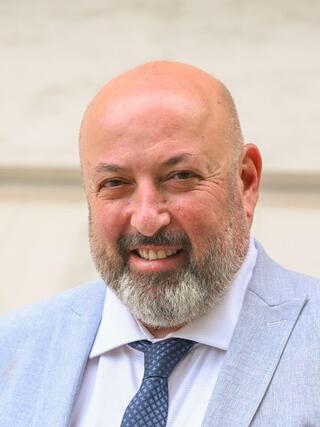 Professor Itamar GrottoPhoto: Shahar Azran
Mental health is not a secondary issue to be addressed later, once the security situation improves. It is part of national endurance in the present. It affects family stability, workforce functioning, educational continuity, social cohesion, and the country’s long-term capacity to recover.
Because even when the immediate threat recedes, the emotional and psychological burden does not simply disappear. Recognizing that burden—and responding to it with seriousness, compassion and long-term commitment—will be essential to Israel’s recovery and resilience.
Professor Itamar Grotto is a public health physician and former Associate Director-General of Israel’s Ministry of Health. He currently serves as Chairman of PsyRx, a company developing innovative treatments for mental health conditions.
First published: 19:49, 03.31.26