

China may soon measure the development of personalized cancer vaccines in days rather than weeks. Construction has begun in Beijing on what is being described as the country's first production line for AI-based personalized cancer vaccines, a project that aims to use artificial intelligence to analyze each patient's tumor and design a customized treatment in just one day.
The project is being developed by Likang Life Sciences, which is building a new pharmaceutical research and manufacturing center in Beijing. According to local authorities, about 110 million yuan (16.1 million dollars) has been invested in the project, and the facility is expected to begin operations as early as October.
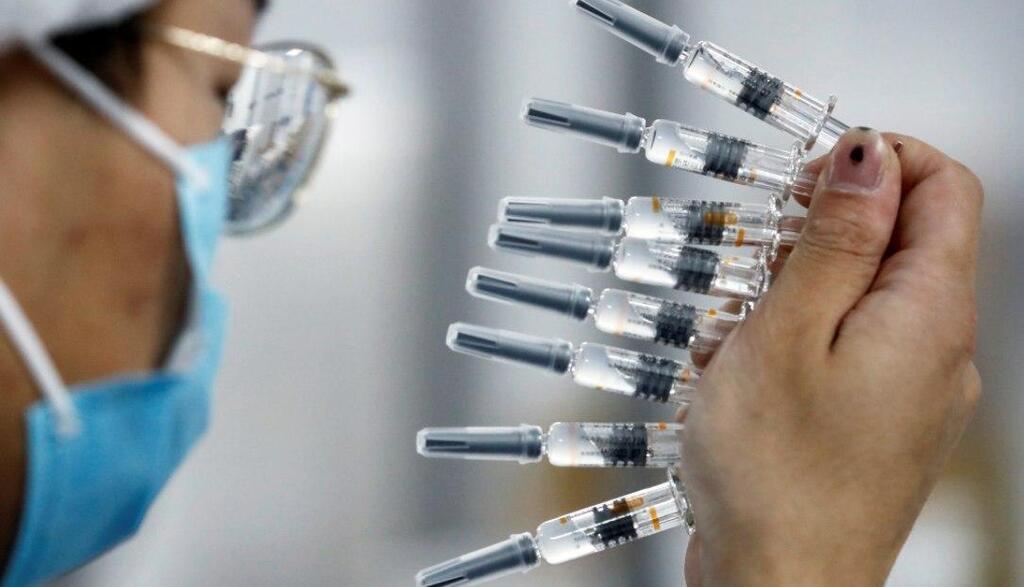
AI-powered personalized treatment
Unlike conventional vaccines, which are manufactured in advance for broad populations, personalized cancer vaccines are created individually for each patient. A sample is first taken from the patient's tumor, after which its DNA is sequenced to identify the genetic mutations responsible for the disease. Based on that information, researchers develop a vaccine designed to train the patient's immune system to recognize and attack the cancer cells.
According to the company, this is where artificial intelligence comes in. Instead of requiring researchers to spend days or longer analyzing massive volumes of genetic data, AI algorithms can perform the analysis, identify the most significant mutations and help design the vaccine within about 24 hours.
If the technology proves effective, it could dramatically reduce the time between a cancer diagnosis and the start of treatment. For now, however, the approach remains experimental and will need to complete clinical trials and obtain regulatory approval before it can become a widely available medical treatment.
A global race to bring AI into drug development
China's initiative comes amid a global race to integrate artificial intelligence into drug development. In recent years, AI has become a core tool for pharmaceutical and biotechnology companies, not only in discovering new drugs but also in designing clinical trials, analyzing medical databases, monitoring outcomes and preparing medical documentation.
The idea is straightforward: shift tasks that once required thousands of hours of researchers' work to machines, enabling faster delivery of high-quality results.

AI has become a core tool for pharmaceutical and biotechnology companies
(Photo: Shutterstock)
The sector is also attracting unprecedented levels of investment. According to a Bank of America forecast, the AI healthcare market could surpass 1 trillion dollars by 2035. The bank estimates that combining AI with medicine will automate complex processes, improve diagnostic accuracy and expand the use of personalized treatments.
For China, the project also addresses a major public health challenge. According to the country's National Cancer Center, approximately 5.15 million new cases of malignant tumors were diagnosed in 2024, including about 2.67 million among men and the remainder among women.
Although widespread adoption of AI-based personalized cancer vaccines is still some way off, the race is already underway. A growing number of companies are turning to artificial intelligence to shorten one of the longest and most expensive processes in medicine: the development of new drugs and treatments. For China, the effort represents not only a healthcare priority but also another opportunity to strengthen its technological leadership.