

Deep in the darkness somewhere in southern Lebanon, a reserve female officer and doctor walks carefully through the terrain. On her back, she carries medical equipment weighing dozens of kilograms. In her hand, she holds a dark walking stick, using it to find her way and avoid stumbling. Around her there is maximum alertness and a silence that could explode at any moment.
Capt. (res.) Dr. M. is an unusual figure, even in a war where the extraordinary has become routine. In civilian life, she is a senior physician at a major hospital in central Israel, an experienced and respected medical professional.
Gallery
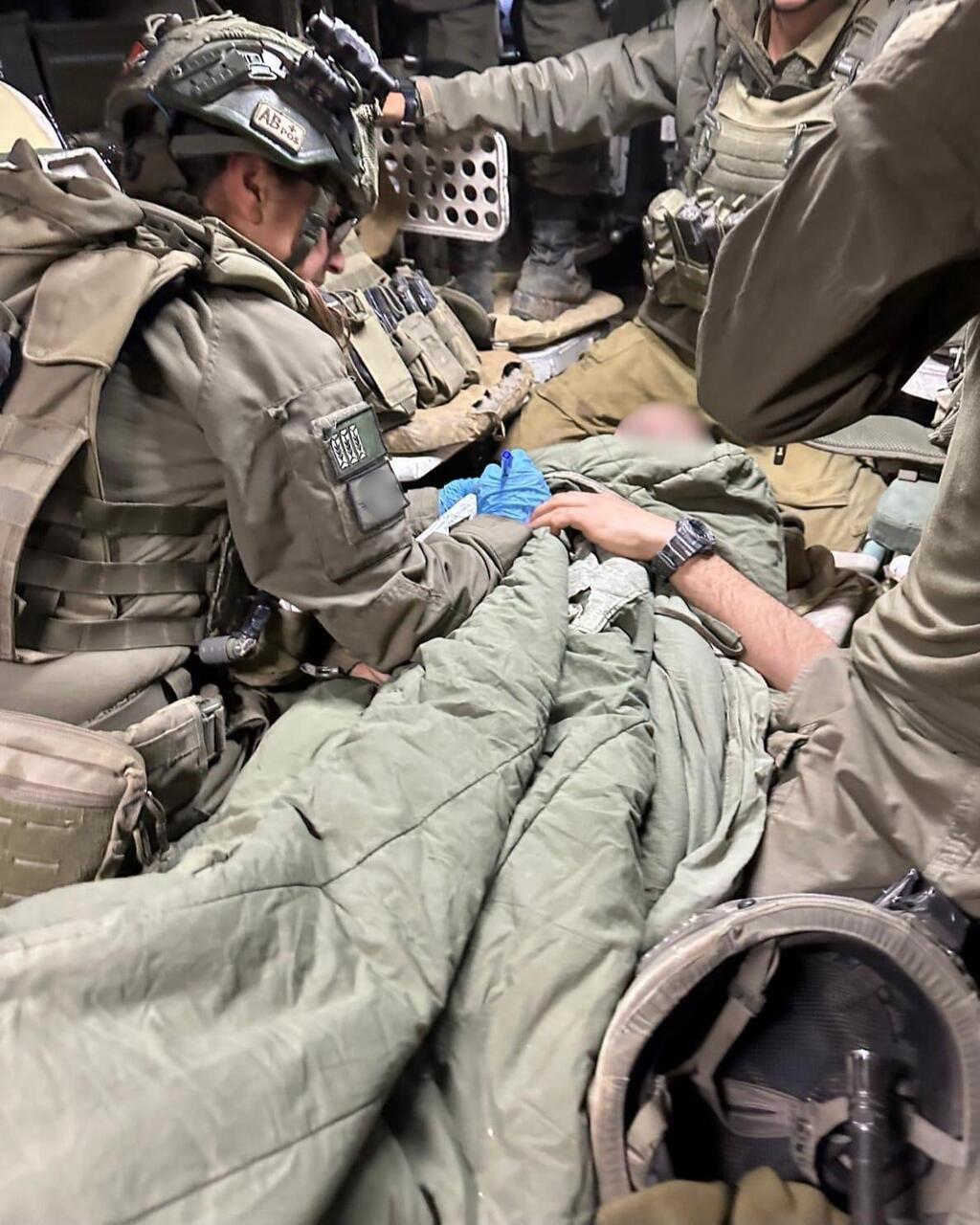
'I wasn’t sure they would accept someone my age'; Capt. (res.) Dr. M. treating wounded soldiers on the front lines
(Photo: IDF Spokesperson’s Unit)
But since October 7, she has been serving in the IDF reserves. After initially serving as a doctor with the Paratroopers Brigade, joining ground operations, participating in ongoing missions and treating dozens of wounded soldiers, she has spent recent months serving as a combat doctor with the Givati Brigade.
M. prefers not to reveal her age, but says she is the mother of two sons who also serve in the IDF. She is at a stage in life when many doctors in her position would choose to remain in the safer, air-conditioned hospital corridors.
Her children have long since grown up, and life could have become quieter. But then the war began. She chose, on her own initiative, to replace the sterile environment of the emergency room with sleeping on broken floors, first in Gaza and later in Lebanon, alongside soldiers, mostly the same age as her sons.
'Do you have time? Go into Gaza'
Although her civilian medical specialty remains confidential at her request, it is a highly sought-after and critical field on the battlefield. “In the IDF, this is a very needed profession,” Dr. M. says, fully aware of the added value she brings to the field. “Let’s just say I’m not afraid of routine medicine or trauma, not major trauma and not minor trauma.”
At the start of the war, when she sought to do her part, M. was initially assigned to a rear-area role. But as soon as the opportunity arose, she refused to stay behind and requested to serve closer to the front lines.
“They brought me back from an exemption I had held for many years,” she says. “At the hospital, I was involved in Home Front Command training and emergency preparedness efforts, which is how I developed a connection with the commanders there.
“When they were leaving the hospital, I asked them: ‘Do you need doctors?’ “I wasn’t sure they would accept someone my age. I thought they might assign me to a clinic somewhere. Instead, they said: ‘Great. Do you have time? Go into Gaza.’”
The decision to enter the heart of the fighting created a complicated family situation. “My first thought was not to tell them, because why worry them? But then I realized I couldn’t do that. If something had happened, I would be angry myself if one of them had entered there without telling me.
“I called my husband and said: ‘Listen, I’m going into Gaza.’ At first, we considered not telling the boys, but given their own military service, we knew there was no way to keep it from them. Their reaction was very moving: ‘Mom, you lost the right to worry about us. From now on, we worry about you.’”
Since then, she has moved with the forces across multiple fronts. “I went from Gaza to Lebanon, from there to Syria and then back to Lebanon, including deep operations on all fronts.”
In every one of those fronts, there was, and still is, active fighting. Aren’t you afraid?
“It’s not fear but rather a heightened state of alertness, always preparing for what might happen next. Toward the end of my time with the Paratroopers Brigade, when they moved to a sector where my presence was less needed, I said: ‘Okay, that’s enough. It’s time to go home and wrap up my reserve duty.’
“But then they asked if I could help Givati. When they moved north, I went with them. Every time I say, ‘That’s enough,’ something happens. My equipment is always packed and with me, and when there is an alert, within a minute and a half we are in the Humvee, ready to treat whoever needs us.”
The physical demands were significant, but she was determined to remain fully independent in the field. She recalled that at first, every 200 meters felt like a challenge, as she carried her combat gear along with a massive medical bag.
Today, she says, she does not allow anyone else to carry her equipment. Her biggest fear is that someone will get hurt while trying to protect her, so she insists on managing on her own.
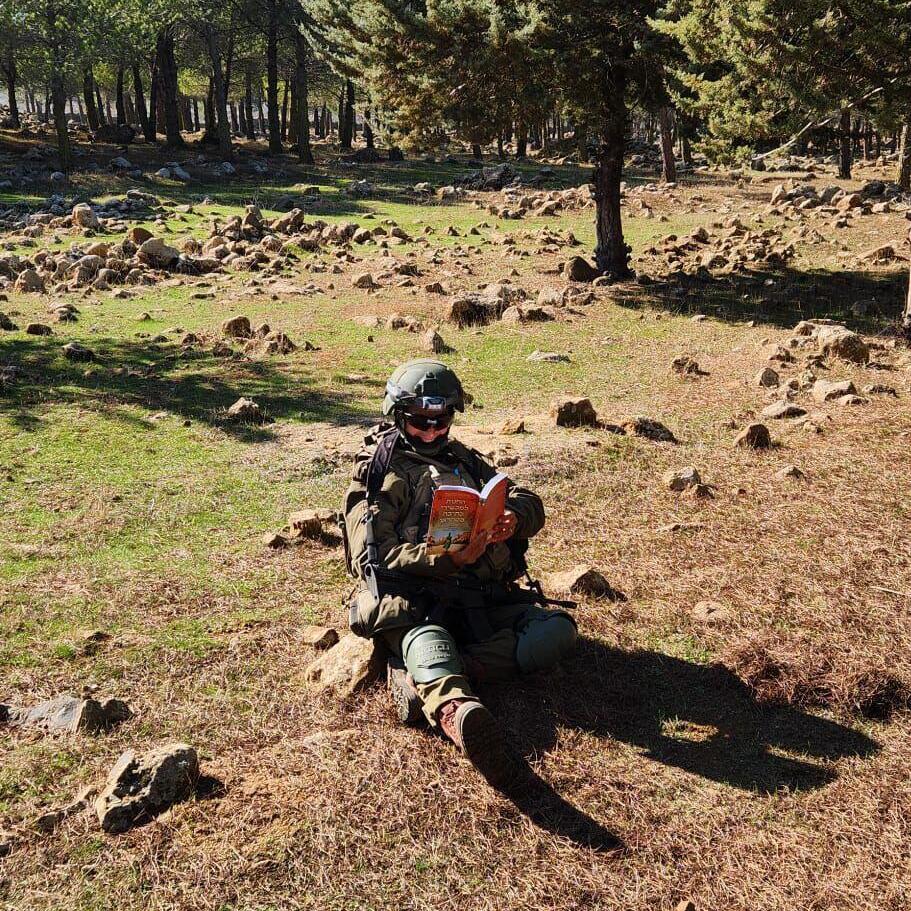
'I have to adapt within a split second to different medical protocols'
(Photo: IDF Spokesperson’s Unit)
Her being a woman, and often the only one in a male-dominated combat environment, has never been an obstacle. “Wherever I am, it has never been an issue. Some female medics and paramedics move around with the forces, and I have met incredible women in the field, from the operations female officer in Home Front Command who recruited me to female doctors and commanders.
“It’s important to me that the people around me feel comfortable, not the other way around. If we sleep somewhere new, I find a spot away from everyone and ask the younger soldiers: ‘Is it okay if I sleep here with you?’ It comes from me making sure they feel comfortable with me, not the other way around.”
Medical life at the front is defined by sudden shifts from routine to chaos. “You go from zero to 100,” she explains. “There is the normal routine of combat, and suddenly something happens and everything changes, especially during a medical incident.
“There is no such thing as a ‘lightly wounded’ soldier. A soldier whose eardrum is torn by an explosion may be classified as lightly wounded, but that is a disability with lifelong consequences.
“And there is also routine medicine on the battlefield. Soldiers need medical care immediately, here and now, not to be sent somewhere in the rear to see a doctor later. I’m there for that as well.”
'My soul became connected to his'
Her extreme professionalism was put to the test during a difficult incident in Lebanon, when a young soldier lost both legs and survived despite suffering devastating injuries. Dr. M. treated him under heavy fire while risking her own life, but she refuses to take credit.
“People always tell me, ‘You saved his life,’ but I didn’t save his life. His soldiers saved him by putting on a tourniquet. “My most important contribution was training them to do that a few days earlier.
“My soul became connected to his and to his wonderful family. It’s a connection for life. When I’m lacking a little strength, I go visit him during rehabilitation. When I see him recovering and rebuilding his life, I remember why I’m here.”
The reality of combat medicine requires an unprecedented level of professional flexibility. “I’m working simultaneously with four completely different medical protocols: pre-hospital trauma management, hospital trauma care and tactical military medicine. I have to adjust myself within a split second. What I do in the field can be the complete opposite of what I do in the hospital.”
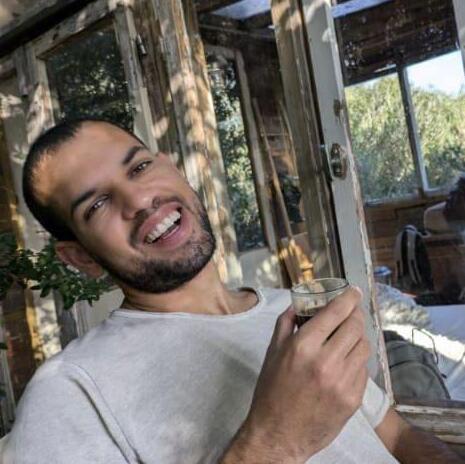
'The terrible price we pay to live peacefully in our country'; in memory of Capt. Dr. Ori Yosef Silvester
(Photo: IDF Spokesperson’s Unit)
On her phone, Dr. M. keeps photos of colleagues from the medical profession and military service who lost their lives during the war, including Capt. Dr. Ori Yosef Silvester, a doctor with the Givati Brigade’s Shaked Battalion who was killed by an FPV drone strike.
“The photos are there to remind me of the terrible price we pay to live peacefully in our country,” she says. “How much pain remains for the families and loved ones, how fragile life is, and why I do what I do.”
'I’ll come next week'
In recent days, after months on the front lines, M. left Lebanon. Returning home to her family has required a difficult and emotional adjustment. “It’s a completely different phase,” she says. “It takes time to make the switch. Your body and mind are still there.”
“When you hear the sound of a drone in Lebanon, your entire body goes into alert mode and you run for cover. When you hear that sound at home, you have to remind yourself that everything is okay; it’s just the neighbors fixing their pergola.”
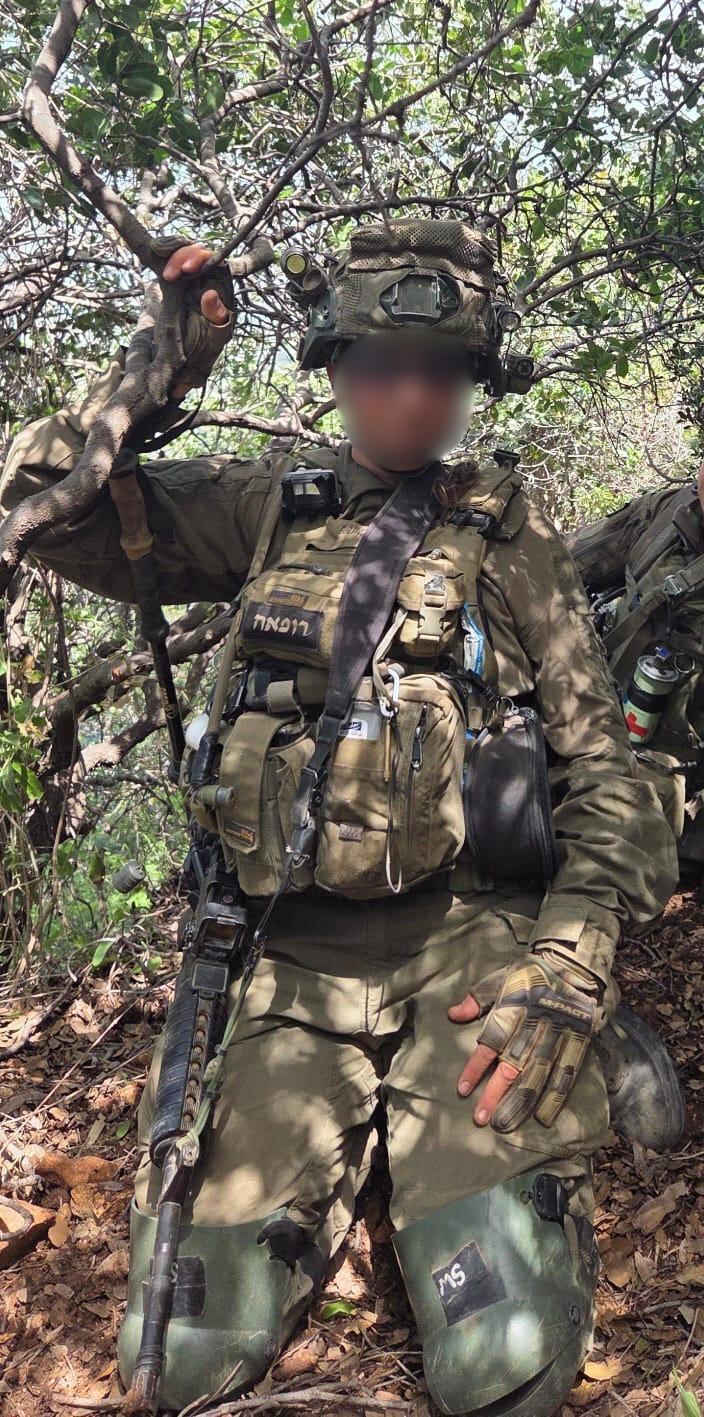
'I ask myself where I am most needed'; Capt. (res.) Dr. M. chose to serve as a doctor alongside a maneuvering combat brigade
(Photo: IDF Spokesperson’s Unit)
The break has finally allowed her to return to the “ordinary things in life,” especially spending time with her sons, who themselves have returned home from the military. This week, she returned to the north, this time as a tourist. "Yesterday we went hiking at Amud Stream. My husband asked me what it feels like to walk without 30 kilograms on my back. It’s so light! It’s wonderful."
Despite her family’s calls for her to end her military service and stay home, M. makes clear that this is not the end. “It’s not over; it’s just a break. After such a long period, there is a real dilemma about where I’m needed most. It’s clear to me that I have an incredibly meaningful profession to my team, my patients and the hospital. On the other hand, I’m a doctor serving with a combat brigade on the front lines. I ask myself where I am most needed.”
And what is the answer?
“Yesterday I received a message saying they want me to return to Lebanon tomorrow. I told them: ‘Tomorrow I can’t. I’ll come next week.’”