

Sleep is far more than just a way to feel refreshed in the morning—it turns out to be one of the most powerful predictors of how long you’ll live. A new study reveals that skimping on sleep not only leaves you tired, but could also significantly shorten your life.
According to the findings, insufficient sleep is more closely linked to a shorter lifespan than other well-known factors such as poor diet, lack of exercise, or even loneliness. This connection held steady year after year, leading to a simple but striking conclusion: consistently getting seven to nine hours of sleep per night may be one of the best long-term investments you can make in your health.

The 'sleep deprivation epidemic'
The study, conducted at Oregon Health & Science University (OHSU) and published in SLEEP Advances, the journal of the Sleep Research Society, found that too little sleep is strongly associated with reduced life expectancy—an even greater effect than that of poor nutrition or physical inactivity. Researchers argue this makes sleep one of the most neglected pillars of modern health.
To reach this conclusion, the researchers analyzed a massive national database, examining life expectancy patterns across U.S. counties. They cross-referenced mortality rates with detailed survey data collected by the Centers for Disease Control and Prevention (CDC) from 2019 through 2025.
We’ve always known sleep is important, but this research underscores the point in a critical way: people need to aim for seven to nine hours of sleep whenever possible
When evaluating lifestyle factors that influence longevity, sleep stood out above all others. Its connection to lifespan was stronger than that of diet, exercise or social isolation—second only to smoking in its negative impact.
“I didn’t expect the correlation with life expectancy to be so strong,” said Dr. Andrew McHill, the study’s lead author and a professor at OHSU’s School of Medicine. “We’ve always known sleep is important, but this research underscores the point in a critical way: people need to aim for seven to nine hours of sleep whenever possible.”
These findings align with the World Health Organization’s growing concern over what it calls a global “sleep deprivation epidemic.” While sleep needs can vary slightly from person to person, the WHO emphasizes that quality sleep is a vital third pillar of health—alongside nutrition and physical activity. Prolonged sleep deprivation, experts say, is not just a matter of fatigue but a direct risk factor for noncommunicable diseases (NCDs) such as diabetes, heart disease and obesity—the very conditions that are shortening lives in the Western world.
Even the experts were surprised
Although the scientific community has long recognized sleep’s role in overall health, the researchers behind this study admitted they were stunned by the precision and consistency of the correlation between sleep duration and longevity. In analyzing the data, sleep deprivation outpaced poor diet and lack of exercise as a predictor of life expectancy.
“It sounds intuitive and reasonable, but seeing it play out so powerfully across all the statistical models was surprising,” McHill added. “I’m a sleep physiologist who understands the health benefits of sleep, but the strength of the link we found was extraordinary.”
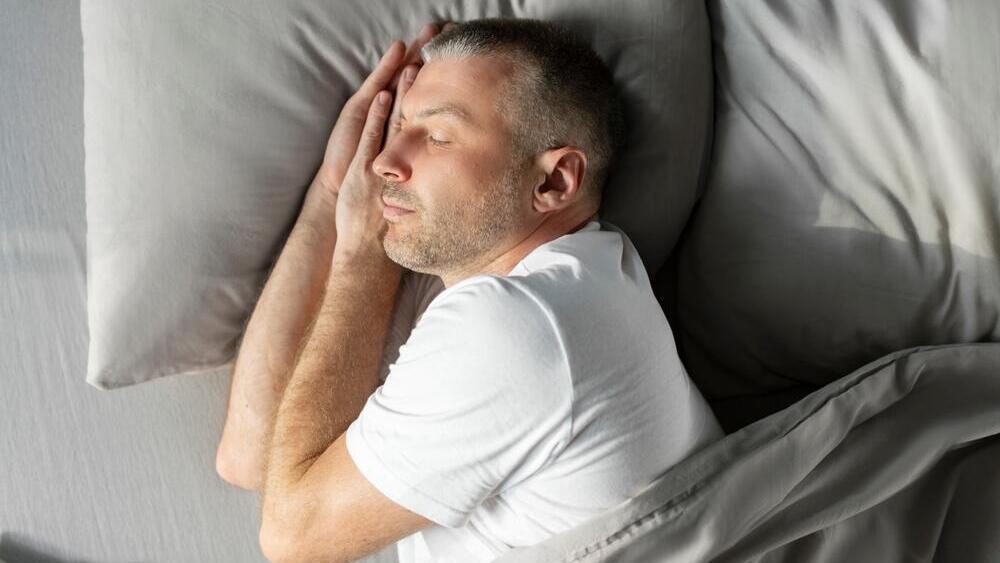
sleep deprivation outpaced poor diet and lack of exercise as a predictor of life expectancy
(Photo: Shutterstock)
Previous research has tied poor sleep to increased mortality risk, but this is the first study to show that correlation year after year, across every U.S. state. The study relied on the CDC’s definition of sufficient sleep—at least seven hours per night—matching the recommendations of professional sleep associations. The data revealed a consistent link between sleep duration and longevity across nearly all regions and years examined.
Why does this happen? The current study didn’t focus on the biological mechanisms behind the link, but McHill notes that sleep plays a vital role in cardiovascular health, immune system function and cognitive performance.
“This research shows we should be prioritizing sleep at least as much as we prioritize what we eat or how much we exercise,” he concluded. “Sometimes we treat sleep as something optional—something we can put off or catch up on later. But the takeaway is that a good night’s sleep won’t just make you feel better—it may help you live longer.”