

Are the long hours children in 2026 spend in front of screens really harming their emotional and mental health? A recent study published in the journal JAMA Network Open found that the answer is probably more complicated than it seems.
The researchers who authored the paper followed children for a decade, from early childhood through adolescence. They found a fairly varied picture of how different types and levels of screen use are associated with children's psychological and social development. The data showed no consistent link between increased screen use and poorer emotional, behavioral or social development, particularly after additional variables such as family functioning were taken into account.
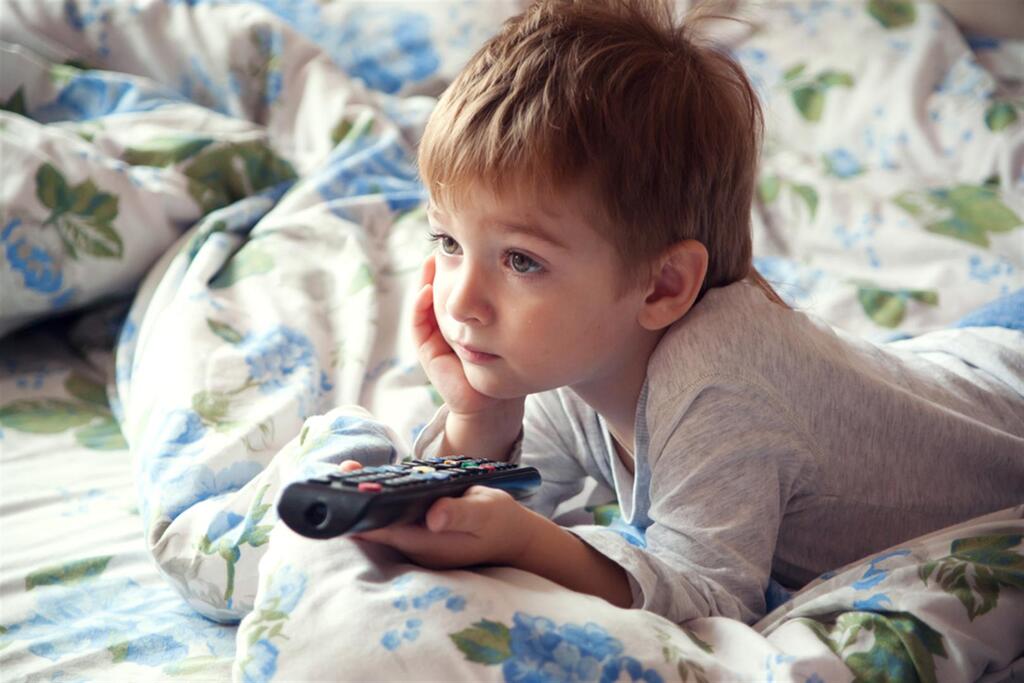
Over the past 20 years, digital and screen-based devices such as televisions and smartphones have become an integral part of children's lives and, in many cases, adults' lives as well. The effects of widespread screen exposure remain inconclusive, and researchers have sometimes reached different conclusions. According to the authors of the current study, some of the inconsistencies stem from sample sizes that are too small, the use of different research methodologies and differences between various stages of a child's development.
The study sought to address this gap by examining the associations between prolonged screen use and children's psychological and social development at three points in time: ages 5, 10 and 15. The authors also examined whether screen use at age 5 was associated with psychosocial outcomes that became apparent at ages 10 and 15.
The study was conducted through an analysis of a large Scottish birth cohort, using data from another study collected in 2009-2010, 2014-2015 and 2019-2020. The analysis included 3,786 5-year-olds, 3,126 10-year-olds and 2,598 15-year-olds.
Screen use outside of school was reported by parents or by the children themselves. Psychosocial development was assessed using a questionnaire completed by parents. The questionnaire measured emotional difficulties, behavioral difficulties, hyperactivity, difficulties with peers and a social score. The analyses also accounted for family functioning and other factors that could affect the outcome.

Children calming down by using a tablet
(Photo: Shutterstock)
The authors created an overall "difficulties score." A score of 14 or higher was classified as "above average," indicating a higher risk of difficulties, while a score of 7 or lower was classified as "below average," indicating a risk of social problems.
Among other findings, the researchers found that the median daily screen use outside of school increased from two hours at age 5 to three hours at age 10. The proportion of children spending three hours or more per day in front of screens was 25% at age 5 and rose to 52.4% at age 10. At age 15, 28.4% of teenagers spent three hours or more per day on social media and messaging apps.
At ages 5 and 10, there was no association between screen use and above-average emotional or behavioral difficulties after other potential confounding factors were taken into account. Only children with very high levels of gaming were found to have higher odds of a neurological disorder: Children who typically played for five hours or more per day "earned" a score of 14 or higher.
Overall, the findings suggest that more evidence is needed to define "healthy screen use" and to develop guidelines that go beyond limiting children's screen time. Future studies on the subject should take into account the type of content, age at exposure, environment, the device being used and the involvement of parents and caregivers.
However, critics of the study argue that it too is subject to bias. For example, screen use was reported by parents or children, while psychological and behavioral development was assessed using a questionnaire completed by parents. In addition, the group was predominantly white, with low representation of disadvantaged groups and single-parent households.