

Ariana Grande’s announcement in recent days that she would take a break from public performances, partly because of the “constant public criticism” she faced over her appearance, is not a story about one singer. It is a stark reminder that in recent years we have witnessed the resurgence of content promoting “heroin chic.” This is not simply a return to thinness, but a return to an anorexic aesthetic on turbo.
At our hospital, we treat women and men aged 18 and older who are dealing with various types of eating disorders. When asked about social media, some patients describe feeling that the discourse taking place online has invaded their lives. This can include influencers discussing healthy eating, which may prompt people close to them to ask questions. One of the most difficult things for patients is when someone forces them to talk about their problem.
Gallery
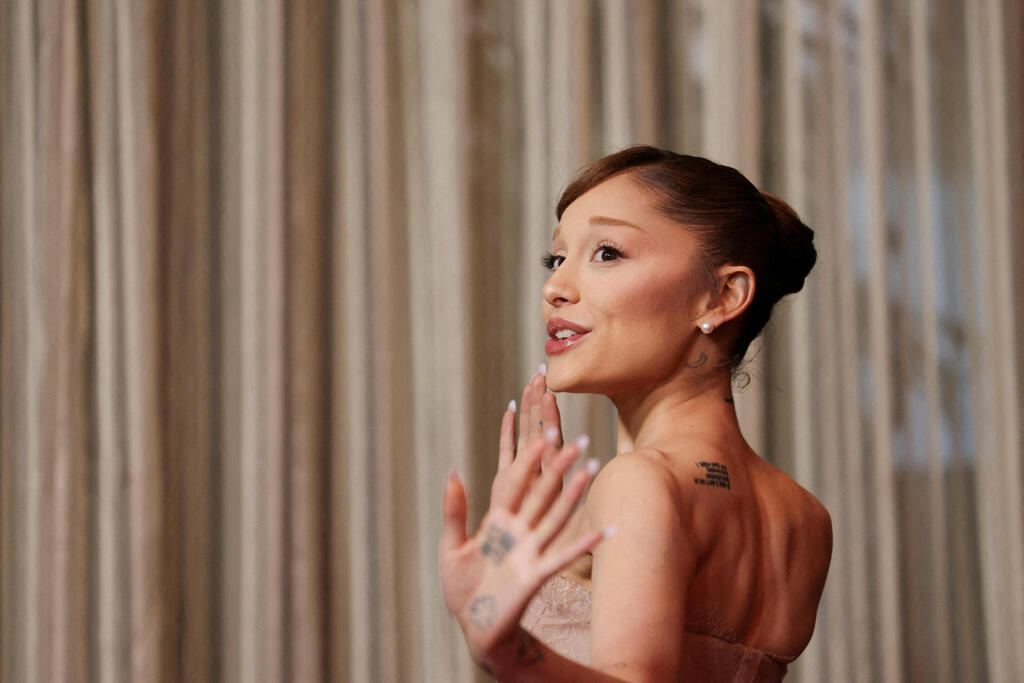
Ariana Grande at the American Film Institute ceremony, January 2026
(Photo: Mario Anzuoni/Reuters)
Even when media discourse attempts to be positive, for people dealing with eating disorders it is often experienced as invasive and coercive, forcing them to confront interrogations and highly judgmental questions before they are ready. In other words, even discussions about positive body image and tips for coping with negative thoughts, or “how to overcome an eating disorder in three steps,” can create a feeling of an unexpected attack.
That attack also exists in the advertising content flooding people’s feeds, over which they have little control: they are targeted and constantly receive content about how to lose weight or change their habits.
The narratives are becoming more extreme
For a long time, we have been exposed to images of celebrities and influencers who, at the very least, appear to have an insufficient relationship with food, while receiving exposure to millions of viewers and followers. These narratives lower the bar for what is considered reasonable, normal and desirable.
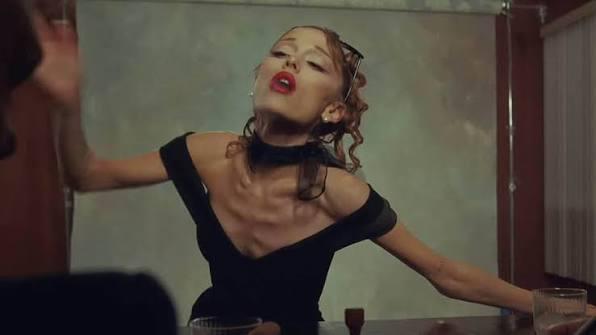
Ariana Grande in the Petal music video
(Photo: Screenshot from YouTube)
We tend to give ourselves too much credit when it comes to our awareness and critical thinking about reality. We know how to tell ourselves: These are not real images, they must be filtered. But the problem is that constant exposure to this content causes us to become accustomed to it and changes our aesthetic perception of the body.
This is compounded by the public discourse and popularity surrounding the use of Ozempic and similar medications. On one hand, these are life-saving drugs; on the other, they have significantly changed the conversation around weight, not only among people who are overweight. Once losing weight with Ozempic became “cool,” the conversation spread to people who had previously been at a healthy weight as well.
Another social characteristic is a process of increasing objectification: The human body is becoming more and more like an object that must constantly be worked on and improved.
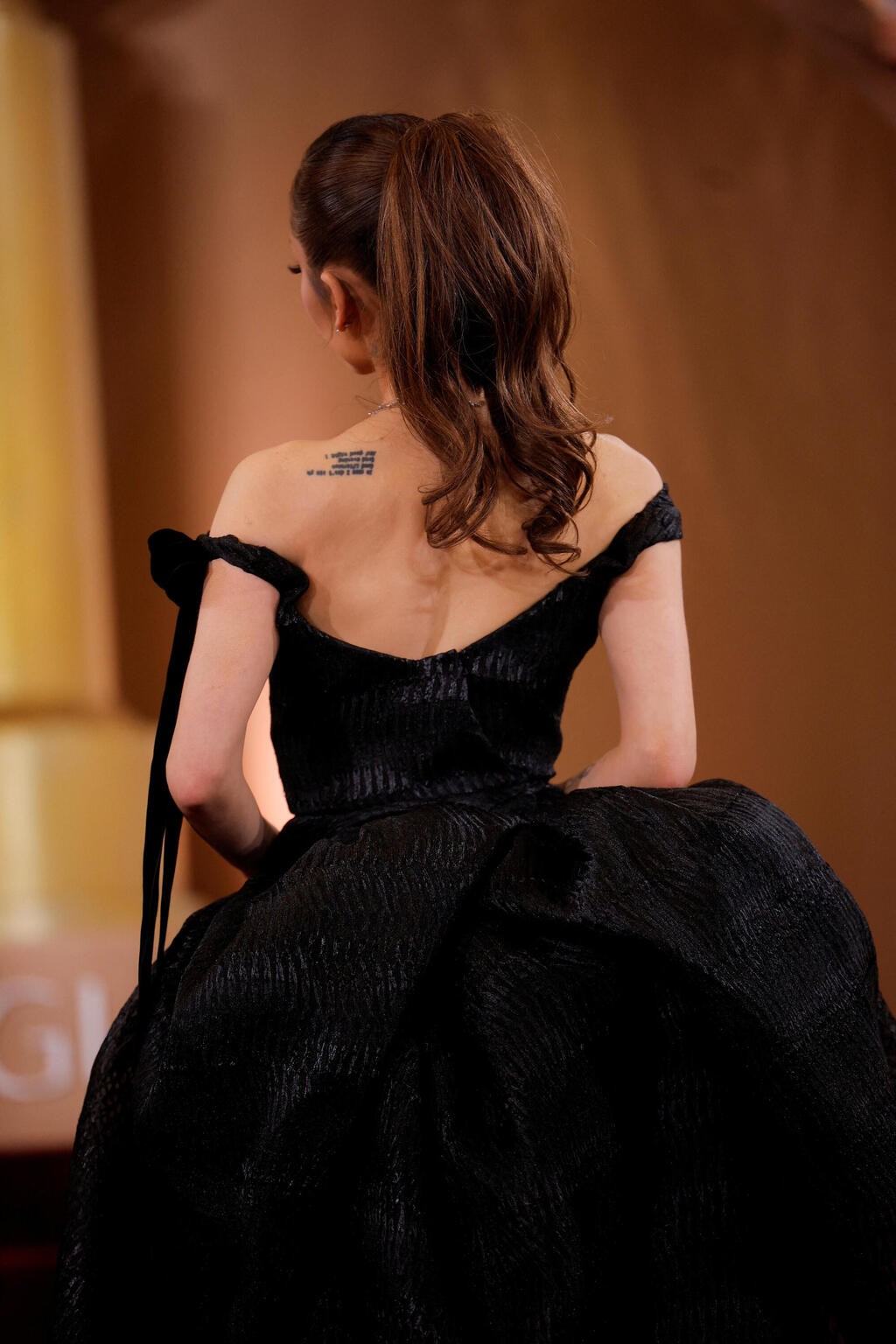
Ariana Grande at the Golden Globes, January 2026
(Photo: Mike Blake/Reuters)
There is also room to consider the frustration experienced by celebrities who receive comments about their bodies and appearance — and Ariana Grande herself has addressed this in the past, including in her songs. It is an invasive and unpleasant experience that reduces their presence and identity to their body and weight alone. Therefore, celebrities often respond to comments and discussions that judge only their appearance with frustration that their abilities are being ignored. They may be exceptionally talented people and still be judged by how they look.
At the same time, at the far end of this phenomenon we encounter a society becoming accustomed to the idea that this is the most rewarding way, economically and socially, to view others and ourselves.
The media’s focus on the body, and the price paid by those dealing with eating disorders, signal to all of us the heavy cost of living in a society that sanctifies turning identity into a product.
Social media discourse is a trigger, not the cause
Our patients constantly tell us: Social media discourse is not the cause of the development of an eating disorder. It is only the trigger.
There is a gap between external triggers, such as online content, and the full range of actual causes that contribute to the development of an eating disorder: innate factors, acquired factors, childhood experiences, traumatic experiences such as bullying, exclusion, violence within or outside the family, and, of course, sexual abuse — which is the most significant event in the development of an eating disorder.
Images of celebrities displaying extreme thinness serve, at best, as triggers that activate something that already exists — and it is important to distinguish between causes and triggers. If my child watches certain content and begins dieting because of it, that content is not the cause.
In fact, the positive thing that can come from such situations is recognizing that there is a problem. An eating disorder develops as a response to an existing need or lack, such as a need for control, a need for emotional regulation or a lack of self-worth. These deficiencies were not created by influencers.
Sometimes parents fail to connect all the dots — for example, children who experience a lack of control following a move and adjustment to a new environment, bullying or traumatic experiences.
How should we talk to children about this?
Since avoiding exposure to this content is virtually impossible for young people, parents should make a point of discussing it openly with them. Parents should find out what children are seeing in these posts, how they perceive them and how they feel about themselves when they view them.
Every conversation should be based on validation. If a child says they would like to look like the star in an advertisement, it is very important not to judge them, but instead try to understand the background behind their identification with a figure displaying extreme thinness and what that means for them.

'Parents should make a point of discussing it openly with their children'
(Photo: shutterstock)
We should talk with them about the benefits and costs — what it means to live this way — and help children understand that what they see in such posts is not reality. We should show the younger generation the psychological and physical costs of living with extreme thinness.
We also need to ask ourselves what place physical appearance occupies in our lives and what price we pay. If we constantly live according to how we are “supposed” to look, and devote ourselves to thinking about our bodies, there are physical and psychological costs. This kind of preoccupation creates stress, anxiety and harm to social relationships and overall functioning.
The key words, including in educational contexts, are balance, variety and moderation. We want to engage in exercise, but not allow it to control us. There is nothing wrong with eating snacks, but they should not be the only part of our diet. Eating vegetables is excellent — but if someone eats only vegetables, that is not healthy.
 Amir ZendakovichPhoto: Spokesperson for the Reuth Rehabilitation Hospital, Tel Aviv
Another important issue is the way we talk about the body: We should reduce judgmental discussions about bodies within the family, because even a compliment can convey the message that self-worth is built through appearance and that judgment is the only way to navigate the world.
We want to encourage children to engage in physical activity and develop healthy eating habits, but not turn weight into the goal. There is room for family conversations about healthy eating habits based on the value and benefits of food — all in the right balance, variety and moderation, without creating anxiety or tension around eating.
Amir Zendakovich, Director of the Institute for Treatment of Eating Disorders and Head of the Psychological Services Division at Reuth Rehabilitation Hospital in Tel Aviv.