


Jewish Voice for Peace, a U.S.-based group identified with the far left and known for its role in pro-Palestinian protests since the October 7 Hamas attack on Israel, is undergoing a dramatic shift — from campus activism to direct political engagement.
After years operating as a nonprofit barred by law from political campaigning, the group is restructuring and shifting focus to its political arm, JVP Action. The stated goal: to influence candidates, boost progressives and oust pro-Israel lawmakers.
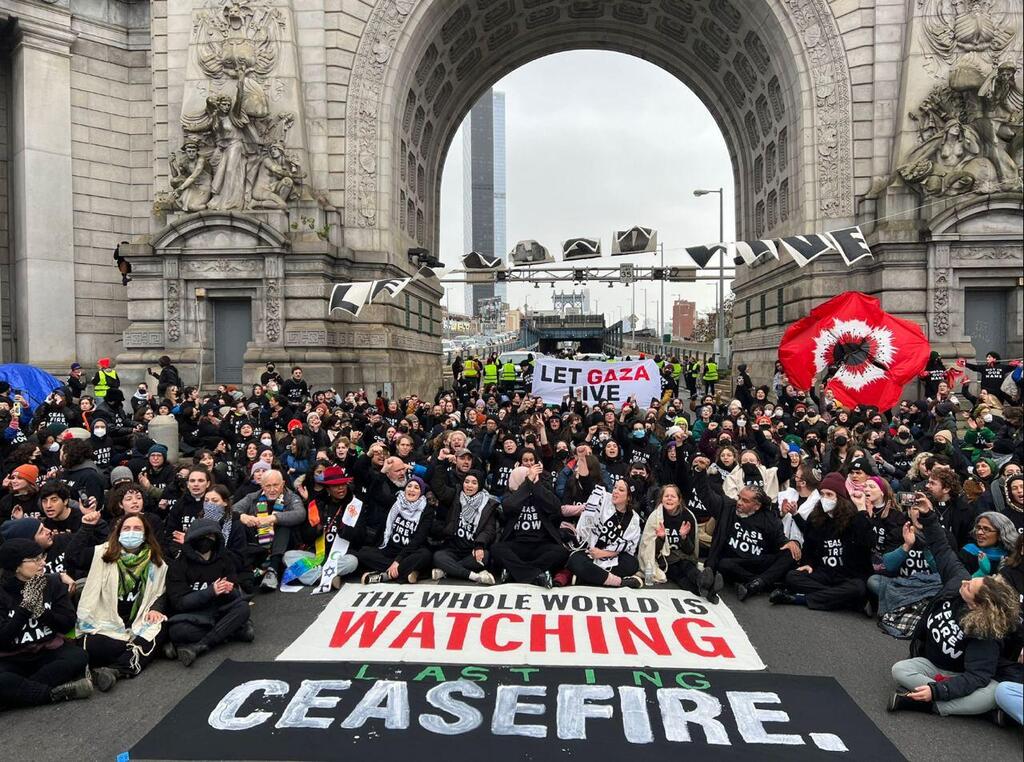
The organization has made national headlines with high-profile protests, including the takeover of the Cannon House Office Building in Washington, blockades of Trump Tower in New York and disruptions on major thoroughfares such as the Manhattan and Golden Gate bridges, along with large campus demonstrations nationwide.
But JVP now says protest alone is no longer enough. “Public polling and public displays of opposition alone will not shift US policy. Our movement must contend for real power,” the group declared on a newly launched webpage. Under the new structure, the main organization will shift its focus to education, culture and art promoting what it calls an “anti-Zionist Jewish identity,” while JVP Action, a 501(c)(4) entity, will spearhead electoral efforts, enjoy near-total fundraising freedom and operate without donor disclosure.
That last point marks one of the most significant changes: as a so-called “dark money” group, JVP Action is not required to reveal its donors — a sharp contrast to traditional political action committees.
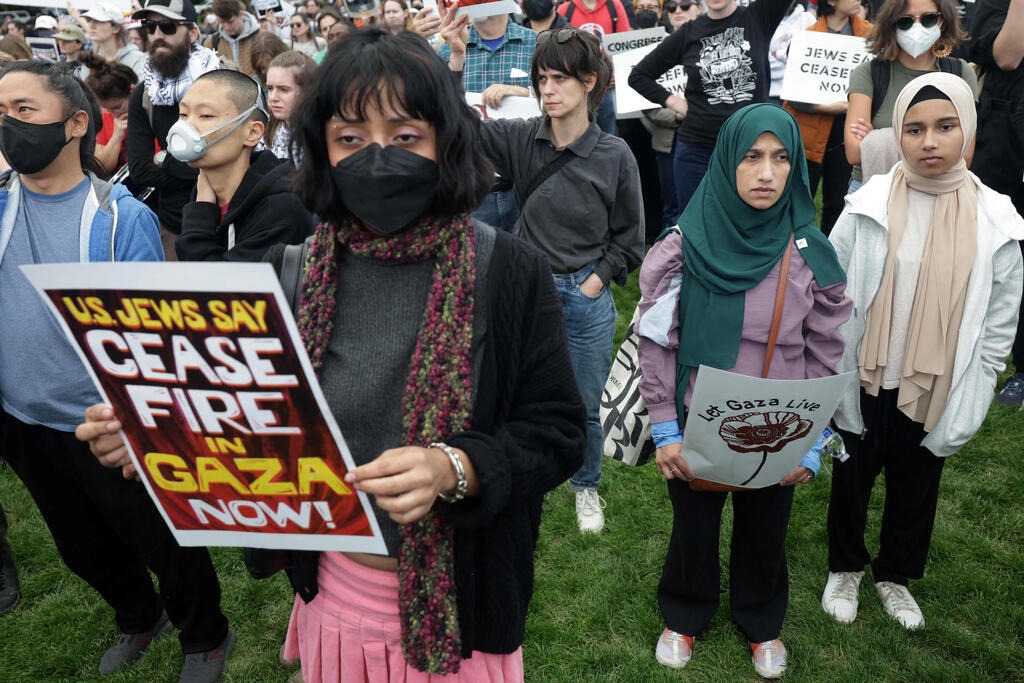
JVP protest at the Capitol
(Photo: ALEX WONG / GETTY IMAGES NORTH AMERICA / AFP)
The move reflects a broader trend. The rise of the progressive wing in the Democratic Party, and especially the surprise primary victory of Zohran Mamdani in the New York City mayoral race, has given JVP what it describes as “momentum.” Mamdani, a vocal critic of Israel, was one of the first candidates endorsed by the group.
JVP sees this shift as evidence that its campaigns are reshaping the public discourse — not just on campuses, but across American politics. The group says it chose this moment because it believes “a crack has formed in Zionist power,” and that Americans are more open than ever to questioning automatic U.S. support for Israel.
The reorganization comes amid a surge in funding. According to its latest financial filings, JVP raised approximately $11 million in the past year, several times its previous totals. Its political arm, JVP Action, brought in roughly $800,000 and hopes to significantly expand its budget ahead of next year’s midterm elections.
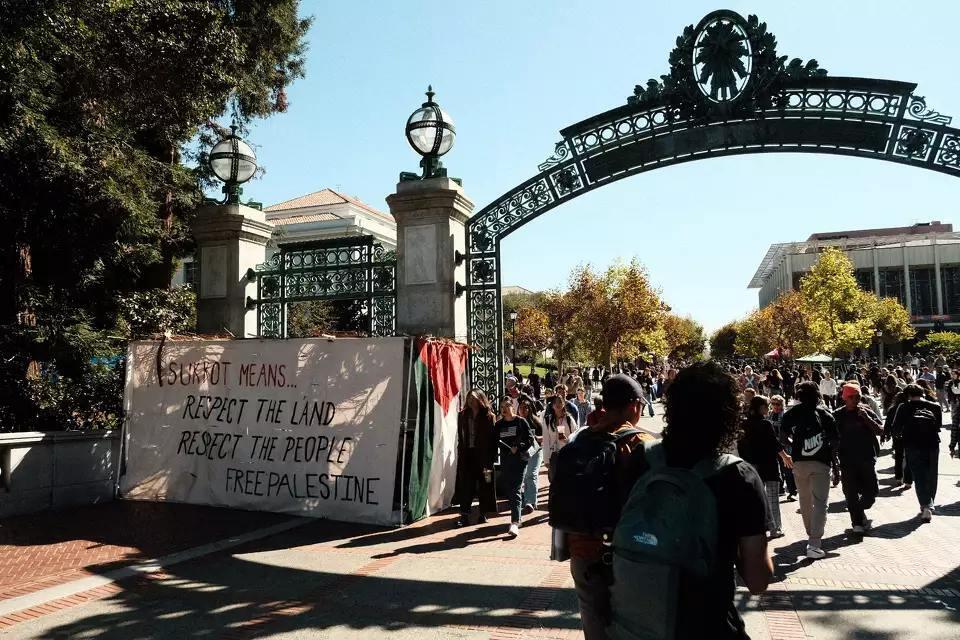
A sukkah draped in Palestinian flag at Berklee
In a leaked recording from the internal meeting approving the shift, one member expressed concern that political campaigning could come at the expense of protest. In response, leadership emphasized that “electoral work is one more tool in our toolbox — alongside protests, boycott campaigns and civil disobedience.”
Pro-Israel Jewish organizations have criticized the move, warning of what they call a dangerous shift. JVP’s “decision to more vigorously engage in electoral politics signals their growing ambition to influence policy in ways that undermine Israel’s very existence as a Jewish state.” said Jonathan Schulman, executive director of The Jewish Majority. “The rhetoric and tactics of anti-Zionism undermine any prospects for a peaceful resolution to the conflict and contribute to the rise in violent attacks against Jews in America."
JVP offers a very different view. “Support for Palestinians in the U.S. is unprecedented,” the group wrote in a strategic document outlining the reorganization. “We’ve come far, but there’s still a long road ahead to breaking U.S. support for Israel.”