

Kentucky's 4th congressional district is not particularly important in the broader picture of the 435 voting members of the U.S. House of Representatives. Still, the Republican primary held there on Tuesday ahead of the November midterm elections was among the most turbulent, talked-about and expensive in history, with at least $32 million spent on campaign advertising.
At the center of the race was Thomas Massie, a veteran Republican congressman who has served for nearly 14 years. Over the past year, Massie became the biggest thorn in Donald Trump’s side, leading calls to release the Epstein files, publicly criticizing massive spending on gilded ballroom projects and renovations in Washington, and loudly opposing not only the war with Iran but also aid packages to Israel.
Raab after his victory in the primary in a call against AIPAC
(Video: X)


Trump eventually decided he had had enough and recruited Ed Gallrein, a former Navy SEAL, to run against Massie. For the first time in a decade, Massie faced a serious primary threat, with the U.S. president’s social media account attacking him relentlessly on a daily basis.
Massie indeed lost easily. In fact, he never really had a chance. Not only because when Trump decides to end a Republican career, it tends to end, but also because Massie had crossed one of the most powerful political organizations in Washington: the pro-Israel lobby AIPAC, which is now facing its most difficult period since its founding in 1954.
AIPAC is in a deep and unprecedented crisis with the Democratic Party, where opposition to Israel is no longer a fringe position but part of the party mainstream. Massie, in a sense, represented the beginning of a challenge for AIPAC within the Republican ranks as well, even if still limited. For the lobby, it was crucial to stop that trend quickly.
In the months leading up to the primary, AIPAC and other pro-Israel organizations spent more than $9 million in a campaign against Massie. Prominent Republican donors added another $7 million to a Super PAC aligned with Trump allies. Unlike recent Democratic primaries, where AIPAC tries to hide its involvement, this time the pro-Israel lobby went into open political warfare, to the point that Massie introduced a bill he called the “AIPAC Act,” aiming to force the organization to register as a foreign agent. The bill has no real chance of passing, just as Massie had no chance of surviving the financial tsunami directed against him.
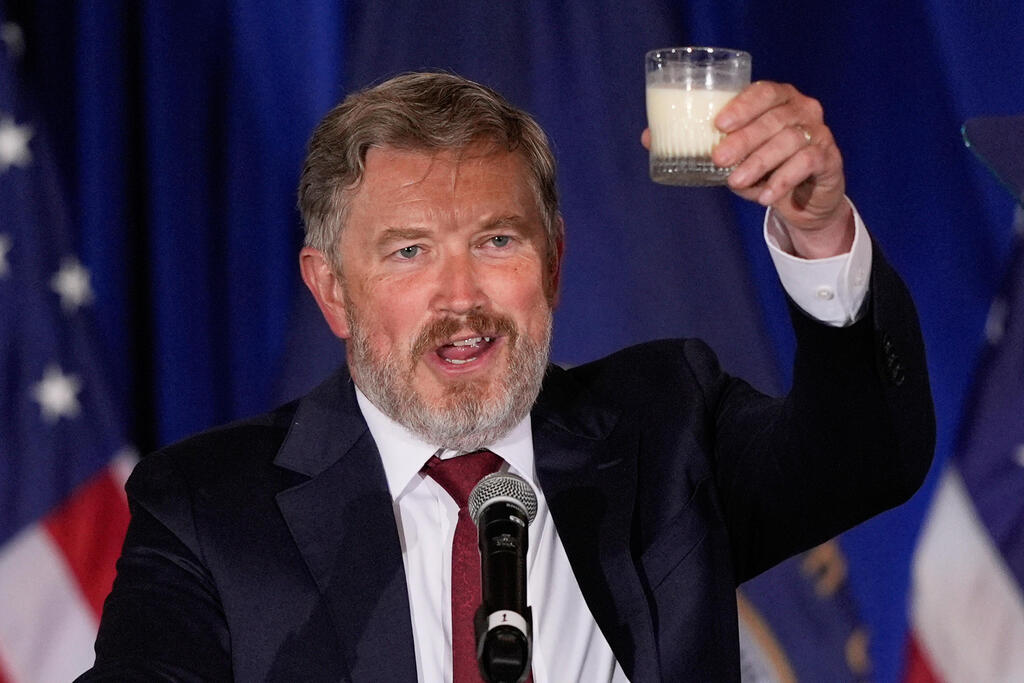
“When this race is over,” Massie told Politico last week, “whether I won or lost, that’s the story: Were they able to come in and take out a Republican who’s skeptical of Benjamin Netanyahu’s policies?”
In his post-election speech, Massie added: “I would’ve come out sooner, but I had to call my opponent and concede. And it took a while to find Ed Gallrein in Tel Aviv.”
But AIPAC’s victory barely conceals the deeper crisis Israel is facing in the United States amid the current government’s policies. About 1,000 kilometers from Kentucky, Israel faces a new headache: Chris Raab, who won the Democratic primary in Philadelphia with a sharply critical anti-Israel platform. Since no Republican is running against him for the House seat, Raab has effectively secured election to Congress in November.
In his campaign, opposition to Israel and AIPAC was central, and after his victory he declared: “Fuck AIPAC.”
In 2025, spending on lobbying activities in Washington crossed $5 billion for the first time. According to OpenSecrets, which tracks money in U.S. politics, the first quarter of 2026 also set a record with $1.4 billion in spending in a single quarter. More than 14,000 registered lobbyists operated in Washington last year, representing nearly 16,000 organizations, companies and clients.
Many of them outspend AIPAC significantly, including tech giants, pharmaceutical companies and the U.S. Chamber of Commerce, but few organizations match AIPAC’s political influence. That power was built over decades of close ties between U.S. administrations and Israeli governments, and it is reinforced by the disproportionate influence of American Jews, who make up about 2.4% of the population.
For decades, AIPAC maintained a strictly bipartisan approach, keeping both parties close. Its success as a lobby operating in Washington’s political chaos was extraordinary. That began to change when Prime Minister Benjamin Netanyahu started to erode bipartisan consensus on Israel in the U.S., while a new generation of Democrats in Washington became increasingly resistant to Israeli messaging and the lobby’s influence.
AIPAC has the power to end political careers of those it views as hostile to Israel. Last year it spent more than $23 million successfully defeating progressive Democrats Cori Bush of Missouri and Jamaal Bowman of New York, both vocal critics of U.S. aid to Israel. It also invested more than $1 million in a Democratic primary in Oregon, helping Congresswoman Maxine Dexter defeat a progressive challenger.

Maxine Dexter
(From the official website)
Dexter has since said that the U.S. must stop offensive arms transfers to Israel and ensure immediate and sustained humanitarian aid to Gaza. She is also part of the “Block the Bombs Act,” aimed at restricting certain arms sales to Israel. Although she is no longer on AIPAC’s target list in the current cycle, her positions reflect a significant erosion of the lobby’s standing.
Another example is Democratic Minority Leader Hakeem Jeffries. Once closely aligned with AIPAC, he was even nicknamed “AIPAC Shakur” by radio host Charlamagne Tha God. But he has recently begun engaging with J Street, a rival pro-Israel group supporting a two-state solution more aligned with traditional Democratic platforms.
For nearly 70 years, AIPAC avoided direct involvement in elections, refrained from raising campaign funds and stayed out of public political battles, focusing instead on lobbying Congress and organizing trips to Israel. That model, combined with broad American support for Israel, made it one of Washington’s most successful bipartisan organizations.
But as public opinion shifted, AIPAC underwent a major transformation. In 2021 it created political arms, including AIPAC PAC and the United Democracy Project, a Super PAC capable of spending unlimited sums to support or oppose candidates.
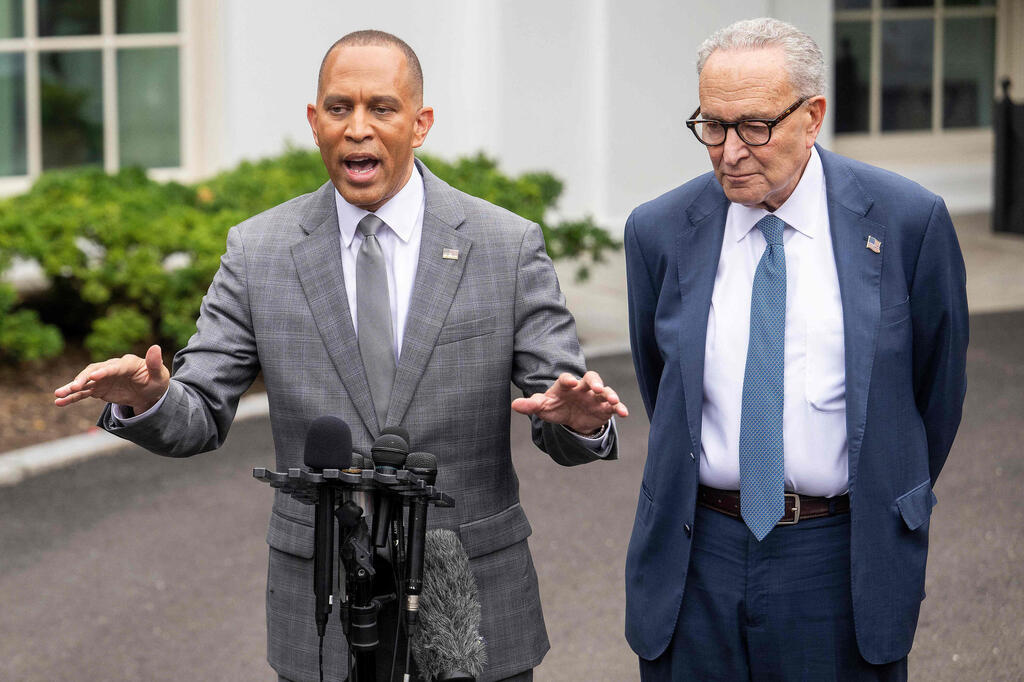
Hakeem Jeffries and Chuck Schumer
(Photo: Jim WATSON / AFP)
Since 2022, AIPAC has spent more than $221 million in Democratic primaries alone. It sometimes operates through affiliated groups with less visible branding, aware that the AIPAC name has become toxic in some circles.
Some Democrats who previously relied on AIPAC support have distanced themselves from the organization, including Morgan McGarvey, Deborah Ross and Valerie Foushee. In addition, most Senate Democrats recently voted to block arms sales to Israel, something few would have done just a few years ago.
The change is also visible in congressional delegation trips to Israel organized by AIPAC. In 2023, 24 of 34 new House Democrats participated. This year, only 11 of 33 did so, and several canceled last minute. Some who attended reportedly returned to political backlash.
Steny Hoyer, a longtime Democratic congressman who regularly joined such trips, said during a visit last August: “Israelis must take all necessary action to win this war against Hamas, recover hostages, preserve the safety of innocent Palestinian civilians.”
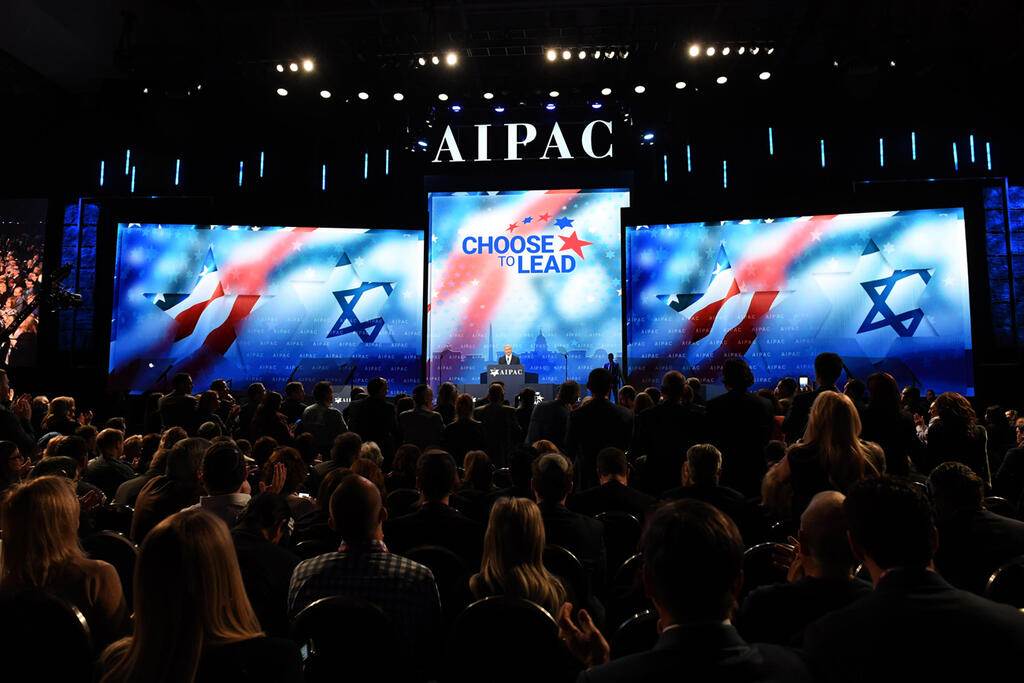
2018 AIPAC conference
(Photo: Haim Zach)
That message, once effective, no longer carries the same weight. Hoyer, 86, will retire at the end of the year, as will Nancy Pelosi. Chuck Schumer, 75, remains one of Israel’s strongest Democratic supporters but has seen his influence decline. A new generation is emerging that knows Israel primarily through the Netanyahu government.
The political break with AIPAC reflects broader shifts in Democratic voter attitudes. Analysts believe Biden’s handling of the Gaza war cost Kamala Harris hundreds of thousands of critical votes in 2024. Polls show Democrats increasingly blaming Israel for the escalation of the conflict with Iran.
A recent New York Times poll found 57% of Democrats sympathize more with Palestinians compared to 17% with Israel. Among Republicans the numbers are reversed, with 66% favoring Israel. Among independents, 44% side with Palestinians versus 29% with Israel.
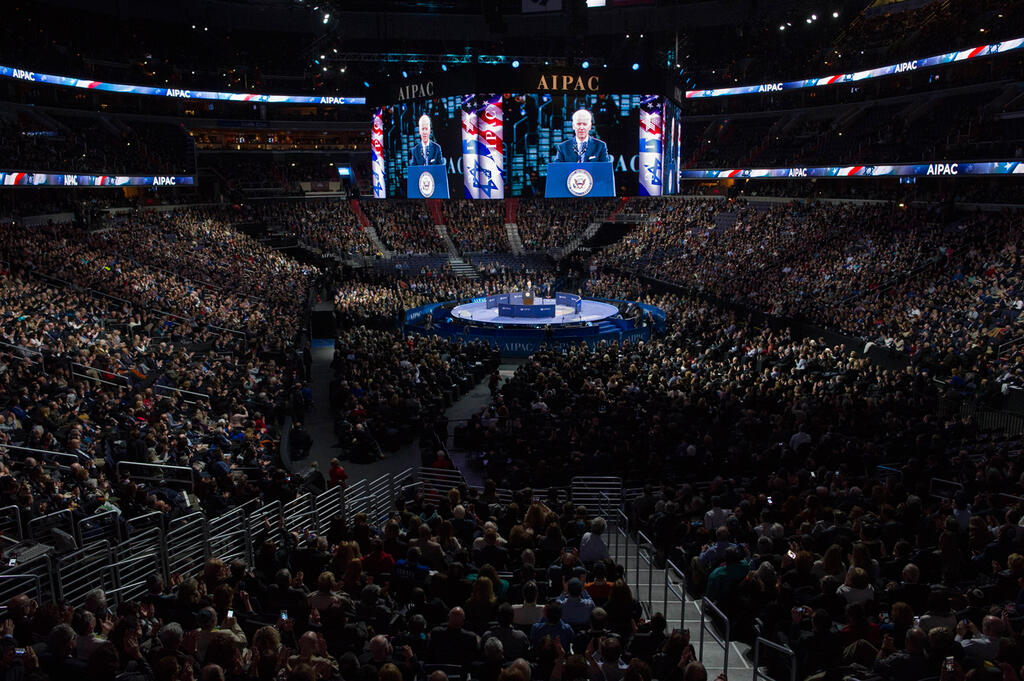
2016 AIPAC conference
Nearly 75% of Democrats now oppose military aid to Israel, up from 45% three years ago. NBC News found 57% of Democrats view Israel negatively, compared to 35% shortly after October 7. A Quinnipiac poll found 62% believe the U.S. supports Israel too much.
These trends have freed many Democrats from traditional ties to AIPAC. Some potential 2028 presidential candidates have already distanced themselves. Cory Booker has said he will no longer accept donations from lobbying groups including AIPAC. California Governor Gavin Newsom said he has never taken and will “never take” AIPAC money. Senator Ruben Gallego has also refused future contributions.
Many former AIPAC-friendly Democrats now see the organization as aligned with Netanyahu’s government. Others have become entangled in unexpected political fights, such as Daniel Biss, mayor of Evanston, who won a Democratic primary despite AIPAC opposition.
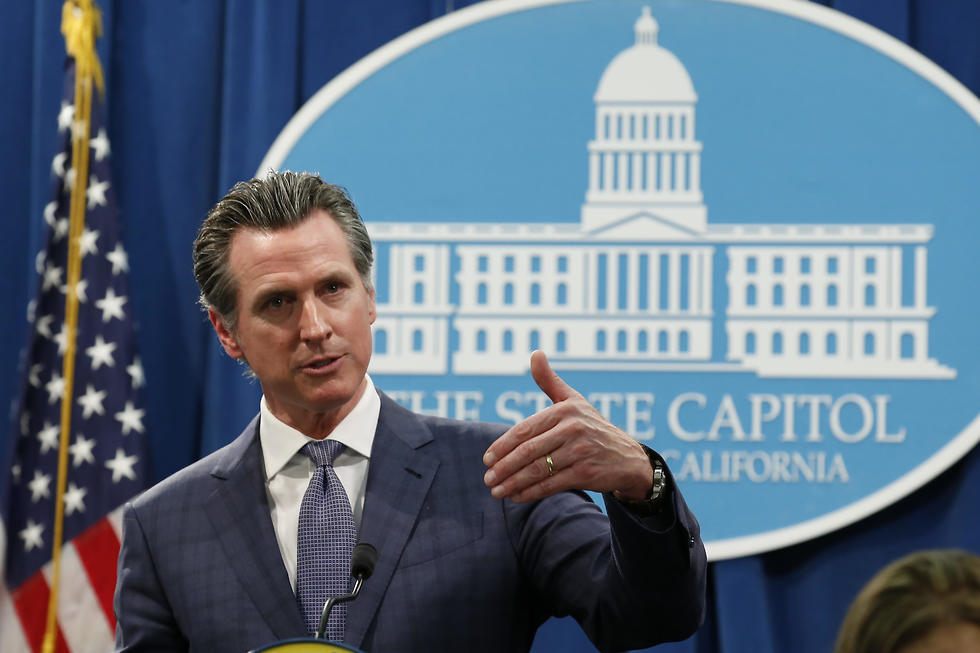
Gavin Newsom
(Photo: AP)
Similar dynamics appeared in New Jersey, where AIPAC spent more than $2 million against Tom Malinowski, who was defeated by progressive candidate LaMonica McIver, who has described the Gaza war as “genocide.”
Illinois Governor JB Pritzker, once a donor, said AIPAC has become a “pro-Trump group” and cut ties. Former Chicago Mayor Rahm Emanuel said he does not expect AIPAC support, as it will not come.
Still, many leading Democrats avoided answering questions about AIPAC when asked by Politico, including Kamala Harris, Pete Buttigieg, Mark Kelly, Jon Ossoff, Wes Moore and Gretchen Whitmer.
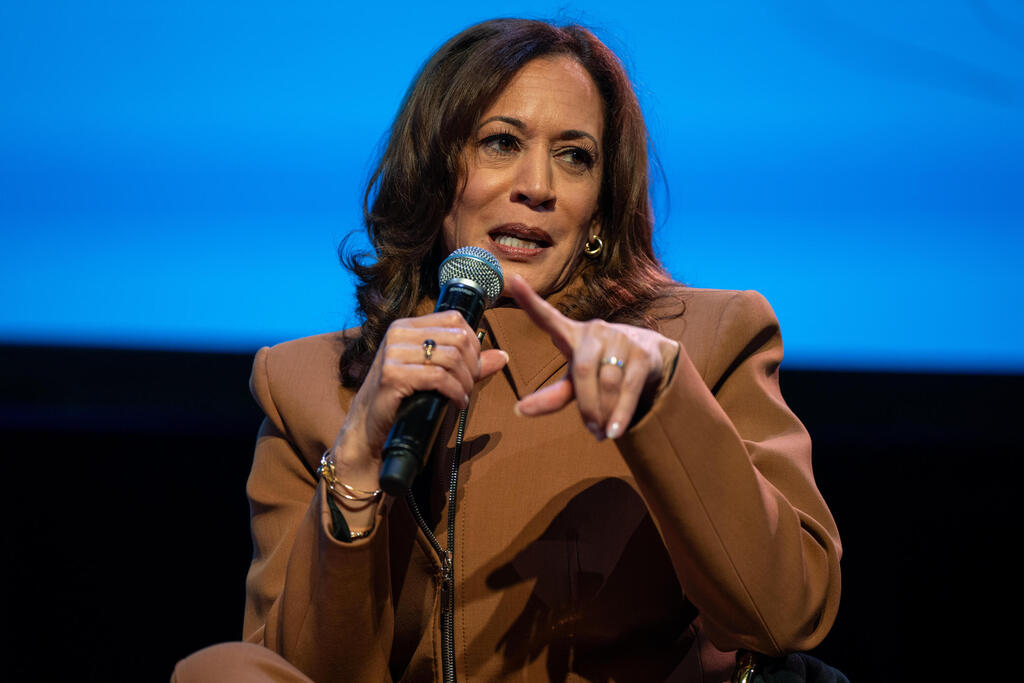
Kamala Harris
(Photo: AP Photo/Angelina Katsanis)
AIPAC’s current slate of endorsed candidates is now dominated by Republicans, though it still includes some Democrats. The trend, however, is clear.
As longtime AIPAC spokesperson Marshall Wittmann recently told the New York Times that that “the overwhelming majority” of Democrats continue to understand that being pro-Israel “is both good politics and good policy.”