

The sharp rise in antisemitic incidents across many countries and the escalation in expressions of hatred on the ground are leading many Jews in Europe to question the future of Jewish communities on the continent.
At a conference of the European Jewish Association (EJA), held last month in Brussels, the organization examined an unusual proposal aimed at advancing legislation that would recognize Jews as a “protected ethnic minority.”
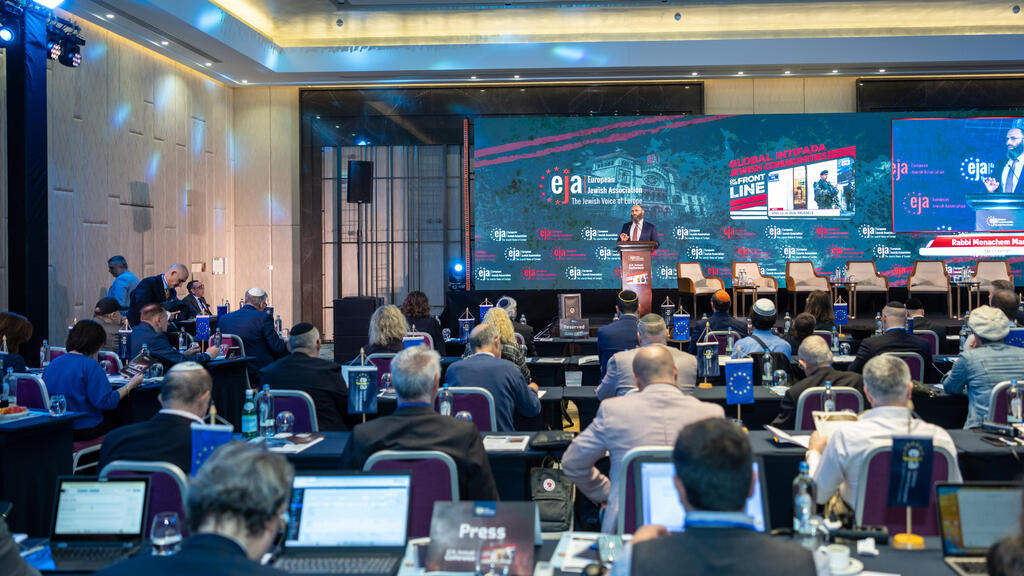
The goal of the proposal is to safeguard the human rights of Jewish communities without discrimination, obligate states to promote dialogue and intercultural education, and preserve educational systems and language even in places where the state does not support religious schools. Under the plan, authorities would specifically commit to expanding antisemitism education and Holocaust awareness in schools, while protecting Jewish practices such as kosher slaughter and circumcision.
One of the major advantages of “ethnic minority” status would be government and European funding for community security. That is because in some European countries, the communities themselves pay for their own protection. It was recently reported that former elite-unit personnel were hired by Jewish organizations to secure institutions in Britain. In Ireland, as well, for example, security costs are borne by participants at events.
“The security measures for the new kindergarten we opened in Brussels cost about half a million euros — armored doors and windows, a special gate, a safe room and much more,” Rabbi Menachem Margolin, chairman of the European Jewish Association, told Ynet. But the question goes beyond budgets: Are European states willing to take responsibility for the safety of Jews?
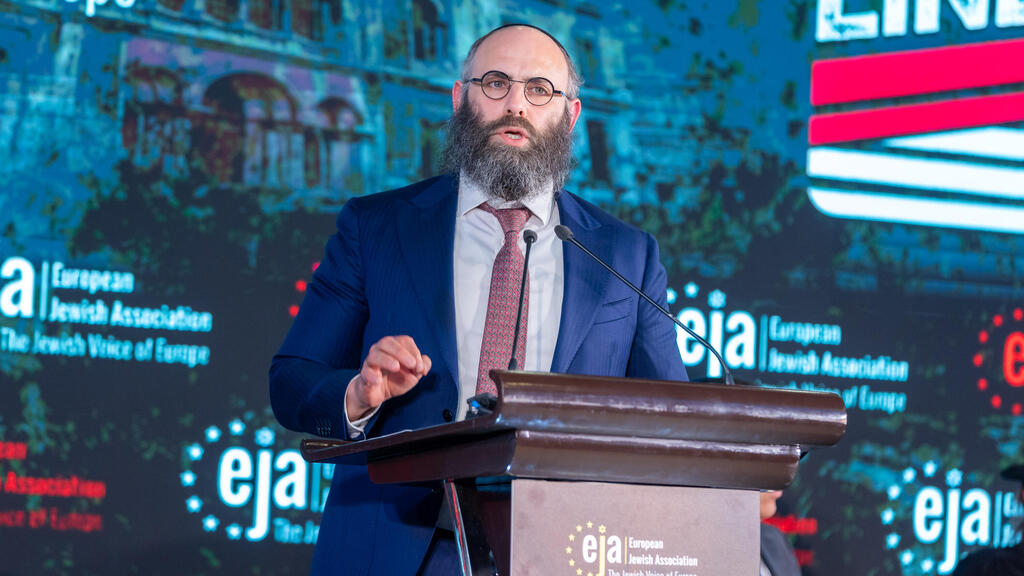
Rabbi Menachem Margolin, chairman of the European Jewish Association
(Photo: Daniel Rahamim)
Defining Jews as an ethnic minority and comparing them to other minorities such as the Roma or the Sami in Scandinavian countries has sparked controversy, particularly in countries such as France, where there is a strict separation between religion and state and community members prefer to define themselves as “French Jews.”
“The definition of Jews is based on religion rather than as an ethnic or linguistic minority,” acknowledged Professor Rosa Freedman of the University of Reading in Britain, who works with human rights organizations protecting minorities and sectors around the world and is responsible for drafting the legal section of the document. “However, at least seven member states of the Council of Europe already have such a status, recognizing communities with a unique culture, unique identity and more than 100 years of ties to Europe. The status was created following the ethnic and religious conflicts in the former Yugoslav states. Jewish identity is more than religion; it is also an ethnic and cultural identity with its own language.”
'Antisemitism is poison'
More than 100 community leaders from across Europe attended the EJA conference in Brussels, including representatives from Spain, Ireland and Belgium itself, where the situation is considered especially severe. Leaders from across Europe also arrived deeply concerned by the escalation in antisemitic incidents, from synagogue arsons and attacks on ambulances belonging to a Jewish rescue organization in Britain to institutional measures such as legal proceedings in Belgium against mohels and against kosher slaughter.
Alongside 104 Jewish community leaders, notable guests included U.S. Ambassador to Belgium Bill White, who has spoken out against harassment of the country’s Jewish community; Rabbi Yehuda Kaploun, the U.S. special envoy to monitor and combat antisemitism; Katharina von Schnurbein, the European Commission’s coordinator on combating antisemitism and fostering Jewish life; Ambassador Haim Regev-Feldklein, head of Israel’s mission to the European Union and NATO; members of the European Parliament; and politicians from across the continent.
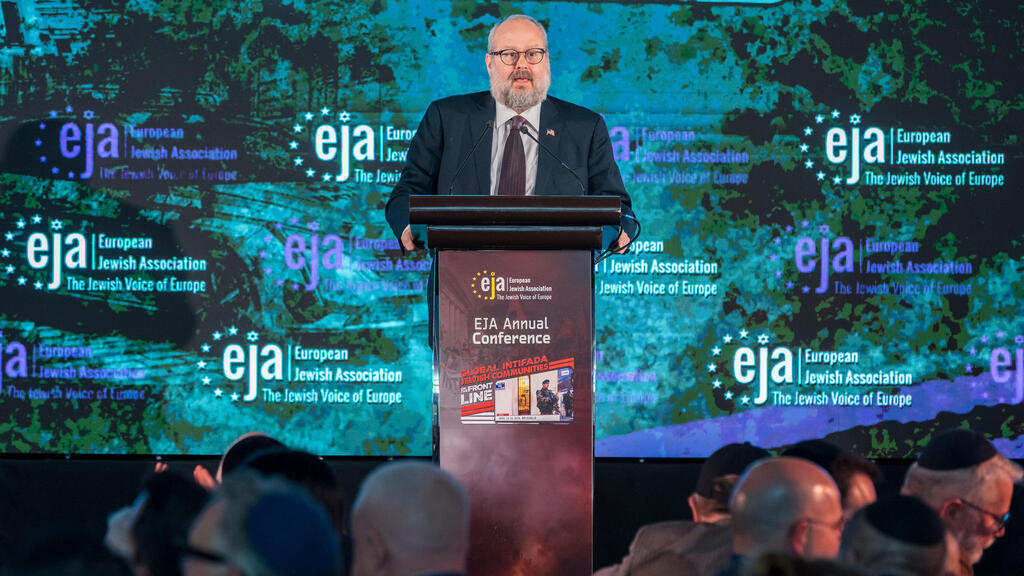
Rabbi Yehuda Kaploun, the US special envoy to monitor and combat antisemitism
(Photo: Daniel Rahamim)
Even European Parliament President Roberta Metsola sent a lengthy video message in which she described antisemitism as “poison” and stressed: “Europe must be a place where Jews can live safely and without fear. A place where wearing a kippah is not a danger, and children do not need armed security to go to school.”
“The purpose of these conferences is not only for people to express their pain and talk about their difficulties, but mainly to explore practical options and cooperation between communities in order to strengthen them,” he explained. “Many communities have cautious relationships with the authorities and institutions in their countries. It is important for us that communities understand that sometimes they need to be firm with governments. If we tell them only what they want to hear, it won’t work very well. Sometimes communities deal with the authorities diplomatically and ask us to speak the truth. We are prepared to stand on the front line and ‘take the fire.’”
Orli Degani, a board member of the organization representing the Jewish community in Ireland, attended the conference to describe conditions in one of the countries where dealing with public and institutional hostility is especially difficult. She has lived there for eight years after her family moved between several European countries, and became active after personally encountering antisemitism.
“The Irish method,” she said, “is not spitting or shoving, but ‘politely yet completely excluding you from their lives.’”
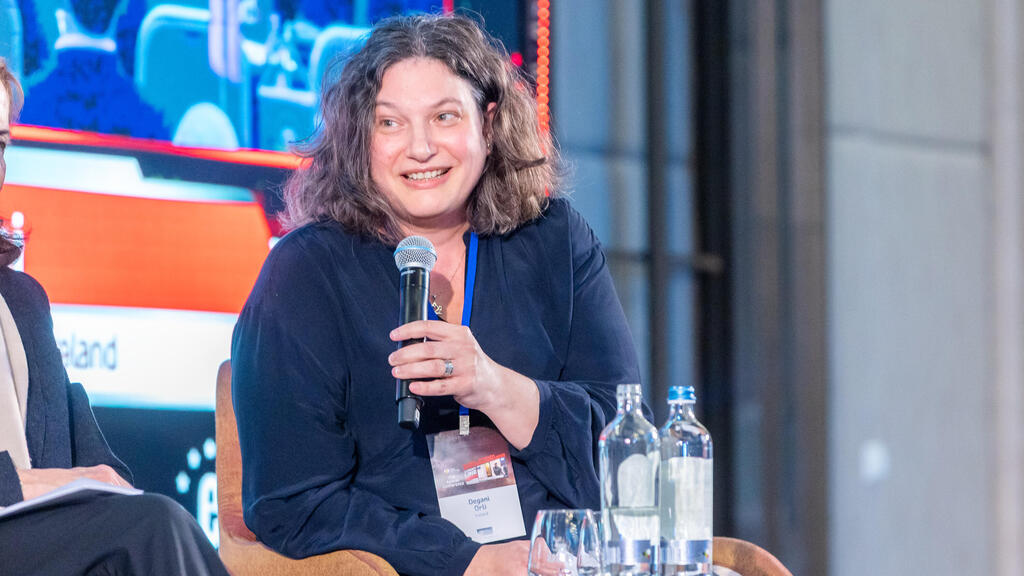
Orli Degani, a board EJA member representing the Jewish community in Ireland
(Photo: Daniel Rahamim)
Another problem, she said, lies in school textbooks.
“BDS has infiltrated teachers’ organizations and the content is extremely one-sided,” Degani said. “In Ireland, there is no supervision over the use of textbooks, so anyone can publish a book as long as it contains several elements required by the Education Ministry. The government ministry refuses to help us.”
The ambassador who caused an uproar — and did not back down
As for defining Jews as a “protected ethnic minority,” the task is far from simple. Every EU member state would need to approve the status. The chances appear slim, but proponents say there is value simply in declaring the intention to pursue the move.
“We came to ask for a mandate from Jewish communities in Europe to call on all European governments to rely on a European charter that defines minorities as a special status deserving protection," Margolin, who is leading the initiative, explained. "We are equal citizens, but there are protected plants and protected animals — there is recognition and understanding that the world needs them for ecological balance.”
David Lega of Sweden, secretary-general of the European Jewish Association and a former member of the European Parliament, said that the situation of Europe’s Jews differs from country to country and depends on the ruling party. "In countries where the situation is good, there is great anxiety ahead of elections, and in countries where the situation is terrible, there is always great hope before elections. It is absurd, because the security of Europe’s Jews and the continuation of Jewish life should not depend on the political identity of governments,” he said.
“That is why there is a need for an organized status for Jewish communities throughout Europe,” he added.
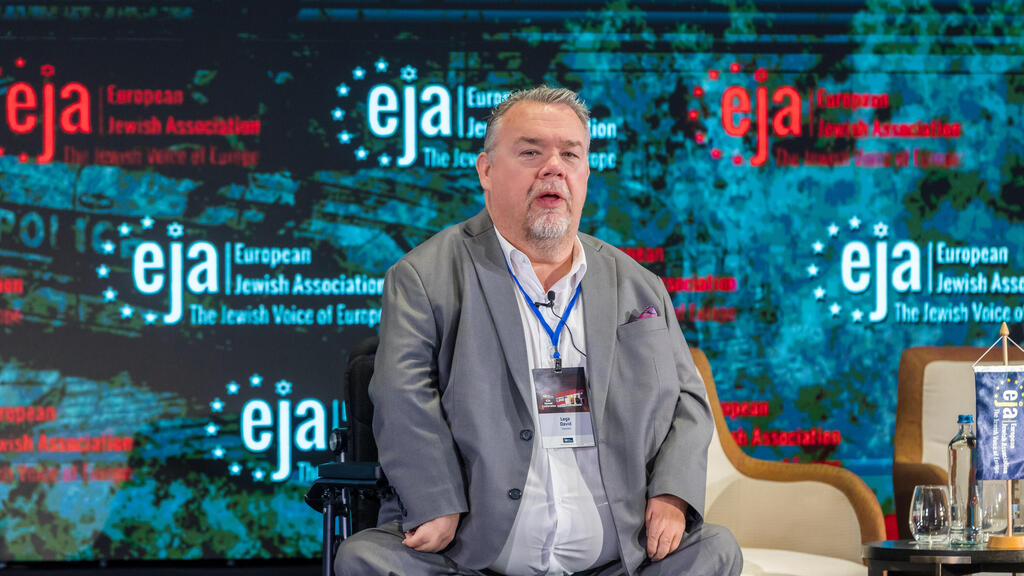
David Lega of Sweden, secretary-general of the European Jewish Association and a former member of the European Parliament
(Photo: Daniel Rahamim)
Another sensitive issue raised during discussions was the confusion between antisemitism and anti-Zionism.
“The prevailing discourse on antisemitism is usually about ‘traditional hatred of Jews,’” Freedman said in analyzing the delicate distinction between criticism and antisemitism. “One can absolutely debate whether what is happening in Gaza is self-defense or not. The right to protest nonviolently is a fundamental part of any functioning democracy. Yes, people absolutely should protest wars and are allowed to criticize Israel; but they do not have the right to harass, threaten, be antisemitic or engage in doxxing.”
Freedman is witnessing developments firsthand at Britain’s elite universities.
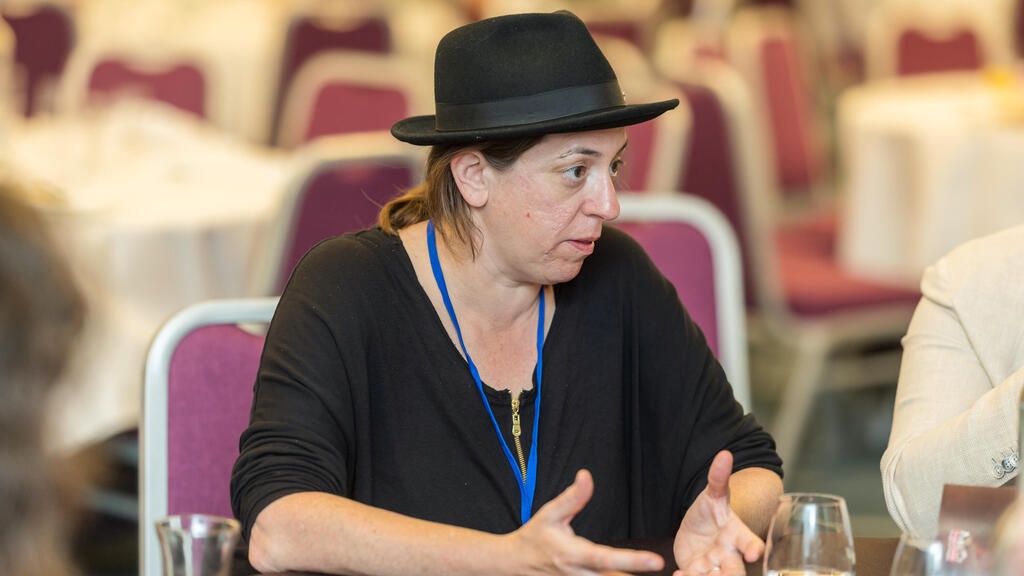
Professor Rosa Freedman of the University of Reading
(Photo: Daniel Rahamim)
“There is confusion among students. Academic freedom is not the freedom to be antisemitic,” she said. “The moment they say Israel has no right to defend itself, they are treating it differently from other countries, and that is antisemitism. They would never shout ‘No Bangladeshis on campus.’ When they shout ‘No Zionists on campus,’ they are treating Israel differently. A clear legal framework is needed to address this type of antisemitism, while simultaneously protecting people’s right to protest in nonviolent ways. If the definitions are not made clear, we are facing a tsunami of antisemitism disguised as anti-Zionism.”
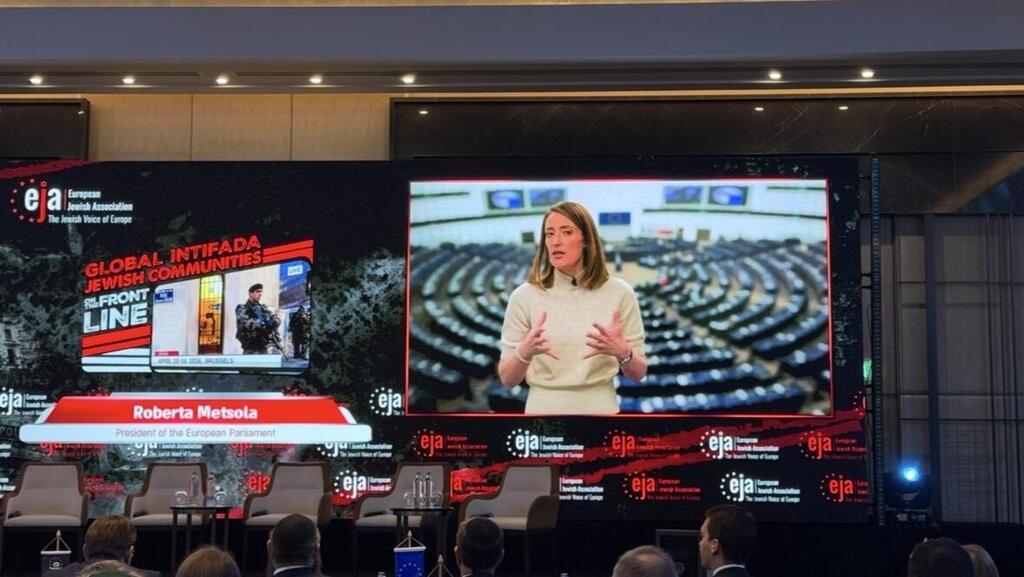
European Parliament President Roberta Metsola in a video message
(Photo: Tamar Sebok)
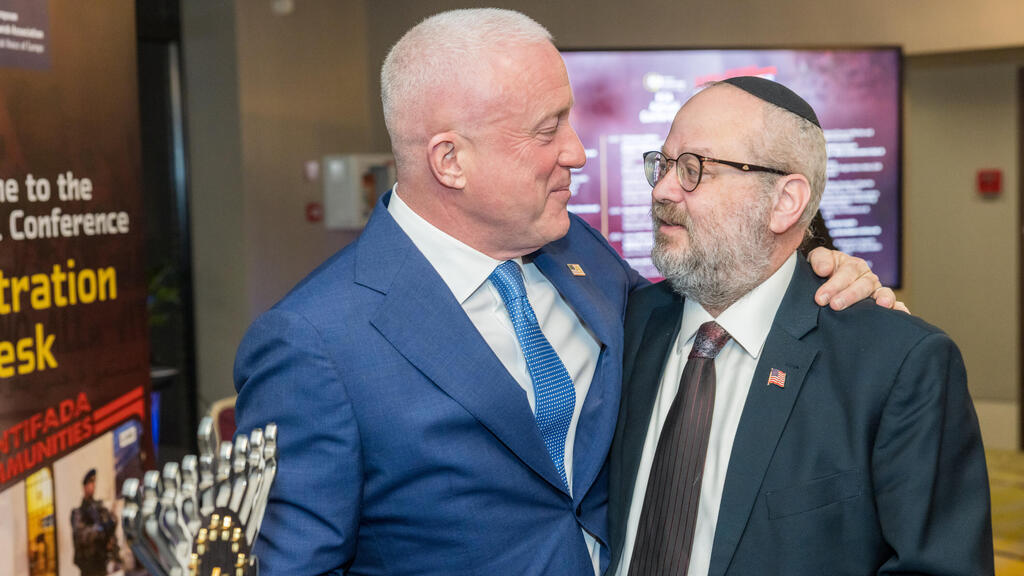
Rabbi Yehuda Kaploun and Ambassador Bill White
(Photo: Daniel Rahamim)
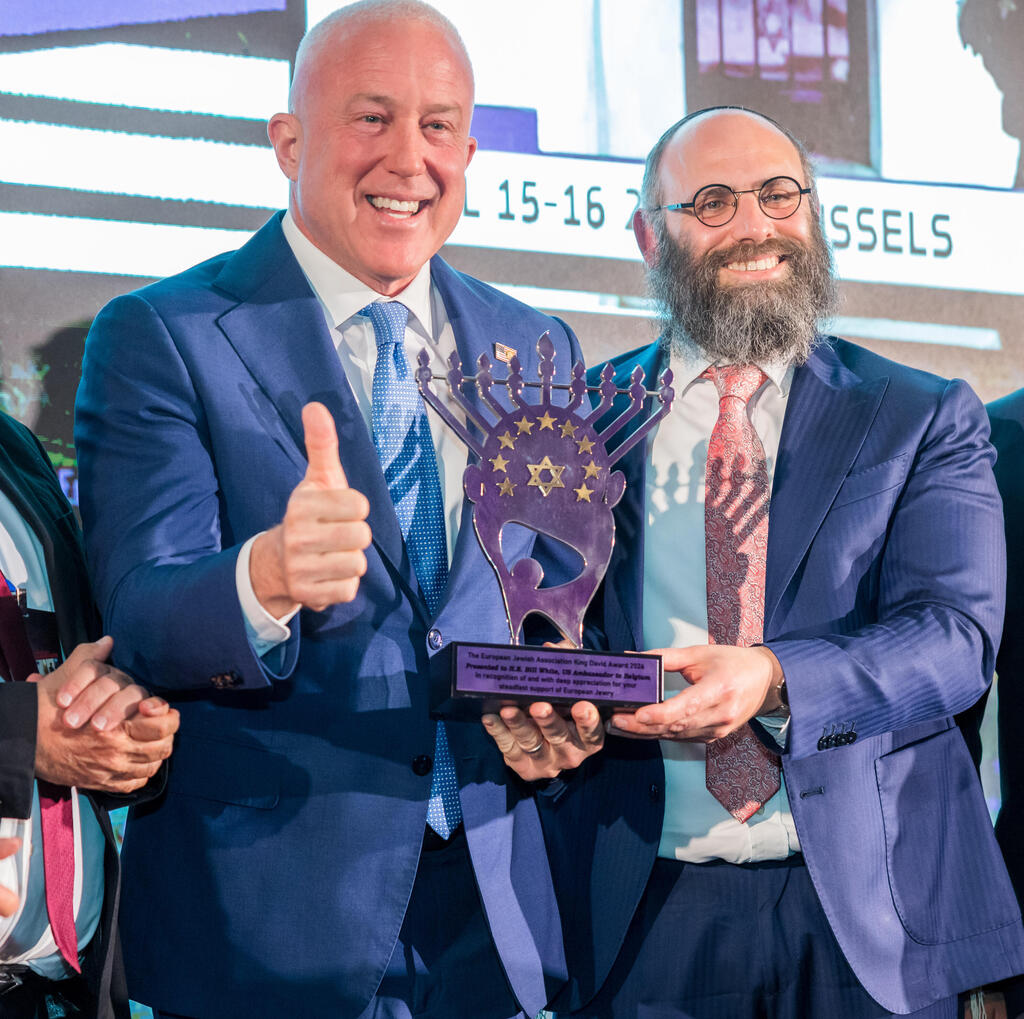
Rabbi Menachem Margolin and US Ambassador Bill White at the award ceremony
(Photo: Daniel Rahamim)
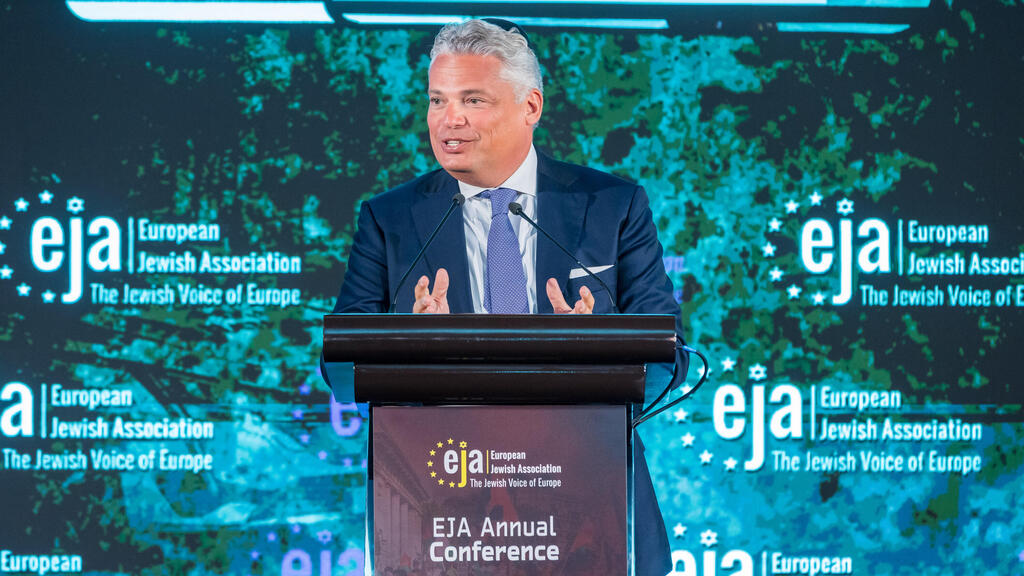
Ralph Pais
(Photo: Daniel Rahamim)
During a ceremony held at the conference, a special award was presented to U.S. Ambassador to Belgium Bill White. A close friend of President Donald Trump for 30 years, White said he received a special mandate from Trump to defend Jewish rights in Belgium.
“I’m not a typical diplomat, and I speak from the heart,” he said. “It breaks me when someone spits on a wonderful Jewish child or an elderly person in the streets of Antwerp simply because someone thinks they represent Israel. People need to be educated to separate the two. I would like to see everywhere in the world what President Trump did: appointing a special envoy to combat antisemitism, like Rabbi Kaploun. I tell the Jews of Belgium to stay and fight. We will support you, but if you want to immigrate to the United States, I will help however I can. I hope you invest with us, build businesses and employ American workers.”
Ralph Pais of Belgium, one of the founders of the Center for Jewish Information and Documentation, praised White. “When indictments were filed against mohels for alleged violence against children, Ambassador White tweeted that ‘Belgium is antisemitic.’ The ambassador found himself at the center of a diplomatic scandal covered by every newspaper in the country, was summoned to the Belgian Foreign Ministry, but did not back down," he said.
"There is hardly a tweet in which he does not address the issue. External pressure is the only thing that still deters people here. When the United States says, ‘If you do not treat Jews properly, we will impose sanctions on you or open the gates for them to leave,’ local politicians listen.”