


A well-known secret among New Yorkers is that “the city that never sleeps” actually likes to doze off. Visitors arriving in the “capital of the world” from warm countries with a rich siesta culture are often disappointed to discover that, aside from a 24/7 Apple Store on Fifth Avenue and a few questionable pizza slices available in the wee hours, the city lowers the shutters close to midnight.
But in recent days, the cliché has suddenly come true. The city is in a frenzy unlike anything seen in decades, all because of its basketball team, the New York Knicks, who have reached the NBA Finals for the first time since 1999.
Gallery
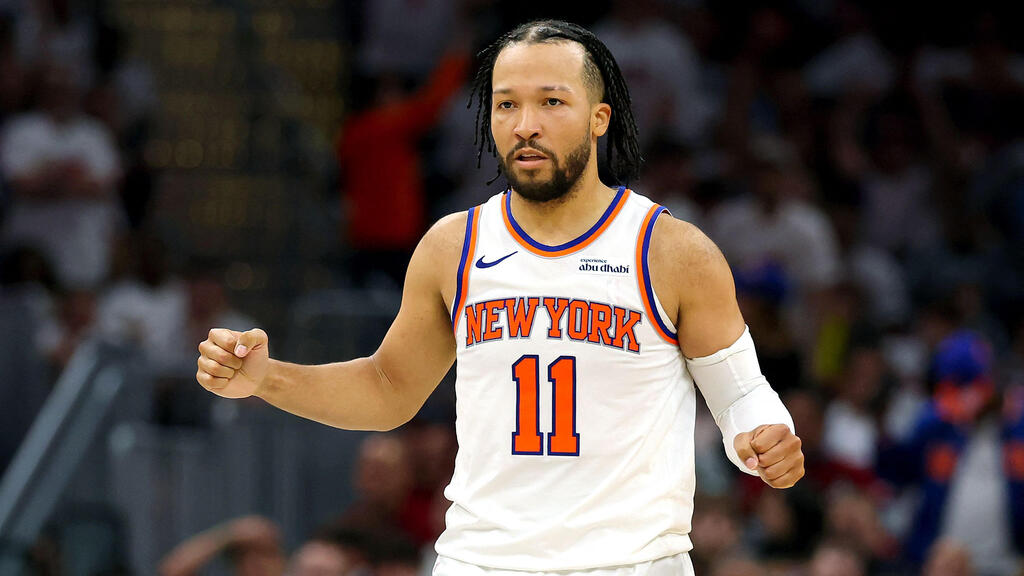
Jalen Brunson has led the Knicks to many victories
(Photo: Gregory Shamus/Getty Images North America / AFP)
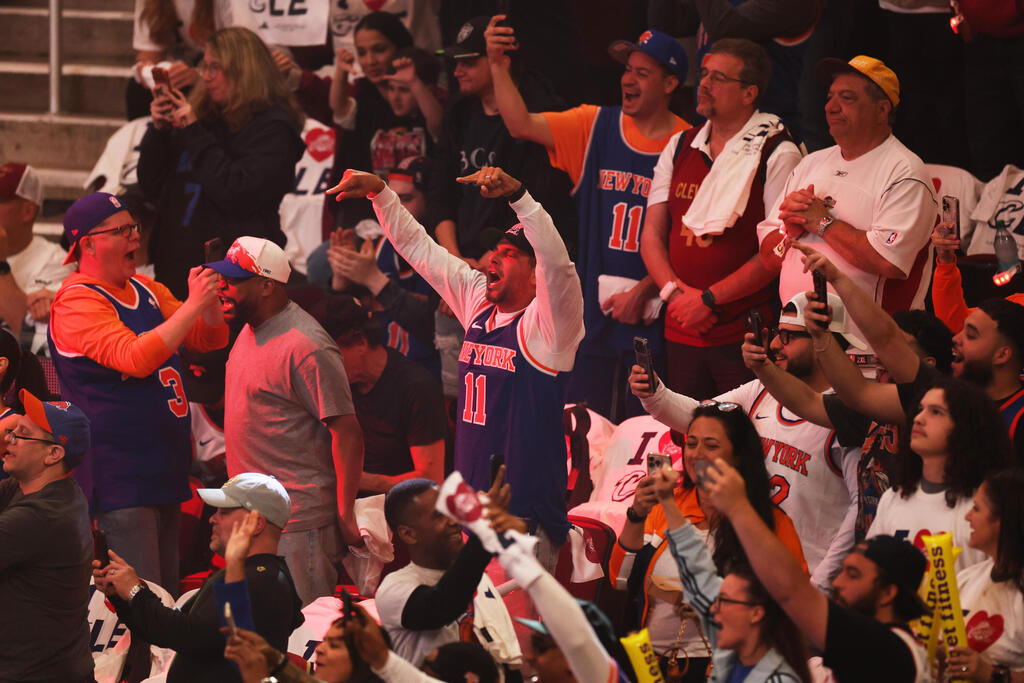
As in that season, 27 years ago, the Knicks will face the San Antonio Spurs in the Finals, beginning overnight Wednesday into Thursday. Tattoo parlors in New York, including those on the edges of Chinatown and in the Long Island suburbs, are reporting long lines of fans who want to etch the moment onto their skin. Fans like Jonathan Rubin told us this is exactly the time to “pull the trigger” and add the Knicks logo to their tattoo collection. Others, like high school student Noah, added it instead to their collection of kippahs.
In the city with the largest Jewish community in the world, those kippahs have been flying off the shelves among the team’s hundreds of thousands of Jewish fans. But the Knicks’ run to the Finals has also created a direct clash with that vibrant community. The root of the problem became clear when NBA officials released the official Finals schedule.
The league, which prioritizes ratings and prime-time U.S. television slots, scheduled Game 2 of the series for Friday, June 5, at 8:30 p.m. New York time — about half an hour after Shabbat begins, and at about the same time as the start of Kiddush and Friday night dinner. The problem could get even worse: If the series develops as fans hope, then Game 7, which would determine the 2026 NBA champion, will fall on Friday, June 19. Again, on Shabbat evening. Game 5, if necessary, will also begin during Shabbat — half an hour before Shabbat ends.
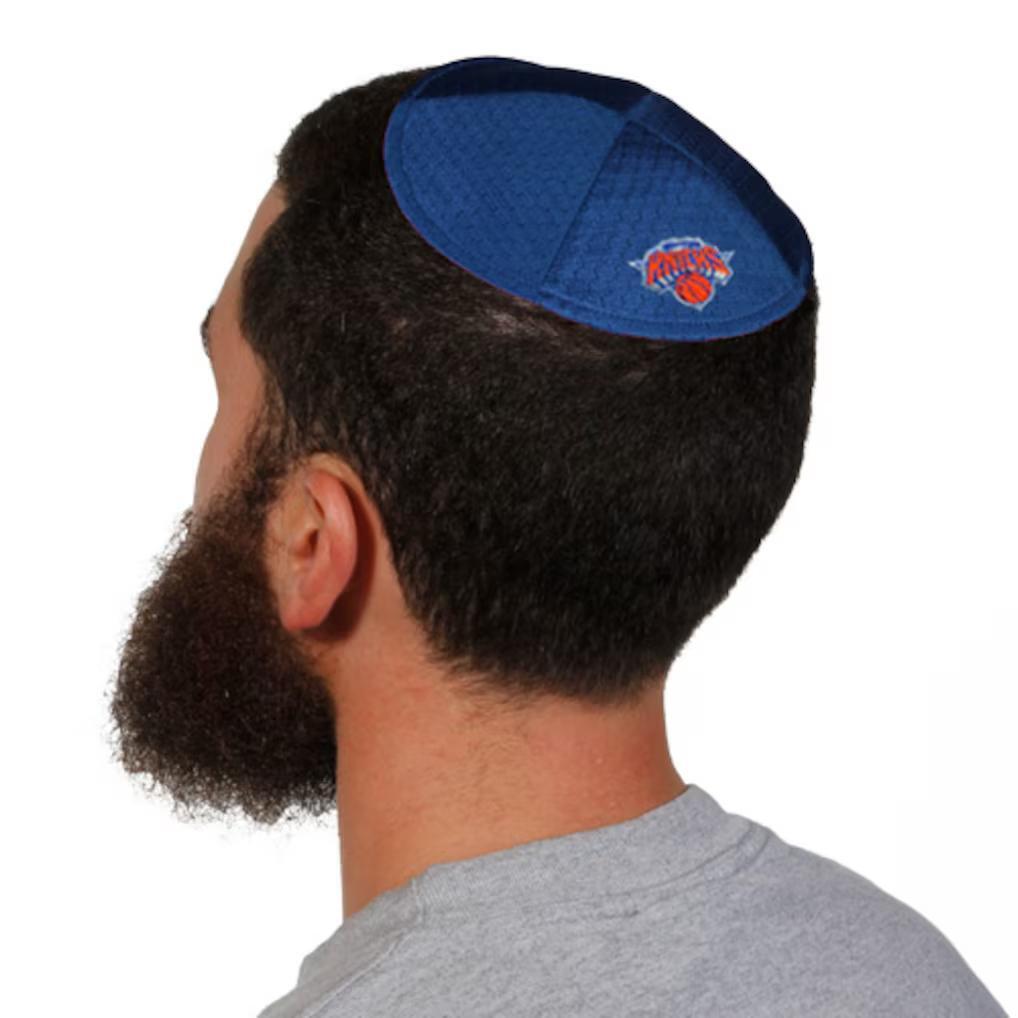
New York Knicks kippah
(Photo: NBA Store)
The anger flooded the social media feeds of observant fans, many of whom hold season tickets or follow the team religiously. For those who have waited their entire lives for a Knicks Finals appearance, this is the ultimate FOMO test, they will be keeping the Sabbath while the entire city talks about one thing.
One fan issued a desperate plea to the league’s official account: “NBA change this NOW!!!” - yes, with three exclamation marks — a demand that drew thousands of likes and shares within hours. Others argued quite seriously that league management is “antisemitic,” even though it is headed by a Jew, Adam Silver. Some wondered “who needs to give a campaign donation in this city” to change the situation, and called on conspiracy theorists: “If Jews really control the world, do you think Knicks games would be scheduled on Shabbat?”
Mendy, a devoted Haredi fan who has held his seat at Madison Square Garden for 15 years, said he feels excluded. “We have waited for this moment for decades, literally. NBA management needs to understand that New York is not like any other city. There is a huge Jewish audience here, subscribers and die-hard fans, who are being excluded from the club’s biggest moments only because of an insensitive scheduling choice.”
According to Mendy, 34, from Borough Park, “It creates a real internal dilemma. You sit at the Shabbat table, sing zemirot and try to be completely present with the children, but in the back of your mind the thought keeps nagging: What’s the score in the third quarter? How many points has Brunson already scored?”
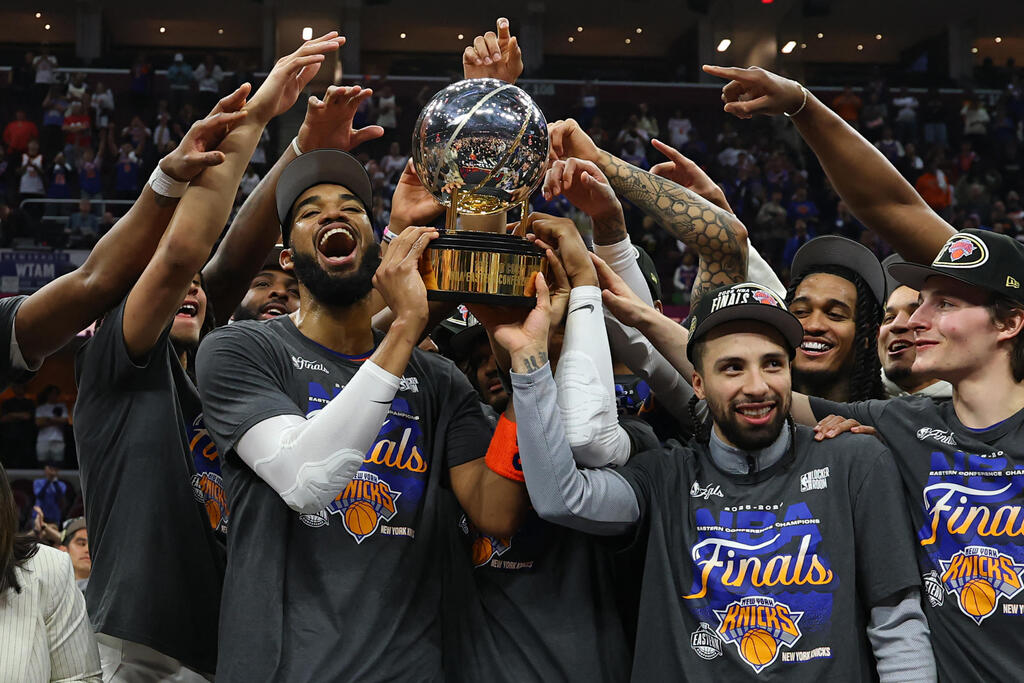
Knicks players celebrate winning the Eastern Conference championship and advancing to the NBA Finals
(Photo: David Dee Delgado/Getty Images North America /AFP)
In religious schools, synagogues and neighborhood WhatsApp groups, requests are already circulating not to reveal results until after Shabbat. Parents are trying to convince teenagers to put their phones aside, teenagers are trying to find out whether it is permissible to “just check the score,” and older fans are planning to watch the recorded game after Havdalah as if it were live.
In that sense, the Knicks are functioning these days almost like a New York civil religion. Madison Square Garden has its own language, rituals, chants, sacred colors and mythology of suffering and redemption.
An educational challenge and a real test
The Knicks are on an extraordinary playoff run, one that has reawakened dormant memories of distant glory years. In the streets of Manhattan, Brooklyn, Queens and even Staten Island, it is hard to miss the change in atmosphere. Orange shirts and blue caps have become the unofficial uniform of city residents, and many conversations on trains, in cafes and in bars revolve around whether Jalen Brunson and his teammates can lead the club to its first championship since 1973.
The city is behaving as though a parallel calendar has opened, in which the eve of an important game matters more than any holiday, and every basket by Brunson or Karl-Anthony Towns takes on the status of a sign from heaven.
Rebecca, a teacher at an Orthodox Jewish school in the Bronx and a mother of three teenage boys, describes the situation as a daily educational challenge. “My sons talk about the Knicks players with the same level of interest and enthusiasm with which they talk about the weekly Torah portion. As parents, we try to instill in them the clear understanding that Shabbat comes before everything, but we also understand the reality they live in. In New York, being a Knicks fan is not just a hobby, it is an inseparable part of your local identity. When the most important game of the year falls on Shabbat evening, it is a real test for young boys who feel they are being left out of the big story of the city they grew up in.”
Project that distributes tickets to fans who commit to keeping Shabbat
On the other side, a Jewish initiative has emerged that is trying to turn playoff madness into leverage for Shabbat observance. The “ILoveShabbat” initiative distributes prizes every week to those who commit to properly observing Shabbat, and in honor of the playoff run, it has offered Knicks fans the chance to enter raffles for game tickets estimated to be worth between $3,000 and $6,000.
Users who commit to keeping Shabbat that week are entered into a raffle for tickets to finals games — those held on weekdays, of course. The organization, funded mainly by Haredi businesspeople and philanthropists, says more than 5,000 fans have already committed to keeping Shabbat, 10 tickets have already been given out and the list is still growing.
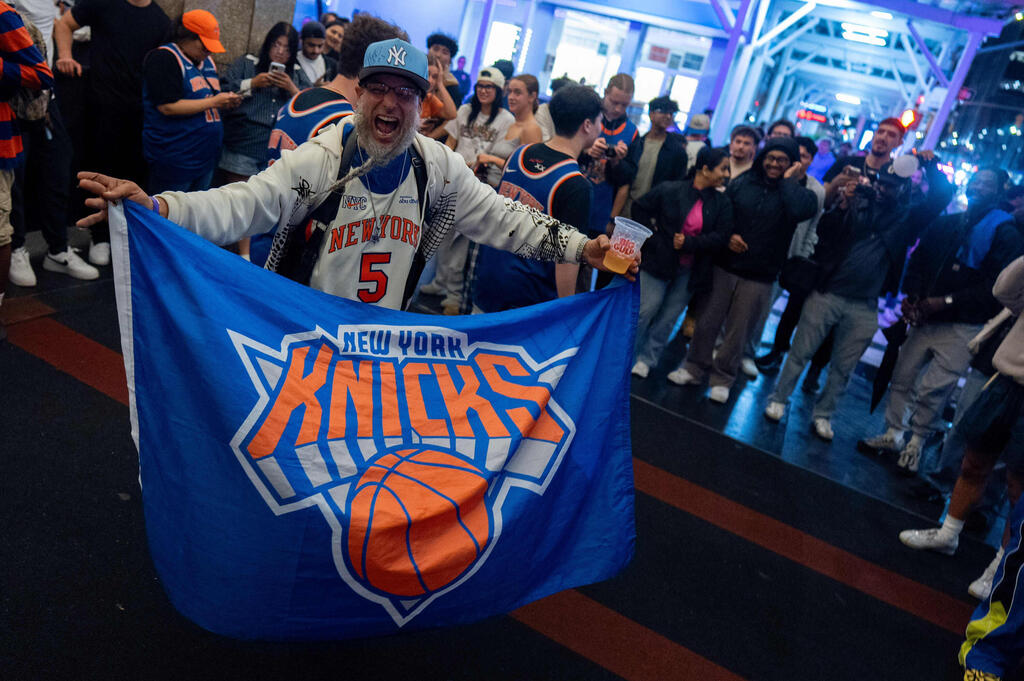
Knicks fans celebrate in the streets of New York
(Photo: David Dee Delgado/Getty Images North America AFP)
“The evil inclination is a sophisticated politician, and sometimes it chooses to wear an orange jersey with Brunson’s No. 11,” said one supporter of the initiative, who asked to remain anonymous. “The initiative is not here to fight the love of sports or condemn the fans. Everyone understands the power of temptation, but the goal is to remind people that the real victory for a Jewish person is the ability to preserve his values even under the greatest social pressure. Teams on the court will change, players will be traded, managements will be replaced — but Shabbat will always remain with us. When a young fan chooses to stay in synagogue or extend his Shabbat meal instead of running to a screen, he is the real MVP of the week, and that is an act of quiet heroism.”
As many wins as commandments
The deep and sometimes charged connection between New York Jews and the Knicks is not new. It is rooted deeply in the process of immigration and integration of the Jewish community in the city and in the United States more broadly. The fact that the team’s rise to the Finals happened during Jewish American Heritage Month, marked across the country, only added another layer of symbolism.
In fact, from the beginning, the team did not only represent the city geographically; it also reflected its social demographics.
(Photo: Tim Phillis/AP)
In 1946, the year the NBA and the original New York Knickerbockers were founded, the team’s roster included no fewer than six Jewish players. Ossie Schectman, the son of immigrants from Russia, scored the first basket in NBA history, on Nov. 1, 1946. Schectman took the court in that historic game as a starter alongside three other Jewish players on the team: captain Sonny Hertzberg, leading scorer Leo “Ace” Gottlieb and Ralph Kaplowitz.
In those early years, basketball was seen as a distinctly urban sport, a game played in small gyms and crowded neighborhood courts, and it served for the children of Jewish immigrants as an entry ticket into the new American fabric — without erasing heritage, community or synagogue.
Jews also accompanied the club through its professional peak in the 1970s. The Knicks’ only two championships to date, in 1970 and 1973, were won under the strict leadership of coach William “Red” Holzman. Holzman, born and raised in a family of Romanian-Russian Jewish immigrants, is still considered the club’s greatest professional architect, and he has been honored in both the NBA Hall of Fame and the International Jewish Sports Hall of Fame.
The number 613 — the number of wins he had as Knicks coach — hangs in the arena alongside the numbers of the club’s greatest legends, and, maybe by coincidence or maybe not, it is identical to the number of commandments in Jewish tradition.
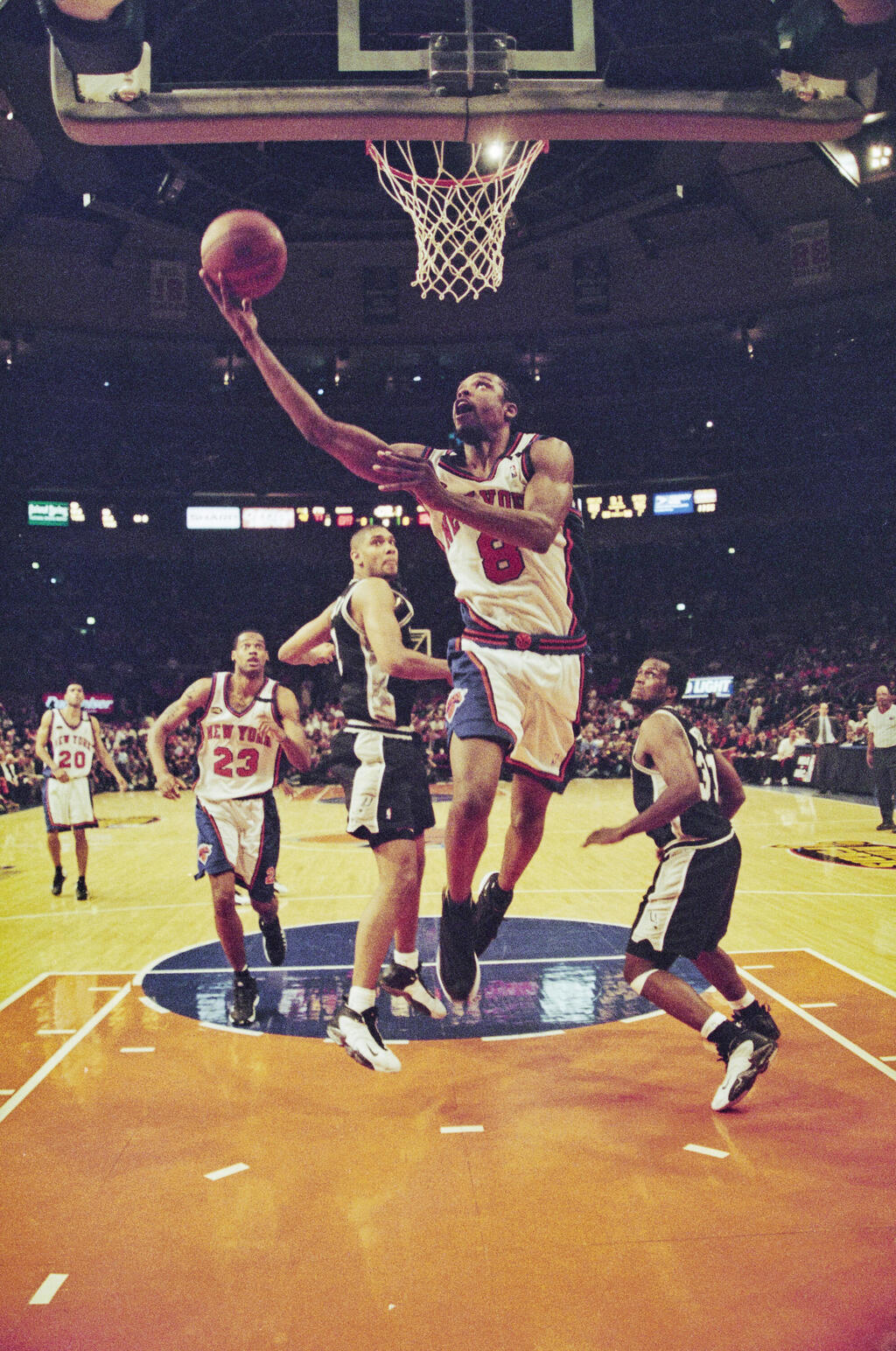
Latrell Sprewell of the New York Knicks in the team's previous NBA Finals appearance, in 1999
(Photo: Jamie Squire / Allsport / Getty Images)
Later came figures such as Ernie Grunfeld, a Romanian-born Jewish player for the team who became the Knicks’ general manager in the 1990s, and broadcaster Marv Albert, born in Brooklyn as Marvin Aufrichtig — the voice most identified with the Knicks for decades. Albert got his first broadcasting opportunity in 1963 as a temporary replacement for another veteran Jewish broadcaster, Marty Glickman, and for nearly 50 years became the undisputed soundtrack of the team’s fans. His famous “Yes!!!,” which accompanied every important basket in decisive moments, was etched into the memories of fathers and sons sitting together around radios and televisions across the city.
Also worth mentioning, of course, is Amar’e Stoudemire, who played for the team from 2010 to 2015 and was one of the central figures in restoring fighting spirit and excitement to Madison Square Garden. After ending the main chapter of his NBA career, Stoudemire chose to move his life to Israel, played in the local league and won championships with Hapoel Jerusalem, in which he also held an ownership stake, and Maccabi Tel Aviv. He later underwent a full conversion to Judaism, received Israeli citizenship and adopted the name Yehoshafat Ben Avraham.
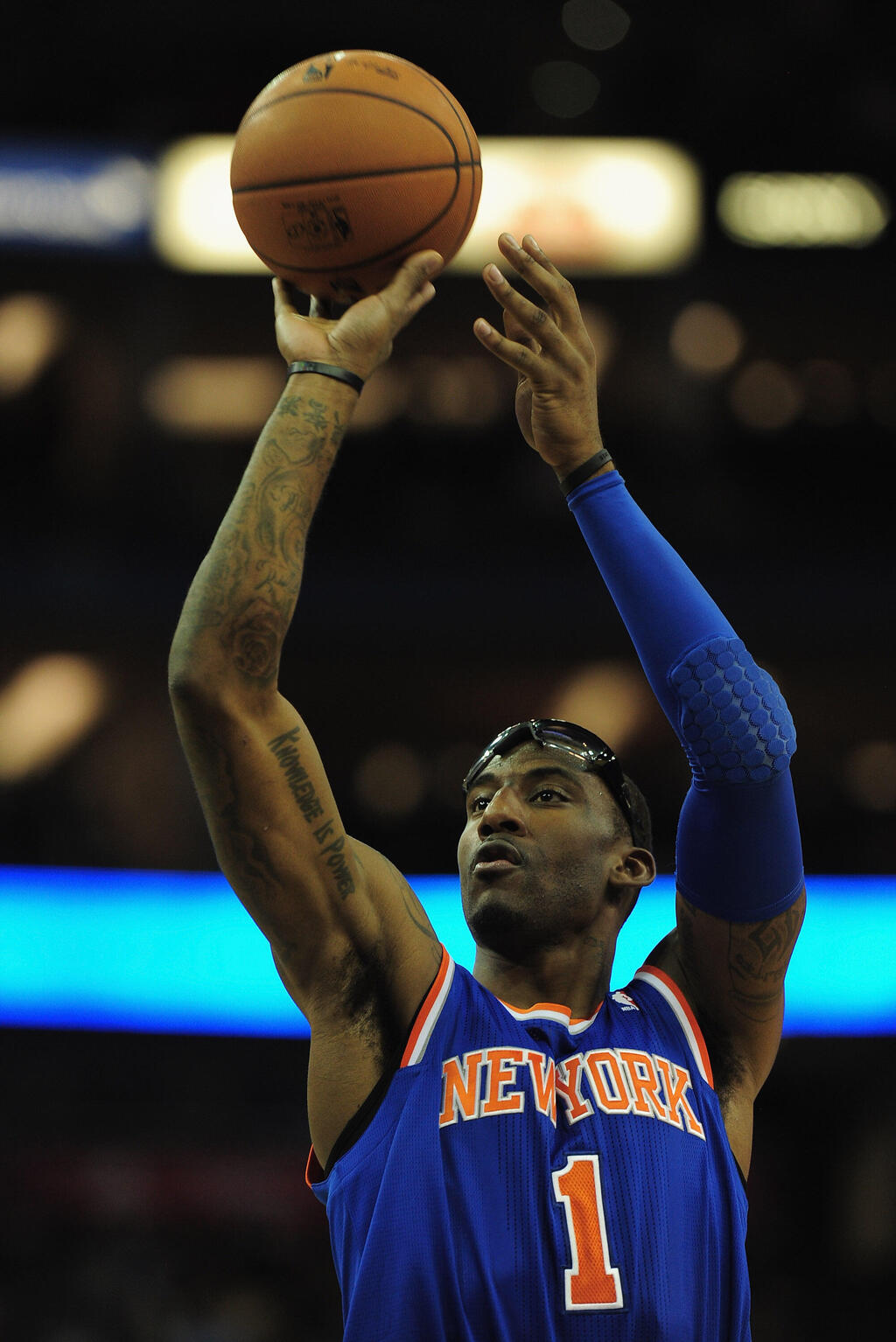
Amar’e Stoudemire, who played for the team from 2010 to 2015
(Photo: Jamie McDonald/Getty Images)
Now, as the Knicks stand before a golden opportunity to contend for the championship, that history is returning to Jewish conversation through a central question: What do you do when your team’s biggest moment comes half an hour after you light your Shabbat candles?
Some fans will choose the game, but many religious fans will remain fully disconnected and ask that no one tell them anything until nightfall the next day.
Especially this year, one of the most complex and challenging years the city’s Jewish community has known, the Knicks’ NBA playoff run carries significance far beyond the court. Jewish filmmaker and New York native Josh Safdie, of “Marty Supreme” and “Good Time,” put it well: “There is a strong correlation between Jewishness and Knicks basketball, and it has to do with suffering and trying to make sense of your life.”
First published: 12:40, 06.02.26