


A juvenile court in Zurich is currently hearing the case of a Muslim teenager, now 17, accused of carrying out an antisemitic stabbing attack against an ultra-Orthodox Jewish man in the city on March 2, 2024.
Prosecutors have charged him with multiple counts of attempted murder and planning a massacre at a synagogue, but due to his age at the time of the attack, 15, the maximum sentence the court can impose is one year in prison.
Gallery
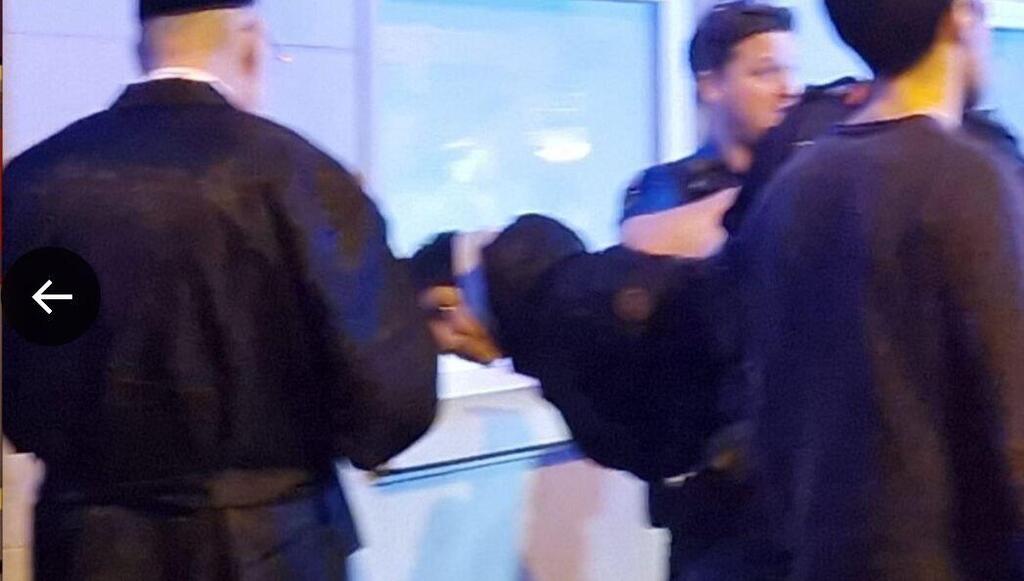
The teenager is apprehended by law enforcement after stabbing an ultra-Orthodox Jewish man in Zurich on March 2, 2024
During the hearing, the judge sought to understand how the defendant became a supporter of Islamic State, how he planned the attack and what his attitude toward the victim is today. The defendant refused to answer any of the questions, repeatedly replying, “No comment.” Due to his silence, the court relied on statements he made during the investigation. According to those statements, his goal was to be killed by police after the attack in order to die as a “martyr” and reach paradise.
According to the indictment, after Hamas’ October 7, 2023 attack, the teenager rapidly became radicalized. In January 2024, he began searching online for Islamic State materials, bomb-making manuals and terror tactics. He also communicated with another individual who held similar views about how to make explosives.
After deciding that building a bomb was too difficult, he allegedly opted for a stabbing attack. Prosecutors said he bought a butcher’s knife at a Zurich shopping center the day before the assault and searched social media for synagogue prayer times. According to the indictment, his goal was “to kill as many Jews as possible.”
On the day of the attack, the defendant arrived at the synagogue while livestreaming. A technical failure meant the incident was recorded in audio only, not video. In the recording, he is heard complaining that the synagogue door was locked and saying he would wait until someone came out. Moments later, he is heard saying, “Now I have one.” Shortly afterward, sounds of running, the attack, cries of “Allahu Akbar” and the arrival of emergency services are heard.

His goal, according to the indictment, was 'to kill as many Jews as possible'
According to the indictment, the attacker stabbed a 50-year-old Orthodox man from behind repeatedly, initially targeting his neck and head and later attempting to slit his throat. In total, the victim was stabbed 17 times.
The injured man managed to escape several meters into the street, but the attacker chased him and continued stabbing him. The assault ended only when bystanders subdued the attacker on the hood of a car stopped at a red light. The victim was taken to the hospital in serious condition with multiple lung injuries and underwent emergency surgery that saved his life.
The juvenile prosecution has charged the defendant with multiple counts of attempted murder and is seeking the maximum penalty allowed under law, one year in prison. The defense, meanwhile, is seeking to acquit him of attempted murder charges and reduce the sentence to six months. A verdict is expected on Tuesday.
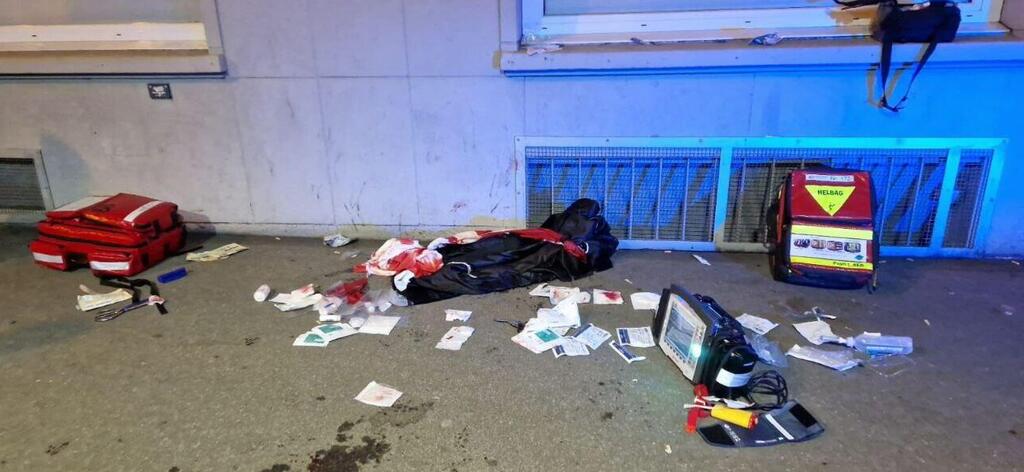
The scene of the attack in Zurich
The prospect that a defendant accused of planning to kill multiple Jews could receive no more than one year in prison has sparked sharp criticism in Switzerland. Under Swiss juvenile law, criminal proceedings focus primarily on rehabilitation rather than punishment, sharply limiting sentences even in the most serious cases. The court may also order the defendant held in a closed educational facility until age 25.
In the case of an adult, attempted murder or causing serious bodily harm could carry lengthy prison terms, while murder could result in life imprisonment.
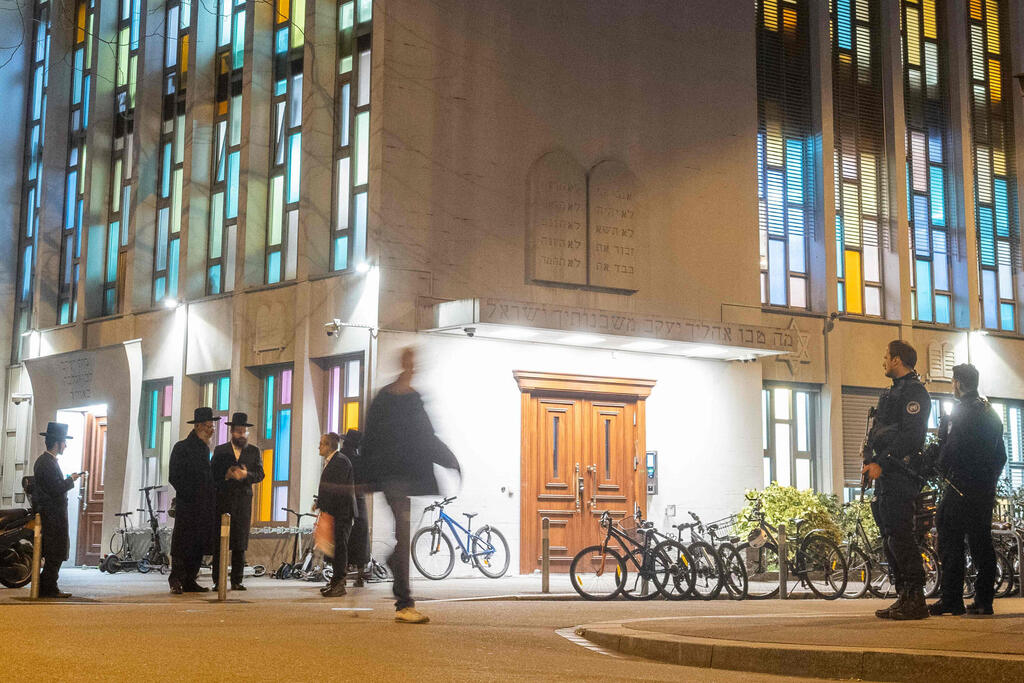
Police officers near the attack scene in Zurich
(Photo: Arnd Wiegmann / AFP)
According to Prof. Jan Agha, a criminal law expert at the University of Zurich, the difference stems from two central principles: the desire to prevent young offenders from reoffending through rehabilitation and the research-based view that minors have not yet fully developed the capacity to control their behavior and therefore bear reduced criminal responsibility.
However, following the attack, Swiss lawmakers have begun advancing legislative changes that would allow harsher penalties when minors commit terrorist offenses. Under the proposals being discussed, longer prison sentences could be imposed in ideologically motivated attacks, but no significant progress has yet been made in the legislative process.
The court is also expected to decide whether to strip the attacker, a Swiss-Tunisian dual national, of his Swiss citizenship, a step that could enable his deportation to Tunisia after legal proceedings conclude.