

The Ministry of Aliyah and Integration is facing allegations that its efforts to encourage immigration from Europe are focused primarily on religious Jews, according to testimonies from current and former employees obtained by ynet.
The claims suggest that much of the ministry’s activity is directed at encouraging observant immigrants, with outreach concentrated in synagogues, religious institutions and through ties with rabbis. According to the testimonies, there is little to no engagement with secular students or nonreligious organizations.
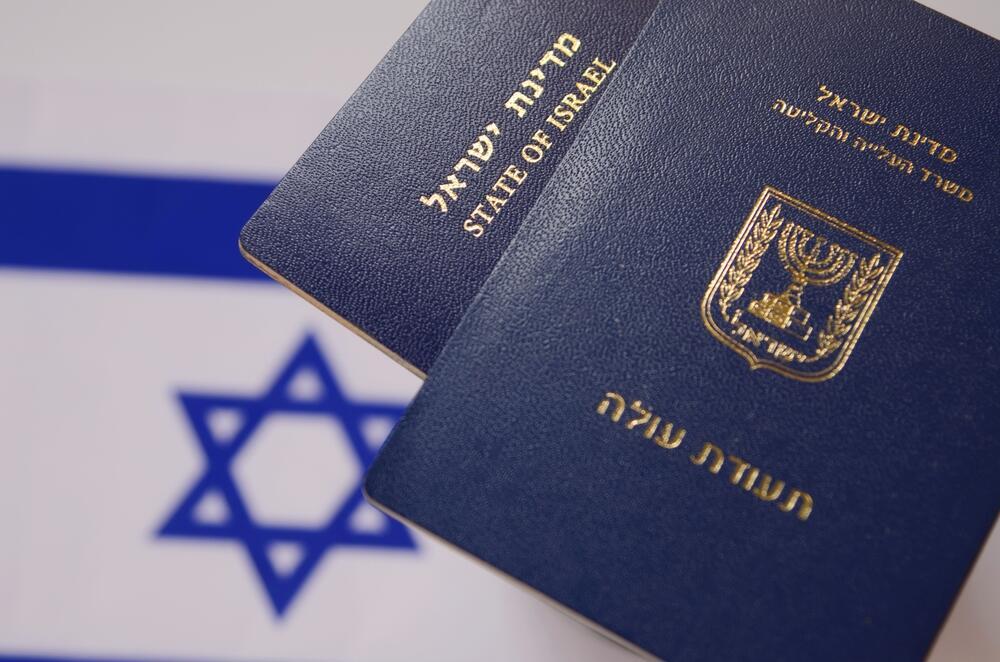
A senior official in the ministry denied that such an approach reflects official policy, but acknowledged that in practice the overwhelming majority of immigrants arriving in Israel are religious.
Employees cited what they described as a “spirit of leadership” linked to the political affiliation of Minister Ofir Sofer, from the Religious Zionism party, which they said emphasizes bringing religious immigrants. They also alleged that the ministry employs 15 immigration mentors working with immigrants from France, all of whom are religious and live in West Bank settlements.
The ministry said it cooperates with a wide range of organizations representing diverse communities.
Additional testimonies indicate that concerns were raised internally — including by the Jewish Agency, a major organization involved in facilitating Jewish immigration — about the risks of focusing almost exclusively on religious immigrants. Proposals to expand outreach to secular young people, including university students, were reportedly rejected.
Some employees who called for broader efforts said they were met with dismissal, and in some cases lost their jobs, allegedly due to budget cuts.
A former ministry employee in Europe who was dismissed said: “The ministry is looking to bring only religious immigrants to Israel. They are interested only in people ‘like them.’ Secular people receive no attention.” She added that all 15 mentors assisting immigrants are religious, wear kippahs and live in settlements, with no secular representation.
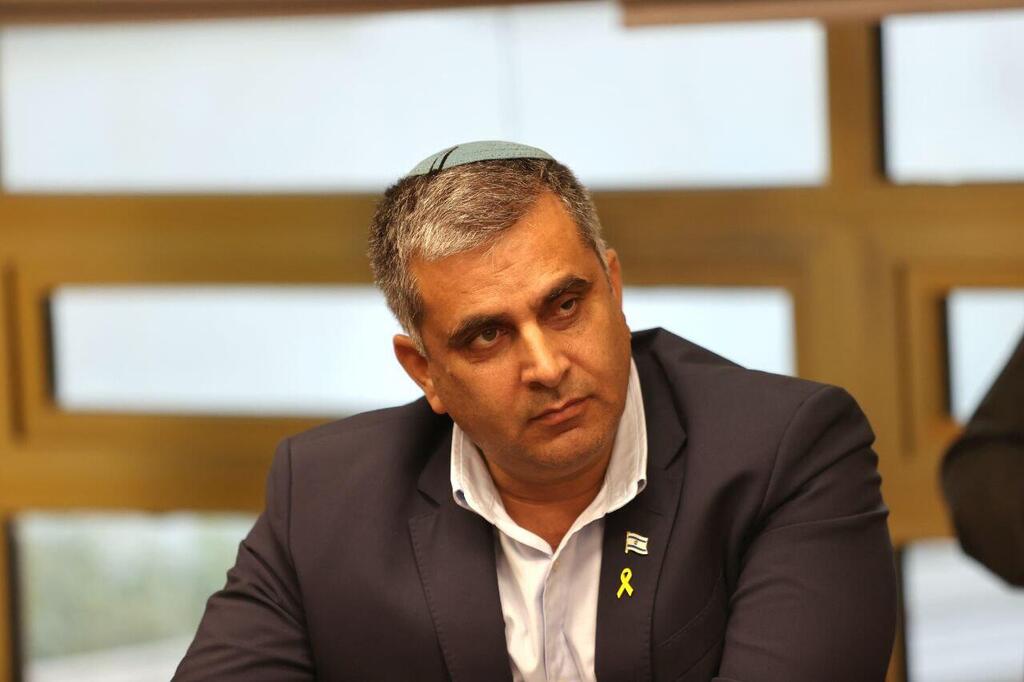
Ofir Sofer
(Photo: Alex Kolomoisky)
She also said outreach events are held primarily in synagogues, with no engagement in secular institutions. Suggestions to hold immigration events at universities such as the Sorbonne, where most students are secular, were rejected.
A senior source at the Jewish Agency said that while immigration fairs are technically open to everyone, they are primarily advertised in traditional or religious Jewish media. Cooperation tends to focus on organized community institutions, such as major synagogue events in cities like Paris.
“Their response is that this reflects the nature of the community, and that there are no equivalent frameworks for secular Jews,” the source said. “In practice, it’s a ‘looking under the streetlight’ approach — and the streetlight is religious, because it’s easier to operate there.”
The source added that while the ministry may be satisfied with the results, the approach also reflects convenience rather than a comprehensive strategy. He also pointed to a sharp decline in immigration from Russia and Ukraine — by about 50% in each of the past two years — due not only to war but also to reduced benefits and stricter eligibility requirements.
Alex Rif, CEO of Lobby 1 Million, an advocacy group representing Russian-speaking Israelis, criticized the alleged policy, saying the ministry appears to have become “a closed club for religious people.”
“Encouraging immigration only from Western countries and only of religious immigrants is a distortion of the Zionist idea of gathering exiles,” she said. “There is no place, according to this approach, for secular or traditional Jews.”
The Ministry of Aliyah and Integration rejected the accusations, saying it works to encourage immigration of Jews from around the world and cooperates with a wide range of organizations. It said its sole objective is bringing Jews to Israel.
The ministry highlighted several initiatives led by Sofer, including programs supporting new immigrants, the arrival of more than 2,000 doctors, tax exemptions for new immigrants in 2026, housing assistance in northern and southern Israel, dozens of student programs and efforts to bring members of the Bnei Menashe community to Israel.