

The debate over Holocaust commemoration in Germany has reached the town of Heidenau in Saxony, where local council members from the far-right Alternative for Germany party, or AfD, and Chancellor Friedrich Merz’s conservative party have submitted a proposal to reject future requests to install additional Stolpersteine, or “stumbling stones,” in the town’s streets.
Supporters of the proposal argue that many residents believe the memorials are an inappropriate form of commemoration and that the stones should instead be moved to the cemetery on the outskirts of town.
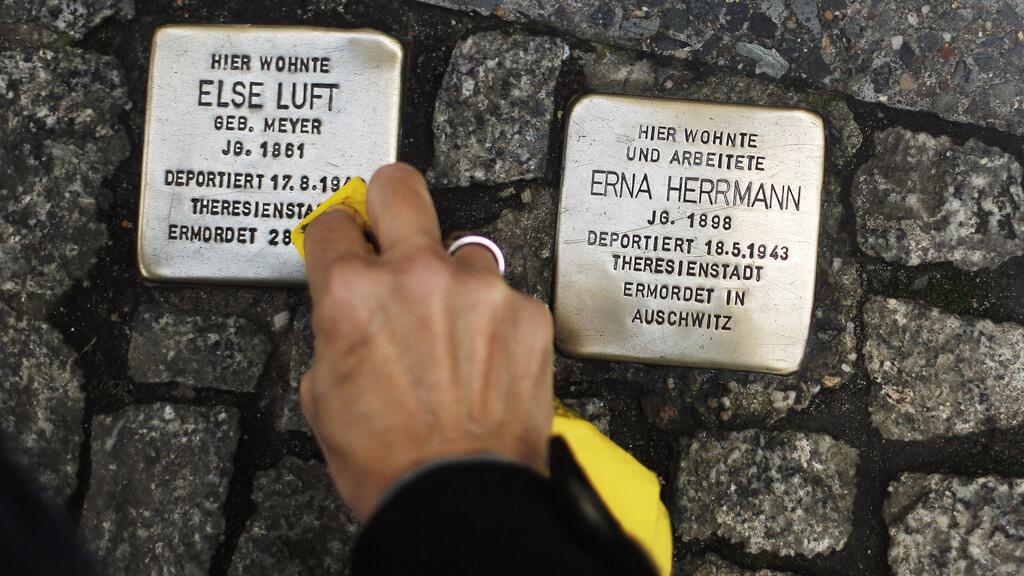
The Stolpersteine, brass-plated plaques embedded in sidewalks across Germany and other countries, are among the best-known memorial projects honoring victims of the Holocaust. Each stone bears the name of a victim, the year of birth, the date of deportation from their home and details of their death at the hands of the Nazis.
The stones are generally placed outside the building where the person lived before being deported. In some cases, several stones are installed outside a single entrance in memory of members of one family who were murdered.
Heidenau Mayor Conny Oertel has expressed support for the proposal. She said the stones are sometimes covered by leaves, dirt or rainwater, and that people walk over them without stopping, looking or understanding their significance.
There are currently five Stolpersteine in Heidenau, including one commemorating Paul Gröger, who served as mayor until 1933.
Opponents of the proposal argue that the project should remain part of the public space, where it is visible to passersby and encourages engagement with the past.
Yekaterina Kulakova, chairwoman of the Association of Jewish Communities in Saxony, warned that moving the stones to an unspecified location in the cemetery would turn the initiative from “a project of remembrance into a project of forgetting.”
Five AfD members of the city council signed the proposal, more than representatives of any other party.
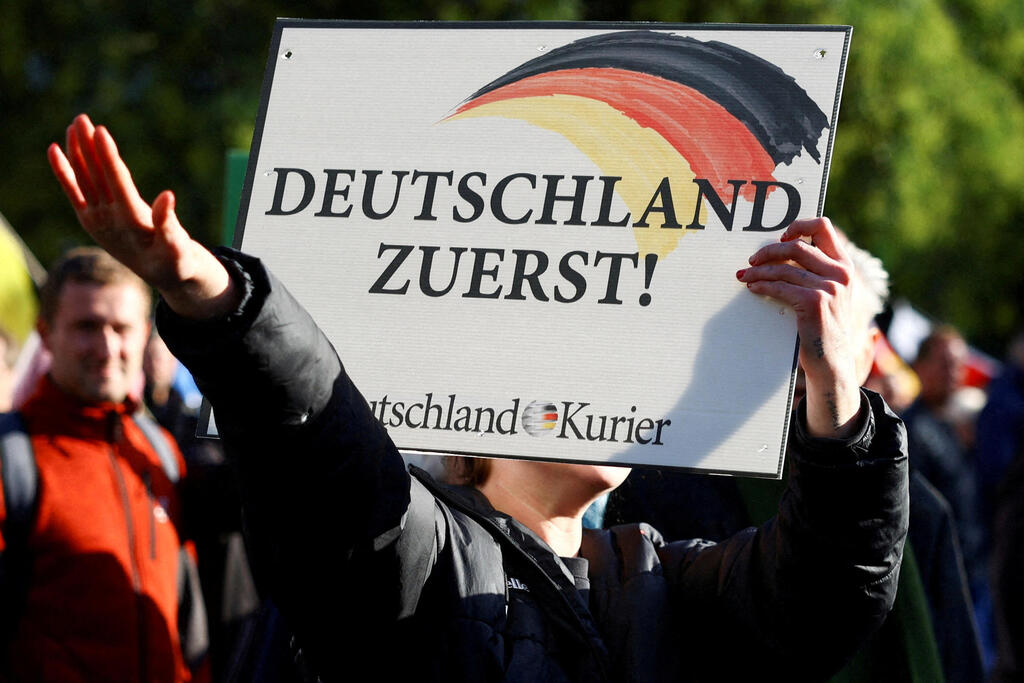
Demonstration by supporters of the far-right Alternative for Germany party in Berlin 2022
(Photo: Christian Mang/Reuters)
It is not the first time the party has raised a similar idea. In December, it submitted a proposal to move the Stolpersteine to the cemetery, where at least 31 Wehrmacht soldiers are buried.
The decision by members of the conservative party to join the proposal has also fueled debate over relations between the parties and the political firewall against the AfD.
Until now, other parties have generally avoided cooperating with it, but the AfD’s growing strength in opinion polls and elections is raising questions for rival parties over how they should deal with it.
Saxony’s next state election is not due until 2029. Current polling there puts the AfD at 42%, compared with 27.5% in the last election.