

Rabbi Yehuda Gerami, who serves as Iran’s chief rabbi, addressed Jewish life in the Islamic Republic during a visit to Brussels. In an article published in The Wall Street Journal, Rabbi Gerami said: “I'm not a politician. What interests me is Jewish life, not politics.”
Gerami, an Iranian citizen who also holds American citizenship, has often encountered people outside Iran who are surprised to discover that there are rabbis at all in a country that refuses to recognize the State of Israel — much less a Jewish community and dozens of active synagogues. Gerami estimates that about 20,000 Jews live in Iran, though some believe the number is far lower. “Whatever the Jewish community needs, it exists in Iran,” Gerami told The Wall Street Journal.
The rabbi said that the war between Iran and both the U.S. and Israel “has a negative effect on us and we don’t like it.” Despite that, he said, “my goal is that Jews in Iran should have the ability to live like Jews.”
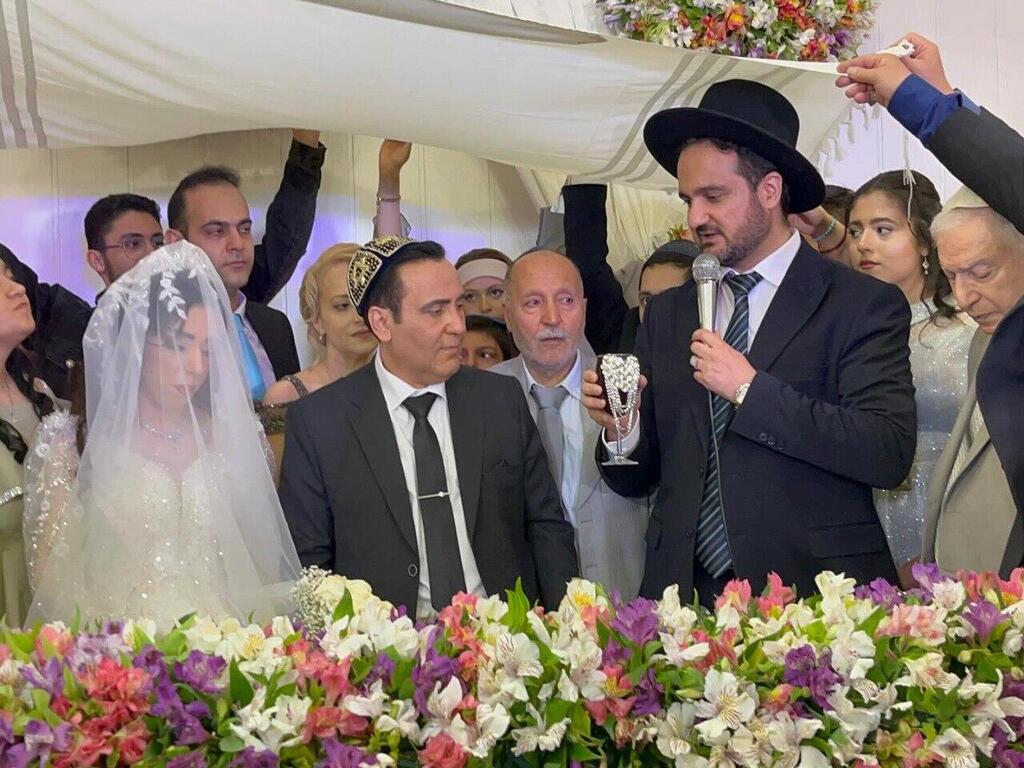
He addressed the perception that Jewish leaders in Iran support the extremist regime. “Sometimes I read that people say that about me, but my goal is not what other people say,” Gerami said while taking part in a meeting in Brussels of the Alliance of Rabbis in Islamic States, an organization that includes rabbis from 18 countries. “I’m not a messenger for anybody in the world. I’m a messenger for my community.”
Iran’s Jewish community has shrunk from more than 100,000 people before the 1979 Islamic Revolution, and today it faces severe restrictions. Among other things, Iranian Jews are barred from maintaining contact with relatives and friends in Israel. The restrictions “put people under stress” but the community can overcome them, Gerami said.
Gerami acknowledged that the war with Iran has complicated life for the country’s Jews. “Interestingly, in Iran we’ve always lived in peace with the Muslims,” he said. He added that synagogues in the country do not need security, unlike synagogues in many other countries.
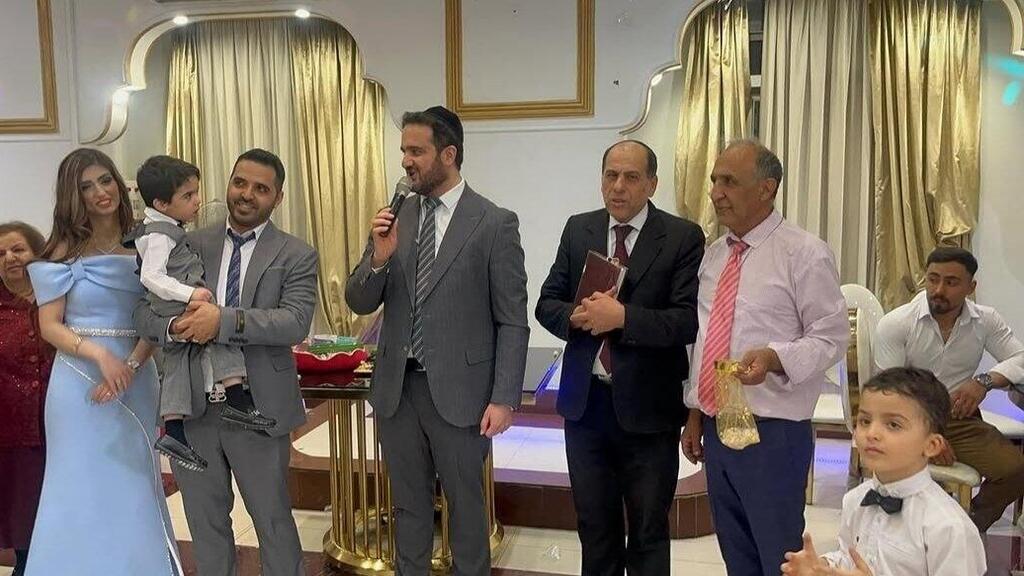
A pidyon haben (redeeming of the firstborn) ceremony in Iran, the rabbi is holding the microphone
(Photo: From Rabbi Yehuda Geramin's Instagram pageי)
Gerami, who was born in Tehran seven years after the Islamic Revolution, studied religion in Jerusalem and Baltimore. He has served as Iran’s chief rabbi since 2011. He often faces astonished questions about why Jews choose to continue living in Iran. “That question is based on a mistake,” Gerami said. According to him, Jews remain because it is the country where they and their parents were born. “We know the culture and are proud of the culture,” he said.
Of his visit to Brussels, he said the Alliance of Rabbis in Islamic States, which includes countries from Albania to Nigeria and Uzbekistan, helps him view his situation from a broader perspective. Rabbi Mendy Chitrik, who heads the alliance, said: “Every country is different, and Iran certainly has its own realities. But when we get together, we realize many of the challenges are shared.”
According to people familiar with the community, the Jewish community that remains in Iran has gradually become more Orthodox, and some believe this has given it a certain degree of respect from the theocratic regime. In recent years, Gerami’s synagogue renovated its building.