

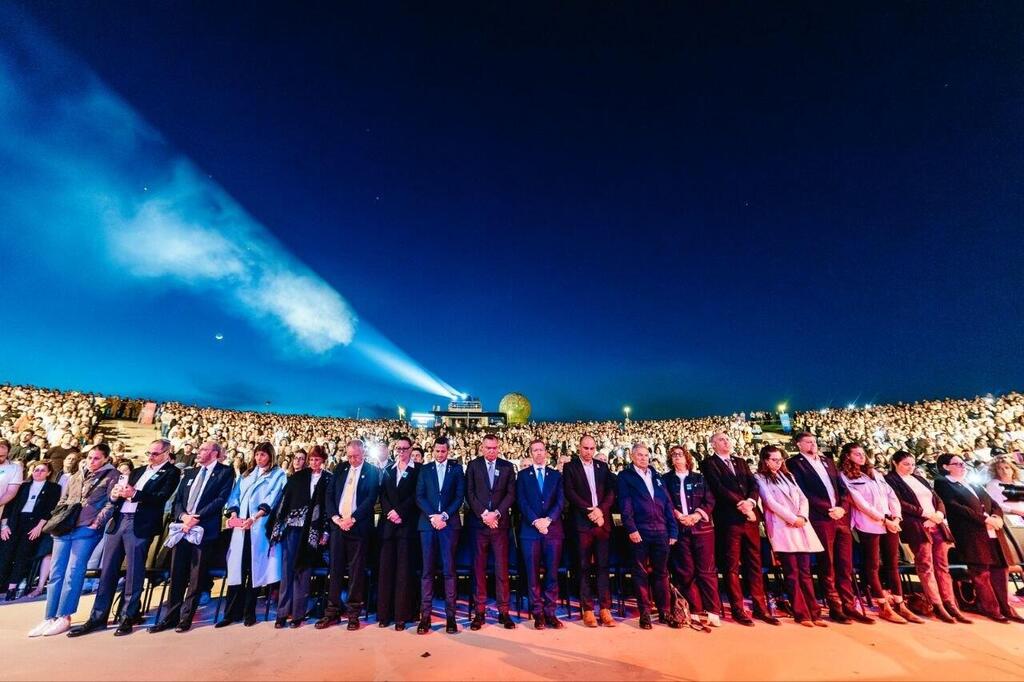
As Israel marks Yom Hazikaron amid ongoing conflict, millions of Jews across roughly 60 countries are expected to tune in to Masa Israel Journey’s International Memorial Day ceremony, the largest English-language commemoration of its kind, broadcast globally and translated into multiple languages.
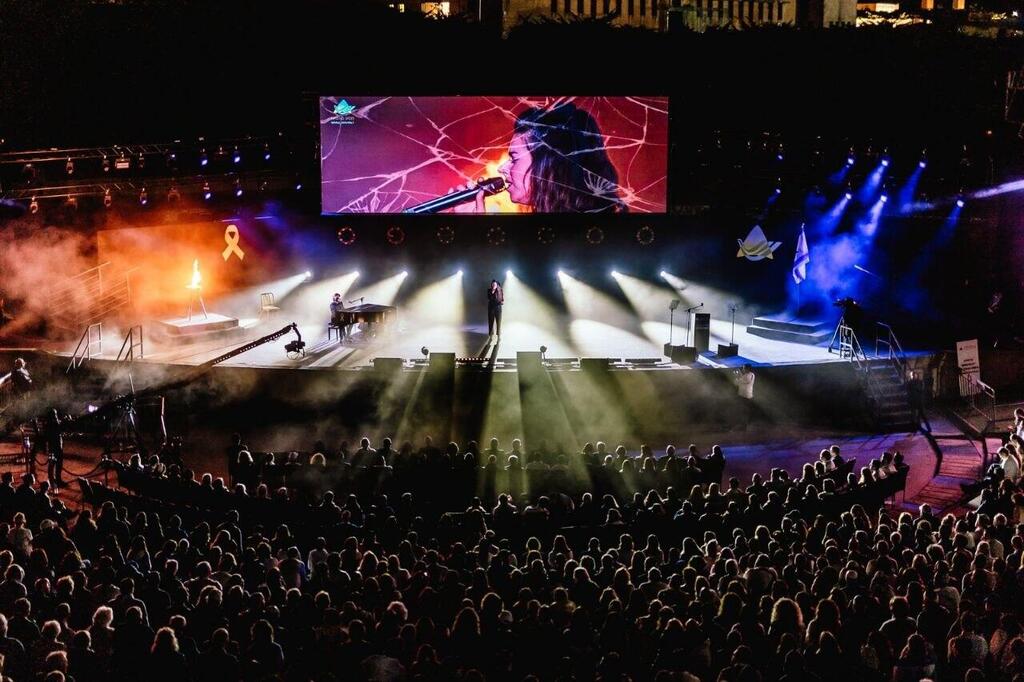
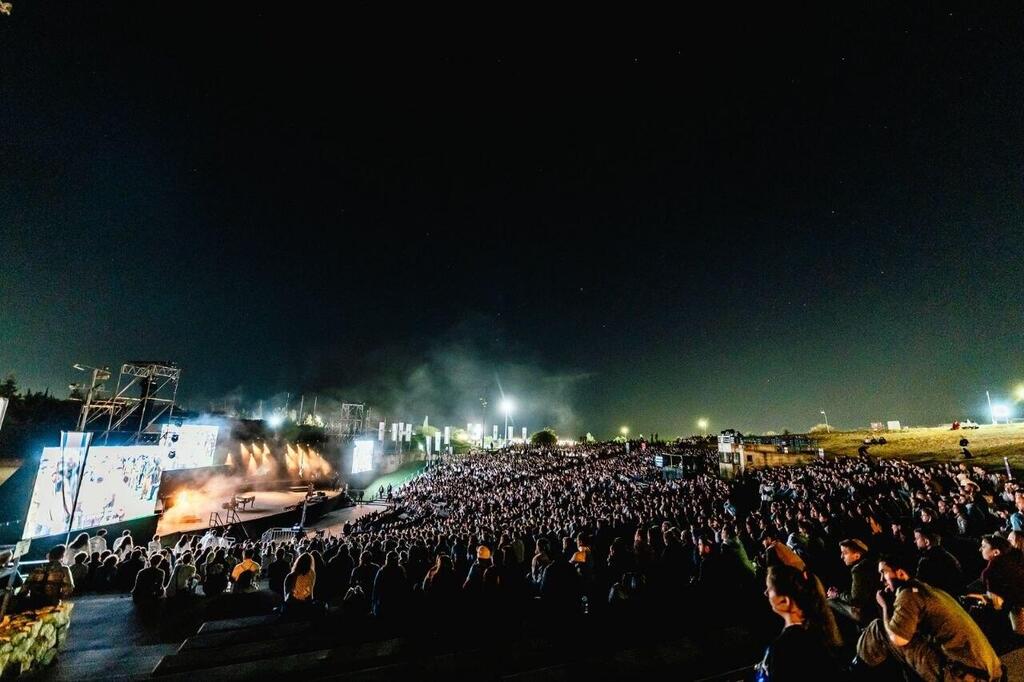
Now in its 18th year, the ceremony focuses on the stories of lone soldiers, immigrants and visitors from across the Jewish Diaspora who lost their lives in service or in acts of terror. This year, due to the war and travel limitations, the ceremony was pre-recorded and will be broadcasted worldwide, allowing communities from the United States to Morocco and Australia to take part simultaneously.
Gallery
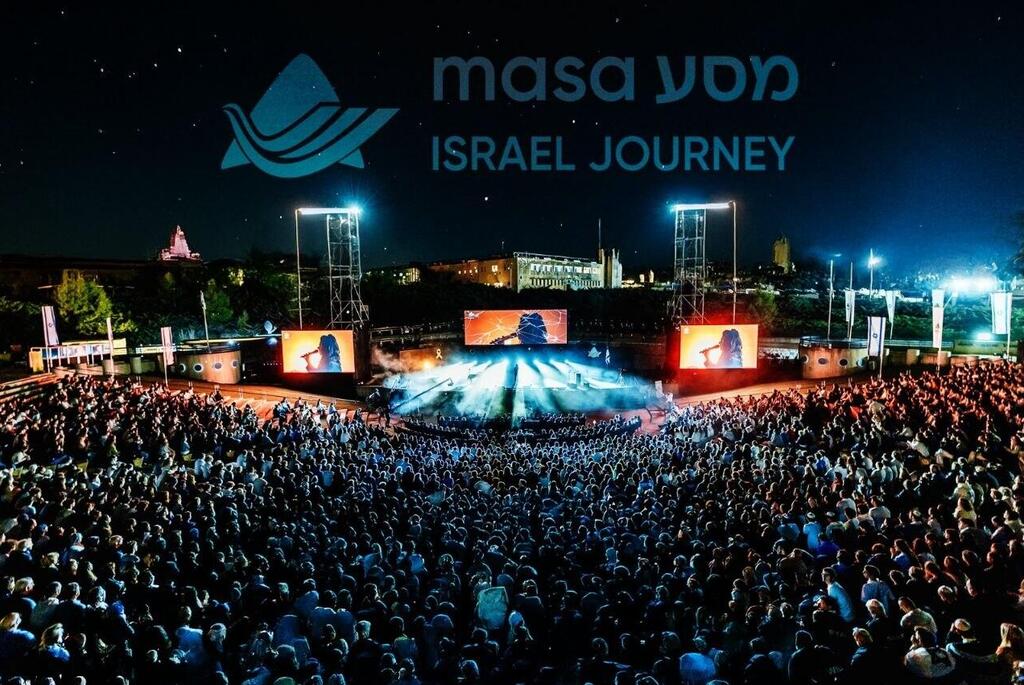
Masa Israel Journey’s International Memorial Day ceremony, the largest English-language commemoration of its kind
(Photo: Masa Israel Journey)
(Photo: Masa Israel Journey)
(Photo: Masa Israel Journey)
Alongside the global broadcast, the lived experiences of Masa fellows currently in Israel reflect the deeper meaning behind the day, a connection shaped not only by memory, but by present reality.
Leonid, 22, arrived in Israel after a complex journey that took him from Moldova to Russia and across Europe through his professional career in breakdancing. His decision to join a Masa program was driven by both opportunity and timing, as he sought to build a future grounded in language and identity.
“I wanted to take advantage of this opportunity, to be in Israel, to learn Hebrew and to build something for myself,” he said. “From the first day, I felt comfortable here, even though it’s a completely different world.”
His arrival coincided with the outbreak of war, turning what was meant to be a transition period into an immediate immersion into Israeli reality. Sirens and uncertainty became part of daily life, yet he chose to remain and continue the program.
“It’s not something you expect, but over time you adapt,” he said. “You start to understand the reality people here live with, and it changes how you see everything.”
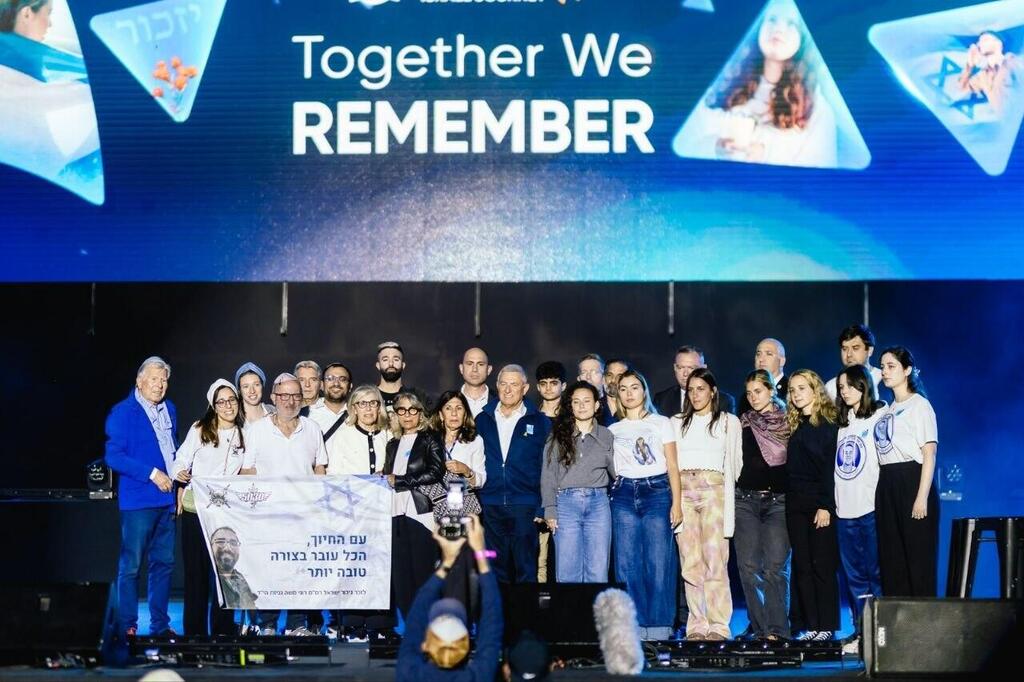
Remembering the fallen
(Photo: Masa Israel Journey)
(Photo: Masa Israel Journey)
For Anna, an 18-year-old from Buenos Aires, the decision to join Masa came from a long-standing personal connection to Israel, even as it meant stepping outside the norms of her social environment.
“It was a really hard decision, no one around me was doing something like this,” she said. “But I felt a strong connection to Israel and wanted to understand where I come from.”
Her experience quickly shifted from exploration to confrontation with reality, as she found herself navigating daily life during wartime conditions. Despite the challenges, she described a sense of admiration for Israeli society and its resilience.
“I never imagined living like this, but I admire how people cope,” she said. “There is something powerful about continuing life, even in the middle of everything.”
Both described the Masa program as a unique environment that brings together young Jews from around the world, creating a shared space for cultural exchange, learning and identity-building. Daily life includes Hebrew studies, internships and classes on Israeli society, alongside informal interactions that often become the most meaningful aspect of the experience.
The diversity of fellows, from North and South America to Europe and Australia, mirrors the global reach of the Yom Hazikaron ceremony itself. That same diversity is reflected in the ceremony’s content, which highlights personal stories that connect Diaspora communities directly to Israel’s collective memory.
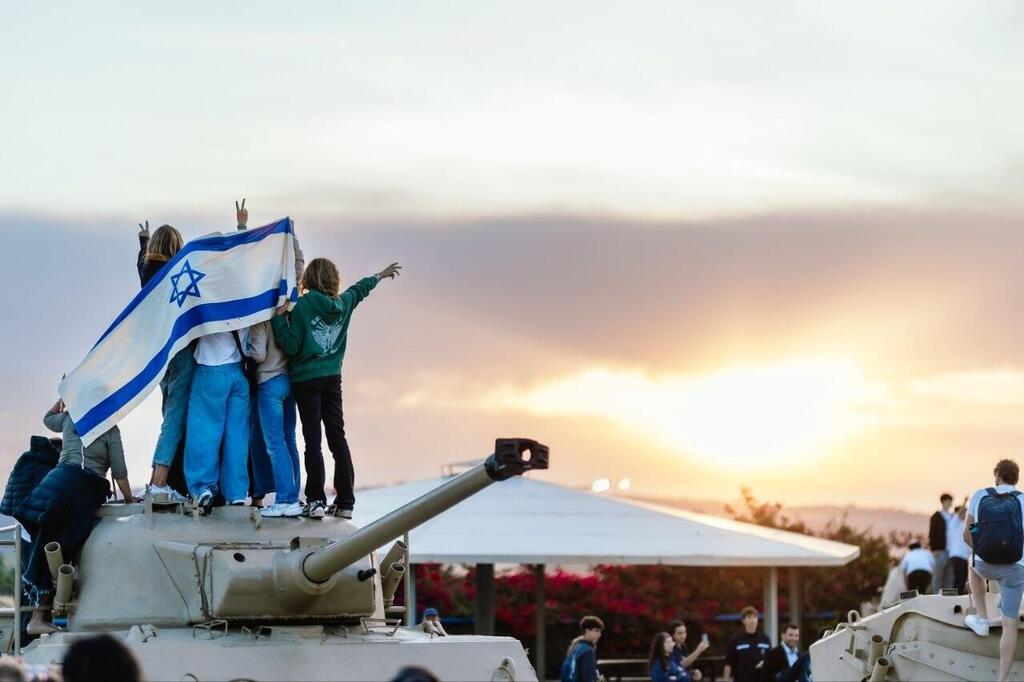
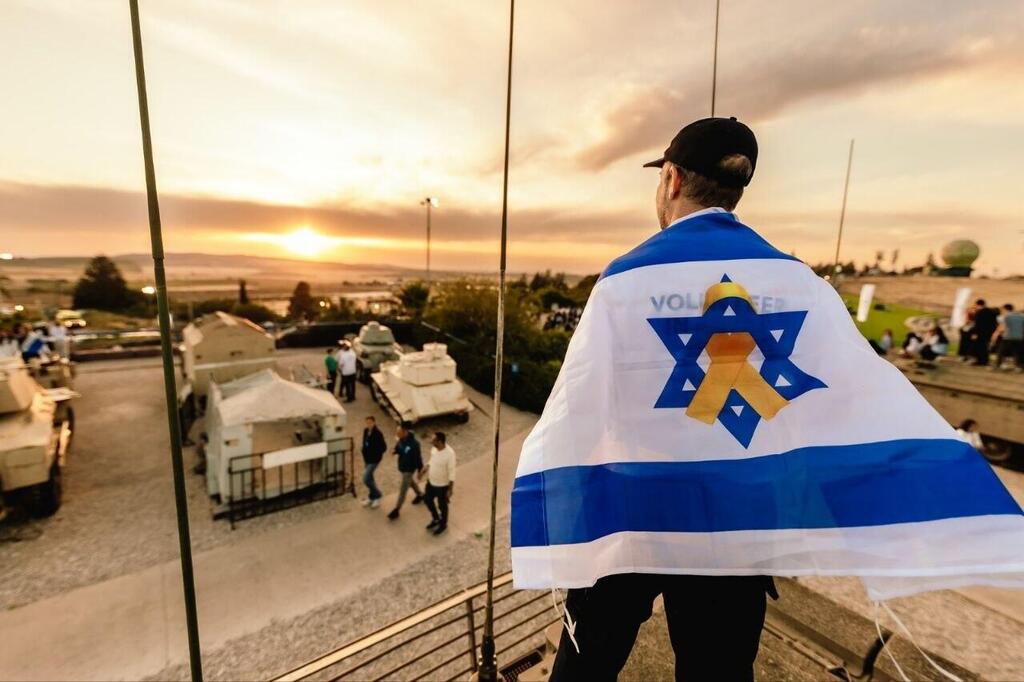
Masa participants in last year's ceremony at Latrun
(Photo: Masa Israel Journey)
(Photo: Masa Israel Journey)
For many fellows, the proximity to Israeli society, particularly during wartime, has reshaped their understanding of remembrance. What was once a distant national day has become immediate and personal, tied to people their own age and experiences they now share.
The ceremony’s message, emphasized by Masa leadership, centers on collective responsibility and connection. Organizers describe it as a moment that bridges geographic distance, reinforcing a shared identity across communities worldwide.
For Masa fellows like Leonid and Anna, that connection is no longer theoretical. It is experienced through daily life, through community, and through moments of reflection that bring global narratives into personal focus.
As the broadcast reaches audiences around the world, their stories reflect a broader reality, one in which a new generation is not only remembering the past, but actively shaping its relationship to Israel in the present.
The International Yom Hazikaron ceremony will be broadcast on ynet Global on Monday at 8 p.m Israel time, inviting audiences worldwide to take part in a shared moment of remembrance and connection. Masa Israel Journey was established by the Jewish Agency and the government of Israel. For more details abut Masa Israel click here.