



A special report by the Combat Antisemitism Movement (CAM) reveals the scope of antisemitism, incitement and glorification of terrorism that erupted on social media in the three days following the antisemitic terror attack in Boulder, Colorado.
Posts and comments viewed by millions celebrated the violence against Jews, praised the terrorist behind the attack, and described his actions as a “symbolic protest” or “justified political resistance.” Meanwhile, antisemitic conspiracy theories circulated online, casting doubt on whether the attack happened at all or falsely claiming it was orchestrated by Israel or Jews.
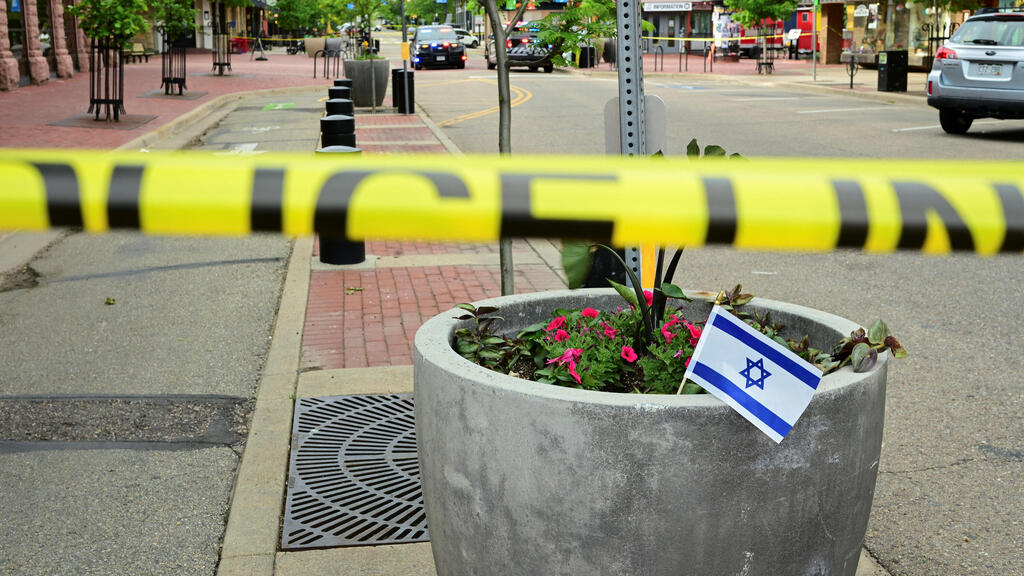
One woman, 82-year-old Karen Diamond, was killed in the June 1 attack during a march in support of Israeli hostages held in Gaza. Several others were injured, including Holocaust survivor Barbara Bendler Steinmetz. The terrorist, Egyptian national Mohamed Sabry Soliman, had planned the attack for some time and threw Molotov cocktails at the marchers while shouting “Free Palestine.” He has expressed his desire to "kill all Zionists."
Among the examples cited in the report: some users justified the fire bombings as a way to “cleanse the world of pigs and apes,” while others amplified conspiracy theories falsely claiming the terrorist was actually Israeli.
The report, compiled by CAM’s Antisemitism Research Center (ARC) in partnership with the social media analytics firm Cyabra, presents a detailed analysis of online discourse between June 2 and June 4, following the terror attack. It exposes a disturbing reality—coordinated dissemination of antisemitic rhetoric, disinformation and conspiracy theories across social media platforms X, Facebook and TikTok.
Molotov cocktails thrown at protesters for Colorado hostages


According to the data, 10,113 unique accounts posted more than 14,000 posts and comments about the Boulder terror attack over that three-day span. Instead of condemning the heinous act, a significant portion of the content portrayed the antisemitic attack as “legitimate” or “heroic.”
More than 1,100 posts praised the terrorist, with many referring to the Molotov cocktails as “symbolic protest” or “justified political resistance.” Others outright celebrated the use of violence against Jews, downplaying the antisemitic nature of the attack and presenting it instead as support for Palestinians.
Get the Ynetnews app on your smartphone: Google Play: https://bit.ly/4eJ37pE | Apple App Store: https://bit.ly/3ZL7iNv
The report also found 1,379 posts promoting classic antisemitic conspiracy theories. These denied the nature of the attack, questioned whether Jewish civilians were actually harmed or claimed the attack was fabricated. Some went further, accusing Jews or Israel of staging the incident to garner sympathy or distract from events in Gaza. Others denied the identity of the terrorist or alleged he was a Zionist agent. Such narratives reinforce long-standing antisemitic tropes aimed at erasing Jewish suffering and portraying Jews as "manipulative."
The report also revealed that 22% (1,497) of the accounts spreading antisemitic content were found to be fake. These accounts generated 1,809 posts and comments, reached over 3 million users and played a disproportionately influential role in the online discourse. They operated strategically to amplify divisive content, granting it legitimacy and visibility that would not have occurred organically.

Examples appearing in the report: Justification of throwing Molotov cocktails 'to cleanse the world of pigs and monkeys'
(Photo: Screengrab)
“Antisemitism is a vile global disease, and the painful findings of this report once again demonstrate the extent of the crisis we’re facing,” said CAM CEO Sacha Roytman. “The ease with which inciting content can be shared with a single click—without fact-checking or hesitation—accelerates the spread of antisemitism and distorts reality. This incitement and hatred don’t stay online; they manifest in real-world terror and violence, as we’ve recently seen in Colorado and Washington.”
Roytman added: “The daily reality for Jews around the world is bleak. The report underscores the urgent need to track, expose and combat antisemitic narratives before they shape public opinion and normalize hatred. Social media platforms must act immediately to stop the rampant incitement occurring on their sites.”