

The Swiss federal intelligence service on Thursday published a 200-page dossier on the notorious Nazi war criminal Josef Mengele, the German doctor known as the “Angel of Death” for conducting horrific medical experiments on prisoners at Auschwitz.
During World War II, Mengele served at the Auschwitz extermination camp in Nazi-occupied Poland, where about 1.1 million people were killed, approximately 1 million of them Jews. He became infamous for carrying out brutal medical experiments on inmates, including children, under the guise of scientific research.
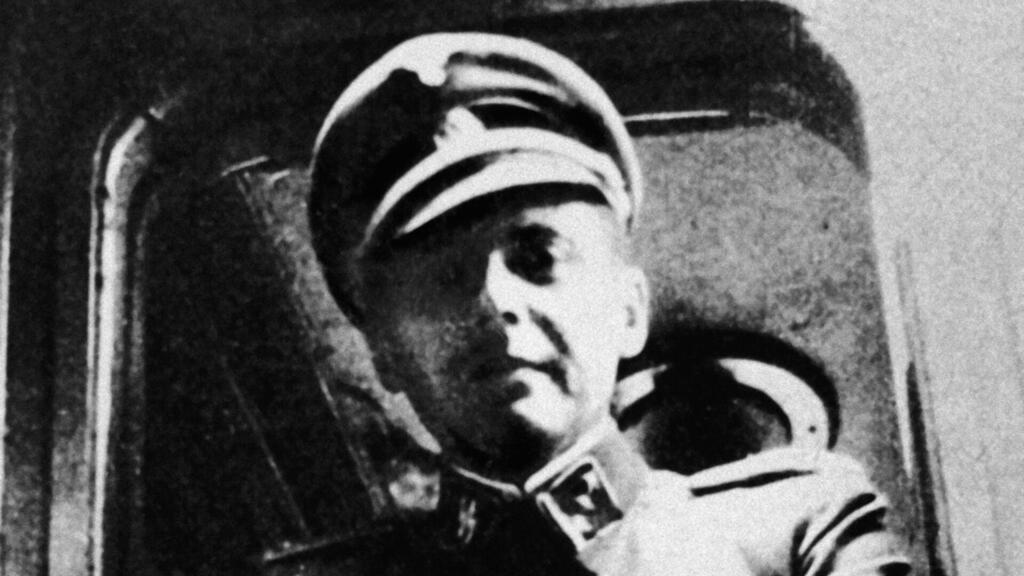
After the war, Mengele obtained a Red Cross travel document under a false identity, allowing him to leave Europe. Like many former Nazi officials, he spent years in hiding in Latin America while being pursued internationally for his crimes. He drowned in 1979 while swimming on the coast of Brazil.
The documents released by Swiss authorities include material provided to police suggesting that Mengele may have returned to Switzerland after initially fleeing Germany, or may have been planning to enter the country under a false name, according to the German news agency dpa.
Swiss media reported that the file contains numerous newspaper reports, most of them focused on suspicions that Mengele stayed in Switzerland on several occasions, even while an international arrest warrant was still in force against him.
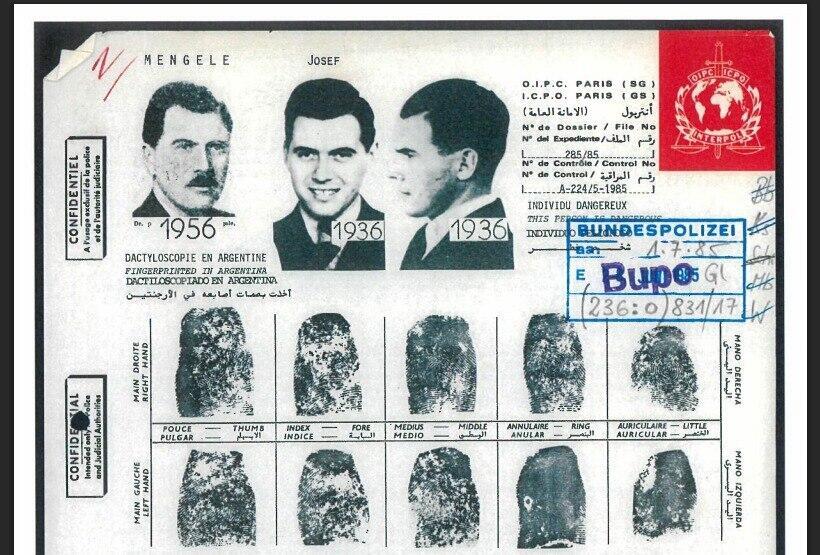
From the Mengele file
(Photo: Swiss archives)
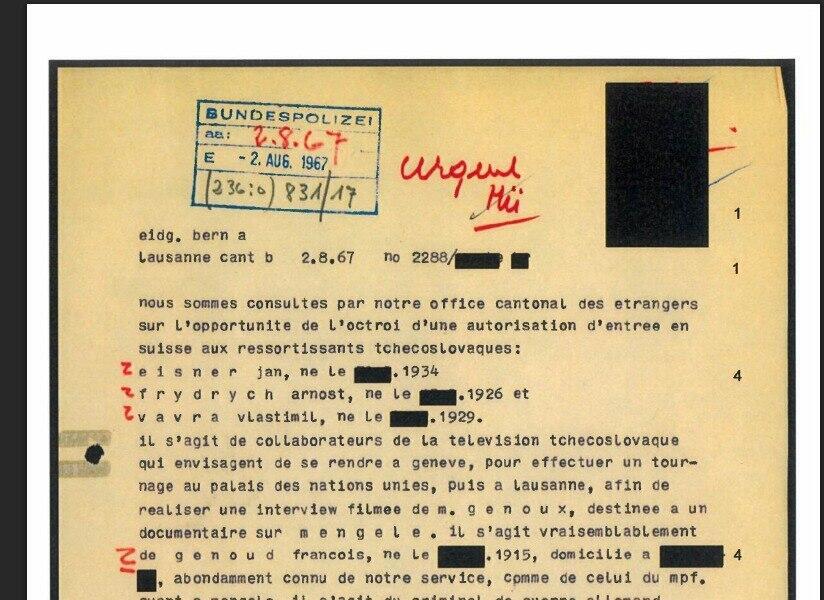
Document from 1967
(Photo: Swiss archives)
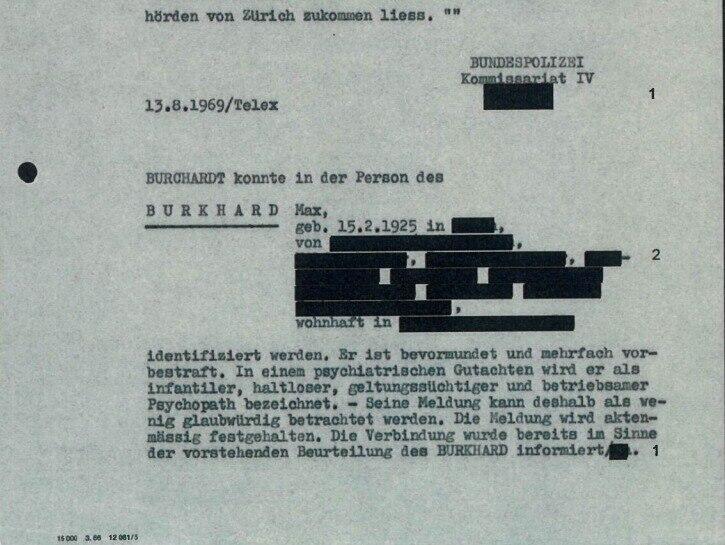
Document from 1969
(Photo: Swiss archives)
The file also includes police reports, parts of which have been redacted. Among them are entry bans and arrest warrants against Mengele, as well as police reports on investigations into suspects who may have provided him with a hiding place.
Switzerland’s Federal Intelligence Service, or FIS, said it had made “as few redactions as possible.” Personal information concerning employees of the federal administration with ties to the FIS and its predecessor organizations, information subject to legal source protection and information concerning third parties — except public figures — remain protected. The FIS also said it would conduct a broader review of its access policy regarding archival documents.
Historians seeking to establish whether Mengele spent time in Switzerland while being pursued as a war criminal, without Swiss authorities catching him, had long sought access to the files.
Swiss authorities had maintained that the documents should remain sealed until 2071 on security grounds and to protect individuals named in them.
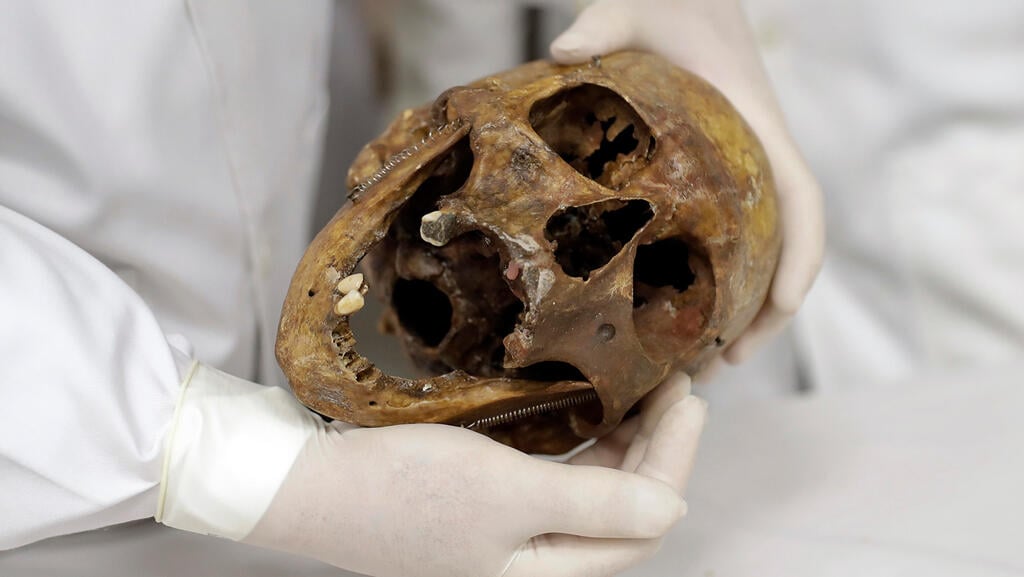
Mengele's skull
(Photo: AP)
Historian Gérard Wettstein successfully challenged those restrictions before the Federal Administrative Court, leading to the online publication. Some sections have been redacted to protect sources and the personal data of third parties, authorities said.
Wettstein had already expressed satisfaction with the move in May, in a report by the Tagesschau news program of Swiss public broadcaster SRF. He described it as “an important step” that would help dispel myths surrounding Mengele’s stays in Switzerland.
The dossier was compiled by the police service of the federal prosecutor’s office, a predecessor of Switzerland’s federal intelligence services, and transferred to the Federal Archives in 2001.
According to earlier reports in Swiss media, Mengele had already arrived in Switzerland in 1956 under a false identity, calling himself Dr. Helmut Gregor. An arrest warrant was issued for him three years later.