

Exactly in the very spot where a crater of destruction and ruin gaped open just six months ago, the first candle of Hanukkah was lit on Monday in a menorah unlike any other in Israel.
At the rededication ceremony of the ALEH campus in Bnei Brak, a heavy, metallic work of art stood at the center of the lobby. Its story is the essence of the Israeli story of the past year: the menorah was created entirely from the fragments of the Iranian missile that destroyed the building.
Gallery
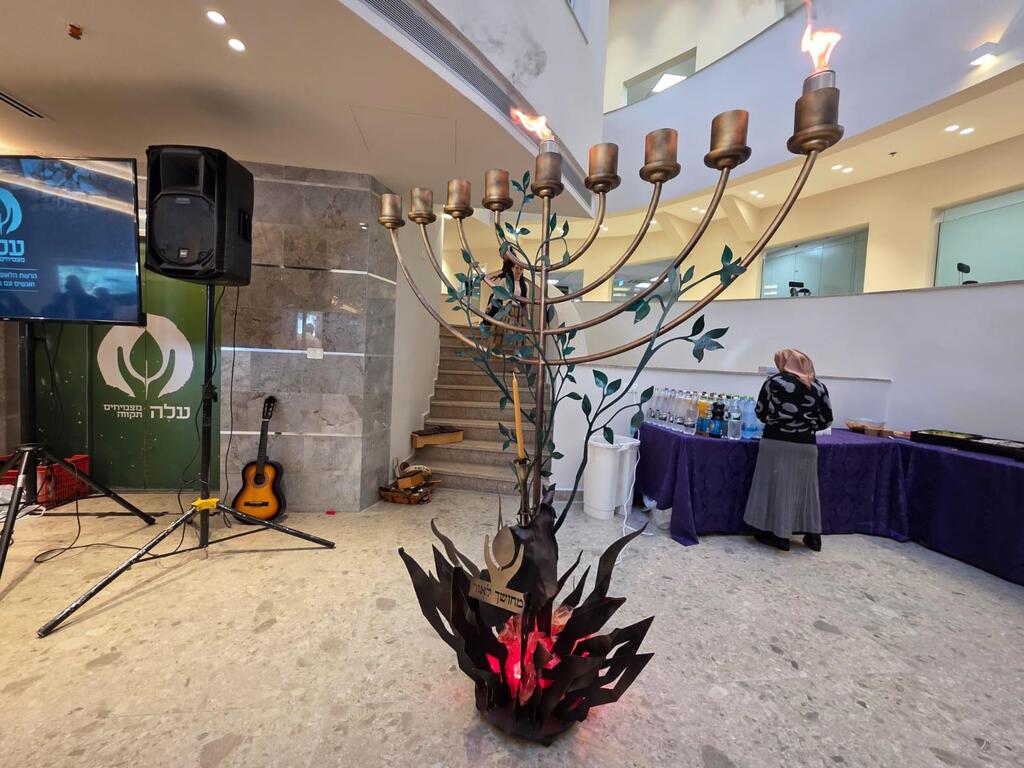
A menorah crafted from the remains of an Iranian missile stands at the heart of ALEH’s renovated campus in Bnei Brak, Dec. 15, 2025
(Photo: ALEH)
(Photo: ALEH)
The event transported those present back to the night of June 15, 2025 (20th of Sivan, 5785). At 4:15 a.m., sirens pierced the quiet of Bnei Brak. A heavy Iranian missile fell in the campus courtyard, which serves as a home and a beating heart for hundreds of children and adults with complex disabilities.
'Tiny breaths dependent on this place'
The impact was devastating. The missile destroyed extensive sections of the campus, instantly halting the operations of the educational system, vocational center and life-saving treatment facilities.
For the residents, who rely on devoted care 24 hours a day, the strike threatened to cut off the "tiny breaths dependent on every touch and every glance," as described by the network's staff.
But as bulldozers worked to clear the rubble, staff members noticed pieces of cold, soot-covered metal among the dust and concrete. These were the remains of the Iranian missile. Instead of discarding them into the dustbin of history, a symbolic and extraordinary decision was made: to transform the instrument of destruction into a vessel of holiness.
The ALEH campus in Bnei Brak damaged by an Iranian missile during the 12-day war, June 2025
(Video: Shilo Freid)


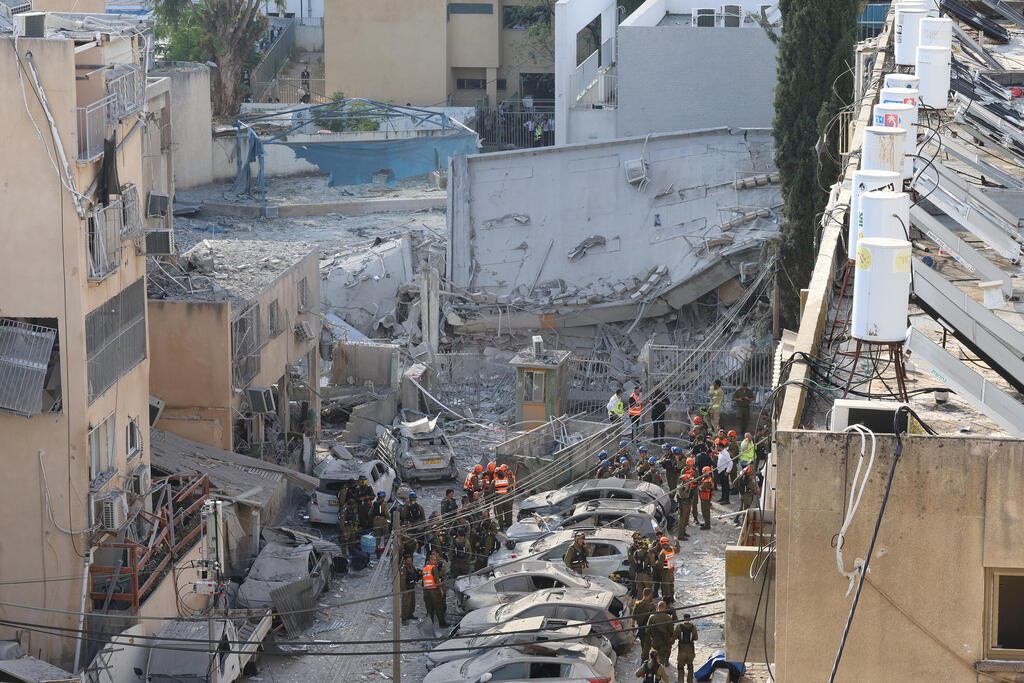
Iranian missile impact in Bnei Brak
(Photo: Shaul Golan)
The fragments were transferred to the hands of Jerusalem-based artist Guy Cohen. With painstaking effort, he welded, bent and shaped the Iranian metal—originally designed to kill—and transformed it into a monumental creation titled "From Darkness to Light."
"The menorah embodies the miracle," campus management explained. "Its movement illustrates how, out of the fracture and the fire, a creation emerged that would shine a great light. The missile fragments that sowed destruction and darkness were turned into a vessel that kindles light."
'We chose not to sink into pain'
The rehabilitation process of the campus was exceptionally rapid, thanks to the mobilization of hundreds of workers and dozens of factories who worked day and night to rebuild everything from scratch. Days after the impact, during a visit by President Isaac Herzog to the ruins, Rabbi Yehuda Marmorstein, the CEO of the ALEH network, promised that the place would be restored quickly, and now, that promise was fully kept.

Rabbi Yehuda Marmorstein, CEO of the ALEH network, speaks during a rededication ceremony at the ALEH campus in Bnei Brak, Dec. 15, 2025
(Photo: ALEH)
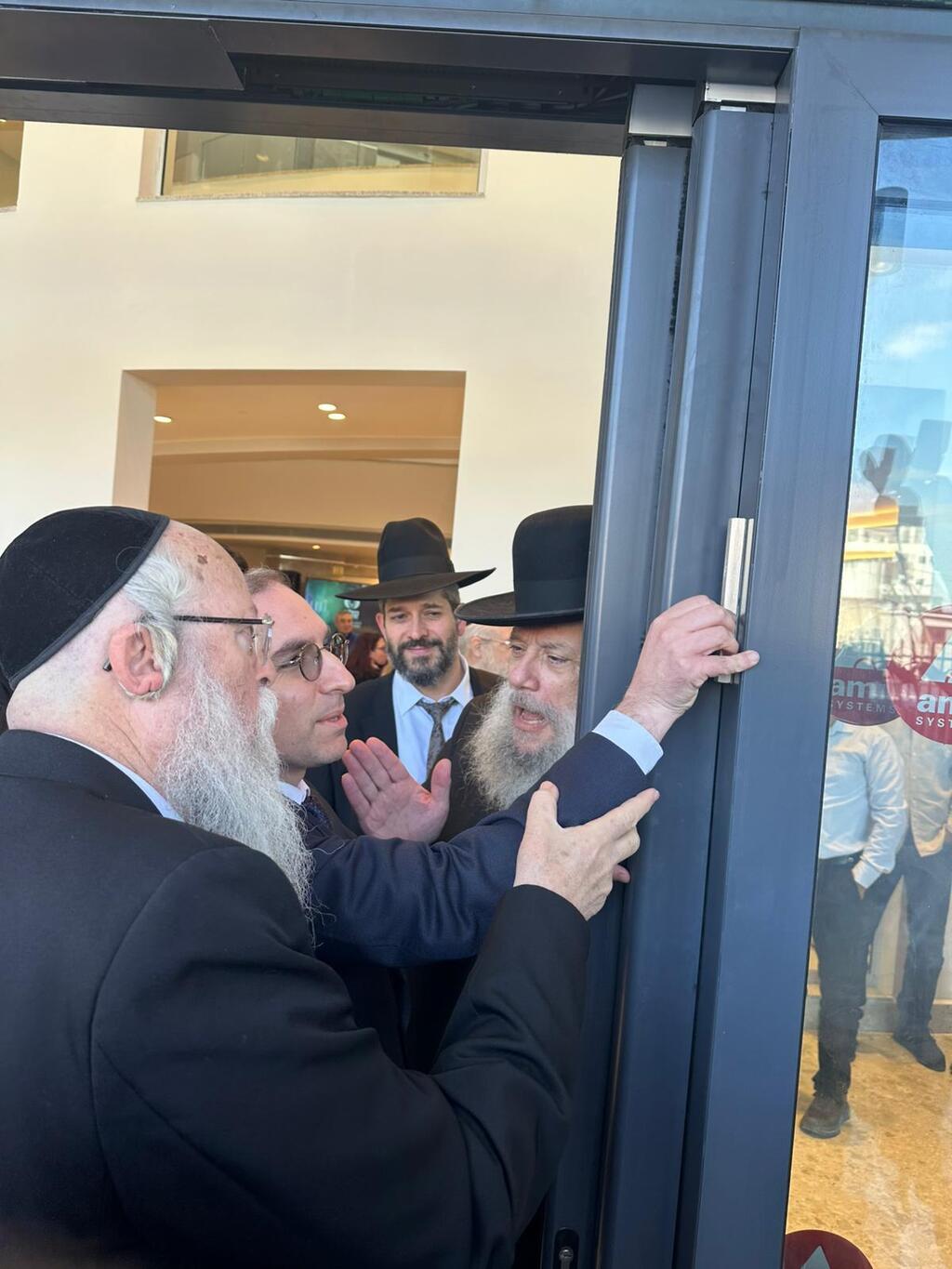
Rabbi Yehuda Marmorstein, left, affixes a mezuzah to the entrance of the rebuilt ALEH campus in Bnei Brak, Dec. 15, 2025
(Photo: ALEH)
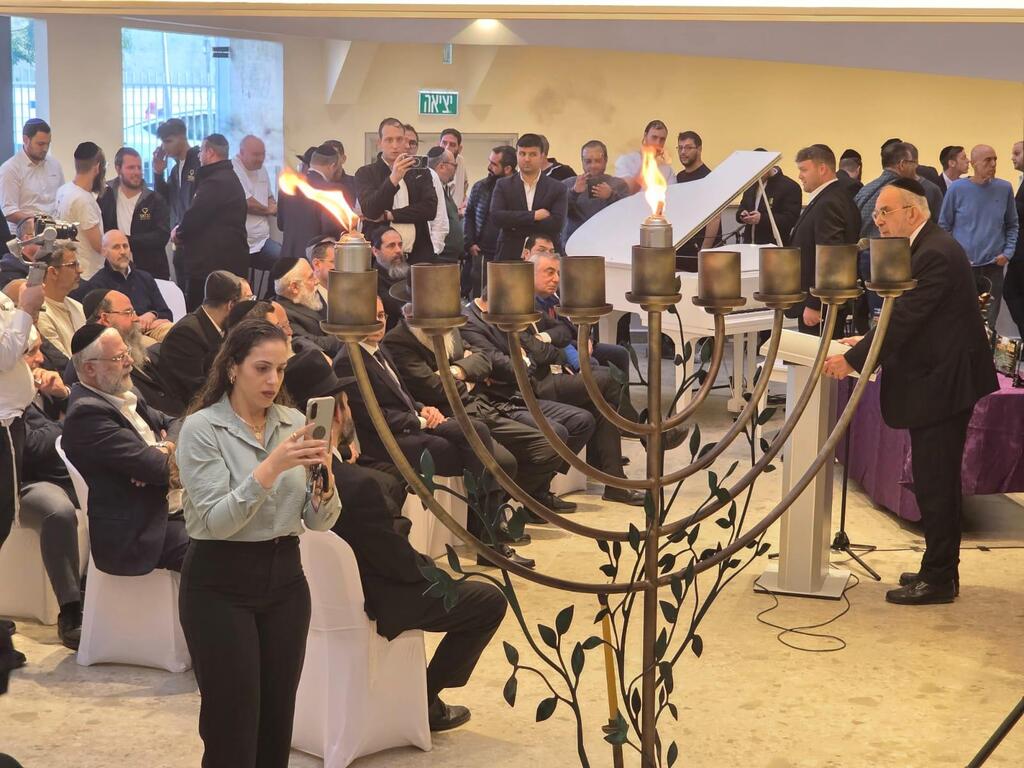
Rabbi Marmorstein stood beside the unique menorah. Moments before reciting the blessings over the candles, he spoke with visible emotion: "This menorah stands here as a living testament to the moment we chose not to sink into pain, but to rebuild—faster, stronger and better.
"This is a menorah of faith, of love and of an entire nation standing behind us. Hanukkah teaches that a little bit of light dispels a lot of darkness. In the place where the enemy sought to sow destruction—we have established a fortress of kindness."
As the flame took hold of the branches made of Iranian steel, the crowd cheered. The message emanating from Bnei Brak this Hanukkah was sharp and clear: walls can be broken, but the spirit—and the light—cannot be extinguished.