


Less than a month after the Hamas-led Oct. 7, 2023, terrorist attack on southern Israel, orthopedic surgeon Dr. Ian Walton was told on Nov. 1 that Mercy Health in Ohio was terminating his employment after seven years with the health care network.
When he asked why, Walton was told the decision was unrelated to his job performance. Later, according to a lawsuit filed over the weekend by the Trump administration, he received an even more terse response: “No reason.”
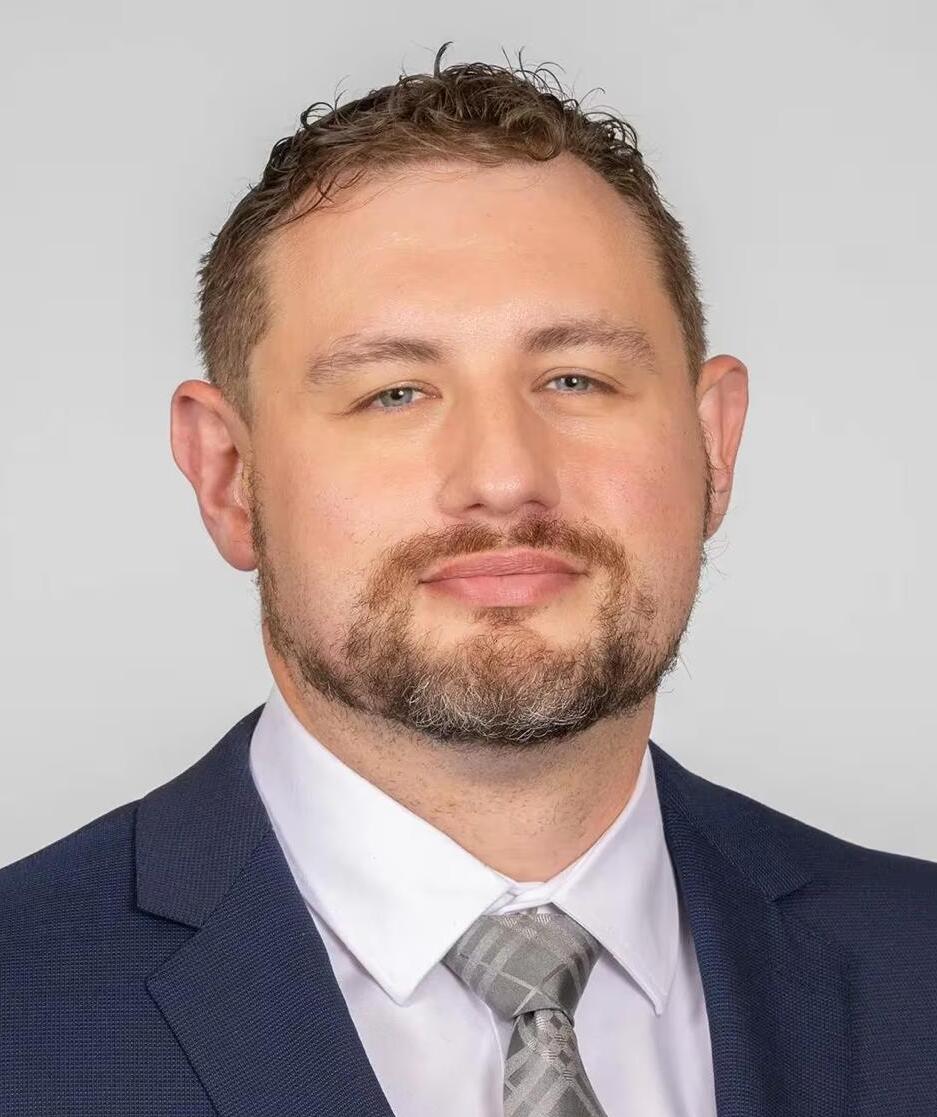
The administration argues that the reason was in fact clear: Walton was fired because he is Jewish, after years of antisemitic remarks that intensified following the attack in Israel.
The lawsuit was not filed by Walton himself, but by the U.S. Equal Employment Opportunity Commission, or EEOC, the federal agency that investigates workplace discrimination and is authorized to sue employers.
The defendants are the regional Mercy Health network and its parent company, Bon Secours Mercy Health, one of the largest health systems in the United States.
According to the lawsuit, Walton built a successful practice within the network and exceeded the productivity targets set for him.
The EEOC stresses that this was not a case of a doctor being dismissed after disciplinary problems or complaints about his performance. It says no disciplinary action was ever documented against him.
Mercy even featured him on its website as a leading specialist and published a recovery story alongside his profile in which a patient described the care he received as “outstanding.”
Walton’s Jewish identity was known in the workplace. According to the complaint, family photographs hanging in his office showed relatives wearing kippahs and prayer shawls. Employees and managers saw the pictures and occasionally commented on them.
The EEOC alleges that over the years Walton was forced to hear colleagues blame Jews for conflicts around the world, address him as though he were responsible for explaining Israel’s actions and question his ability to “form an independent opinion” because of his background.
Colleagues also told him: “If you’re Jewish, then you must also be smart and should be able to explain why Jews supposedly can’t make peace with their neighbors.”
After October 7, according to the lawsuit, the remarks became more frequent and more explicit.
Statements were allegedly made in the workplace blaming “the Jews” for the Hamas attack, criticizing what “the Jews” were doing in Gaza and claiming there was no reason to care about the Israelis held hostage by Palestinian terrorist groups.
Walton was repeatedly asked whether he was religiously observant and whether he had any role in the war.
The complaint describes a workplace in which discussions about world events repeatedly turned into personal accusations against him.
Excluded from meetings, lost operating room time
According to the EEOC, the treatment went beyond words.
Walton was excluded from meetings intended to coordinate the surgical schedule, and his allotted operating room time was reduced without him being informed of the decision.

Pro-Palestinian demostration in the US. Antisemitism has also permeated the healthcare system in the US
(Photo: yuriyt / Shutterstock.com)
For a surgeon, such hours are a basic requirement for treating patients and carrying out his work.
EEOC Chair Andrea Lucas, who was appointed by President Donald Trump with an explicitly stated goal of combating discrimination against white workers, described “a barrage of workplace comments blaming ‘the Jews’ for the attack,” alongside Walton’s exclusion from meetings and the reduction of his surgical hours.
When Walton was notified that he was being fired, he was asked to continue working through the end of January 2024.
According to the lawsuit, he approached management several times to ask what was behind the decision but received no meaningful explanation.
The EEOC argues that even after deciding to part ways with him, the health system still needed an orthopedic surgeon with his skills: It sought a replacement and transferred his patients and responsibilities to non-Jewish doctors.
Bon Secours Mercy Health describes itself as a Catholic health system with 47 hospitals, more than 1,200 care sites and nearly 60,000 employees in the United States and Ireland.
The network also includes hospitals that still bear the name The Jewish Hospital, institutions originally founded to care for sick and impoverished Jews and which joined Mercy Health many years later.
A spokesperson for the parent company said that its “values and mission as a Catholic health system guide its work,” and that it welcomes people of all faiths and backgrounds.
The company declined to respond specifically to the allegations because the lawsuit is pending.
The lawsuit was filed nearly three years after Walton was notified of his dismissal, after an attempt to reach an early settlement failed.
The EEOC alleges discrimination based on religion and Jewish ancestry under U.S. civil rights law and is seeking, among other remedies, compensation for lost wages and income, emotional distress and reputational harm, as well as court orders requiring the health system to prevent discrimination in the future.
Lucas said the EEOC “will not hesitate to file lawsuits to protect Jewish workers,” adding: “Antisemitism has no place in the American workplace.”
The case joins other accounts from Jewish medical professionals in the United States who say they have faced workplace discrimination since the outbreak of the war in Gaza.
In a survey published in 2024 in the Journal of General Internal Medicine, about 39% of 645 Jewish health care professionals said they had been exposed to antisemitism in their workplace or educational environment, while about 30% said they had experienced it or witnessed it from colleagues.