

Exactly two years after Simchat Torah 2023 when, instead of celebrating, Sderot residents barricaded themselves inside safe rooms as Hamas terrorists roamed the streets and massacred anyone in their sight, hundreds of families in the city are opening their homes to guests from across Israel, free of charge.
“The enemy wanted to silence our streets and stop our celebrations,” said Yaniv Tsabari, a local resident who initiated the effort. “This year, we’re showing that joy and mutual responsibility are stronger than anything.”
For 36 hours, Shira Fahima, her husband Erez, and their four children stayed in their home’s reinforced safe room under a heavy rocket barrage, while armed terrorists rampaged outside, shouting in Arabic.
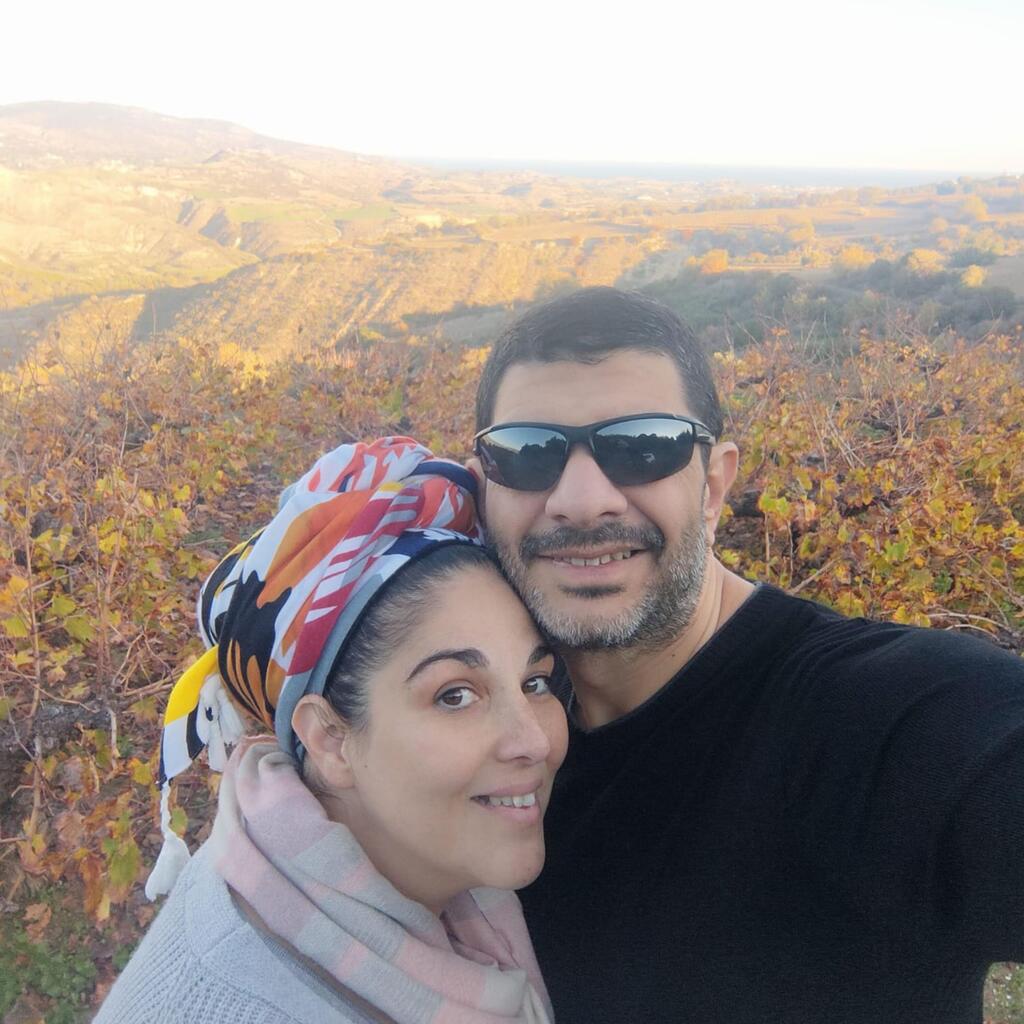
“I told the kids there was a chance we might die,” she recalled with heartbreaking honesty. “But I gave them three messages. One of them was: ‘There is still a God, and this is His plan. We have a role to play, and we need to be happy."
After long hours in the safe room, once the situation began clearer and security forces overcame the terrorists, Erez was sent to the front lines. Shira and the children began an evacuation journey that took them from Sderot to Kiryat Gat, then Ramat Beit Shemesh, and finally to a hotel in Jerusalem.
Even amid the trauma, the uncertainty of leaving home for an unknown period, and the concern for her husband and shocked children, Shira couldn’t sit idly by. On the very bus evacuating her family, she established and began operating a civilian rescue command center that quickly became a full-scale aid network.
Hamas Terrorists in Sderot on Oct. 7 as recorded from the house of Shira Fahima
(Photo: Shira Fahima)


Through numerous phone calls and by establishing connections between CEOs, security forces, and accommodation providers, she successfully evacuated and housed approximately 5,000 Sderot residents in safe areas across the country. When she finally reached the Jerusalem hotel, she refused to rest and took on coordinating youth and special education activities.
What drove you to create a command center and work so tirelessly for the community while coping with your own trauma?
“My main motivation comes from a place of action. I work as a high school educator, and my whole being is focused on ensuring that no one suffers alone.
“In the first two weeks, it was clear we had to act. We established a command center for support, evacuation coordination, and donation collection. The activity itself and giving people missions and opportunities to volunteer, was just as meaningful as the material aid. We wanted to make sure no one sank into depression or helplessness.”
“One clear example is the temporary school we established for 250 teens who were evacuated to three different hotels,” Shira said. “We brought in psychologists and educators to create daily routine and meaning, and to help fill the emotional void that had opened. Action protects us; it's a way to cope."
The solidarity she witnessed, she said, was beyond anything she could have imagined. “Business leaders and civil society figures from across the country rallied together for the evacuees. There was no politics - no right or left - just a genuine desire to help. It was deeply moving."
Were you surprised by such a level of solidarity?
“I was mainly overwhelmed by the sheer amount of kindness across Israel,” she said. “Seeing how, when people focus on doing good, it comes back multiplied - that moved me profoundly.”
And what did you discover about yourself and those around you during that time?
“Inner strength I didn’t know I had,” she admitted. “A personal power that surfaced under extreme conditions, a level I never thought possible."
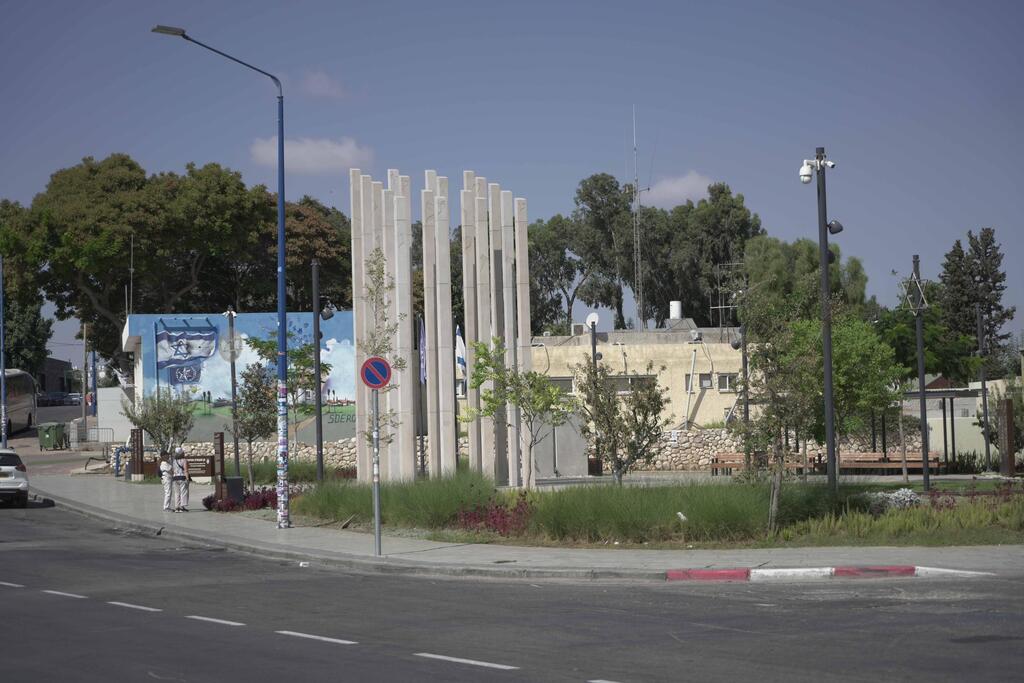
The memorial for the victims of Sderot, located on the site of the former police station where fierce battles took place on Oct. 7.
(Photo: Shira Fahima)
“When we returned home, the residents of Sderot, myself among them, set up several community command centers, some of which are still running today. There’s one that involves in distributing food and continues to support thousands of soldiers, I’ve had the privilege to help there. Another, which I directed in Sderot until recently, also involves organizing meals and supplies for soldiers to this day.
“Overall, the mobilization of the entire city, from students looking for ways to comfort and volunteer, to citizens cooking meals, is proof of real, almost unbelievable resilience."
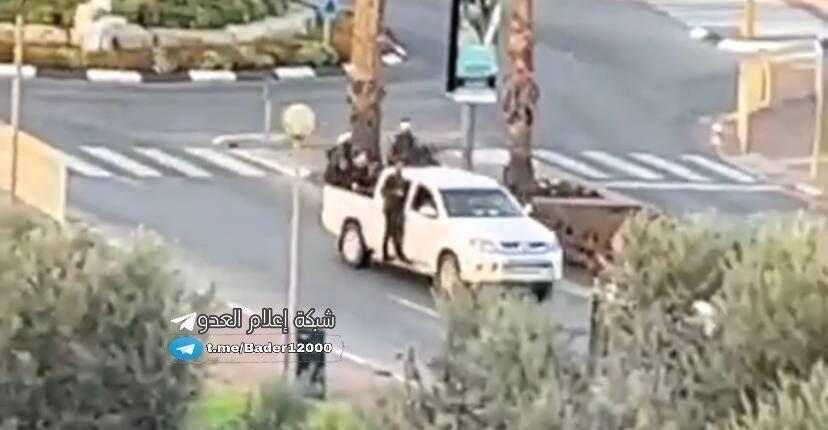
Hamas terrorists infiltrate Sderot on Oct. 7
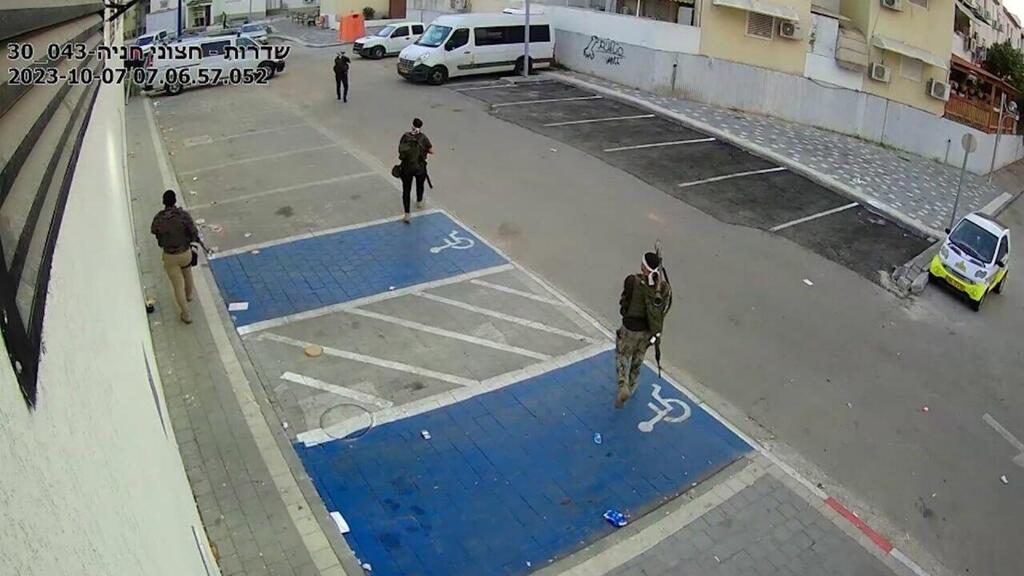
Terrorists roaming the streets of Sderot on Oct. 7
Some dates bear scars
Shira’s story is just one of many in Sderot, but it captures the spirit of the city. Perhaps nothing reflects that spirit better than the initiative she and other residents are leading ahead of this year’s Simchat Torah, which will be celebrated on Tuesday, Oct. 14.
Simchat Torah in Sderot has always been a holiday of immense joy - dancing with Torah scrolls, singing in the streets, celebrations that last until dawn.
But two years ago, on that very day, the city’s main square became a symbol of war. The streets turned into battlegrounds, and daily life came to a halt. Then came the long-term evacuation, spending months in hotels across the country, and the constant question of when they would finally return home.
Now, two years later, in a city that was once a war zone and stood empty for months, something extraordinary is about to happen. Hundreds of families are opening their homes on Simchat Torah to guests from across Israel, free of charge. “Come to Sderot,” they say. “Come and see that we are unbroken, and that no one has taken our joy.”
“Many expected Sderot to become a picture of weakness and ruin after the war,” explains Yaniv Tzabari, Sderot resident, CEO of the Reut nonprofit and one of the organizers of the initiative.
“Two years ago, there were those who tried to silence our streets, stop the hakafot (dancing with Torah scrolls), and take away our joy. This year, we’re proving that the joy of Sderot’s residents is stronger than any trauma."
“Our goal,” Tzabari added, “is to turn this initiative into a permanent tradition every Simchat Torah, precisely because of the symbolism of the date and the second round of hakafot.
"We want to bring joy and strength to the city's residents, restore light to the city’s streets, and foster a strong, active community atmosphere, one that will serve as a tool for national healing, both inwardly and outwardly."
“We’re pioneers, not victims”
The return to Sderot began only in March 2024, and it was far from simple. Residents came back to their homes bearing the scars of war, trying to rebuild their lives while restoring the community, local businesses, and schools.
Even after returning, the sounds of explosions from Gaza continued to echo through daily life, almost until today. But with a cease-fire signed earlier, residents now hope that calm will finally return, and that this time it will last.
“The booms are, of course, still very audible,” said Ariel Levy, a city resident. “But our children and families actually draw strength from them. They understand the noise isn’t from an enemy attacking us, but from the IDF defending us. That faith turns fear into strength, and it allows us to continue our routine life here in Sderot."
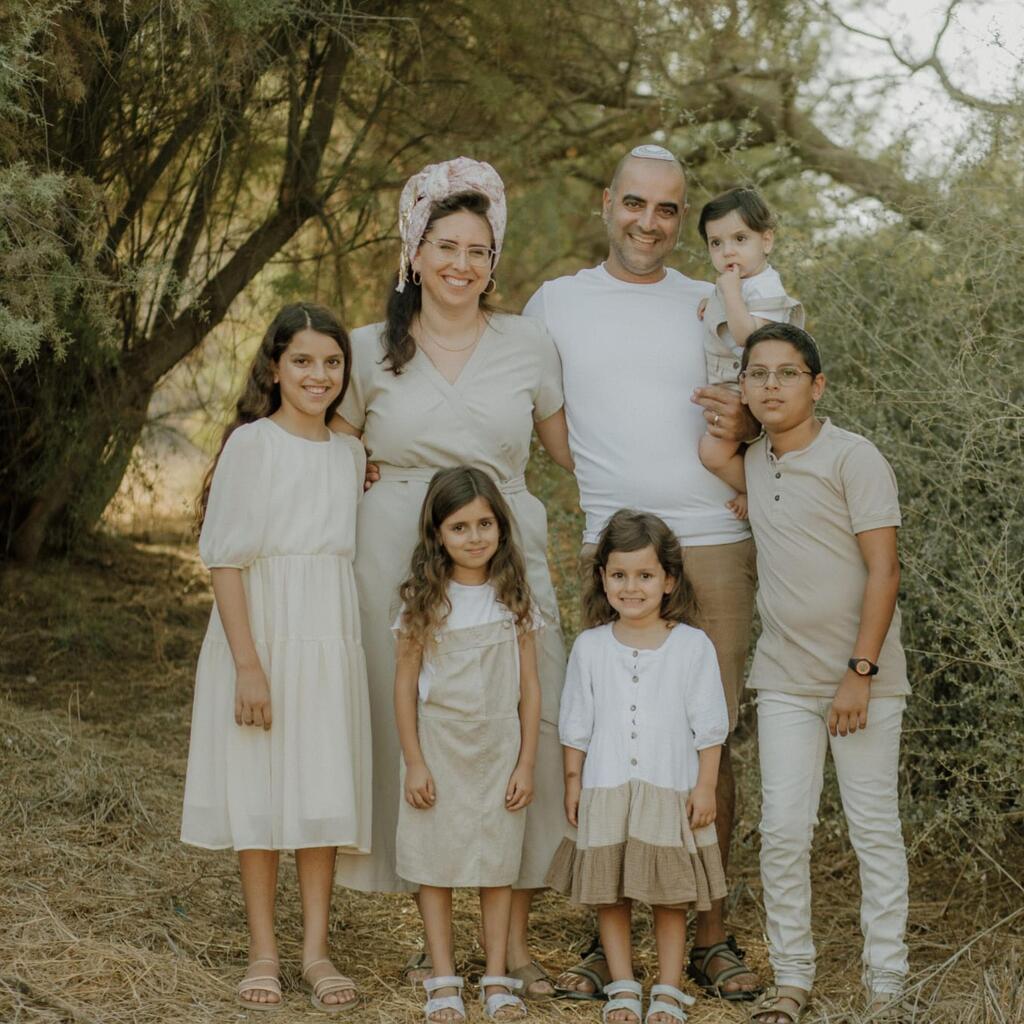
Ariel Levy and his family. "The kids understand that the noise isn’t from an enemy attacking us, but from the IDF defending us"
“We never considered not coming back,” he continued. “We’re a strong city and community. If there had been proper frameworks for the children, we might not have left the city in the first place."
What did this period teach you about Israeli society?
“Over the past two years, I’ve learned so much about our people and our country: about the strength and importance of unity,” Levy said. “We’re a strong nation, capable of facing any challenge despite the pain.
"Seeing all the heroes, men and women alike, from every part of Israeli society, leave their daily lives and businesses to fight or to help others without asking for anything in return - that’s deeply inspiring."
“Our identity hasn’t changed, on the contrary, it’s become sharper and stronger,” said Elad Kalimi, deputy mayor of Sderot, who will also open his home to guests in the coming days.
“Since Oct. 7, being a resident of Sderot has become, in my eyes, a badge of historical mission,” he said. “We’re not just people living on the front line. We’re the ones holding the border and the Israeli spirit at its most exposed point. We don’t have the privilege of seeing ourselves as victims to be pitied, but as modern pioneers who demand responsibility and mutual commitment.
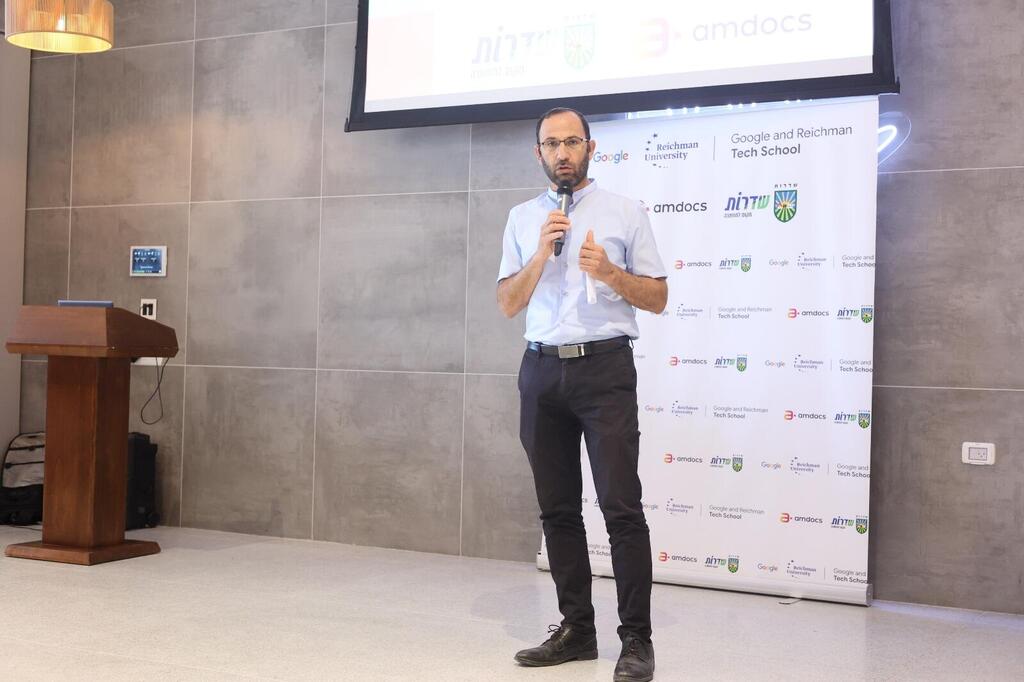
Elad Kalimi, deputy mayor of Sderot, who will also open his home to guests
“A Sderot resident today is someone who knows exactly the price of living here, and is willing to pay it. But he also demands that the state be a full partner, not a distant commander. This identity is built on resilience and a rightful demand for shared responsibility."
What role does the community play in maintaining resilience?
“The community is the builder of resilience,” Kalimi explained. “It’s the safety net for residents, and its role goes far beyond simply ‘helping.’ It’s about creating shared existence based on binding mutual responsibility.
“We saw this play out in two main ways. First, through inclusive, joint communication. In the very first moments after the attack, the city’s community network had to make sure WhatsApp groups became centers of information, support, and recovery.”
“The community knows everyone’s scars,” adds Kalimi. “It knows who’s been too quiet for too long. Our role as leaders was to make that possible; to ensure people had work even when they were evacuated to hotels in Eilat, and that children’s activities continued also by the Sea of Galilee.
“Second,” he added, “was insisting on routine. The community insists on celebrating birthdays even in bomb shelters, on replanting the vegetable garden, on reopening the synagogue. Emotional resilience isn’t preserved behind closed therapy-room doors, but in the open space of shared life.”
The price and hope
All this is happening against the backdrop of a historic event. After two long, painful years, Israel has finally reached a deal for the release of all the hostages - both living and dead - who were kidnapped in the murderous Oct. 7 massacre.
On Thursday, U.S. President Donald Trump announced that Israel and Hamas had signed the first phase of the deal, which includes the release of 48 hostages — 20 of them alive — and an initial Israeli withdrawal from the Gaza Strip, marking the first step toward ending the war. The release is expected early next week, on Monday or Tuesday, and the nation is holding its breath in anticipation of their return home.
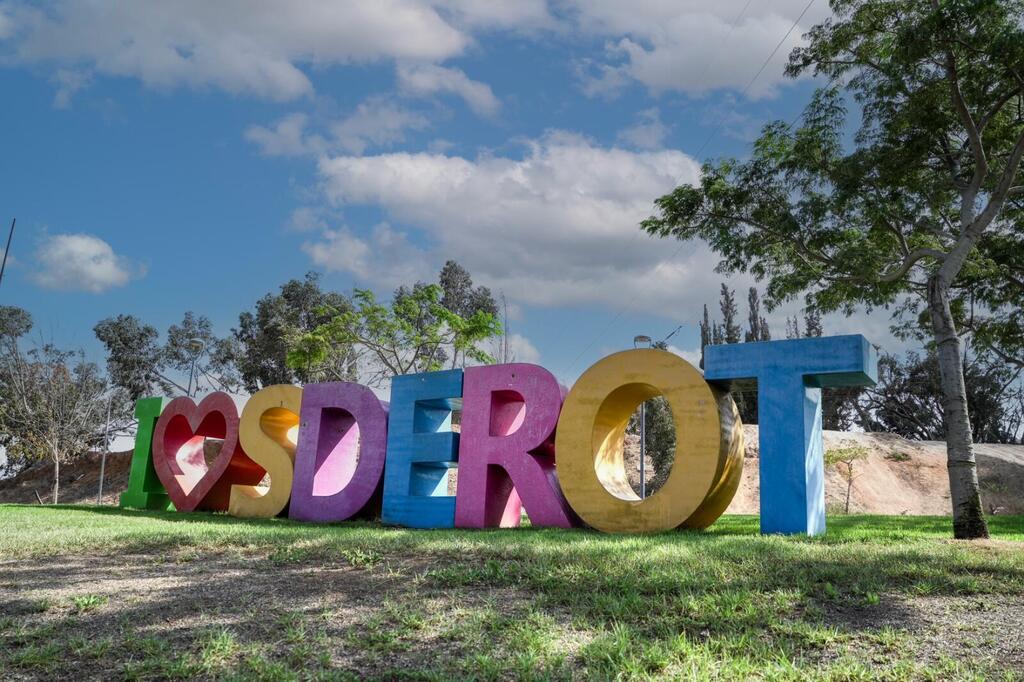
Sderot
(Photo: Liron Shemesh)
“The deepest wish,” said Shira, “is that all the hostages come home. We go to sleep and wake up thinking of them; it’s not something that requires standing in a particular square; it’s constantly in the minds and hearts of everyone here.
“More broadly, I wish for complete unity, that we’ll manage to stay joyful despite everything. That’s why I invite everyone to come to Sderot this Simchat Torah, to celebrate with us, and to draw renewed strength and resilience for the new year in such a challenging time."
“I hope we’ll be able to rejoice this Simchat Torah with all our hostages back home,” said Ariel Levy. “We pray daily for their return and for peace and quiet, but we believe that only a decisive victory will bring lasting calm and ensure such horror never happens again.
"Opening our homes and welcoming visitors from across Israel is a symbol of our strength and our ability to host and draw strength together with all the people of Israel."
“Sderot is the beating heart of the fight for the Israeli home,” Kalimi concluded. “Investing in it should not be philanthropic but rather strategic. My message to Israeli society and its leaders is that the memory of Oct. 7 cannot belong only to the residents of the Gaza border communities. Our experience is the defining lesson of an entire generation. When we are strong — all of Israel is strong."
Want to spend Simchat Torah in Sderot? Contact the city’s hosting hotline at 052-9685519.