

Since the October 7 Hamas massacre, Israeli rabbis have been facing religious questions they had never encountered before. Among them: Can a trauma survivor use cannabis or hear calming music on Shabbat? May an injured soldier be exempted from fasting? And more.
In response, the Association of Community Rabbis in Israel has launched a halachic hotline dedicated to those wounded in the war. Rabbi Haim Sasi, one of the project’s initiators and a survivor of the October 7 massacre, said: “We believe this hotline will be part of the healing process for our soldiers.”
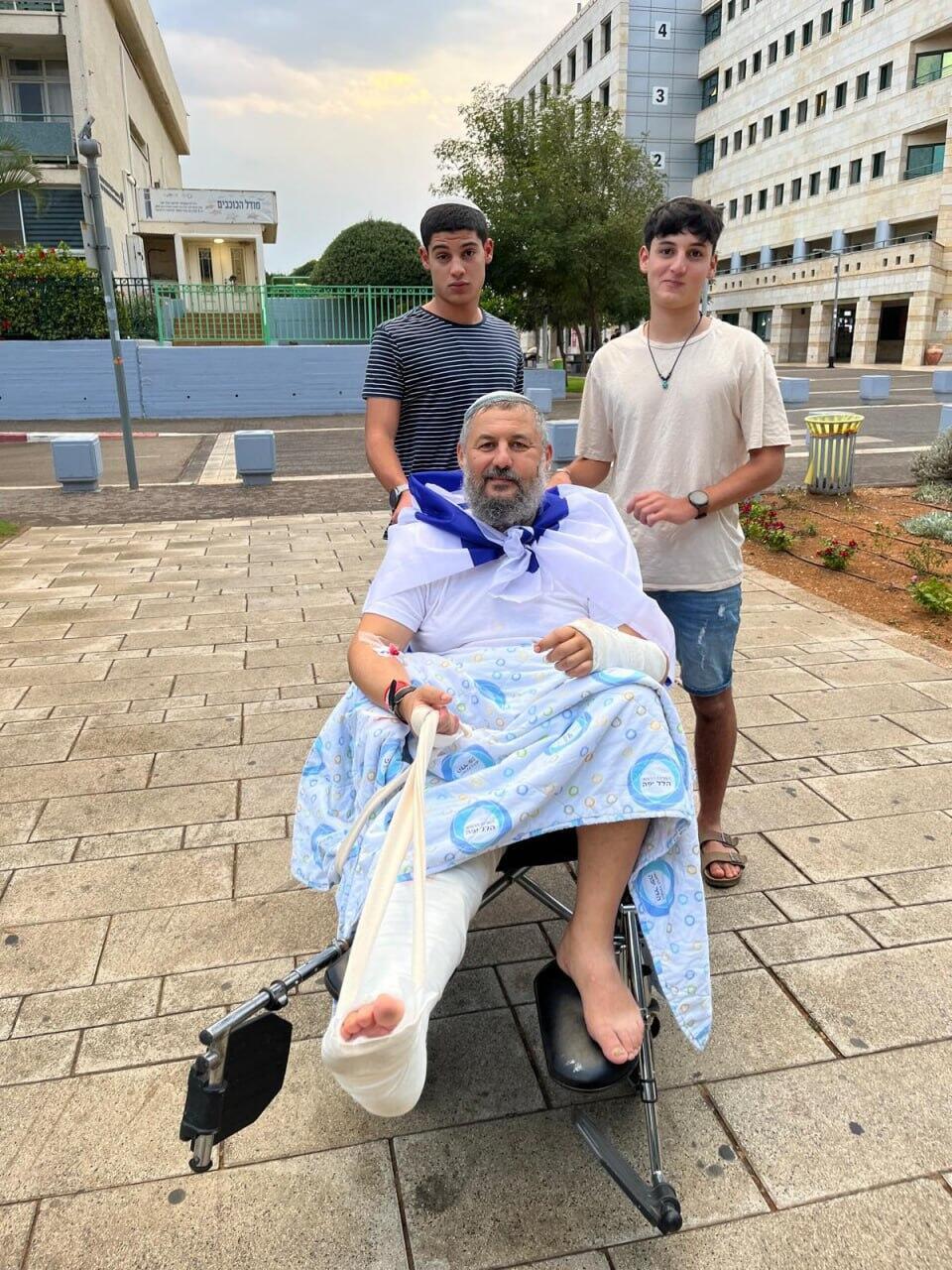
The initiative addresses a wide range of questions raised by wounded soldiers, including how an amputee can lay tefillin, whether a service dog may accompany its owner into synagogue, and how music might be used to manage symptoms of post-traumatic stress on Shabbat.
Since the outbreak of Israel’s war against Hamas, aka Operation Iron Swords, more than 6,000 soldiers and many civilians have been injured.
This wave of casualties has triggered complex religious questions brought to the Community Rabbis Association, a network of more than 600 rabbis and female religious leaders across Israel.
The initiative was launched by several of the rabbis who themselves were wounded on October 7 and experienced firsthand the challenges of trauma and recovery.
The hotline pairs rabbis with mental health professionals and physicians to provide religious guidance alongside emotional and psychological support.
Questions have come in from across the country. One trauma survivor who can no longer speak and communicates through writing asked how he could connect with family on Shabbat.
Another soldier coping with depression wondered whether he could continue listening to music over the Sabbath. Some requested exemptions from fasting; others asked for permission to use cannabis to manage pain.
One of the initiative’s leaders is Rabbi Shachar Butzchak of Ofakim. On the October 7 attack, he grabbed his personal handgun and headed in the direction of the gunfire in his city. A soldier on leave and a Shin Bet security guard joined him. The three fought fiercely.
Butzchak was injured and the soldier was killed. The Shin Bet officer and an off-duty police officer managed to extract the rabbi and bring him to a nearby home. Repeated calls to emergency services went unanswered.
Eventually, members of his community evacuated him to the Gilat Junction, from where he was rushed to Soroka Medical Center in serious condition. He has been in rehabilitation ever since.
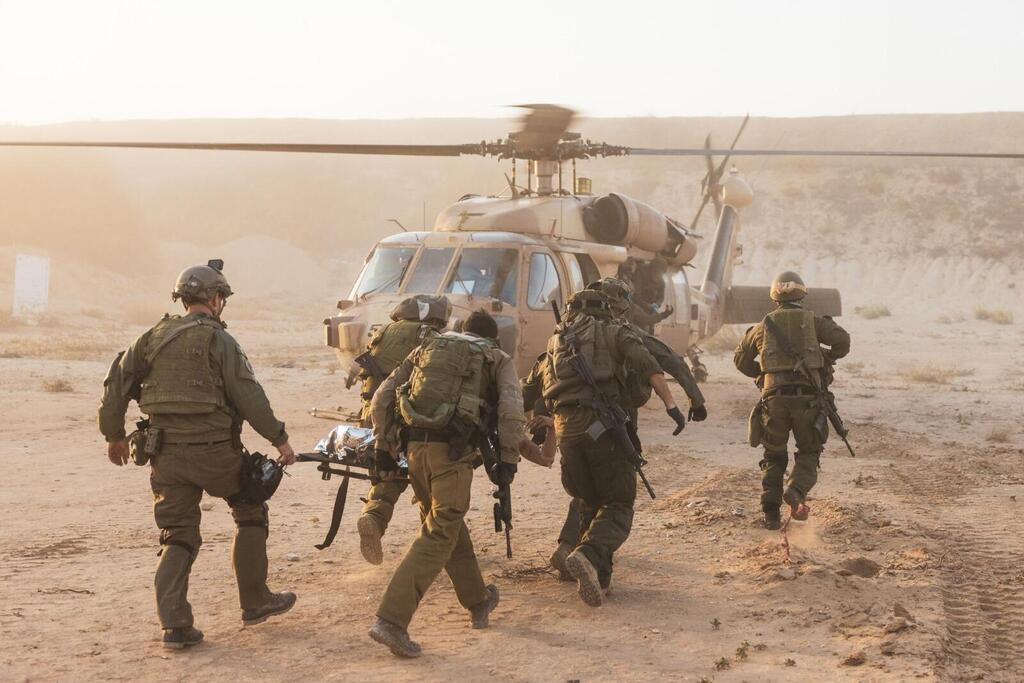
Evacuation of wounded soldiers by IDF 669 rescue unit
(Photo: IDF Spokesperson's unit)
“In a single day, you go from being a healthy person to being someone wounded, and that changes everything,” he said.
“During my recovery, many ‘brothers in arms’ reached out with religious questions. Recently, one of my friends from rehab told me we needed a hotline where wounded people could turn to rabbis who understand their situation.
I reached out to the Community Rabbis Association and made it clear: if we do this, it has to be led by rabbis who were wounded themselves, who know the language of trauma and the questions that come with it."
Another key figure behind the project is Rabbi Haim Sasi, a community rabbi in the southern city of Sderot and a volunteer medic with United Hatzalah.
On October 7, he left his family sheltering in a safe room and ran toward the chaos. At the local police station under heavy fire, he assisted a wounded officer and tried to rescue another man.
Despite being hit by three bullets, Sasi evacuated the injured and continued to treat him. His own wounds required extensive rehabilitation.
“In the past two years, I’ve encountered many wounded soldiers in hospitals - casualties of the war and of the Hamas attack,” he said. “My colleagues and I saw the overwhelming need for spiritual and halachic support, tailored to the complex realities we ourselves experienced.
"We believe, and we pray, that this kind of spiritual strengthening will become an essential part of our soldiers’ recovery."
Rabbi Ariel Eliyahu, chair of the Community Rabbis Association, added: “In this long war, as IDF soldiers and Israeli victims urgently seek spiritual strength and religious guidance, we are continuing to spread light.
"This unique hotline offers halachic answers and spiritual accompaniment, tailored to our heroic wounded."