

For the first time since war erupted in October 2023, Israel is shifting back to routine military operations along its northern frontier. The Galilee Division, known formally as the IDF’s 91st Division, is once again assuming full control of the Lebanon border. This move marks the most substantial reorganization of Israeli defenses in the north in nearly two years, signaling a tentative stabilization in the ongoing conflict with Hezbollah.
The change comes as the 146th Division, a reserve unit deployed during the height of the fighting, begins its withdrawal. Its departure from the western sector ends a high-alert deployment that began in the early days of the war, during which Israeli forces launched ground maneuvers and expanded their troop presence in response to Hezbollah provocations.
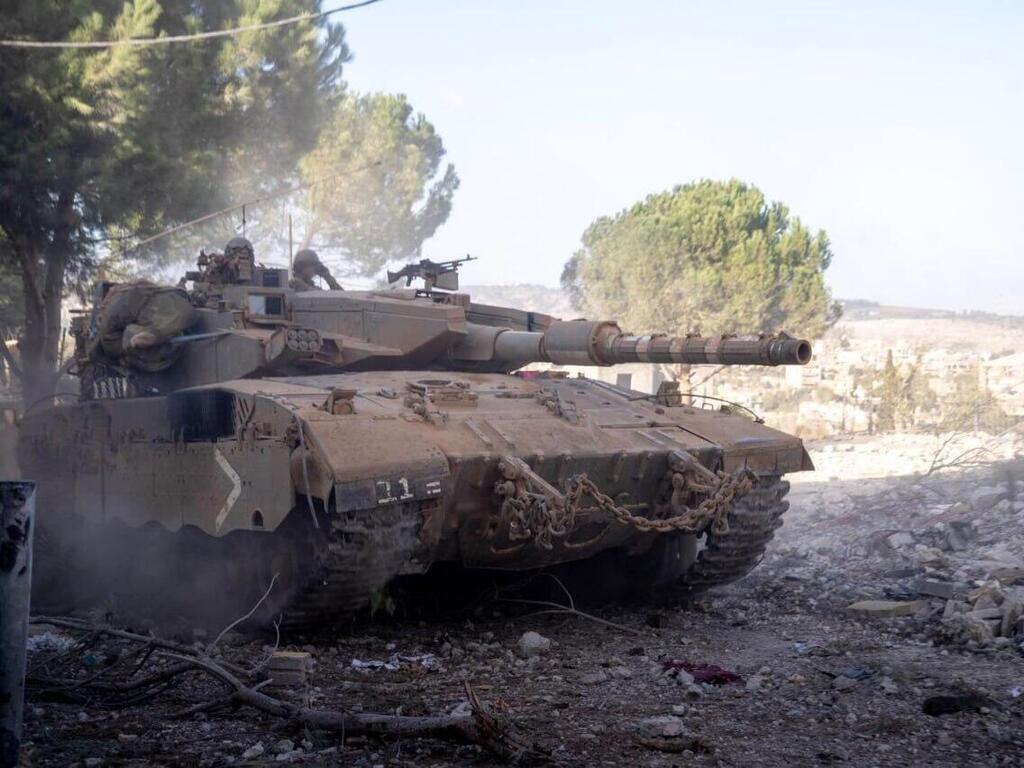
While the shift doesn’t reduce the number of soldiers on the ground, it represents a broader strategic recalibration. A senior IDF officer described it as a “return to a smarter, more sustainable security framework” that reflects the new reality along the border.
Quiet returns, cautiously
Signs of normal life are slowly returning to Israel’s northernmost communities. Businesses are reopening. Tourism sites like Rosh Hanikra are welcoming visitors again. Hotels and guesthouses reported high occupancy over Passover. The northbound highway, once deserted, is bustling again.
Across the border, a very different picture emerges. Many southern Lebanese villages remain without power or running water. Residents—often Hezbollah operatives themselves—tread cautiously, unarmed and avoiding Israeli positions. Scrap collectors move among ruins. The specter of conflict still lingers.
Despite these quiet moments, the military front is far from dormant. Israeli forces continue to target Hezbollah infrastructure in southern Lebanon, averaging one strike per day. Two field commanders from the Shiite militia were killed just last week.
A strategic handoff
The 146th Division, Israel’s largest reserve unit, was brought in last fall to counter Hezbollah’s Radwan force, an elite unit that suffered significant setbacks during the IDF’s ground operations. With the front stabilizing, Northern Command determined it was time for the Galilee Division to resume its role.
“This is the last of the maneuvering divisions to rotate out,” said Lt. Col. K., the operations officer for Division 146, speaking on condition of partial anonymity due to security protocols. “We’ll only return if there’s a major escalation.”
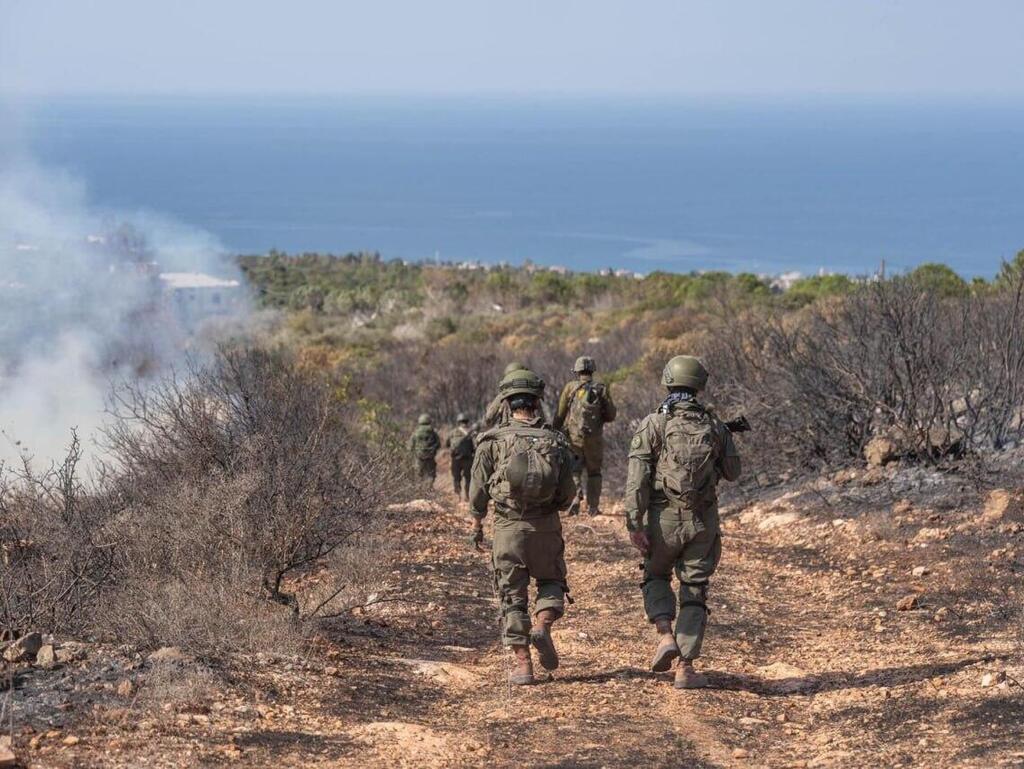
(Photo: IDF Spokesperson's Unit)
The division has also played a key role in the quiet cooperation developing with the Lebanese Armed Forces. Under U.S. oversight, Israeli officers routinely share intelligence about Hezbollah weapons caches and rocket launchers, which Lebanese units are now destroying themselves—often within hours.
“It’s something I never thought I’d see,” K. said. “We give them a target and they act. If they don’t—or if it’s urgent—we handle it directly.”
The border’s new reality
Still, not every threat presents itself so clearly. K. recounted a recent incident in which a Hezbollah operative returned to his ruined home on a motorcycle, paused to survey nearby Israeli troops and continued on his way. In such cases, split-second decisions are not always possible.
“Our mission is to prevent direct lines of fire and observation from Lebanon into Israel,” K. explained. “That means constant engineering work—destroying potential infiltration routes, reinforcing outposts and reshaping the terrain.”
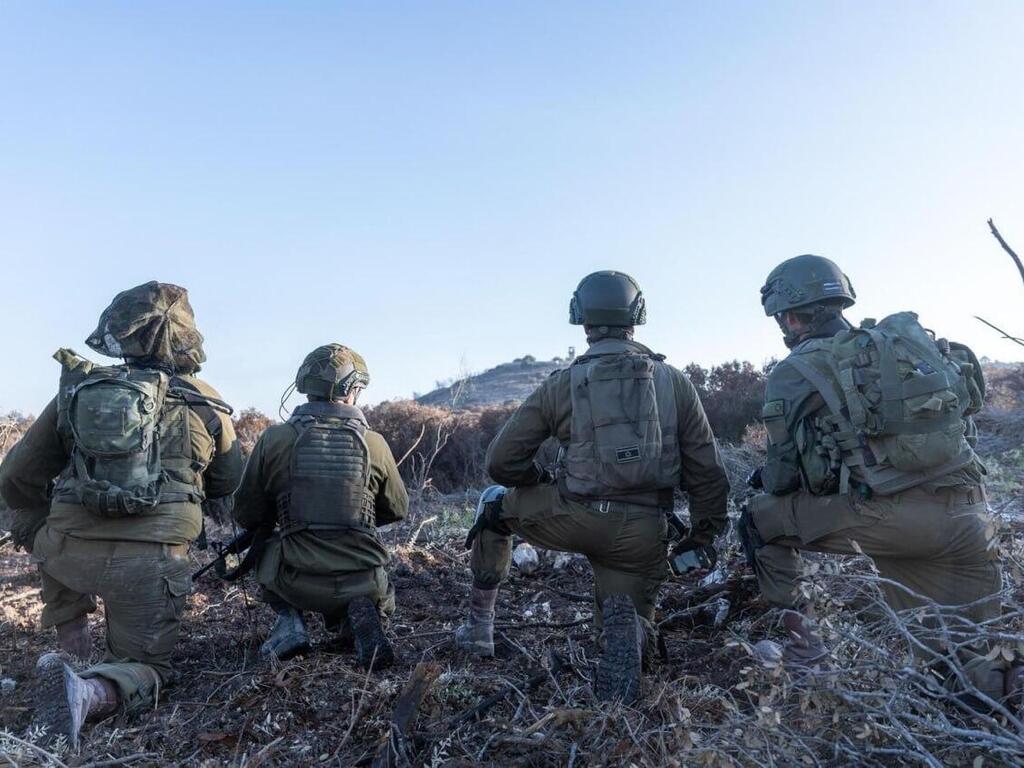
(Photo: IDF Spokesperson's Unit)
The IDF has created what it calls a “mini-security zone” along the border, reminiscent of the buffer it once maintained in Lebanon in the 1990s. Any suspicious approach to the fence is prohibited. But the arrangement exists in a delicate balance with Lebanon’s sovereign government, which remains officially responsible for its side of the border.
“Our goal is to maintain a five-kilometer threat-free buffer,” K. said. “There are still Hezbollah elements farther in, even south of the Litani River, but they’re not an immediate threat.”
Hezbollah, he added, “has lost a lot—fighters, commanders, capabilities. But it hasn’t lost its motivation. That’s why we’re staying vigilant.”
Looking ahead
With the Galilee Division back in command, the IDF plans to deploy at least three regional brigades along the border. Troop numbers will remain at least double what they were before October 7, a signal that the army intends to sustain a high level of readiness.
Drone units, including a new one modeled after the elite Maglan forces, now operate continuously to gather intelligence and conduct precision strikes. “We can’t allow Hezbollah’s terror infrastructure to regrow,” K. said.
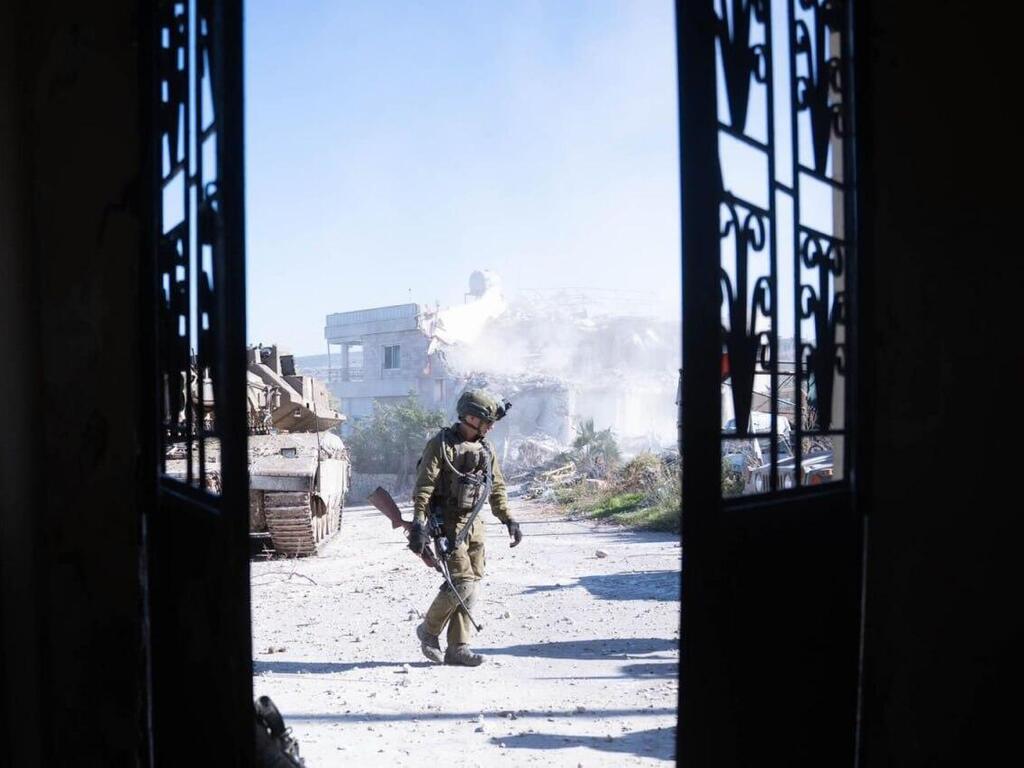
(Photo: IDF Spokesperson's Unit)
The long-term goal, he added, is to make sure the IDF does not sink back into the kind of costly, open-ended engagement that defined its Lebanon operations in the 1990s. That era ended with Israel’s withdrawal in 2000—after hundreds of soldiers had died.
As Israel looks toward the start of the school year this September, military officials are hopeful that more families will return to the north. That will depend on how quickly reconstruction progresses—and how much support the government provides.
“Ultimately,” said K., “security remains in our hands alone.”