

Two years have passed since Noa Argamani reached out a trembling hand for help as Hamas terrorists tore her away from her boyfriend, Avinatan Or, and dragged them both into Gaza. The 246 days she spent in captivity changed her life completely.
Yet even after being freed, she continues to fight, with determination and deep pain, for true freedom: for herself, for Avinatan who remains in captivity, and for all the hostages still held in Gaza. Instead of being “just another college student backpacking in India between semesters,” she now finds herself speaking before the world’s most influential audiences. Instead of being surrounded by the embrace of her family, she mourns her mother, who died three weeks after her return home. And instead of building a life with Avinatan, she is fighting for his life.
Before Oct. 7
“Just before October 7, I was supposed to begin my third year of studies in information systems and software engineering at Ben-Gurion University,” Noa recalls. “I was just another ordinary girl following the usual path: post-army job, South America, studies, student parties, India and Sri Lanka between semesters. “I always traveled alone. It taught me how to adapt to new situations, which eventually helped me in captivity. Ben-Gurion has this wild social energy, and I loved being surrounded by people. That’s where I met Avinatan — at a Purim party on campus.” “At the time, I was in my first year, and he was in his fifth, studying electrical engineering and starting a new job at Nvidia. After six months together, he moved to Tel Aviv, and every weekend we were at each other’s place. His apartment was on Ibn Gabirol Street, and when I stayed with him, I used to study at Beit Ariela — the place that later became Hostages Square.”
‘He was my anchor’
“Avinatan is someone words can’t describe,” she says. “There’s this quiet strength in him that radiates peace. One of the sayings he loved was, ‘A lion doesn’t have to roar to let the other animals know he’s king.’ That’s exactly who he is — always present, even when silent. “When my mother was sick, he was my anchor. After long days of hospital tests and radiation, I’d come to him exhausted and not say a word. He understood everything without me having to speak.”
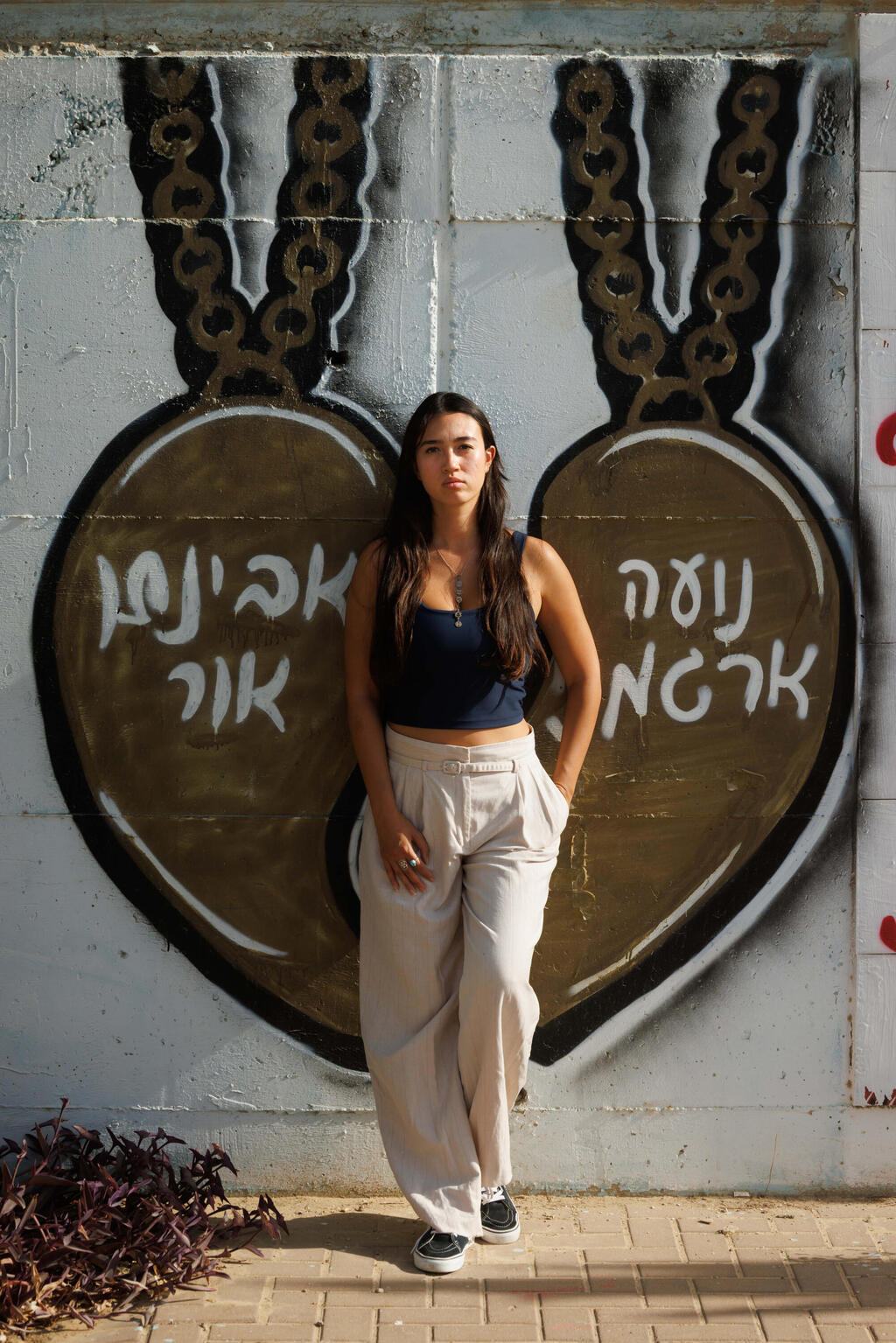
Noa Argamani
(Photo: Ziv Koren)
“A friend who served in reserve duty told me he was ordered to dig graves in an area where they suspected hostages’ remains were buried. As he unearthed body parts, he prayed not to see my face.”
“My mother and Avinatan are central figures in my life. Their absence is a void I can’t fill. It’s like taking a table and sawing off two of its legs — it just collapses. My father is everything to me, but the emptiness is always there. Every thought, every step, every day — I meet the pain again.”
From Nova to Gaza
“On Oct. 6, we were in Be’er Sheva and decided to buy last-minute tickets to Nova, less than 24 hours before it started,” Noa recounts. “Usually we went with a big group, but that weekend only a few could make it. Still, we knew friends would be there.” “We arrived around 4 a.m., joined friends, opened a small bar stand, had a drink, and went to the dance floor. It was mesmerizing — full of beautiful people, amazing energy, and the first light of dawn.”
Then came the rockets. “A girl next to me screamed when she saw interceptions in the sky. The music stopped. We were told to evacuate. Like obedient kids, we packed up and headed to the car. We said goodbye to our friends — not knowing it was the last time. Lior Takatz, Yevgeny Postel, and Shon Deutschvili never came back. I only learned their fate after returning from captivity. May their memory be blessed.”
The abduction of Avinatan Or and Noa Argamani


The chaos of escape
They tried to flee by car, but gunfire erupted. “We made a U-turn. Cars were everywhere. People didn’t know where to run. We thought we saw a bomb shelter, but bullets hit the sand beside us, sending up clouds of dust.” Her friend Ori was on the phone with them, trying to help others escape. “Suddenly he shouted, ‘They’re here! They’re here!’ Then silence. I heard a terrorist shout, ‘Allahu Akbar.’ I apologized to Avinatan. I said, ‘I can’t handle this, I need to hang up and keep driving.’ ”They hid under a tree, but local men spotted them. “They shattered the car windows as we sped away. We reached a dirt field, and the car got stuck in the sand. We hid in a ditch for hours before they found us.”
“They grabbed our hands and ran with us. I shouted, ‘Please! Please don’t kill us!’ They tied my hands. I saw a woman running through the forest — probably from the party. Our eyes met. I still don’t know what happened to her.”
When motorcycles arrived, they threw her on one and left Avinatan behind. “I screamed and reached for him, but they took me away. I found myself alone — in Gaza. Everywhere I was held, I asked if anyone knew a tall guy with sandy hair. I didn’t know if he was dead or captured. I just believed we’d meet again.”
The rescue
On June 8, 2024, Israeli forces stormed the house where she was held — in what became known as Operation Arnon, named after Yamam commander Chief Inspector Arnon Zamora, who was fatally wounded in the raid. “It was unbearably hot. I hadn’t seen sunlight for months. Suddenly, I heard gunfire — but this time it was different. Then the door burst open. A soldier said, ‘Noa, we’re Yamam. We’re here to take you home.’ “Hearing Hebrew in the heart of Gaza felt like a dream. He told me to get on his back and carried me out. They hugged me so tightly, shielding me with their bodies. It was the first pure, human hug I’d had in months. “I asked, ‘Is my mom still alive?’ They said yes — that she was waiting for me. I didn’t believe it. I thought they were just trying to calm me.”
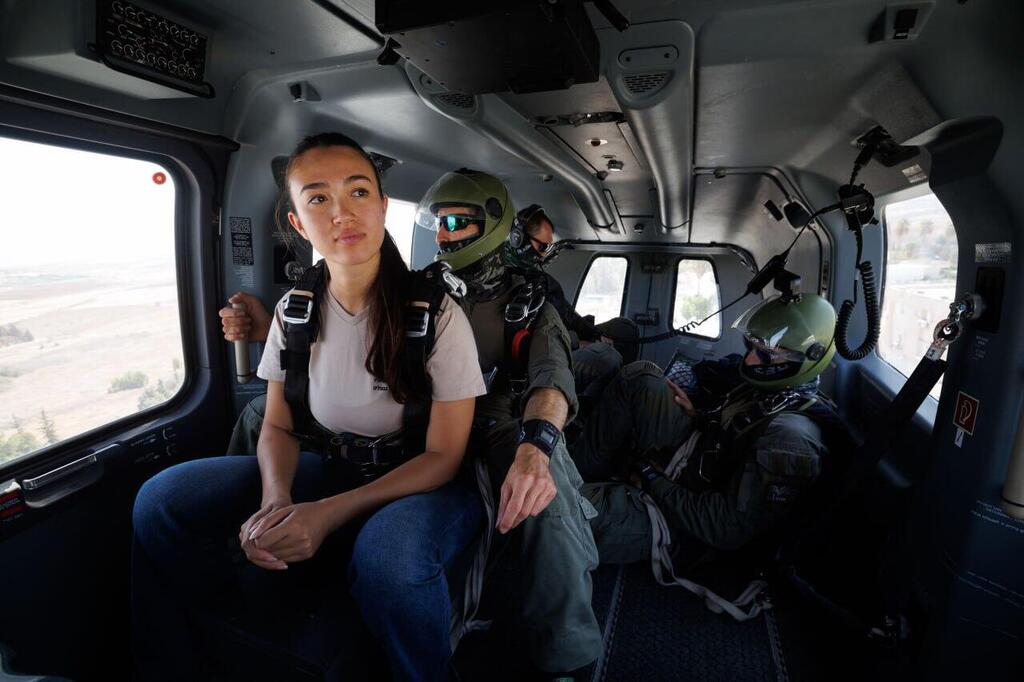
Noa Argamani
(Photo: Ziv Koren)
‘She was waiting for me’
Her mother, Liora, had been fighting cancer. “My mom was noble, modest, and strong. She taught me the power of quiet strength. The void she left is enormous, but I know she’d be proud of me,” Noa says.
“The first thing I wanted after the rescue was to see her. I knew she was holding on for me, not for herself, but for my dad. Three weeks later, she passed away. At the funeral in Be’er Sheva, I saw how many people she’d touched. She was quiet, yet she left a mark on everyone.”
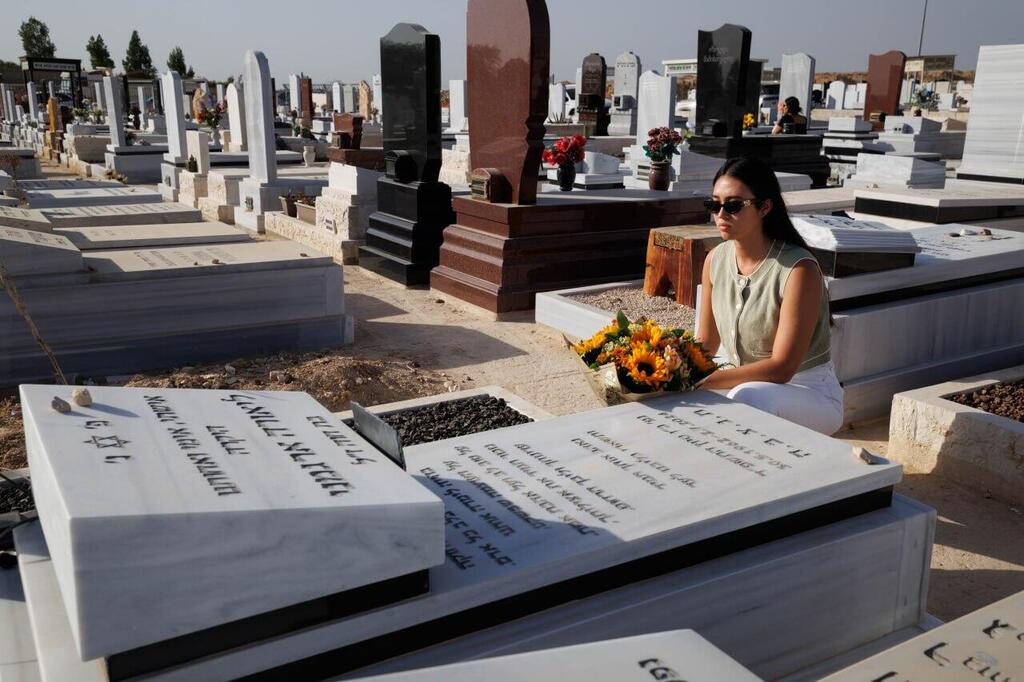
Noa beside her mother’s grave
(Photo: Ziv Koren)
‘I didn’t choose the exposure’
“At the hospital, I couldn’t process the crowd cheering my name. Thousands of people waving flags, shouting, ‘Noa!’ My friends told me the whole world had seen the video of my abduction. My privacy was taken from me in a second. “But I choose, again and again, to give up that privacy — to cry out for Avinatan and for all those still there.”
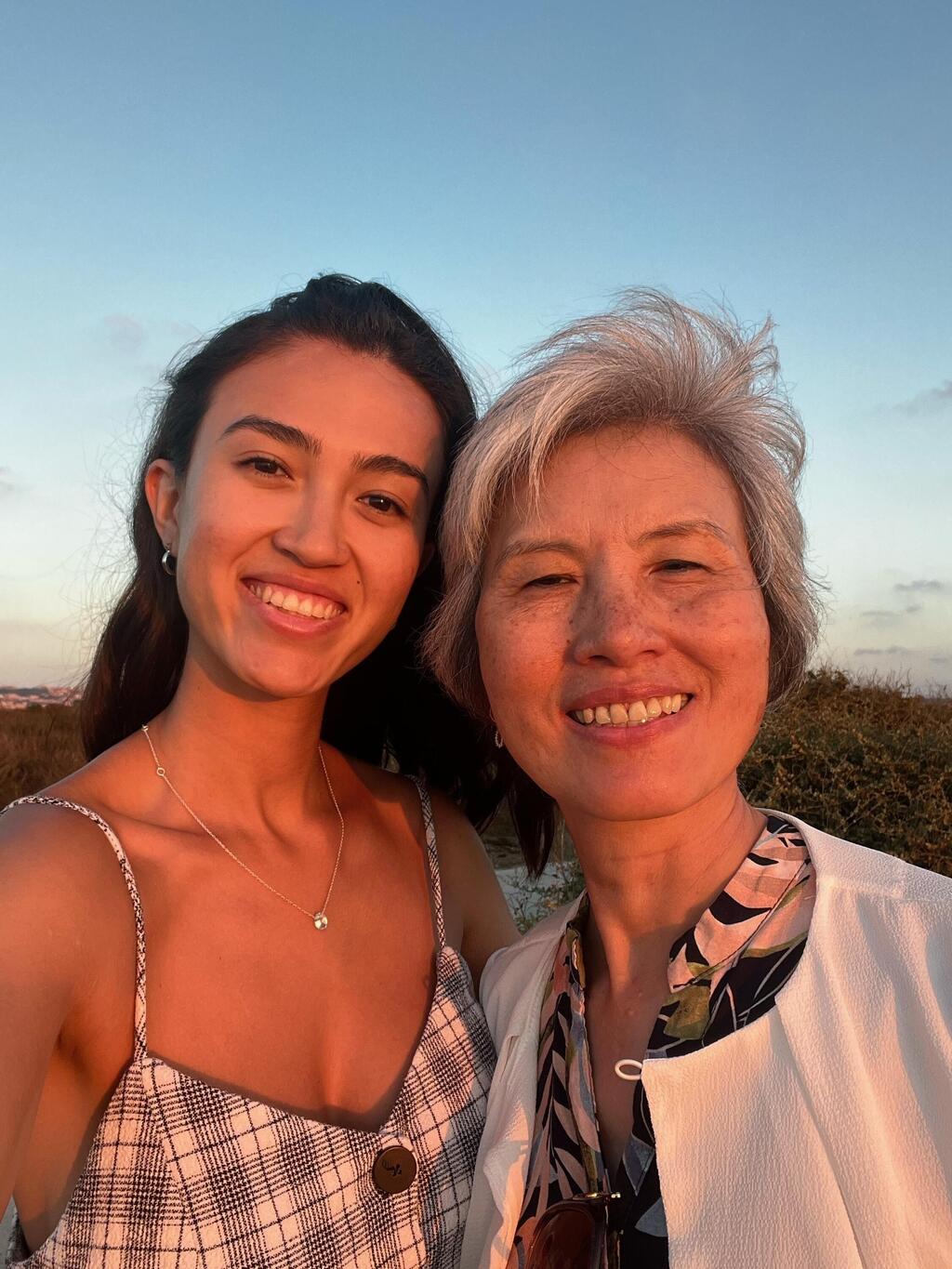
Noa Argamani and her Mother Liora
(Photo: Private album )
“I was kidnapped at 25. Now I’m almost 28. My friends are finishing degrees and getting married. I’m fighting for the life of the man I love.”
A hero’s sacrifice
At Sheba Hospital, she met the family of Arnon Zamora, the officer who saved her. “The contrast was unbearable, celebrations on one side, mourning on the other. Arnon sacrificed his life so we could live. His wife, Michal, told me not to remember him only as a hero but as a loving father and man of values. I live to honor him.”
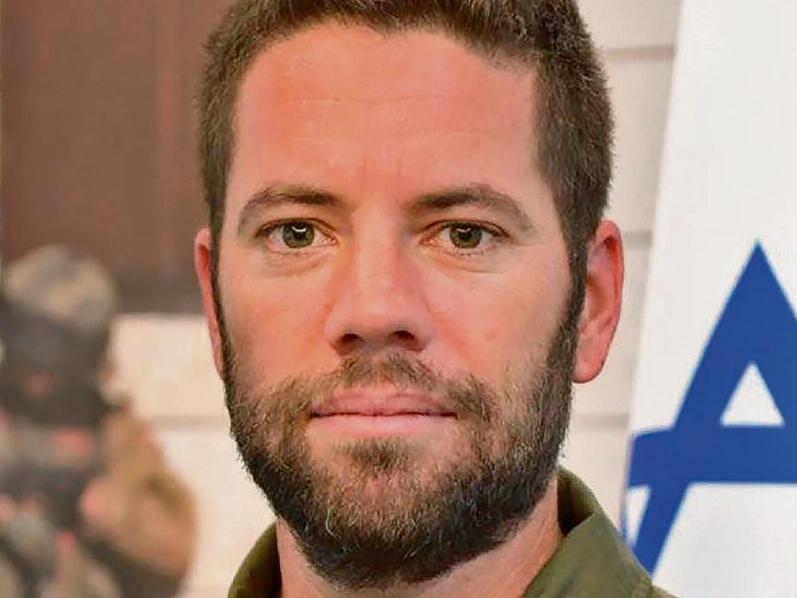
Chief Inspector Arnon Zamora, who was killed in the rescue operation
(Photo: Israel Police Spokesperson’s Unit)
A mission for those left behind
“After my mother’s shiva, I realized the whole country was grieving, everyone had lost someone. I learned that I don’t need people to fully understand my pain. It’s enough to share it, to stand together.” She soon met the soldiers who rescued her. “They told me seeing me alive gave them purpose again after months of recovering only bodies. That’s when I understood — my rescue meant something not just to me, but to all of Israel.”
The global fight
“Especially as someone who was there and experienced the pain, the frustration and the physical ordeal in every part of my body, I couldn’t stay indifferent. I wanted to scream to the world to get them out of there, to bring my Avinatan home. “I couldn’t stay silent,” she says. “I began speaking out, demanding the world help bring them home. I met President Trump, spoke at the U.N. Security Council as the first freed hostage to do so, and shared my story with lawmakers.
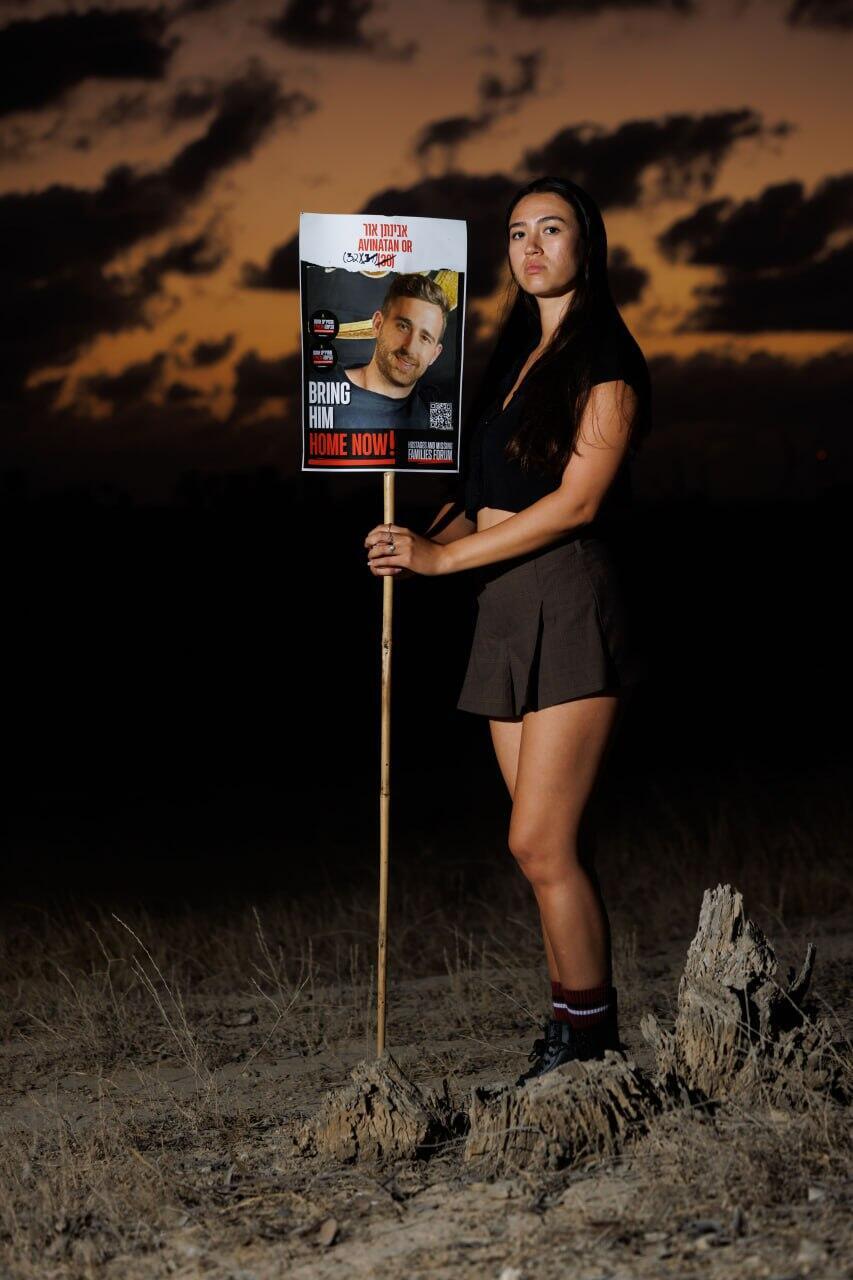
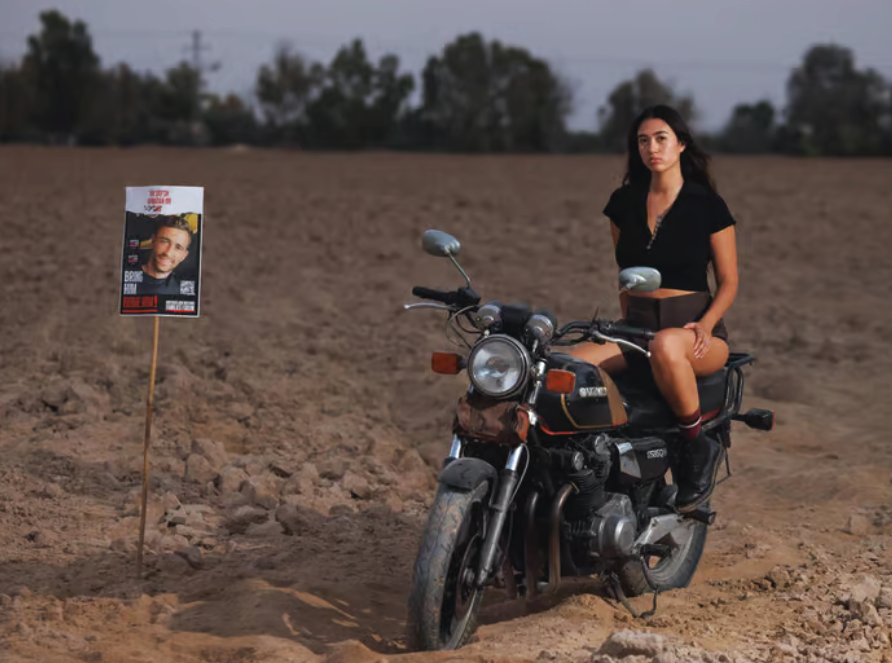
Noa Argamani on one of the dirt roads near the Nova site leading toward Gaza
(Photo: Ziv Koren)
" Around that time the second hostage deal was approved, but Avinatan wasn’t included in the first phase, only in the second. My heart was pounding at 200 beats per minute, and my mind couldn’t comprehend it. How could this be? How could Avinatan be left behind? We have to move on to the second phase. You can’t leave anyone behind. “That’s when I began my advocacy campaign, at the most fragile moment of my life. I told myself I wouldn’t go home until Avinatan came home. I shared how, during my captivity, I was moved between several houses, warehouses and tunnels, and about the encounters I had with many hostages; children, women and elderly people. I told of my serious injury from an airstrike on the house where I was held. I had major wounds all over my body, I was bleeding from my head and was never stitched up. I received no medical care at all. I was left with five open gashes on my head and never saw a single doctor during that entire period.
“Where was the Red Cross when it was needed? For almost two years now it hasn’t been functioning, hasn’t been checking the health condition of the hostages. Hamas even released a video of me begging for medical help, but the world chose to close its eyes.”
“I told them how I was wounded in an airstrike, bleeding from my head with no medical care. The Red Cross never came. Hamas even released a video of me begging for help — and the world looked away.
“I saw friends murdered before my eyes: Yossi Sharabi, Itay Svirsky. I carry them with me every day. May their memory be blessed.”
‘Freedom isn’t just release’
“It’s been nearly two years — eight months in captivity and sixteen in a relentless struggle to bring them home. I was kidnapped at 25; soon I’ll turn 28. Time stopped for me. “One of the books that kept me alive was Man’s Search for Meaning by Viktor Frankl. He describes three stages of a prisoner’s emotional response: arrival, adaptation, and release. “I relate to that deeply, but as someone who has come back from captivity and now has to go through rehabilitation, I still feel imprisoned. Every moment since I was rescued, I feel as if I’m still there. A large part of me stayed behind and won’t let me move on or rebuild myself.
My partner, Avinatan — such a huge part of my life — is still held in captivity. And until he and the other 47 hostages return, we will not be able to heal.”