


Forty-two young men and women will stand on the parade ground at an Israeli Navy base this week to receive their officer ranks after completing one of the military’s most demanding training programs, a course that has been fundamentally reshaped by the war.
Just before the graduation ceremony, the commander of the Navy’s officer training school, Lt. Col. R., told ynet and Yedioth Ahronoth that the current class went through a program unlike any before it, with most of their training taking place during active combat.
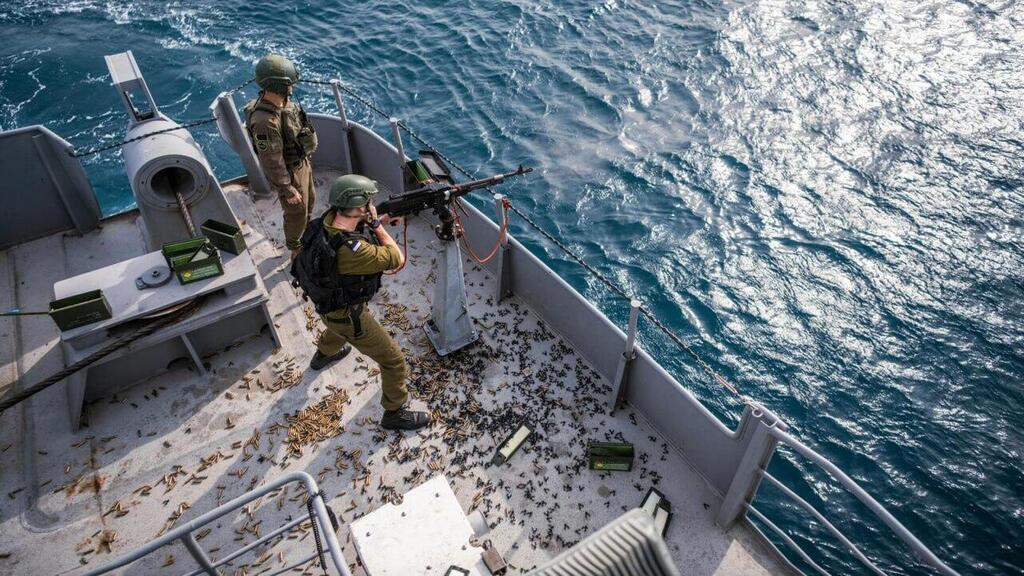
“First of all, the naval officers program is the most prestigious course in the IDF,” he said. “It lasts two years and five months and trains the cadets to become commanders. Class 153 has 40 male cadets and two female cadets, the best of our sons and daughters. Most of their training took place during the war.”
During Operation Roaring Lion, he said, the cadets were sent straight into operational deployments. “They spent three weeks aboard missile ships and submarines, and in a few days they will begin five years of service commanding sailors and combat personnel.”
The experience of Class 153 was markedly different from that of earlier classes. Most of the program unfolded while Israel was fighting on several fronts, and R. himself arrived at the school after years in operational command.
“Before this position, I commanded an operational unit responsible for security missions off Gaza,” he said. “Afterward, I commanded a missile-ship unit. I brought that command and operational experience with me.”
Training for uncertainty
According to R., the war dramatically changed both the demands placed on future commanders and the Navy’s operational environment.
“The first thing facing us is the changing command requirements and the new missions the Navy has taken on,” he said. “The Navy operates across all theaters, both defensively and offensively, and we need to prepare the next generation of commanders for the kinds of missions we have carried out during the war and will face in the future.”
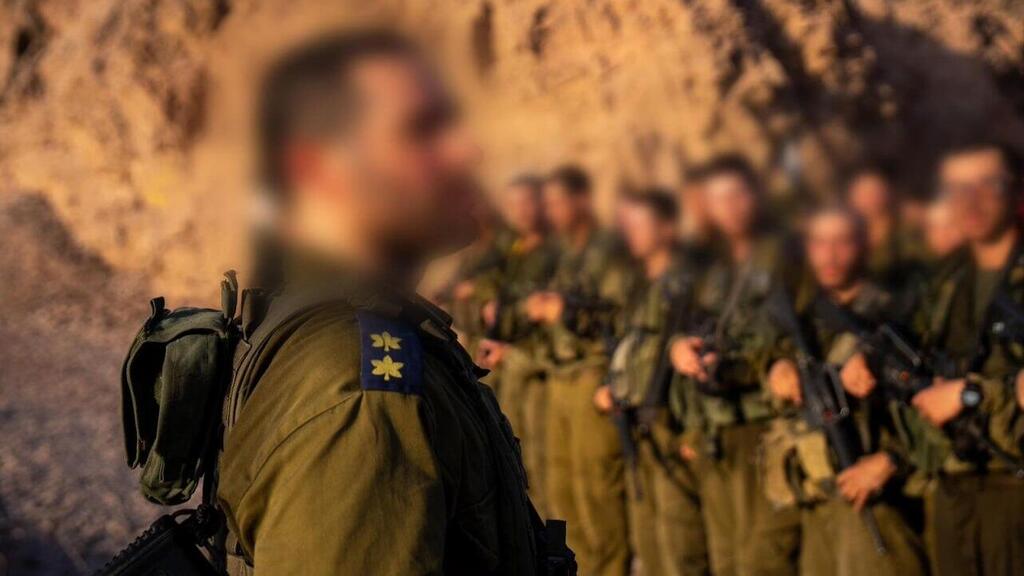
Lt. Col. R.
(Photo: IDF)
Within about a month, he said, the graduates will already be serving in active command roles.
The training has also placed greater emphasis on mental resilience and on giving cadets broader operational experience before they reach their units.
“If in the past a cadet finished the program and arrived at a submarine, today he comes with much broader experience in areas such as missile systems and sonar,” R. said. “They arrive much better prepared to step straight into operational service.”
The program now deliberately exposes cadets to uncertainty, fatigue and rapid changes in mission.
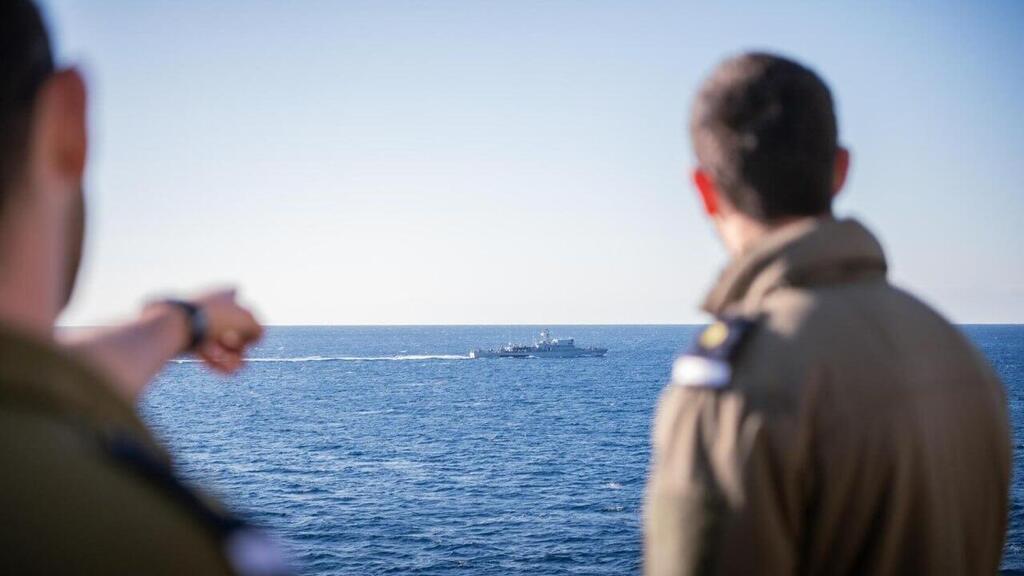
“We train them to operate through transitions, uncertainty and prolonged strain,” he said. “A ship or submarine can remain at sea for two weeks, moving between different theaters and operational situations. The goal is to make the training environment resemble real operations as closely as possible.”
(Photo: IDF)
R. said the selection process already tests both physical and mental resilience, while the pace of the program is designed to keep training aligned with the realities cadets will encounter after graduation.
“I want the transition into operational service to be as seamless as possible,” he said. “When I came into this position after four years in operational units, I brought with me lessons I believe naval cadets need before taking command.”
Competition for a place in the program is intense. Of about 8,000 high school seniors initially considered, roughly 2,000 reach the selection stage. From there, 220 are chosen across two annual intakes. The current class began with 110 cadets and will graduate 42.
Women face exactly the same requirements, R. said. “They do exactly the same training, with no concessions. Six women graduated in the previous class, and eight will begin the next one.”
He described the program as demanding across four main areas: professional competence, values, leadership and mental resilience.
Command as influence
R. said the generation now entering the Navy is highly motivated and sees military command as a way not only to defend Israel but also to influence Israeli society.
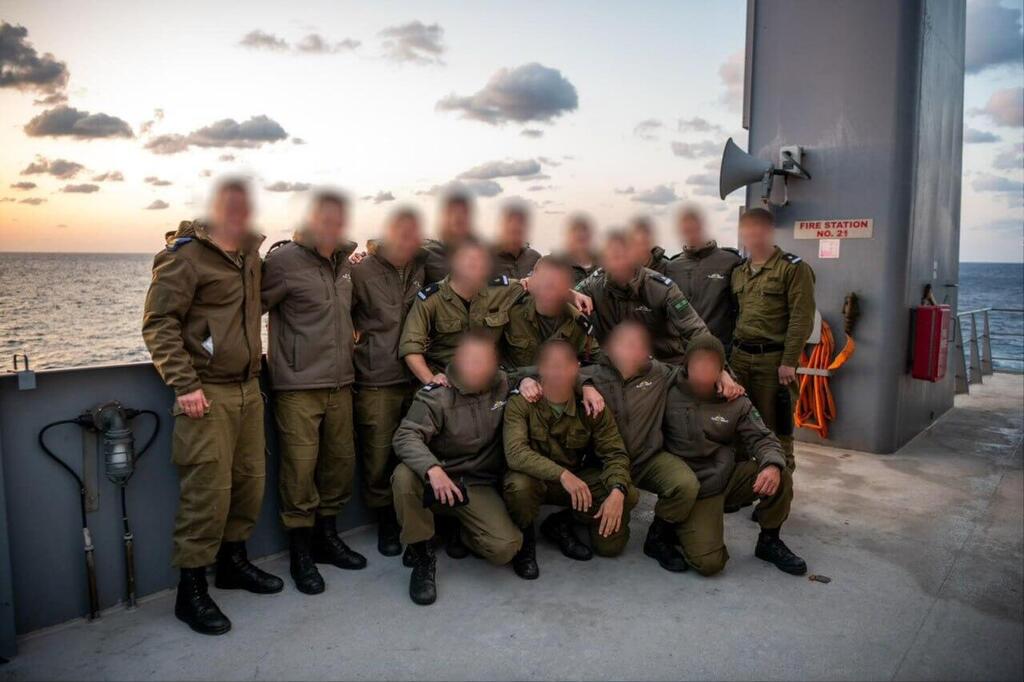
“The cadets are very good, educated and highly motivated to serve,” he said. “Everyone I meet wants to make a difference. They understand the importance of defending the State of Israel after the war and want to influence Israeli society through leadership.”
Many, he noted, arrive after pre-military academies or a volunteer gap year.
(Photo: IDF)
“These are young people who, despite all the dramatic changes in recent years, the coronavirus pandemic, displacement and war, have fire in their eyes and a desire to make a meaningful difference,” he said.
The Navy itself is also changing rapidly. According to R., the service is preparing to expand its fleet and weapons capabilities as its missions extend farther from Israel’s shores.
“Anywhere there is a sea, the Navy knows how to operate,” he said. “We are going to increase the number of vessels and expand our weapons capabilities, both to strike enemies at greater distances and to protect strategic assets.”
The war has already forced the Navy to increase its activity in the Red Sea and adapt to operations across distant maritime theaters.
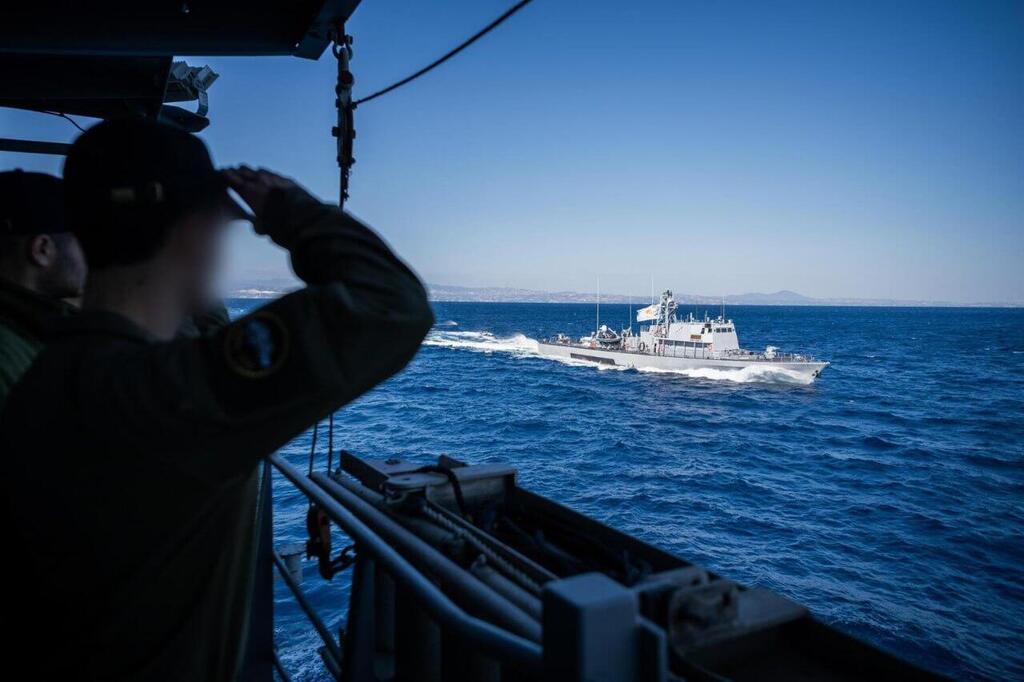
“We increased our activity in the Red Sea at the beginning of the war to prepare for changing circumstances,” R. said. “Serving at sea is extremely demanding, whether in storms or under scorching sun, and crews can move quickly from the Mediterranean through the Suez Canal and into the Red Sea.”
(Photo: IDF)
That, he said, makes strong commanders essential to keeping crews focused through long and demanding deployments.
“We need commanders who can adapt to change, innovate, take initiative and deal with new challenges,” he said. “They need to bring their crews together around the mission and lead them successfully.”
One of the biggest changes now being introduced into the program comes from outside the maritime world entirely.
For the first time, naval officer cadets will undergo Level 05 infantry training, giving them more advanced ground-combat skills and the ability to support missions away from the sea when needed.
“We are starting to train them to Level 05 so they will be more capable as combat troops and so Navy personnel can assist in missions that are not at sea,” R. said. “This is the first time we have introduced this level of infantry training.”
The class due to graduate in March 2028 will be the first to complete the new training.
As the Navy expands its capabilities and adjusts to a changing security environment, R. said the central element remains the same: leadership.
Within a month, the newly commissioned officers will be serving aboard missile ships and submarines, leading crews in operational missions after a program designed to prepare them for a reality in which the next assignment may come in another maritime theater or, increasingly, on land.