


An Israeli hiker's disappearance on Mount Olympus ended in tragedy, but the search revealed a remarkable volunteer network born from another family's loss; operating in 49 countries, the organization has handled more than 230 emergencies and helped save dozens of lives
On September 20, at 4 p.m., Shosh Debi sent a message to her son. Ami Yogev, 46, from Modiin, had flown to Athens a few days earlier on a whim and told her he planned to climb Mount Olympus.
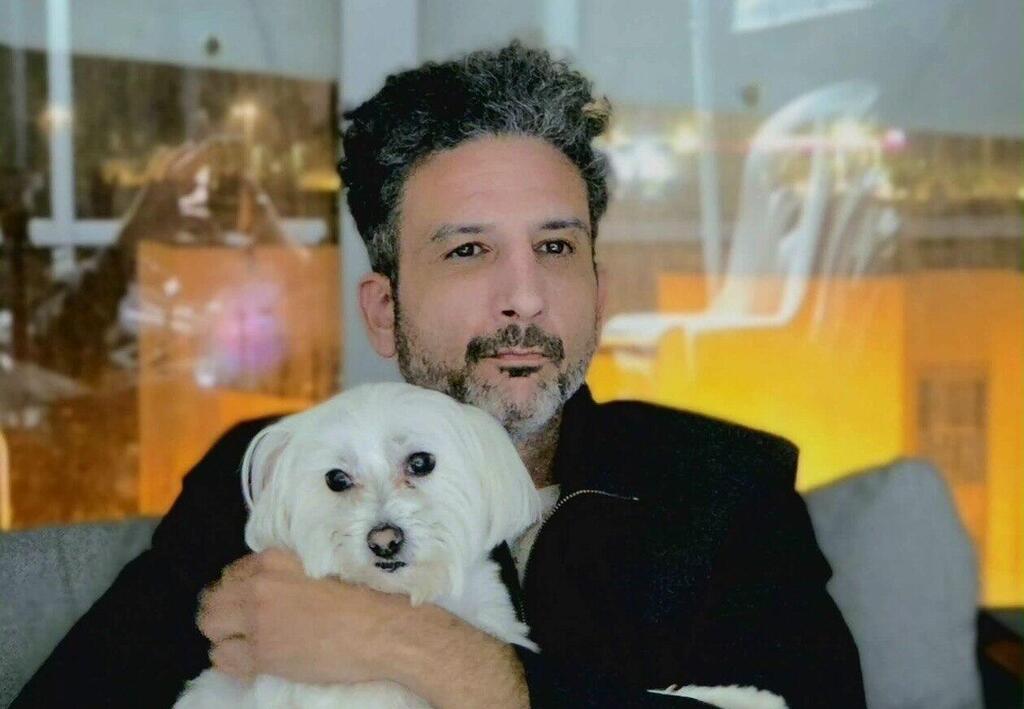
"Since he landed, he had spoken to me every day," she recalled. "Even during the climb, he sent me pictures. After the last photo, when he was on his way to the summit, he stopped answering."
He had managed to read that final message from his mother. The messages that followed remained unopened. From then on, there was only a single check mark on WhatsApp and countless unanswered calls.
Yogev had sent the same photographs to a close friend, telling him how much he was enjoying himself on the mountain. In another message, he mentioned that he had sprained his ankle during the climb. After that, there was silence.
When his family realized they had lost contact with him, they began reaching out to anyone who might be able to help. Within days, dozens of people who had never met Yogev were searching for him.
'We knew that was where we would find him'
Mount Olympus, near Thessaloniki in northern Greece, attracts travelers looking to add adventure to their vacations. The climb can take several days, leading to a summit nearly 3,000 meters (9,800 feet) above sea level, where hikers encounter visitors from around the world.
But in early October, a group of people on the mountain had not come for the views. Several dozen Israelis, some living in Greece and others who had traveled specifically to help, were searching for Yogev, a man most of them had never met.
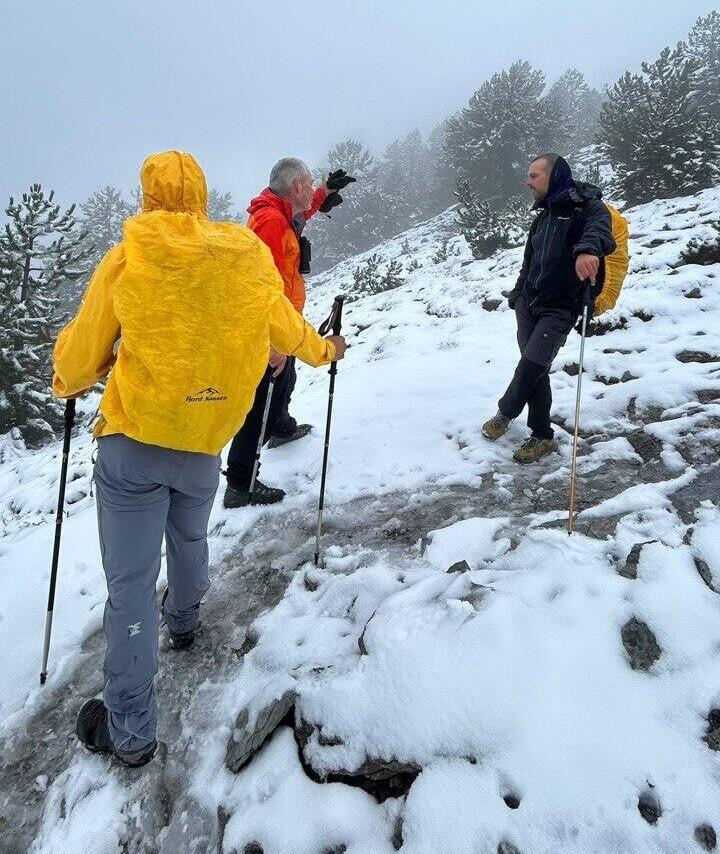
The search for Ami Yogev on Mount Olympus
(Photo: Courtesy of the family)
About 33 of the volunteers had been mobilized through Haverim Mehalzim, or Friends Rescuing Friends, a civilian volunteer rescue network operating under the Israeli nonprofit organization Gvanim. The network assists Israelis and Jews facing emergencies abroad.
The organization's strength lies in its ability to rapidly connect worried families in Israel with people who can help: volunteers and professionals around the world, a coordination center that manages information, and local rescue and medical services. Families receive its assistance free of charge.
That system was put to work in Yogev's case. He had left Israel without travel insurance, and his family financed the search through personal funds and a crowdfunding campaign while also calling for government intervention.
Shortly after the family requested assistance, Haverim Mehalzim issued an appeal to volunteers and professionals in the area. The call reached Liran Aviram, an Israeli woman living in Greece. Through her, Altus, a drone company owned by her partner, Zach, also joined the search.
For days, volunteers worked alongside a Greek rescue unit, searching the slopes and streambeds surrounding Yogev's hiking route. The rocky, steep terrain became particularly hazardous amid fog and rain early that week.
"It seems he set out on the hike without fully understanding the scale of the challenge," said Ron Lavi, co-CEO of Haverim Mehalzim. "He may not have had suitable equipment or known the terrain. But even when we first set out to locate him, we had a fairly good idea of where to search."
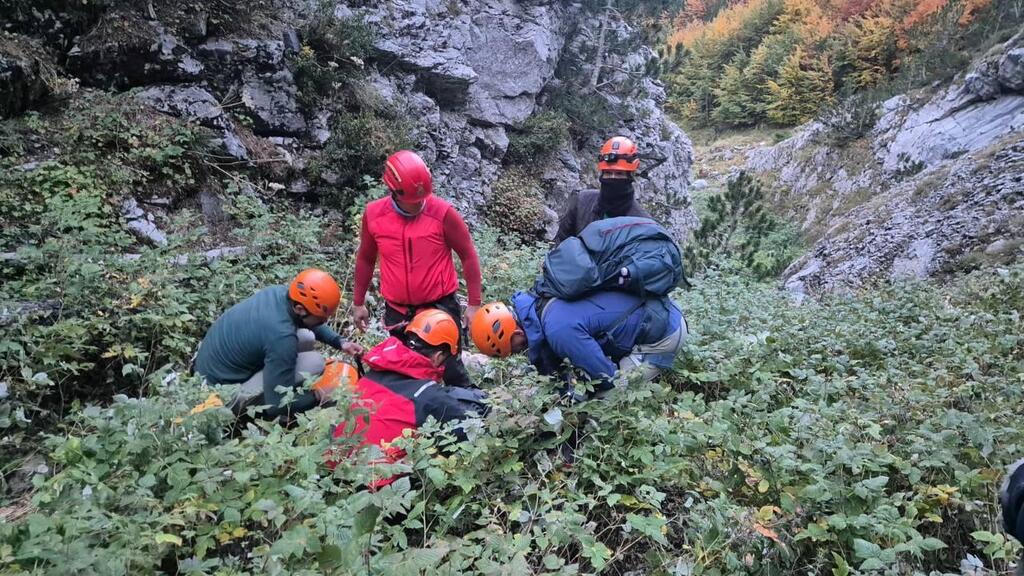
Haverim Mehalzim volunteers after discovering Ami Yogev's body
(Photo: Courtesy of Haverim Mehalzim)
On October 9, roughly two and a half weeks after Yogev's last messages to his mother and friend, the search came to a tragic end. His body was discovered in the Mavrolongos riverbed at an elevation of approximately 1,800 meters (5,900 feet). He had apparently fallen from a considerable height during the climb.
"We searched a wooded area along a riverbed with dry waterfalls," said Yiftach Shavit, a co-founder of the organization. "Logic told us that this was the area where Ami might be found. After three days of searching, we found him there, lifeless. We knew what clothing he was wearing and what personal equipment he had from the photographs his family provided, and that was how the team identified him."
Once Yogev was located, responsibility passed from the volunteers to the Israeli consulate in Greece, which is assisting his family with arrangements to bring him home for burial.
'Like roadside assistance, but for emergencies abroad'
The four rescuers who found Yogev in the riverbed had never known him. They would never have been there were it not for another tragedy five years earlier, in a different river.
In November 2021, during a backpacking trip after his military service, Yanai Rimon arrived with friends at a shallow river in Mexico. "He entered the water, was swept away by the strong current and couldn't get out," recalled his mother, Nirit. "They couldn't find him for three days, and then his body was discovered. What impressed me was that dozens of volunteers had worked to find him."
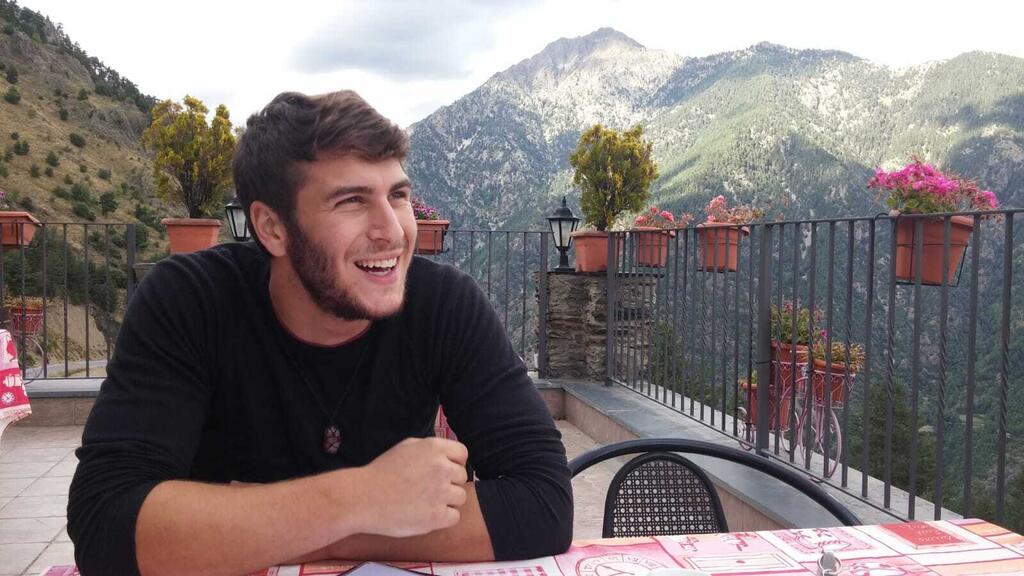
Yanai Rimon: Dozens of volunteers worked to find him
Yanai was 23, a recently discharged combat soldier from the elite Duvdevan unit. He had set off with friends on a long-awaited trip through Central America after three years of intensive military service and a particularly difficult period during the COVID-19 pandemic. "He was, and still is, our second child," Nirit said.
When the search ended and the family received the devastating news, they also understood what had been missing during those days: an organization that could coordinate information, explain what was happening and quickly connect everyone willing to help. Rather than wait for someone else to establish such a network, they created one themselves.
"We were far away. We didn't understand what was happening, and we didn't know what to do with all the people who wanted to help," Rimon explained. "Only later did we understand that, in these situations, time is the most important thing. Whoever gets to the scene quickly can save lives."
"Most of those people didn't even know Yanai. They were simply Israelis who wanted to lend a hand. That's when I understood that we are a special people, a people who feel like one big family," she said. "When something happens, everyone rises to the occasion. And as a family, we understood that we couldn't let that energy go to waste."
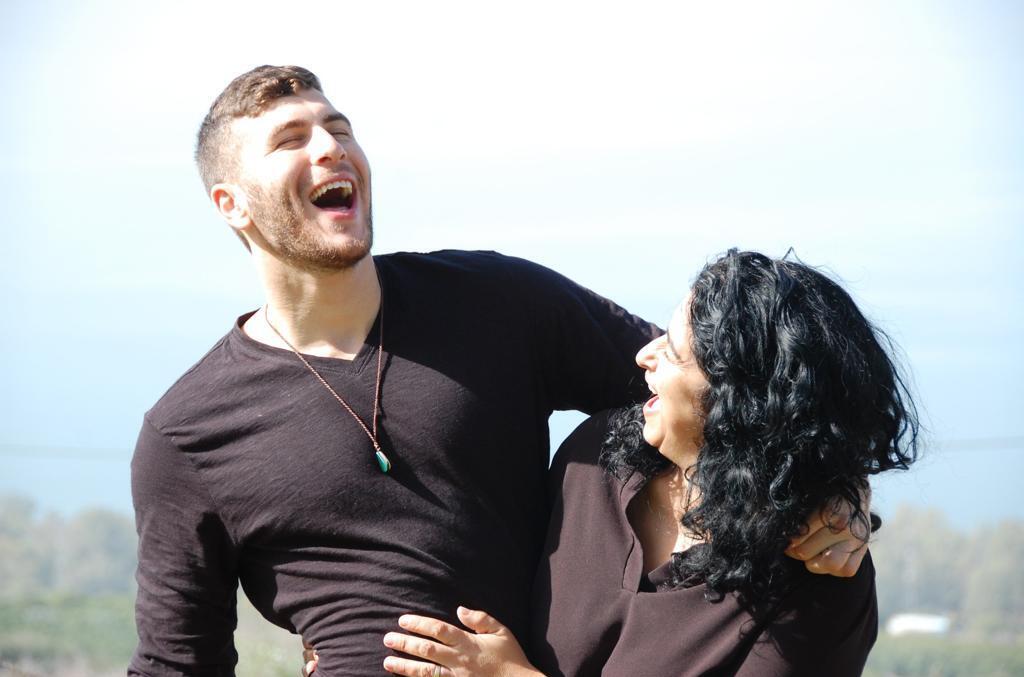
Nirit Rimon with her son Yanai
In March 2023, Rimon established Haverim Mehalzim in memory of her son under the umbrella of Gvanim, where she now serves as co-CEO. She was joined by Lavi, a specialist in search and rescue operations in difficult environments, and Shavit, who would go on to lead the Mount Olympus search two and a half years later.
"Ron and Yiftach approached us, and together we developed a program designed to give others what we didn't have: not just help with the search itself, but an entire support system, from fundraising to mobilizing people on the ground," Rimon explained.
Lavi himself had not known Yanai. He became involved through Shavit, a longtime friend, and until a year ago was simply a volunteer in the organization he now helps lead.
"Yiftach approached me about six months after Yanai's death and told me they wanted to establish a network to rescue Israelis abroad," he recalled. "The connection with Gvanim was immediate. With their help, we established a worldwide network that includes executives at private aviation, helicopter and drone companies. We really built a professional team with the capabilities to handle these situations."
But what exactly does such a professional team do when an Israeli disappears in a remote corner of the world? Lavi sums it up in a single sentence: "We're like Yedidim, the volunteer organization everyone knows to call when they have car trouble, except we handle extreme emergencies abroad."
The third member of the founding team is Liran Neta, a veteran of the IDF's Unit 8200 intelligence unit, who developed a platform for registering volunteers and managing information during rescue operations.
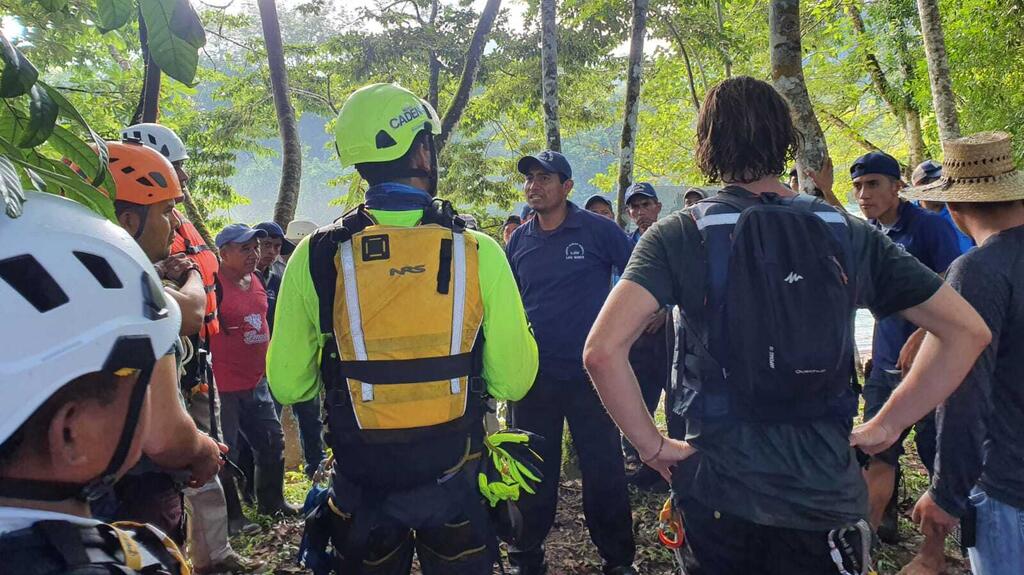
During hte search for Yanai Rimon in Mexico
(Photo: Courtesy of Cadena ngo)
"This community started as a WhatsApp group, and today it's much more technologically advanced," Lavi said. "It's built around Israelis living all over the world: veterans of elite military units, medical professionals and former members of the intelligence community. When something happens, a message goes out to the group for the country where contact was lost, and people are mobilized. A forward command post is established on the ground, and from there we provide comprehensive support."
Since its establishment three and a half years ago, the organization has received more than 1,000 requests for assistance from Israelis and Jews. Just over 230 involved genuine emergencies across 49 countries.
"Of those, there are around 35 cases where, had we not intervened, the person rescued would most likely not be alive today," Lavi said.
How do local residents react when dozens of Israelis arrive to search for a single person?
"With amazement," he replied. "We encounter only good people who want to help. Locals searching alongside us often ask me, 'Who is this missing person? Is he a Mossad agent? A politician?' And I answer, 'No. He's just an Israeli.'"
From rescue survivor to volunteer
When Lavi speaks of a comprehensive support system, he means everything surrounding a rescue operation, and sometimes assistance that takes the place of a physical rescue altogether.
"We have, for example, a clinical psychologist, gynecologists and even lawyers who become involved when an Israeli man or woman is in distress abroad," he said.
That was the case last December, when an Israeli woman vacationing in Budapest woke up without her wallet or belongings and suspected she had been sexually assaulted. "Within hours, she received comprehensive assistance from us in dealing with the local authorities, with the help of Israelis living nearby who knew how those authorities operated," Lavi said.
Over the past year, the organization has also expanded into mental health support after locating several Israelis experiencing mental health crises who had disappeared abroad.
"Recently, the brother of a discharged soldier called us after receiving a phone call from an Israeli who said his brother was behaving in a frightening way on Koh Phangan in Thailand," Lavi recalled. "We guided him and his sister on how to reach the area and how to speak with him so he would agree to return to Israel. We managed to handle the situation."
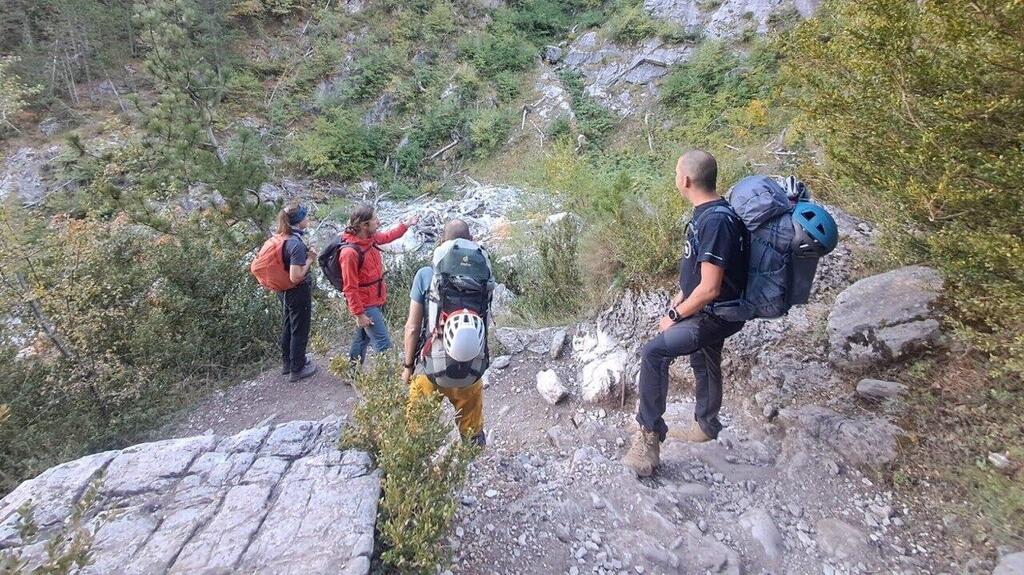
'We developed a program designed to give others what we didn't have'
(Photo: Haverim Mehalzim)
In another case, in 2023, an Israeli backpacker jumped from a bridge in Laos, landed badly in the water, lost consciousness and disappeared beneath the river's surface.
"An Israeli woman who was with him saw what happened and started running toward him. Neriya Shukron, another Israeli traveler who happened to be nearby, saw her running and joined her. He took a small boat and pulled the man out of the water unconscious. When he saw that the man was bleeding from his mouth, he called me and asked what to do," Lavi recalled.
"That's when an entire ordeal began. We got them onto a local pickup truck and took him to a hospital, but the staff there barely knew how to treat him, so we flew him to Thailand. Within 24 hours of the fall, doctors drained the bleeding. Today, he's not only healthy, he's one of our volunteers."
A year ago, the organization also assisted Shahar Saadon, a discharged soldier who had fought in Gaza and traveled to India. During a hike in an area known as the Fairy Forest, Saadon fell from a cliff, broke his leg and suffered a head injury. "One of our volunteers heard about the incident from locals and alerted us. Within half an hour, he was brought to a local hospital for lifesaving treatment."
On Mount Olympus, the outcome was tragic. Yet even there, Nirit Rimon said, something happened that captured the very reason the organization exists: dozens of strangers who had never met Ami Yogev dropped everything and climbed the mountain to search for him. His family was not left alone to face unfamiliar foreign authorities and the silence of a phone that no longer rang.
"We built the rescue network to give others what we didn't have at the time," Rimon said. "It was our way of honoring Yanai's memory and allowing something meaningful to grow from our story."
For more information or to volunteer with Rescue Friends, visit the organization's website