

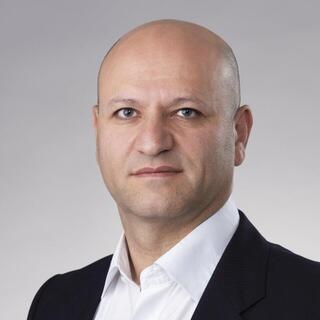
The frequent assassinations of senior Hamas terrorists over the past two years have reshaped the group’s leadership in Gaza, forcing both Hamas and Israel to adapt quickly to new figures at the top.
After the disappearance of Yahya and Mohammed Sinwar, Mohammed Deif and Ismail Haniyeh, Israel’s security establishment has turned its focus to Izz al-Din Haddad, who has led Hamas in Gaza since May following the killing of Mohammed Sinwar. Working closely with him is Raad Saad, known as Abu Muaz, one of the few surviving members of the terrorist “inner circle” that planned the Oct. 7, 2023 massacre.
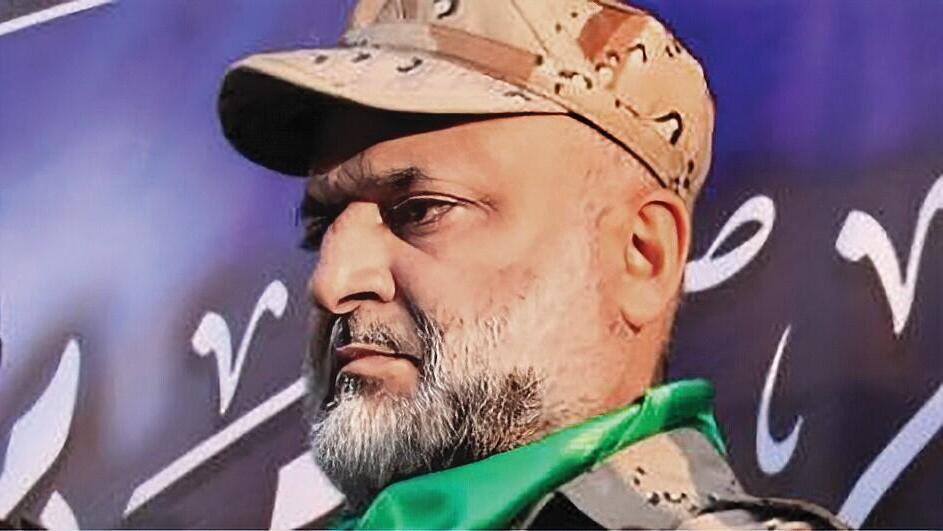
A veteran of Hamas’s terror network
Saad, 53, belongs to what Hamas insiders call the “2005 generation” — field commanders who emerged during the First Intifada, spent years in Israeli and Palestinian Authority prisons, and gained combat experience in the Second Intifada. They view themselves as the generation that pushed Israel out of the Gaza Strip 20 years ago, allowing Hamas to consolidate its rule and evolve from a guerrilla movement into a jihadist terrorist army devoted to attacking Israel.
In a 2013 speech marking one year since Operation Pillar of Defense, Saad outlined Hamas’s long-term goal: “Hamas is constantly improving its power and preparing for the next campaign against Israel,” he said.
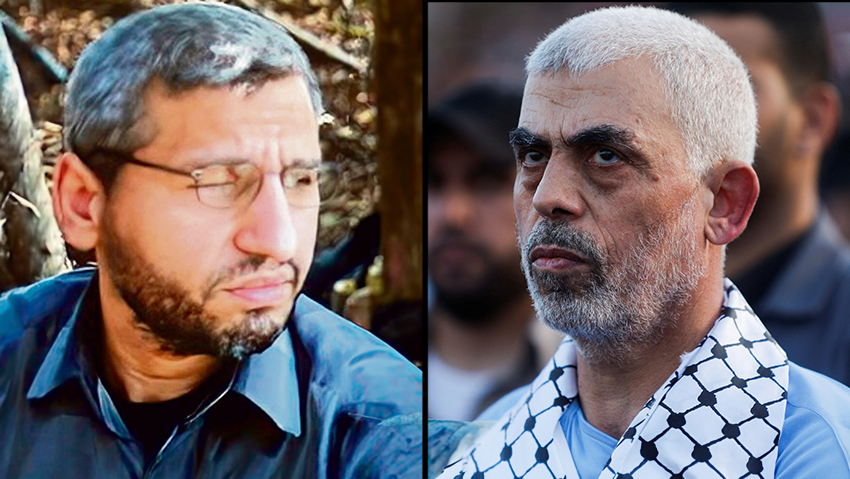
Mohammed Deif and Yahya Sinwar
(Photo: Mohammed Salem, Reuters)
Like the Sinwar brothers and Deif, Saad represents the dominance of Hamas’s terrorist wing over its political leadership. Figures such as Haniyeh and Khaled Mashal rose through diplomacy, but Saad and his associates have steered Hamas toward a more radical and violent path.
A 'sharp terrorist mind'
Israeli security officials describe Saad as one of Hamas’s most experienced and capable terrorist commanders. Appointed in 2005 as the group’s Gaza City brigade commander, he oversaw weapons manufacturing and the buildup of the rocket arsenal Hamas used before Oct. 7 — nearly all of which was later fired or destroyed in the war.
Saad also founded Hamas’s so-called “military academy” and helped develop its combat doctrine, including urban warfare, artillery tactics and the cross-border raids used in the Oct. 7 attack on Israeli civilians and communities.
Admired and controversial inside Hamas
Within Hamas, Saad is both admired and controversial. In the years before the war, he positioned himself as a rival to the Sinwar brothers. During Hamas’s 2021 elections for its Gaza political bureau, Saad tried to block Yahya Sinwar’s re-election by backing veteran leader Nizar Awadallah, who nearly defeated him. The contest required several rounds of voting, and some Hamas members claimed the results were manipulated.
“Saad was part of an opposition faction within Hamas that challenged Yahya Sinwar’s leadership,” said an Israeli security source. “He represented northern Gaza’s senior terrorists, who clashed with Sinwar’s southern bloc in Khan Younis. The disputes were political, not ideological. Saad questioned the consequences of the Oct. 7 operation during planning but did not oppose it in principle.”
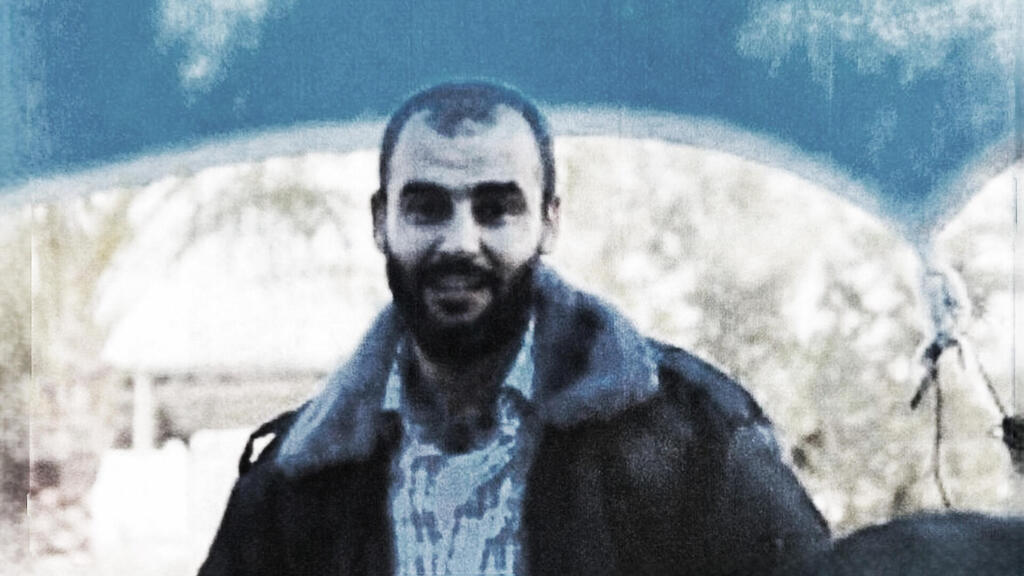
Mohammed Sinwar
A Western intelligence source familiar with Hamas said that after the 2021 war, known in Israel as Operation Guardian of the Walls, Hamas leadership criticized Saad’s performance. He was removed as head of operations and replaced by Mohammed Sinwar, deepening his personal feud with the Sinwar family.
From rival to chief of staff
Today, Saad serves as Hamas’s de facto terrorist chief of staff, working closely with Haddad. Both men are from Gaza City and have long operated as allies from the organization’s northern faction. Their rise marks the end of Hamas’s once-dominant southern faction, most of whose leaders have been killed.
“Saad plays a central role in shaping Hamas’s terrorist strategy, developing doctrines and adapting to battlefield conditions, particularly guerrilla warfare,” the Western source said. “He is also responsible for appointing and mentoring new brigade commanders to replace those eliminated.”
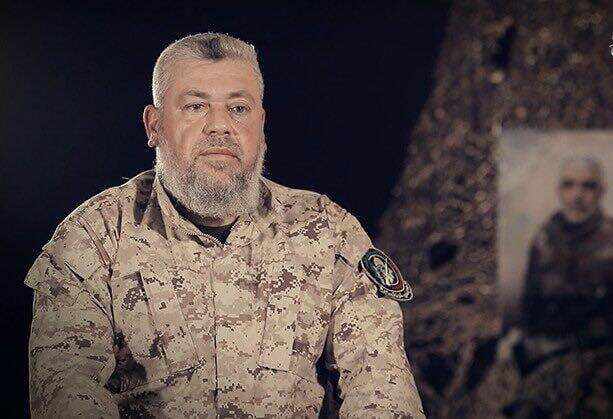
Izz al-Din Haddad
Saad comes from a refugee family originally from the village of Hamama near Ashkelon, destroyed in 1948 — the same origin as Awadallah’s family — while Haddad is from a local Gaza family in the Daraj-Tuffah neighborhood. In Gaza, the two are often compared to the “historic duo” of Yahya Sinwar and his deputy Rawhi Mushtaha, who was killed earlier this year.
Elusive target
Saad has repeatedly evaded Israeli attempts to kill or capture him. In March 2024, the Israel Defense Forces believed he had been caught in a raid on Gaza’s Shifa Hospital, but later confirmed he was not there. Three months later, he survived an Israeli airstrike on the Shati refugee camp.
Israel has placed an $800,000 bounty on his head — the same amount offered for Mohammed Sinwar and higher than that for Haddad or other Hamas terrorists. When Sinwar was killed, some expected Saad to succeed him, but Hamas reportedly chose Haddad, considered less confrontational, to preserve internal unity.
Shifting power and external influence
The current Hamas leadership in Gaza, dominated by terrorist operatives, has changed the organization’s decision-making process. Day-to-day military operations are directed by Haddad, with support from Saad and Mohammed Ouda, head of Hamas’s intelligence division. Strategic decisions are made by the group’s external leadership abroad, led by Khalil al-Hayya, a veteran Gaza terrorist now based in Doha. Al-Hayya was reportedly the target of an Israeli strike in Qatar last month.
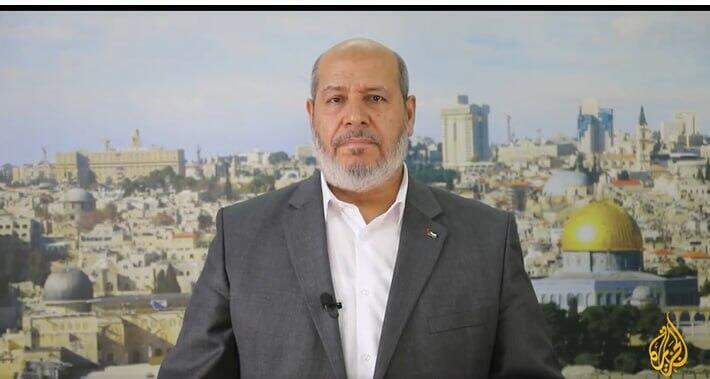
Khalil al-Hayya
If the U.S.-backed plan for a post-war arrangement in Gaza proceeds, both Haddad and Saad are expected to play key roles in shaping Hamas’s policy — assuming they survive Israeli operations and negotiations do not collapse into renewed fighting. Together with Hamas’s exiled Gaza leadership, they are expected to represent the Strip in future decision-making.
The two face major challenges as Hamas struggles to recover from devastating losses in its main power base, while the group’s West Bank and overseas branches gain influence.
Israeli security officials say the lesson from Yahya Sinwar’s case is clear: ideology drives Hamas’s terrorist leadership. “One should not assume that pressure, hardship or new responsibilities will cause ideological extremists like Sinwar — or like Saad and Haddad — to abandon their goals,” one official said. “Israel must remain vigilant and ready to act if and when Hamas violates any future agreements — a scenario considered highly likely.”