


In September 2023, Avi Zakuto fulfilled a long-held dream by moving into a home of his own in the southern city of Ofakim—a new apartment, a new beginning, close to his workplace. Everything seemed to suggest that something good was finally beginning. Then came October 7.
“It was my father’s first Shabbat in the apartment,” says Adi Zakuto, Avi’s 26-year-old daughter, a medical student from Be'er Sheva. “My parents divorced when I was a child. The divorce was complicated, and my father was always looking for a place that would be his own home, without depending on a partner.
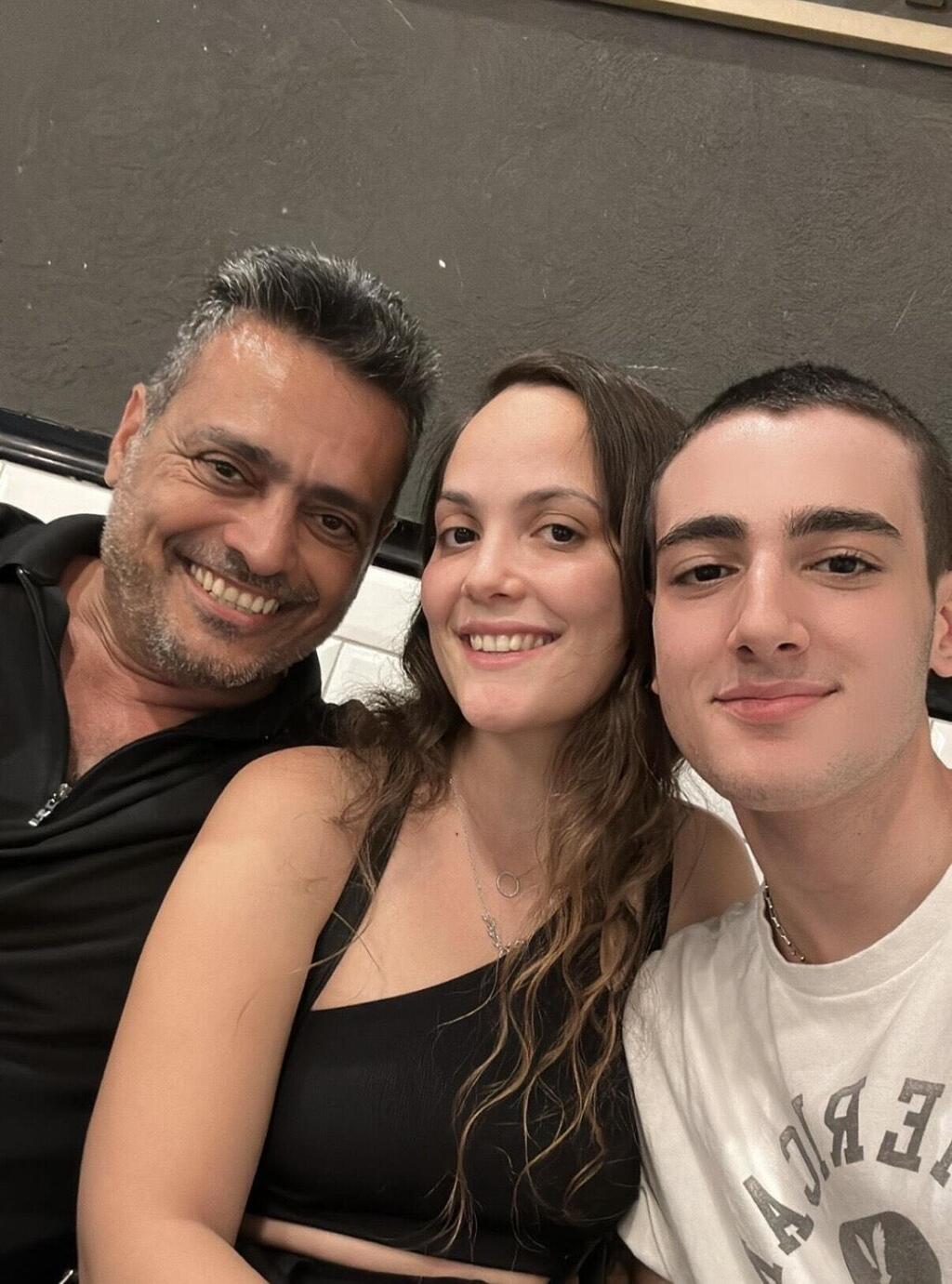
"He had managed a Shufersal supermarket branch in Ofakim for three years and had just gotten out of a relationship. We found this apartment and prepared for it together. I remember signing the agreement, keeping lists on WhatsApp and shopping for things he needed. Finally, things were starting to fall into place.”
"We were supposed to meet that Shabbat. We had a tradition, me, my father and my brother,” she says. “We would meet on Shabbat mornings, have breakfast together, then watch some terrible movie my brother chose and laugh at his choice. We had our routines, and as my father used to say, ‘You don’t replace a winning horse.’"
The Shabbat of October 7 was not supposed to be any different, but the morning began in an entirely different way. “I was home in Be'er Sheva with only my brother. My partner had gone to visit his family. We all woke up to sirens. We spoke to my father, and of course, he joked and said, ‘Well, all these sirens must be because of me. I’m an important person,'” she recalls. “We tried to figure out what was happening.
"At 7:05 a.m., as the sirens continued blaring, my grandmother called and said she had been trying to reach my father for three minutes with no answer. From that moment, the calls never stopped. I kept dialing, but he didn’t pick up. By the end of the day, I had called my father more than 300 times."
Did you already suspect something had happened?
“It just didn’t make sense, because my father was the most responsible person on earth. I thought, OK, maybe he went to the neighbors’ safe room, but that also didn’t add up, because he knew everyone’s phone numbers and would call to update us. He would not let us worry.
"Until after 10 a.m., I kept convincing myself he was asleep, and tried to carry on as usual without panicking. There was no information coming out of Ofakim either. I was on Telegram, watching videos from that day, trying to figure out what was happening to him, but no one knew anything about Ofakim. It wasn’t until 4 p.m. that TV first reported on events in Ofakim, during coverage of the hostages at Rachel’s house."
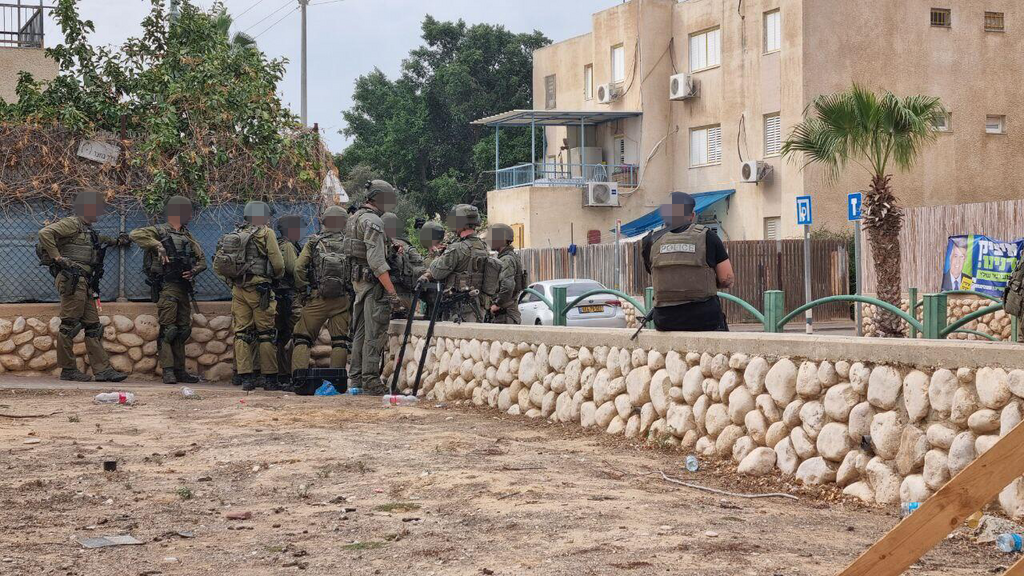
Security forces in Ofakim on October 7
When did you first realize he might be in danger?
“We made dozens of calls until around 11:30 a.m. I got the phone numbers of all his employees and spoke with them. Everyone told me they didn't know what was happening. I reached his landlady, who lived near him. She was alone at home with two small girls, and no one agreed to go outside.
"Everyone said they didn’t know what had happened to my father. We called the municipality, and first they told us there were no terrorists, then that there were. We kept hearing conflicting things. We called for an ambulance and the police at least 20 times. No one came."
In retrospect, Avi Zakuto was the second person murdered in Ofakim, already in the early morning hours. His family was still waiting for a phone call, still trying to calm itself, while the truth was already circulating outside. No one wanted to be the bearer of the terrible news. He was 53 when he was killed.
“The photo of his body was already spreading on WhatsApp at around 8 a.m.,” Zakuto says. “Everyone I spoke to knew except us. Honestly, I don’t blame them. It was not their job to tell me my father had been murdered. Later, when I went through my father’s WhatsApp, I saw city and work groups where everyone already knew and were discussing how to break the news to me.
“Honestly, I’ll say something that may sound awful, but nothing made sense to me that day. Something in me knew from the first moment that something was wrong, and still, I had a few hours of grace when I believed something might still change and my father might still be alive. So I’m also glad they didn’t tell me.”
A family waiting for news
At the same time, an entire country was gripped by uncertainty and fear. Thousands of families found themselves trying to understand where their loved ones were, without knowing whether the question itself was already too late. Zakuto was there too, inside that chaos, in the same directionless search. Only late that night did the news she feared finally arrive.
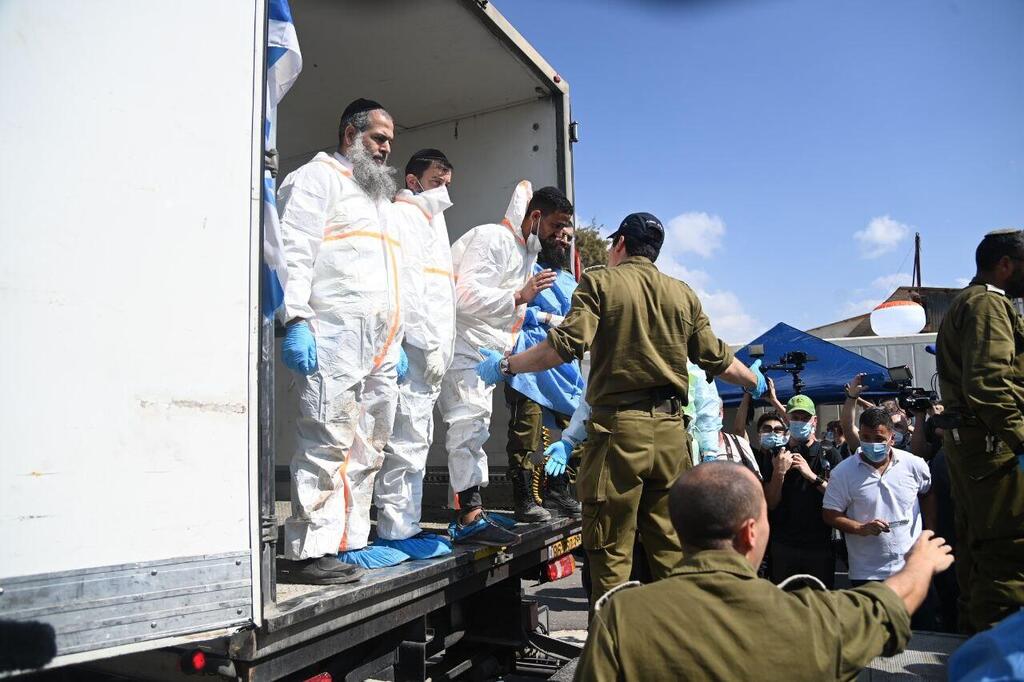
The Shura body identification center in Ramle after the October 7 massacre
(Photo: Yair Sagi)
“In the afternoon, I received a message from a social worker who understood that we were looking for my father. I didn’t connect the dots, of course. She said she would update me. At some point I posted a missing person notice. I didn’t feel comfortable doing it because I saw everything happening in the kibbutzim and at the Nova party, and still, I didn’t know it had anything to do with Ofakim.
"Then, toward evening, I had a really bad feeling. I insisted that my grandfather come get my brother and me and take us to his and my grandmother’s house. In retrospect, it was the smartest thing we did, because the social workers came to my apartment to deliver the news to my brother and me privately.
“At about five minutes to midnight, we heard the doorbell. I remember they told us in these exact words: ‘Your father was murdered by terrorists. An identification was made in the field. We don’t know where he is now.’”
From that moment, she says, everything is blurred. “I don’t remember much, mainly all of us falling apart. I remember receiving dozens of calls from Israeli numbers, and when I answered, they shouted ‘Allahu Akbar’ at me, because my number was attached to the missing person notice. Their timing was interesting, as they did it only after we had been notified, not before.
"Then I got a WhatsApp message. Someone wrote to me, ‘I know where your father is.’ I told him, ‘Please tell me everything you know.’ He wrote that he was in Gaza and then sent a picture of a dog’s body.
“For two days after that, we looked for him everywhere. We called every possible hospital and did not stop. I remember when we arrived at the Shura base for the first time, they would not let us in. There were so many families there simply screaming at the soldiers: ‘Let us look for them.’ It was awful.
"Then on Monday night, they called and told us, ‘We found your father. You can receive the body tomorrow.’ The funeral was on October 10. I designed his tombstone in the shape of the Sea of Galilee because it was his favorite place. We wanted to bury him there, but it didn’t work out, so we brought the Sea of Galilee to him. He is buried in Be'er Sheva.”
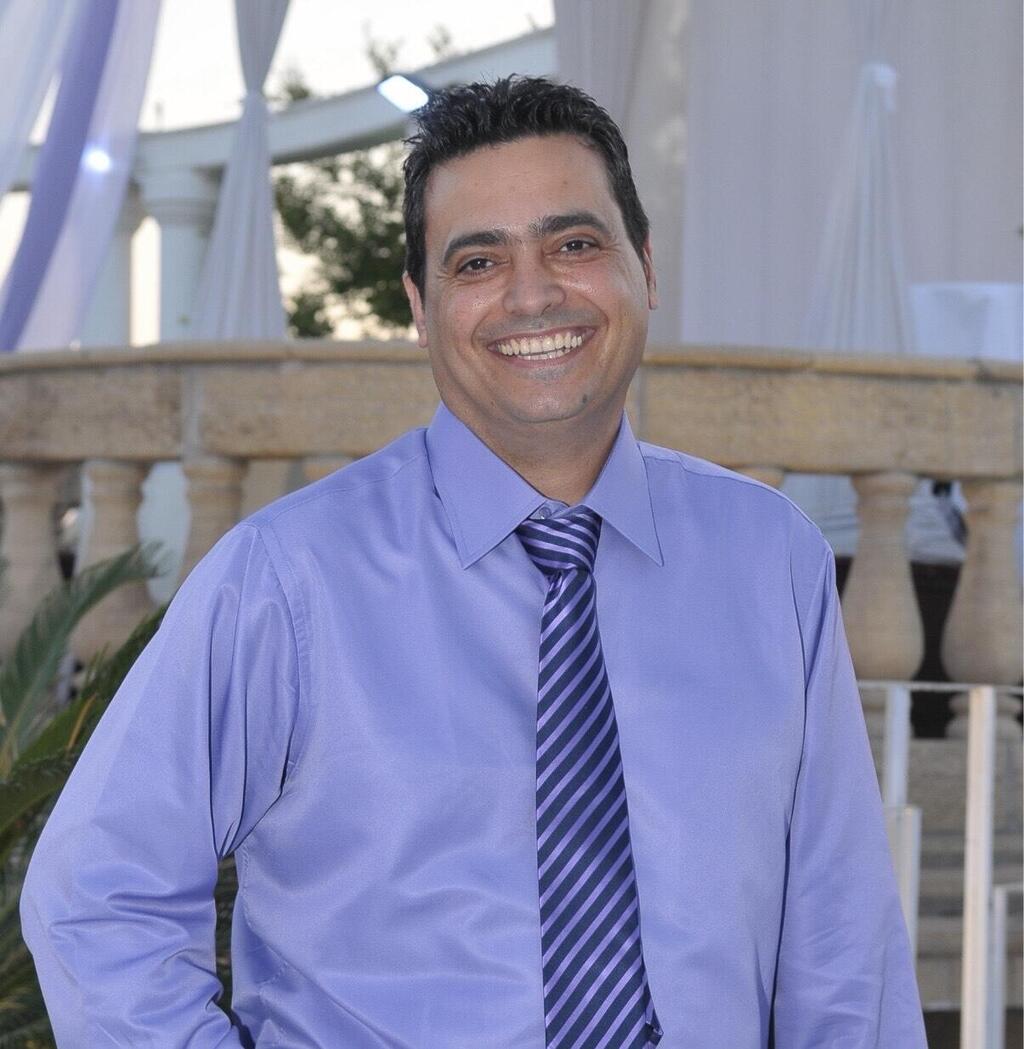
The late Avi Zakuto. He left to help others as early as 7 a.m.
Even now, she still cannot say exactly what happened in the minutes after her father stepped outside his home. “There are conflicting accounts between a security camera and the military investigation we received. It was not a military incident, and the army was not obligated to investigate it, but they did it simply to give the families a little certainty,” she says.
“I know he was murdered around 7:09 a.m. He went out wearing flip-flops, Bermuda shorts and a white tank top. The last two messages he sent were to his employees. He wrote that he was going out to bring everyone who did not have a safe room to his apartment. One employee wrote to him, ‘They ruined Simchat Torah for us,’ and he replied, ‘Nothing will ruin Simchat Torah.’ That was the last message he ever sent.”
She continues: “His car was parked right by the entrance gate. He could not see the road because scaffolding was blocking the view, and it turned out the terrorists had parked right outside his home. Fifteen terrorists decided to stop there and unload their weapons. He took a few steps, and that was it. There is a video in which you can see him exchanging looks, looking somewhere, and then after a few seconds, he simply falls.
"I don’t know how many bullets they fired at him, or where they even shot him. All I can picture is him trying to make it back home and not making it. That image still comes back to me many times. I try to convince myself that even though he was alone, he still felt loved and appreciated.”
A father before everything
Avi Zakuto was born in 1970 in Istanbul, Turkey, and immigrated to Israel with his parents as a baby. He grew up in Be'er Sheva, studied at Makif Daled High School and enlisted in the IDF, where he served as an instructor at Training Base 7. Throughout his life, he was responsible, deeply present and unwavering, someone who never looked for shortcuts or gave up on himself or the people around him
He passed that same sense of action and commitment on to his children: Adi, who is now studying medicine, and her younger brother, Liad, 20, who serves in the IDF as a military paramedic. Both chose paths of care, service and being there when needed.
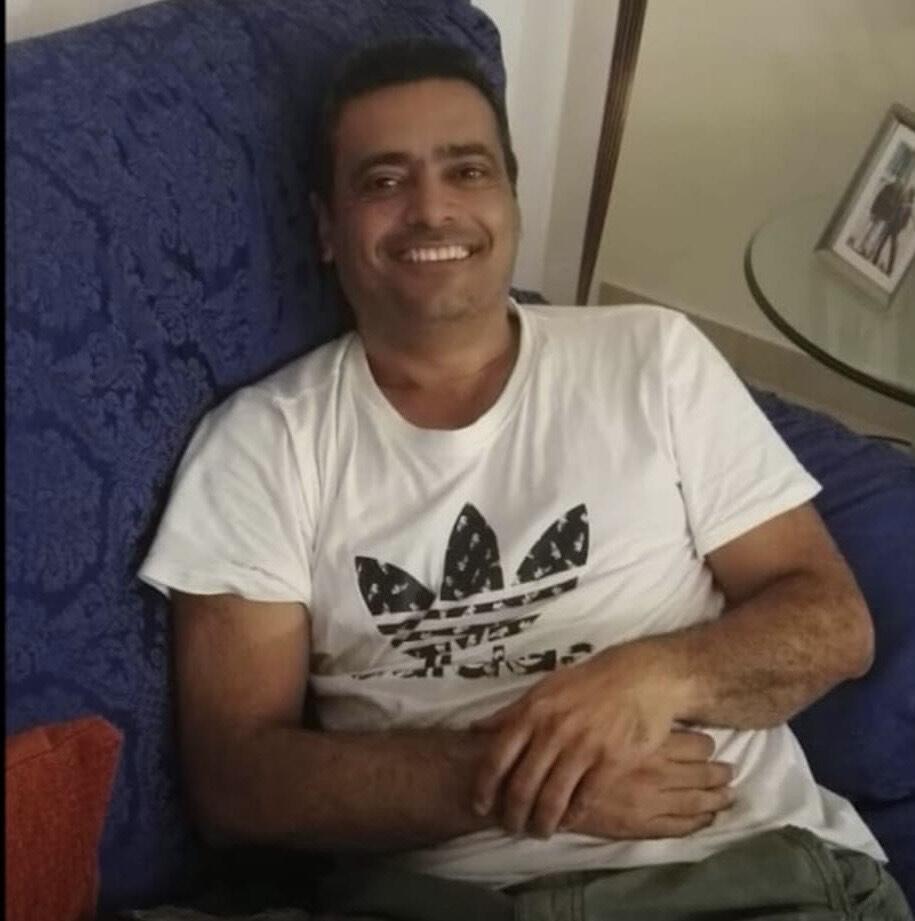
The terrorists parked near his home. Avi Zakuto z"l
“My father was my hero since childhood. He was the most full-of-life person I ever met. There was not a single time he entered a room without a huge smile from ear to ear. No matter what happened, he always spread goodness. He would call himself ‘beautiful, smart and modest Avi,’” she says.
“I know people say this about everyone, but it really was the thing that defined him most. He had a simply mesmerizing smile, and he demanded smiles back from people. He was my brother’s and my biggest fan. He always spoke about us with pride.”
When she was 13, her parents began separating, and young Adi had to cope with a new reality. “It was a pretty ugly divorce,” she says. “I was very involved in it, and at some point I distanced myself because I couldn’t handle it anymore. We were not in touch for a while. In retrospect, that was the turning point in our relationship.
"My father really fought for me. He said that no matter what, he would always be there for me. We worked very hard on our relationship. We did not take it for granted. We had all kinds of small routines: We would meet twice a week and go to the same restaurant, eat the same food and talk about things. We decided we would not talk about the divorce until we were ready. In recent years, we did everything together.”
At the same time, the dream of becoming a doctor had always been present in her life. From a young age, she was a Magen David Adom girl, spending her days on shifts, early preparation for the profession she had chosen as a child.
“I was an instructor my whole life. After the divorce, my father decided to sign up for a medic course, which I ended up teaching,” she says with a smile. “He was one of those annoying trainees who always sit and play on their phones, but he also learned. We did several shifts together, and I still have those photos.
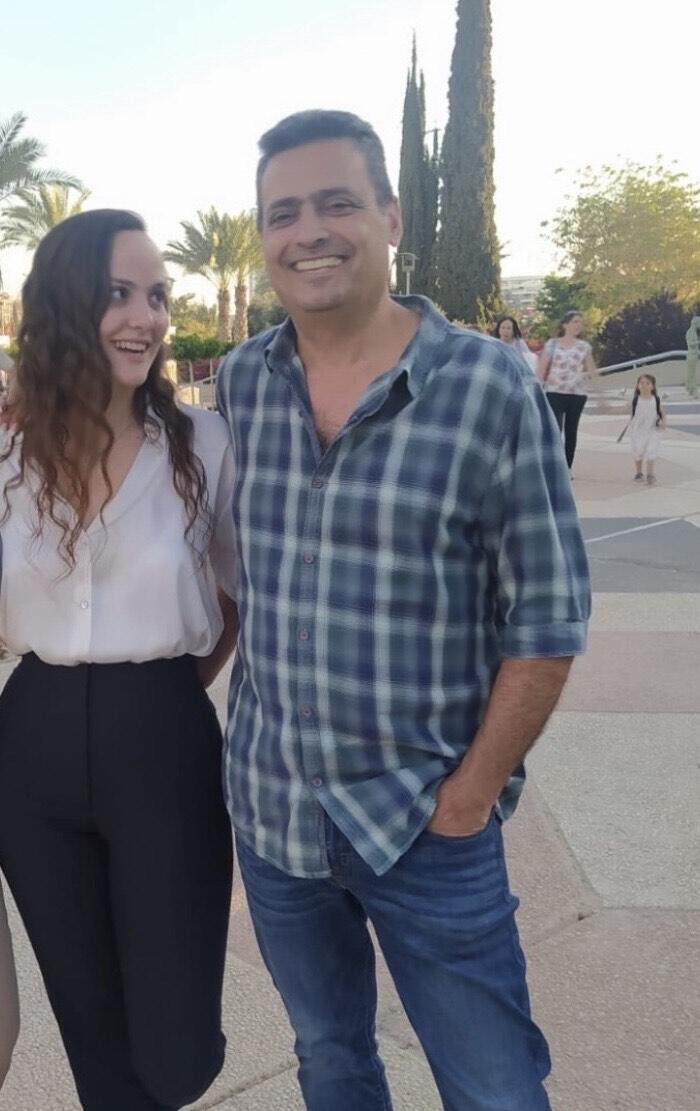
Avi Zakuto and his daughter Adi. Shared a close father-daughter bond
"My brother Liad is a military paramedic. He always laughed at me and said he would never become a doctor, but he made his own magical journey. On October 7, he was already in the middle of his paramedic course. Today, he is a military paramedic in the West Bank.”
In October 2023, Adi was supposed to begin her third year of medical school. Despite the tragedy that struck her, she had no doubts. “My father always pushed me toward it and told me not to give up, so I knew leaving my studies was not an option. I felt it would keep me mentally sane and that I was doing it for him. I am now in my fifth year. I’m still not sure what I want to specialize in.”
After burying her father and sitting shiva, she found herself unable to stay still. “I went into a kind of mission mode,” she says. “I felt I had to get out of the house. Everything that happened was much bigger than me, and I could not deal with only my personal grief. I also knew my father was among the first people who would have jumped up and done everything for everyone.”
The day after shiva ended, she went to Soroka Medical Center. There, she met a doctor who had decided to establish a small civilian operations room and invited her to join. “My role was simple: to call every wounded person who arrived at the hospital on October 7, ask how they were and whether they needed anything,” she says. “That is what I did for three weeks. I called wounded people from the Gaza border communities, from the party, soldiers, and families. More than 700 wounded people. I remember one call with the Cunio family, which I will never forget.”
Only later, almost by chance, was she exposed to testimony about her father’s death. “My aunt received a message about a lawsuit people wanted to file in The Hague. I said to myself: OK, let’s do it. Not because I believed it would really change anything, but because The Hague has influence, and maybe if something was said there, it could push things forward.
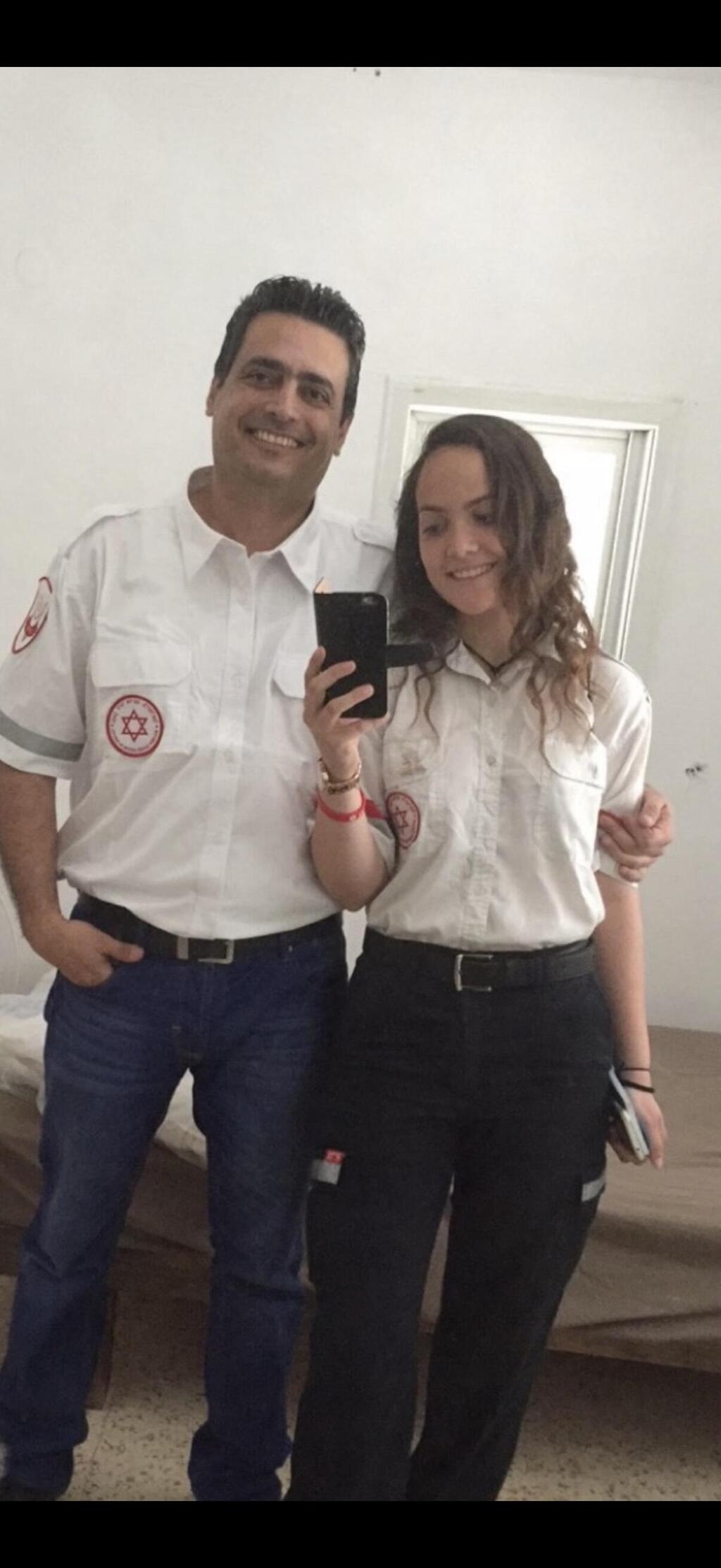
Avi Zakuto with his daughter Adi during their time as medics
"That was actually the first time I was exposed to testimony about my father. At first, I refused to see the pictures, because I knew my father was too proud to want us to remember him that way. I remember speaking in The Hague about him. I showed a picture of him smiling next to a picture of his body. It was a meaningful conversation.
“My name was published on Ynet. A bereaved father named Itzik Shafir reached out to me, and through him I became part of the community of bereaved families from the parties. Until then, I didn’t really know other bereaved families. We were part of the bereaved community in Ofakim, but I didn’t truly know them.
"I was among those who helped found an organization then called “Pirhei Hamesibot” (Flowers of the Parties), where we worked on a range of issues, including rights, commemoration and the push for a commission of inquiry.”
Making him present, not memorializing him
But none of that replaced her private grief. On the contrary. Alongside it all, Adi searched for another way to be with her father. Not to memorialize him, she says, but to make him present in her life.
“I never say that we are memorializing my father. The Hebrew word for eternity carries a very big meaning,” she explains. “Eternity is time, and right now I need my father here. So we are making him present. We continue to be a family. We continue doing things as a family.
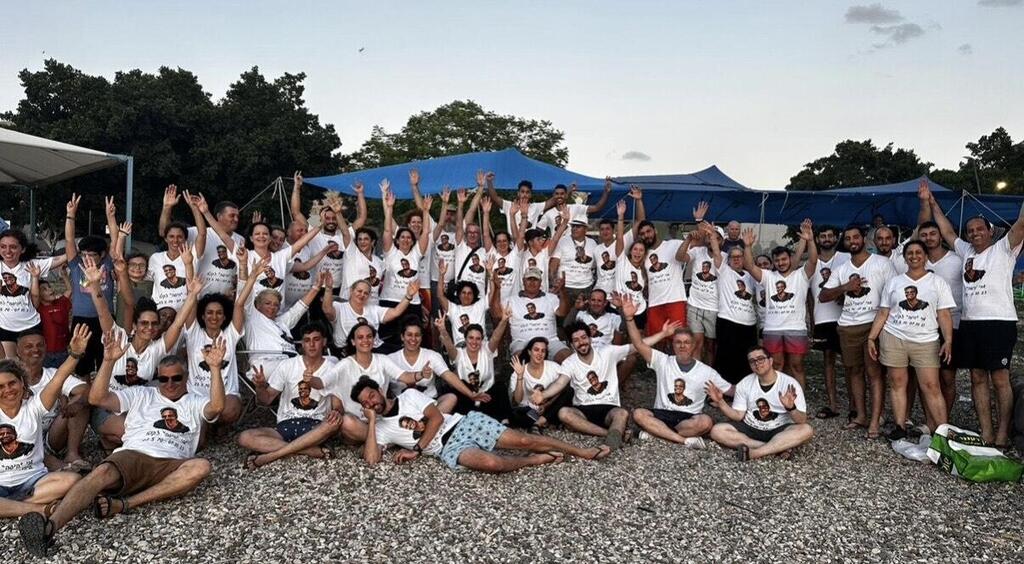
Celebrating the life he lived, Avi’s birthday gathering at the Sea of Galilee
"My father loved the Sea of Galilee in an almost ritual way. For 14 years, we would set up a lakeside hangout in the exact same place, several times a year, especially on his birthday. That was always my job. I would ask him what he wanted for his birthday, and he would answer: Organize a hangout with everyone. My brother Liad would arrive as early as Thursday morning, sometimes alone, and set everything up. Then all of us would join.”
For the past two years, they have continued going there around his birthday. “We invite all the people he loved, everyone he always wanted to invite. We planted a tree in his memory right in our regular spot at Susita Beach. The beach workers water that tree every day and take care of it. We stay there for three days, playing, talking, laughing. We celebrate the life he had in the happiest way possible.”
She adds: “I got married in a synagogue established in memory of those murdered. Instead of my father walking me to the chuppah, his name was on the wall among those of the victims. It was a very hard moment, but also a very connecting one.
"We donated his books to Assuta Medical Center in Be'er Sheva. It felt right that his books should not stay packed away in boxes, but continue passing from hand to hand and reaching other people. My father was a giving person, and it felt fitting that his books would carry that spirit forward. It makes us feel he is still with us.”
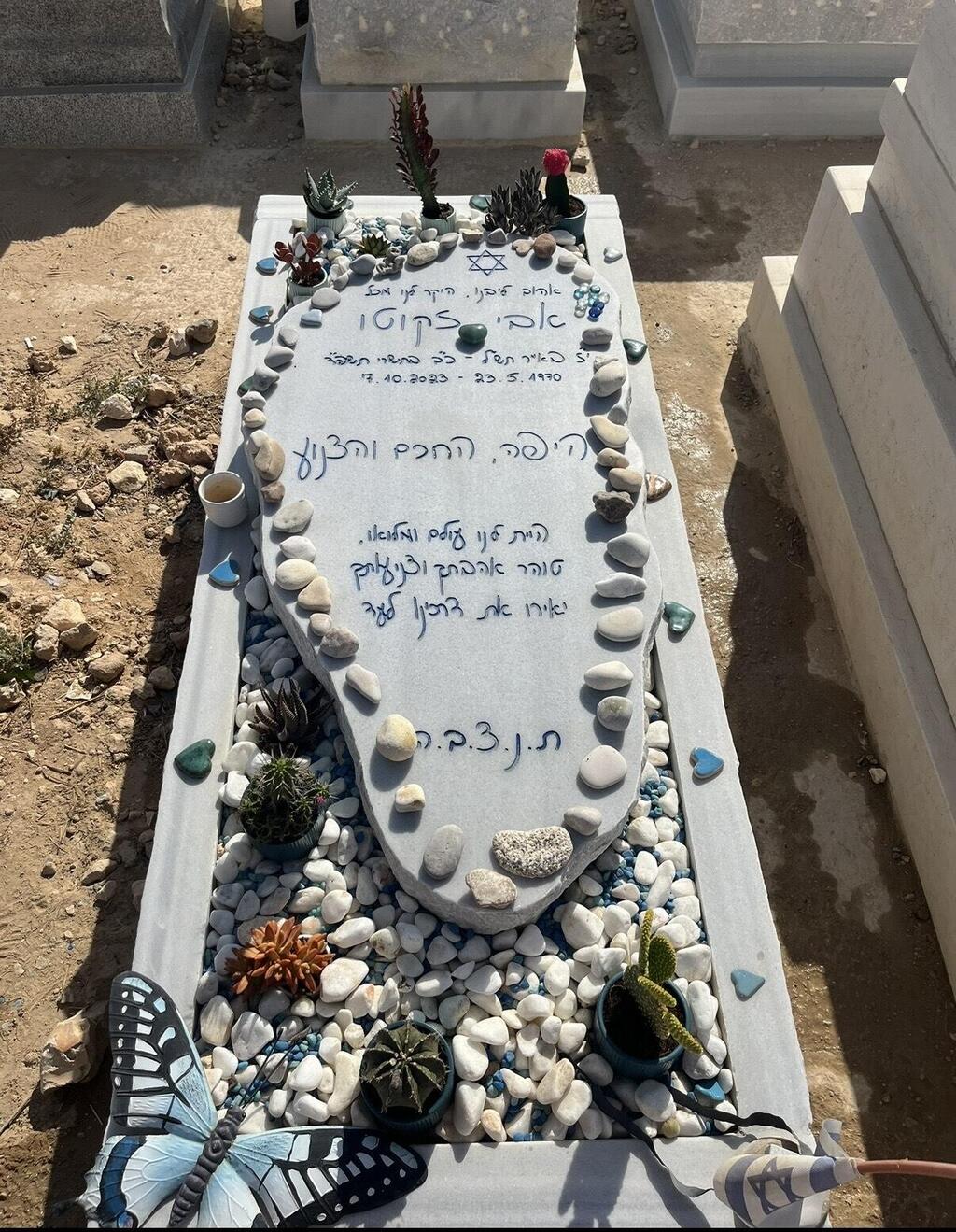
But alongside the commemoration and the attempt to keep her father present in life itself, she refuses to give up on the questions still hanging in the air. They are questions many victims of October 7 have carried since that morning, without receiving answers.
Today, she is active in the October Council, an organization of bereaved families, captivity survivors and survivors of the attacks that is working to establish a state commission of inquiry.
“We are almost two and a half years later,” she says. “There are many families, including mine, who still don’t have answers about why this failure happened, how terrorists reached Ofakim or how it was even possible. My family, like hundreds of other families, and I, deserve the truth. We deserve to understand how the greatest failure in the country’s history happened."
“After the Yom Kippur War, people said ‘never again.’ They said we would learn that lessons would be drawn. And now, 50 years later, something much worse happens. We, and our country, deserve to know what happened, why it happened and what did not work. We will not rest until a state commission of inquiry is established, with personal conclusions, to truly explain what happened that day and what led up to it,” she says.