

Until his final day, the late Prime Minister Yitzhak Rabin was haunted by the unsolved mystery of missing navigator Ron Arad. Few know of Rabin’s secret missions across the world to trace Arad’s fate, even while serving as prime minister.
His deep sorrow over the missed window of opportunity in the late 1980s, coupled with the quiet humility that marked the Six-Day War chief of staff, was etched in his face at every painful meeting with Arad’s family—especially with his late mother, Batya.
Throughout generations, Israeli governments have taken full responsibility for prisoners of war and the missing (POWs and MIAs). Some succeeded more, some less—but as lyricist Telma Aligon-Roz wrote: “Our missing sons were never abandoned to strangers.”
Both Yitzhak Shamir and Peres in the Jibril deal; Ariel Sharon in the Tannenbaum exchange; Ehud Olmert, who brought home Goldwasser and Regev; and Benjamin Netanyahu in the Shalit deal. The price of bringing them back was always high, yet the ethos remained firm: no one left behind, every narrow window of opportunity seized.
In that sense, the return of hostages—both living and fallen—from Hamas captivity is unprecedented. Through creativity never before seen here, the U.S. president forged something from nothing—a corridor toward a partial agreement beginning with the hostages’ release. Presidnet Donald Trump, in effect, imposed—even if temporarily—a negotiated reality that the hawks had long avoided over the past two years.
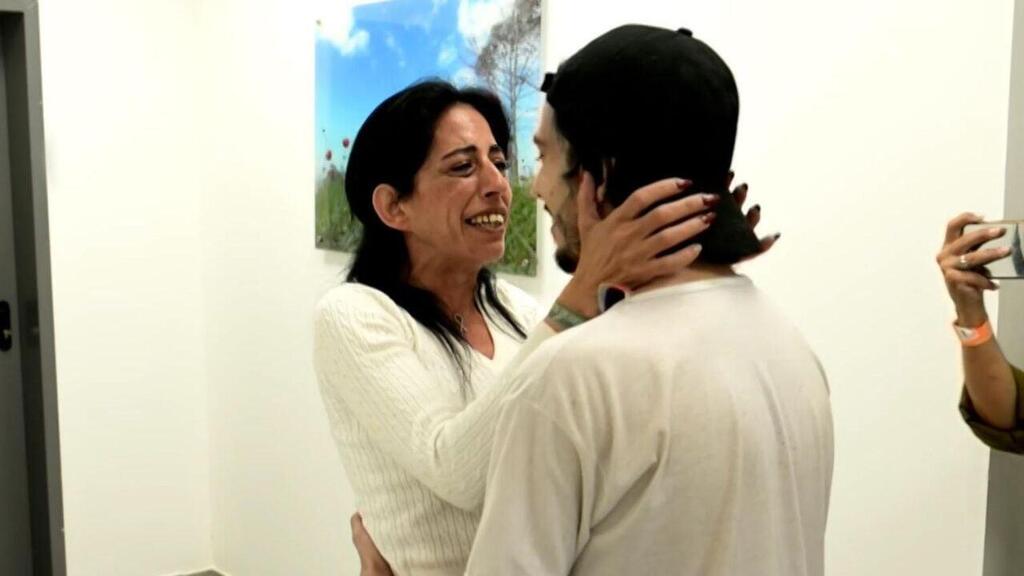
However winding the road, the outcome speaks for itself: the living hostages are home, though troubling questions still linger over the fallen.

Avinatan Or and Noa Argamani, Matan Angerst, Elkana Bohbot
(Photos: IDF Spokesperson's Unit )
The U.S. president’s unique diplomacy will one day be studied in schools of government and negotiation worldwide. The political indifference shown by some public figures to the hostages and their families will also demand reckoning. And the complexity of this negotiation—perhaps the most grueling, tense and morally fraught ever conducted—will surely inspire countless documentaries.
Yet what cannot be taught in any classroom is the courage of the hostage families, the relentless activism of the Hostage Families Headquarters, the unity of the Israeli people, and the spirit that drove IDF soldiers and commanders to bring home those dearest to us from the depths of darkness.
After such a time of rifts and internal strain, the eruption of solidarity since October 7—especially in places where the state itself had faltered—reached its peak in the unceasing focus on the hostages. This, above all, is our greatest value as Jews and Israelis. It is what sets us apart from other nations: our collective strength, the flame that reignites our identity time and again.
The return of the hostages is the fulfillment of the Zionist vision and the embodiment of mutual responsibility deeply ingrained in our people. After two harrowing years and as the High Holidays fade, it feels like a moment of closure: we were like dreamers.
It can be said, perhaps boldly, that the Gaza hostage crisis became a generational test for a changing Israel. Despite dangerous impulses that stray from the founding principles of the Jewish state and from those seated at the decision-making table, the liberal, humane and Zionist spirit—rooted in the Declaration of Independence—prevailed.

Some 120,000 people rally in Tel Aviv in support of the hostages
(Photo: Ray Ask)
The hostages’ return, at least partially, halts the rise of a messianic, ultra-nationalist fervor that threatens the very foundations of Zionism—a path that would lead to the destruction of a third house.
We have no more homes to lose—and no more hostages to leave behind. This is Israel’s finest hour. In the words of Hebrew language poet Leah Goldberg: “And it is permitted—permitted to love.” And yes, also to weep at the sight of their return from the enemy’s hands. Emotion conquers the darkness. Light triumphs over shadow. The Jewish soul stirs once more.
Avi Kalo has served as the commander of the IDF hostage affairs unit and was a member at Israel’s national Negotiating team for MIAs