


The critical words absent from government officials’ statements following last week’s collapse of hostage deal negotiations were “we failed.” Hamas bears blame, international opposition persists and ultimatums might help, but these are mere excuses.
In reality, Israel’s government pursued a partial hostage release deal for six months and failed to secure an agreement. This is not just a failure—it’s a resounding one. Numerous experts, including myself, warned from the start that the deal’s prospects were slim, as it contradicted Hamas’ core interest in ending the Gaza war while reducing its key leverage—the hostages.
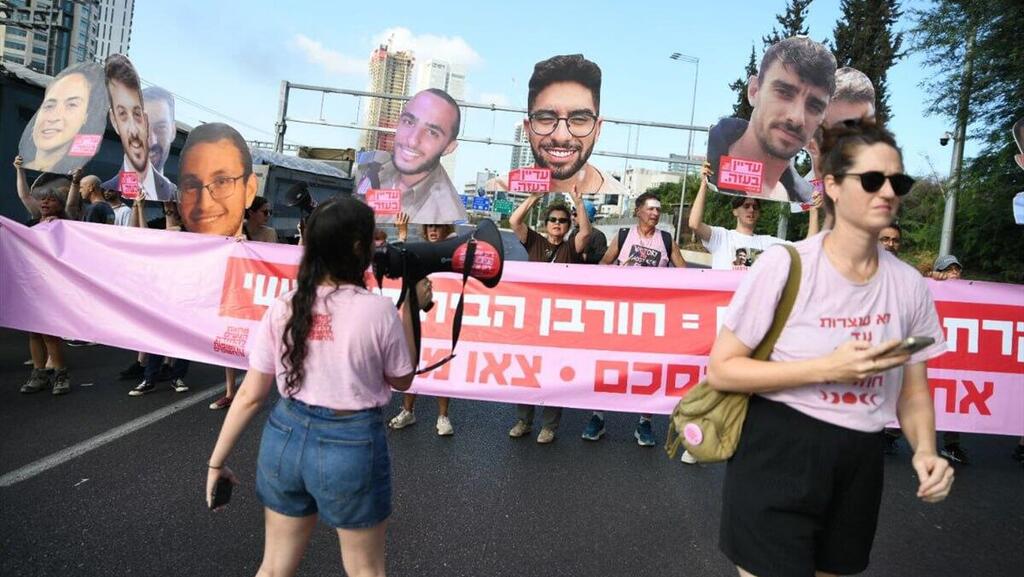
Even if implemented, the deal was deeply flawed due to its shocking selection of which hostages to free and the opportunity it gave Hamas to regroup during a ceasefire while negotiating the war’s end. “We paid heavy prices, but we failed,” I observed.
Despite these warnings, the government persisted for half a year, at a steep cost: the deteriorating health of hostages, as seen in harrowing videos of Evyatar David and Rom Braslavski, the loss of soldiers’ lives and severe damage to Israel’s global standing.
The effort may have come close to a deal, but the bottom line is clear: it collapsed. Senior diplomatic sources now admit the chances of reviving this partial deal are negligible. “The partial deal is effectively dead,” they confirm.
The long-overdue solution is a genuine negotiation for a comprehensive agreement to free all hostages and end the war. Polls consistently show strong public support for this approach.
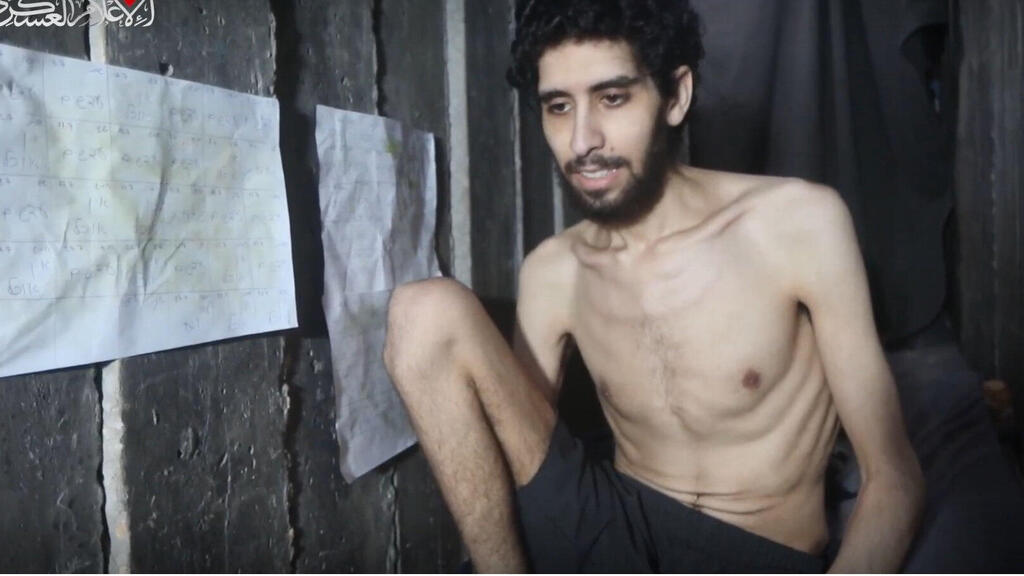
Hostage Evyatar David as seen in Hamas video
Yet, the government’s refusal to pursue it stems from a harsh truth: such a deal, with its painful compromises, would likely topple the coalition and trigger early elections, as coalition leaders repeatedly stress. The government prioritizes its political survival above all else. “This government’s focus on its own survival blocks a comprehensive deal,” I noted.
Get the Ynetnews app on your smartphone: Google Play: https://bit.ly/4eJ37pE | Apple App Store: https://bit.ly/3ZL7iNv
Threats to take over Gaza and defeat Hamas are unrealistic. No army or chief of staff would endorse actions that certainly endanger the hostages’ lives, a reality Hamas has grasped after nearly two years. These declarations only inflict unnecessary pain on hostages’ families.
A cold, professional analysis yields a painful conclusion: as long as this government remains in power, unchanged in its approach, no comprehensive deal will emerge and the hostages will not return. The opposition, public and media must face this reality. “Without a dramatic shift, the hostages won’t come home,” I stressed.
Is there any recourse beyond hoping for intervention from the U.S. President Donald Trump or his envoy, Steve Witkoff? The answer lies not in negotiation tactics but in the public-political sphere, outside my expertise.
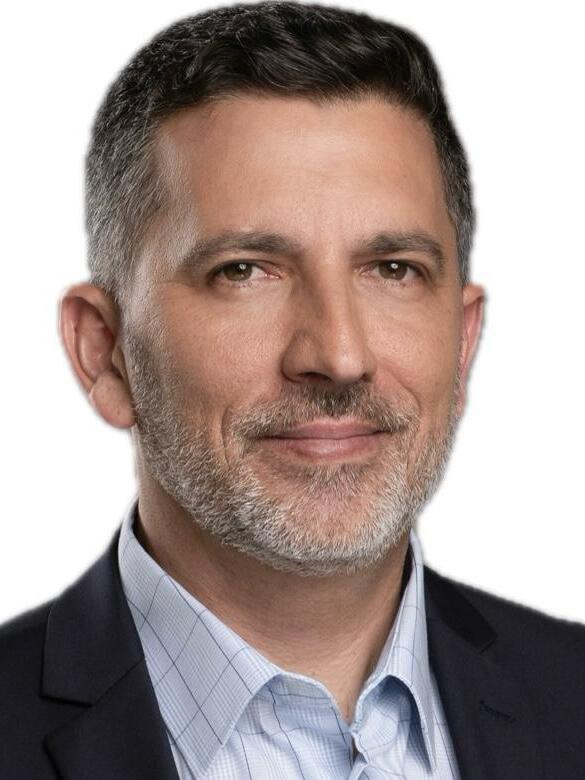 Oren SetterPhoto: Or Pravozik
However, it’s clear the opposition leadership is failing to meet the moment’s urgency. A stark gap exists between the high public support for a deal in polls and the low turnout at protests. The key to change lies in an immediate, dramatic shift in the opposition’s approach, alongside robust public action.
Brig. Gen. (res.) Dr. Oren Setter is a former head of the IDF’s Strategic Planning Division and a senior negotiation team member.