

Shocking new videos released by Hamas and Islamic Jihad showing Israeli hostages Evyatar David and Rom Braslavski in frail and emaciated condition have sparked outrage in Israel — but drawn limited coverage from major international media outlets.
The footage, released over the weekend, shows 24-year-old David, held in captivity for 666 days, in a tunnel holding a shovel and digging what he says is his own grave. In a separate video, Braslavski appears gaunt and weak, speaking to the camera in dimly lit surroundings.
Evyatar David


The videos were condemned by the Israeli government and the hostages’ families as psychological warfare and evidence of what they describe as deliberate starvation and torture. Former hostage Tal Shoham, who was held with David, said their captors had ample food, air conditioning and television, while depriving the hostages of basic nutrition.
Despite the disturbing nature of the footage, some of the world’s leading media organizations gave the story little prominence.
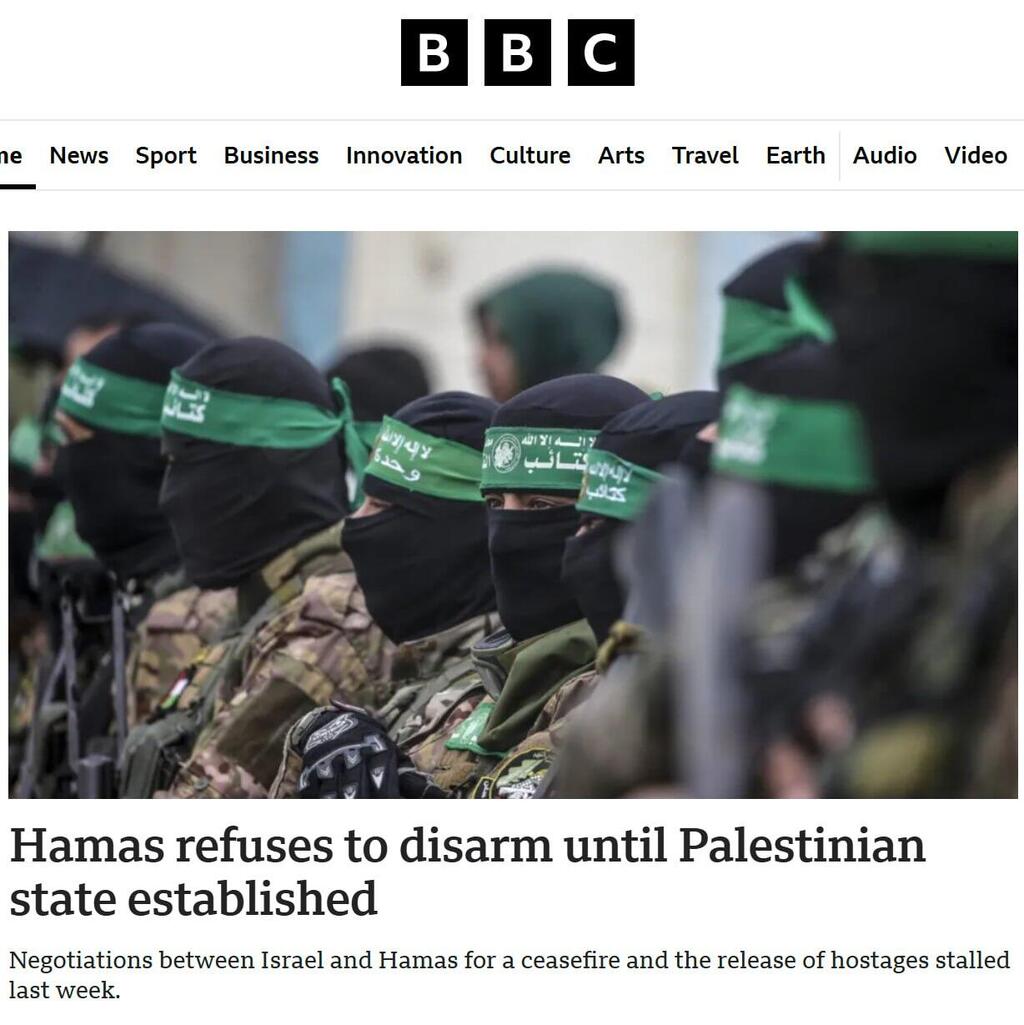
On Saturday night, the BBC led with a report on Hamas’ refusal to disarm until the establishment of a Palestinian state. The broadcaster mentioned the hostage video only briefly, focusing more on the family’s condemnation than the content of the video itself.
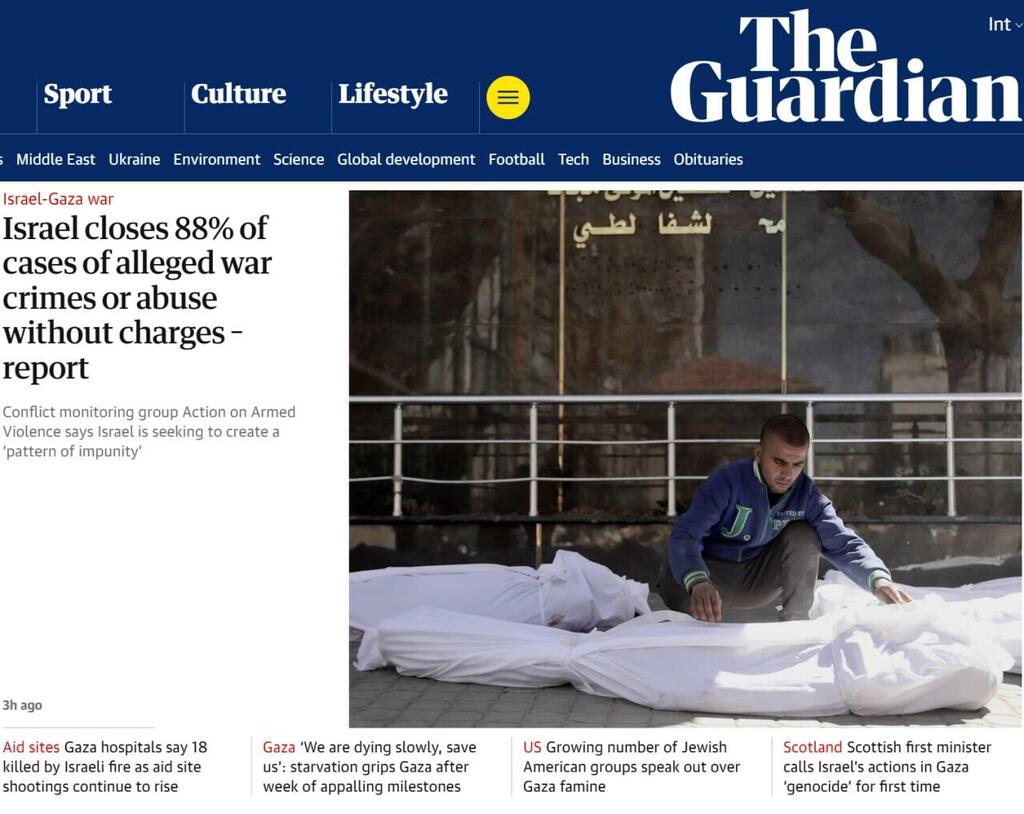
The Guardian highlighted claims of Israeli war crimes in Gaza, while its homepage omitted any reference to the videos. Instead, it featured reports on alleged hunger among Palestinians and the deaths of 18 people reportedly shot by Israeli forces while trying to access food.
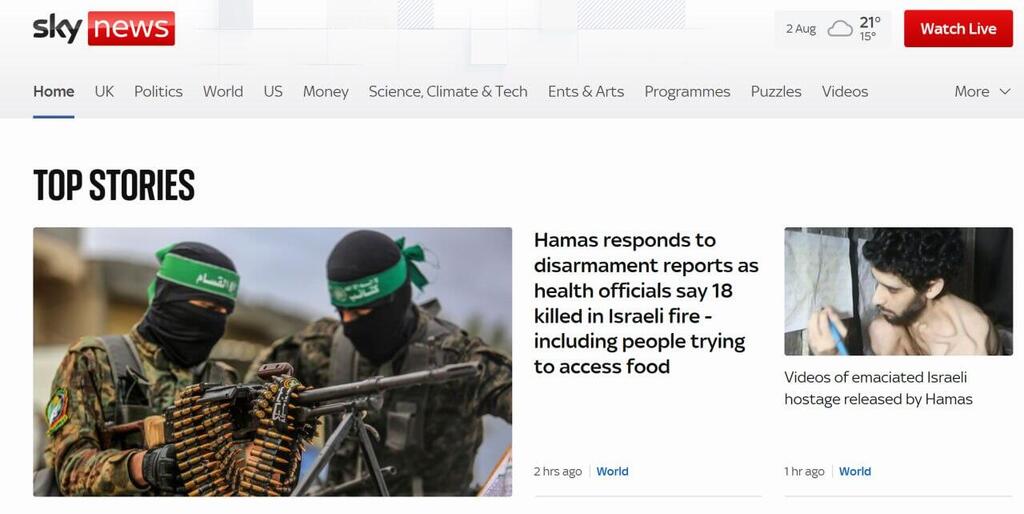
Sky News also focused on the Gaza deaths, making them the site’s lead story. A side image showed David from one of the videos, but the report did not lead with his case.
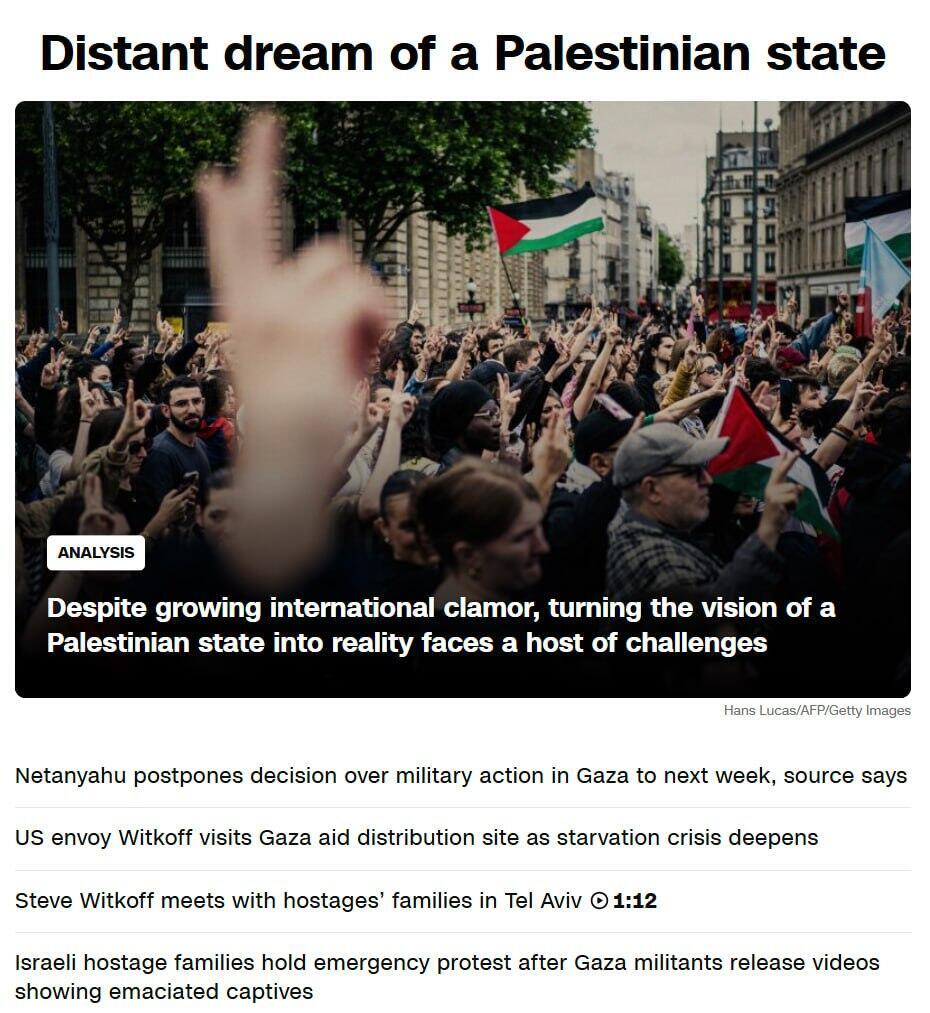
CNN’s top headline focused on political discussions around Palestinian statehood. Lower on the site appeared an article titled, “Israeli hostage families hold emergency protest after Gaza gunmen release videos showing skeletal captives.” The network described Hamas and Islamic Jihad, the two groups holding the hostages, as “extremist organizations.”
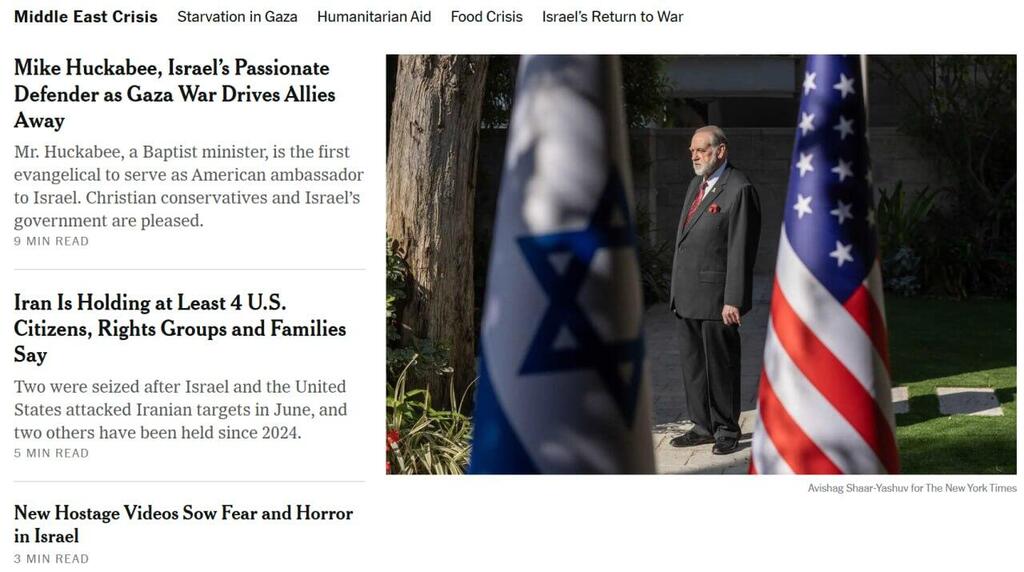
The New York Times included a short item in the Middle East section, headlined “New hostage videos spread fear and horror in Israel.” As of Saturday afternoon, neither The Washington Post nor The Wall Street Journal had published a report on the latest videos.
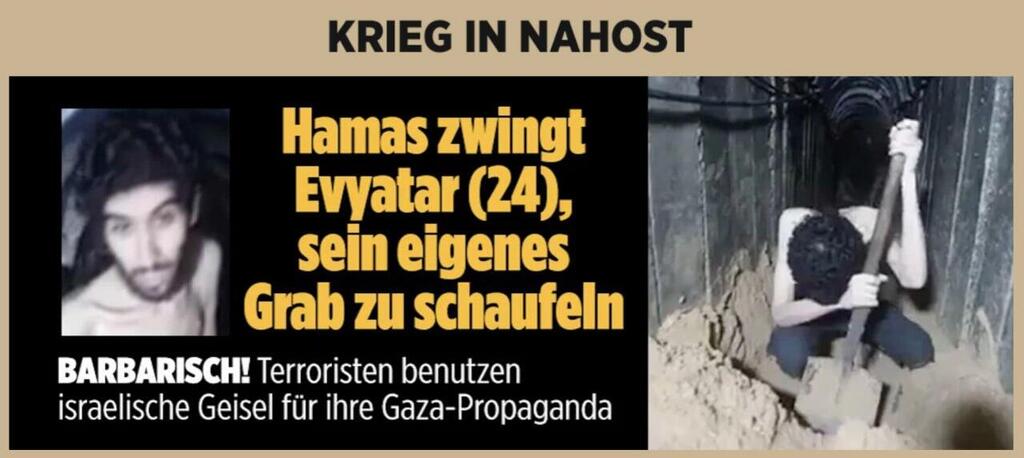
In contrast, some European outlets devoted significant space to the story. Germany’s Bild featured a headline reading, “Hamas forces Israeli hostage Evyatar David to dig his own grave. Barbarians!” The article called the video “propaganda” and accused the group of using hostages to manipulate public opinion.
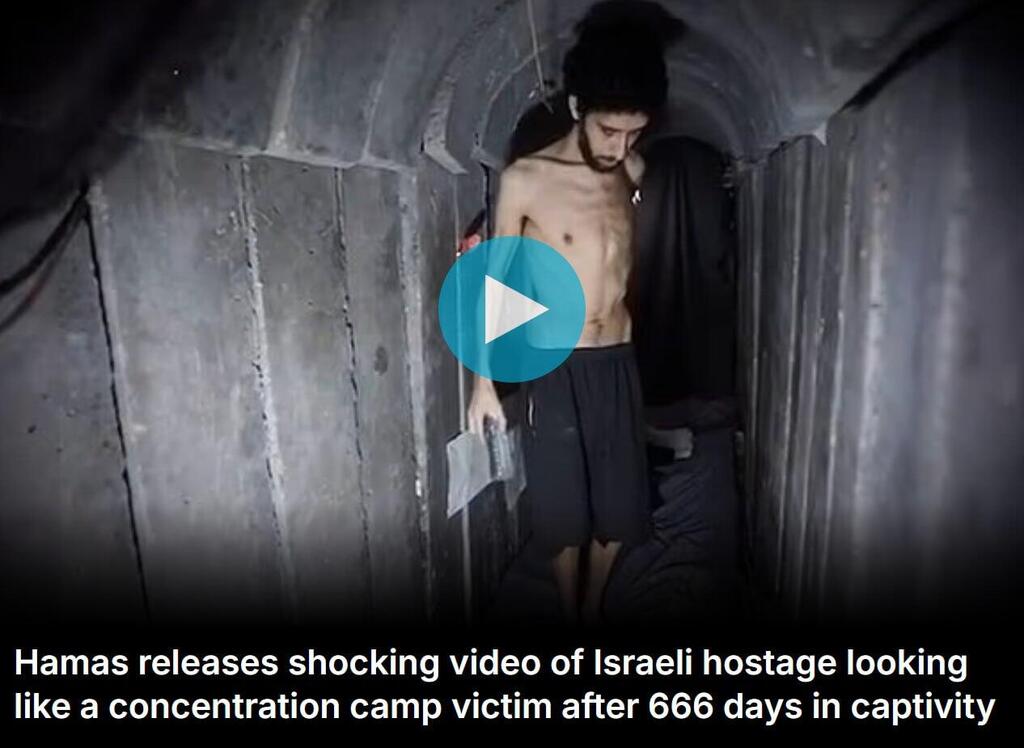
British tabloids The Sun and Daily Mail published the videos prominently. The Mail described David as resembling “a concentration camp victim,” and quoted his family as warning that he may have only days to live. The paper also referenced the Islamic Jihad video of Braslavski, which the group said was recorded before losing contact with him and his captors.
In Italy, La Repubblica reported that David appeared “skeletal,” though it gave greater prominence to reports of food shortages in Gaza. France’s Le Monde quoted David’s family denouncing Hamas’ “cruel propaganda.” Spain’s El País focused on Hamas’ refusal to lay down arms until a Palestinian state is created, with a brief mention of David’s ordeal beneath the headline.
Get the Ynetnews app on your smartphone: Google Play: https://bit.ly/4eJ37pE | Apple App Store: https://bit.ly/3ZL7iNv
The Israeli military estimates that 49 hostages remain in captivity in Gaza, with at least 27 confirmed dead. Talks over a 60-day cease-fire and the return of the hostages remain stalled. U.S. Middle East envoy Steve Witkoff met this week with hostage families in Tel Aviv, expressing support for a comprehensive deal that would secure the release of all remaining hostages.
The videos have reignited anger in Israel and among hostage advocacy groups, who say international media and human rights organizations have failed to adequately highlight the suffering of the captives.
“The world needs to see what’s happening,” said one family member. “This is no longer about negotiation. It’s about humanity.”