

Qatar stands as one of the most complex and controversial players in the Middle East. On the surface, it presents itself as a neutral mediator between nations and rival factions, even leading negotiations for the release of Israeli hostages. But behind the scenes, it has for years provided financial lifelines to Hamas and hosted its political leadership in Doha, offering them protection and legitimacy.
At the heart of Qatar’s strategy lies its unique positioning between the West and radical elements in the region. Doha hosts Al-Udeid Air Base, the largest U.S. military facility in the Middle East and the operational hub for American air campaigns across the region. This role has earned Qatar the status of a Major Non-NATO Ally, solidifying its image as a trusted partner of Washington.
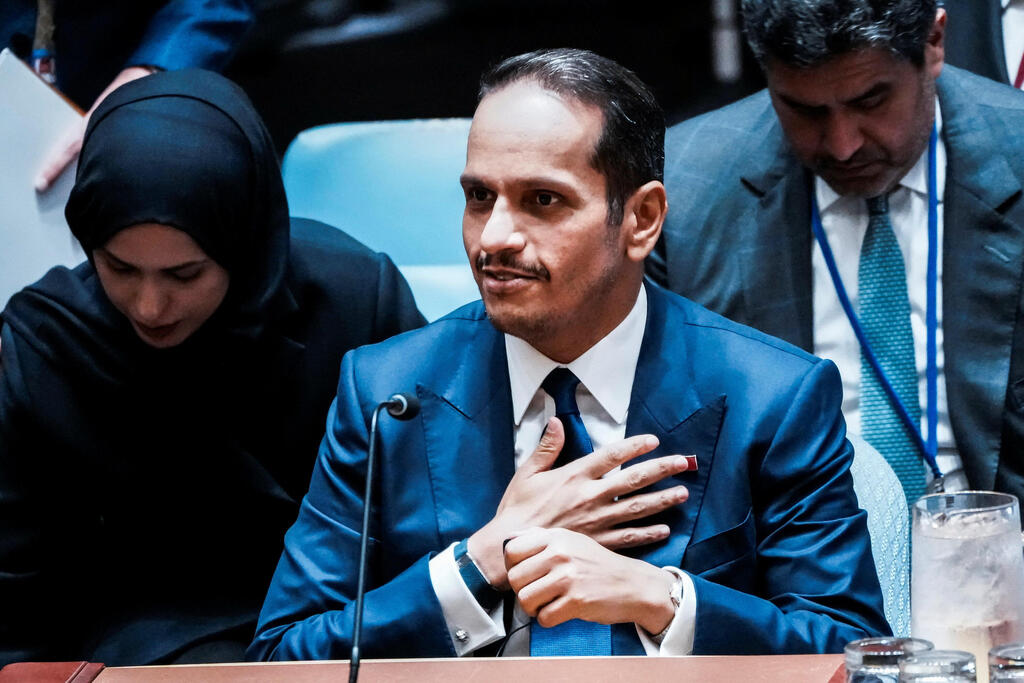
Qatari Prime Minister Mohammed al-Thani
(Photo: REUTERS/Eduardo Munoz)
At the same time, Qatar maintains close ties with Iran and its proxies, most notably the Houthis. Its shared ownership of the massive North Field/South Pars gas reserve with Iran creates deep economic interdependence. While presenting itself as a peacemaker, Qatar continues to offer political and financial support to groups like Hamas, effectively protecting organizations that destabilize the region.
Al Jazeera, Qatar’s flagship media network, has long been accused of inciting violence and promoting anti-Western narratives. Israel recently shut down its offices, citing serious security concerns and the network’s role in spreading Hamas propaganda. Despite mounting evidence, Qatar defends Al Jazeera under the pretense of protecting “press freedom,” turning the network into a powerful soft-power weapon on the global stage.
When Druze civilians were massacred in Syria's Sweida, Qatar failed to issue a clear condemnation. This silence reveals Doha’s real priorities: preserving its alliances with Iran and extremist factions, even if that means ignoring heinous crimes against minority communities and innocent civilians.
Dancing at every wedding, but the music must stop
Qatar has perfected the art of playing all sides — it acts as a mediator in hostage negotiations, it hosts U.S. forces and enjoys security guarantees from Washington, it maintains deep economic and political ties with Iran and it gives safe haven and financial support to Hamas.
 Munir Dahir
This duplicity has served Qatar well, but it comes at the expense of regional stability and global security.
What needs to change?
If Qatar wants to remain a legitimate international mediator, the West and Israel must set firm, non-negotiable boundaries — full transparency on Gaza aid, all Qatari funds must be routed through an international monitoring mechanism, such as the UN or World Bank, to ensure they are used exclusively for humanitarian purposes; end the Hamas safe haven – Qatar must close the Hamas political office in Doha and cut all ties with the group’s leadership; clear condemnations of terrorism – Doha must publicly denounce acts of terror, including those targeting minorities like the Druze in Syria; accountability for incitement – Al Jazeera must adhere to international journalistic standards or face consequences, including sanctions and restricted access in democratic states.
Qatar cannot continue to hold the stick at both ends. It must choose: either play a genuine role as a stabilizing mediator or remain on the side of those who undermine peace.
As long as Qatar dances at every wedding, the region will keep paying the price in blood and chaos. The time has come for the international community to turn up the pressure and force Doha to pick a side, for the sake of security, stability and a future free of terrorism.