

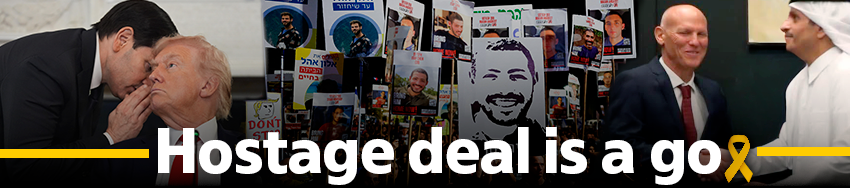
The hostage deal is in effect and, despite Netanyahu’s attempts to frame it otherwise, it marks the end of the war. The prime minister had no real alternative but to accept the full package at this stage. These are the maximum results he could achieve politically, and the best the IDF could deliver under the conditions of fighting inside territory where hostages were being held.
It is, of course, right to welcome the positive: 20 of our people who have endured unbearable suffering — most of them civilians kidnapped from their beds or from a party two years ago — are finally being freed.
But as a nation scarred by past experiences, we must draw lessons. Now is the time to focus on several critical points essential to Israel’s physical survival and its future.
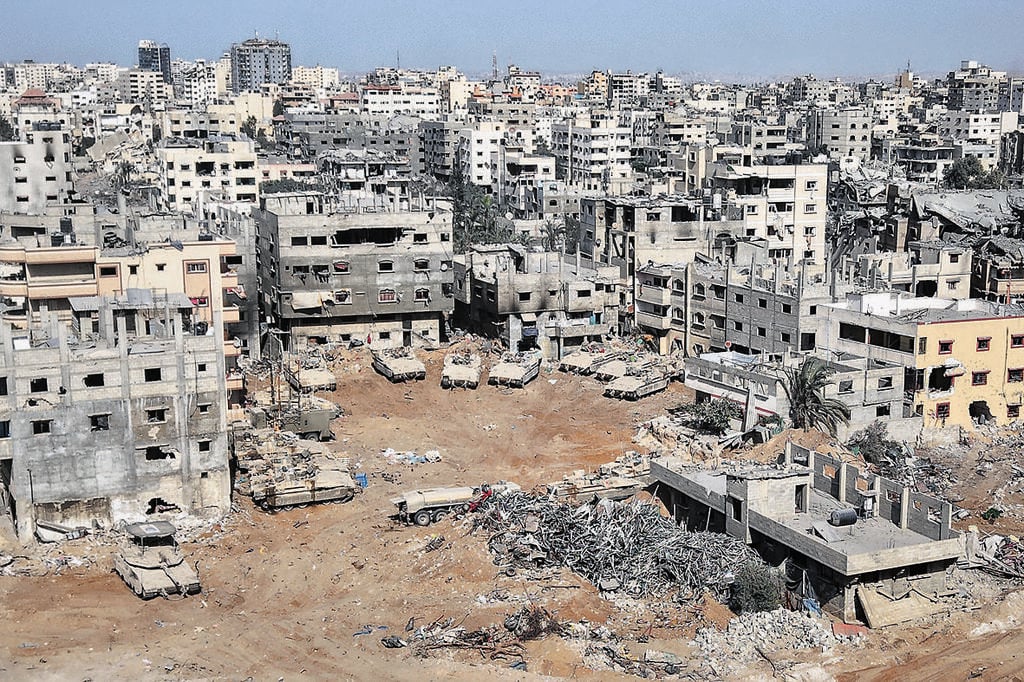
IDF tanks in Gaza City
(Photo: Jack Guez/AP)
The 2011 Gilad Shalit deal was the catalyst for October 7. Exactly 12 years passed between his release during the Sukkot holiday and the Sukkot massacre of 2023 — the time it took Yahya Sinwar to rise to power in Gaza, build Hamas’ terror army, train it and give the order to slaughter Jews in southern Israel. In the coming days, 250 senior terrorists imprisoned in Israel will be released after decades of attacks that claimed thousands of Israeli lives. Within days, only 20 terrorists will remain serving life sentences for murdering Jews.
Proposals to eliminate Sinwar and Hamas’ leadership have repeatedly been placed on the desks of Netanyahu and, briefly, of Naftali Bennett during his term as prime minister. The current deal is now a fact — but from this point forward, there can be no more excuses.
First conclusion: Israel has no margin for error. A terrorist plotting to kill Jews must be eliminated immediately. Every released prisoner must be closely monitored — and neutralized at the first sign of renewed activity.
Second conclusion: Israel has no room for complacency. An armed Muslim enemy organization that openly declares its intent to kill Israelis and whose training we can see must not be granted even a moment’s rest or surprise. From now on, the formula must be clear: if the enemy has both intent and capability, Israel strikes first. Otherwise, we will wake up to find them already inside our communities.
Third conclusion: Know your enemy. Israel’s political leadership, intelligence service and much of the public have failed to grasp the enemy’s mindset. A belief took hold that granting more work permits would encourage Palestinians to choose prosperity over violence. In reality, even civilians unaffiliated with Hamas eagerly joined the massacres — calling their parents in tears of joy as Jewish blood covered their hands. Hundreds of thousands in Gaza cheered at the images of the slaughter. We must study Arabic and truly understand the local mentality.
And one especially critical missed opportunity: the current deal Netanyahu brought is the best achievable now, but there was at least one earlier window of opportunity. Ministers and Knesset members from Likud and coalition parties say openly that Netanyahu never fully pursued Trump’s deportation plan — the one genuine game-changer that could have reshaped the Middle East for generations. That chance slipped away, and we are left with a war-ending deal.
That is the reality, and it must be acknowledged. We can and should rejoice in the release of our brothers and sisters from captivity — but we must also remember the local mentality. Israel’s story with the Gaza Strip is far from over.