


The Strait of Hormuz has entered a state of functional paralysis that defies traditional naval logic. In a historic turn, commercial vessel traffic through this critical chokepoint has reached an absolute halt according to maritime tracking data, a reality that marks the first time the global economy has been so cleanly severed from its primary energy source. This collapse was not orchestrated by a massive surface fleet or a dense thicket of conventional mines. Instead, it is the result of a calculated psychological strike against the global financial architecture.
During the Cold War, the Soviet Union's approach to the Strait was defined by the naval doctrine of Admiral Sergey Gorshkov, who sought to challenge Western hegemony through the permanent presence of the 8th Squadron. Yet, despite a historical obsession with warm-water ports and the "Heartland" theory of Eurasian dominance, Soviet planners possessed a fleet that was ultimately a "one-shot" force, mechanically unreliable and incapable of sustaining the absolute blockade necessary to halt Western energy lifelines. Their strategy relied on land-based bombers and blue-water naval exercises that could annoy NATO forces but never functionally "turn off" the world's most vital energy artery.
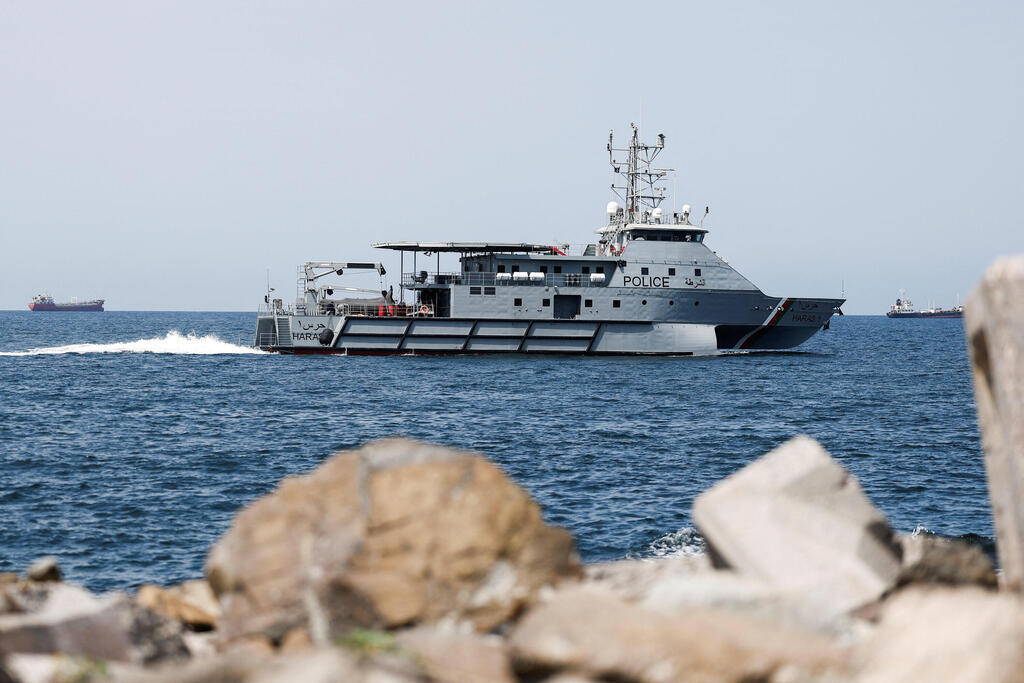
(Photo: REUTERS/Benoit Tessier)
In the current conflict, the strategic landscape has shifted from the range of a cruiser's guns to the spreadsheets of London underwriters. The functional closure of the Strait is an insurance-driven shutdown triggered by fear rather than physical obstruction. By using a handful of drones to strike commercial tonnage and energy infrastructure in the opening phase of the war, the regional threat profile was elevated to a level that standard marine insurance could not absorb. This created a strategic rupture where a dozen expendable drones achieved what the entire Soviet surface fleet never could.
The mechanics of this modern siege center on the Joint War Committee and the "48-Hour Kill Switch" embedded in marine war risk policies. Marine insurers are entitled to cancel coverage with as little as forty-eight hours to seven days of notice when a region is designated as a zone of war-related peril. Once these notices were issued, standard hull insurance policies effectively went dark, rendering the Strait commercially unnavigable for any operator without supplemental, prohibitively expensive coverage. For a modern tanker valued at two hundred million dollars, premiums have reached levels not seen in decades, transforming a standard voyage into a multi-million-dollar gamble.
The economic fallout is absolute. Brent crude has reached 120 dollars per barrel, a staggering increase that reflects the market's realization that a significant portion of the world’s daily oil and comparable shares of liquefied natural gas are now bottled up. The "perception of disruption" has proven as impactful as the physical acts of aggression, as shipping companies delay or suspend calls at major logistics hubs throughout the Gulf. Regional energy facilities, including major loading hubs and gas fields, have faced targeted strikes that further paralyzed export capacity, leading to a significant reduction in regional LNG output.
 Amine Ayoub
Hundreds of vessels sit stranded at anchor inside the Gulf as masters assess that it is too dangerous to attempt a transit through the narrow corridors now considered a "kill box" by maritime officials. Even as the United Kingdom pivots to authorize the use of its military bases for defensive operations to degrade the missile sites threatening shipping, the challenge remains largely psychological. The goal is to restore the confidence of a trust-based financial system that has been spooked by the lethality of asymmetric warfare.
The "Insurance Siege" reveals a permanent shift in how modern conflicts are won. Reopening the gateway is no longer a simple matter of mine-sweeping or sinking an enemy fleet. It is a challenge of restoring the confidence of a global market that has been fundamentally altered by the performance of low-cost, high-impact technology. Until the insurance gates are reopened through a combination of sustained attrition and credible maritime guarantees, the Strait of Hormuz will remain a global economic hostage, proving that in the 21st century, the most powerful weapon is not a warship but a notice of cancellation.
- Amine Ayoub, a fellow at the Middle East Forum, is a policy analyst and writer based in Morocco.