

For the first time in decades, Beirut is home to a government defined by an anti-Iranian sentiment and, crucially, the absence of Hezbollah representatives - a byproduct of profound internal shifts. President Joseph Aoun and Prime Minister Nawaf Salam emerge as pragmatic, stabilizing figures within Lebanon’s famously fractured, multi-sectarian landscape.
Their rise highlights a fundamental schism: on one side, the architects of the old order - primarily Shiite factions aligned with Hezbollah - fight to preserve their proximity to the levers of power. On the other, a growing constituency advocates for a structural pivot toward economic growth, improved quality of life, and a definitive departure from the cycle of state-sponsored terrorism.
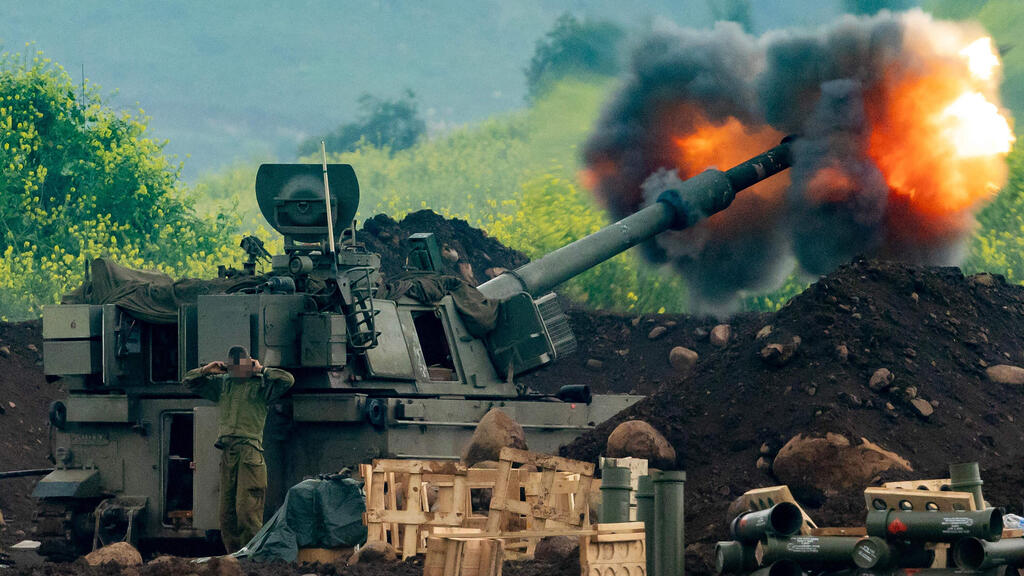
Yet, despite this flicker of optimism, Lebanon’s blood-soaked history is once again regressing toward "ground zero." A new, destabilizing variable has entered the equation: Hezbollah’s urgent need for self-preservation. In a move reminiscent of a Tom Clancy thriller, Hezbollah is acting on a 'debt of honor' toward Tehran, dragging Lebanon into a conflict to satisfy its patrons' strategic desperation, a bid to maintain its "Defender of Lebanon" persona, and Naim Qassem’s personal imperative to prove his relevance in the post-Nasrallah era, the group has launched what it terms a "limited" campaign against the Israeli home front.
Ultimately, reports of Hezbollah’s demise were premature, as were international hopes that a pragmatic Lebanese government could effectively constrain the group’s operational freedom. As Hezbollah re-establishes its foothold in Southern Lebanon, the central government’s persistent inability to enforce order reignites the critical question of "state responsibility." Lebanon’s failure to prevent attacks from its soil - specifically those targeting Israeli population centers—places the state on a direct collision course with Israeli strategic necessity.
This shifting reality reinforces the strategic necessity for a massive application of force - one that must transcend conventional military targeting and lean on two unprecedented operational pillars.
The first involves targeted strikes on Lebanese national infrastructure to amplify the cost of Hezbollah’s aggression. Under the doctrine of sovereign state responsibility, Lebanon is legally accountable for any hostile acts launched from its soil. While the targeting of dual-use assets is a complex legal domain, the logic is clear: whenever Hezbollah weaponizes civilian infrastructure - be it power grids, industrial plants, or transportation hubs - those facilities lose their immunity and become legitimate strategic targets.
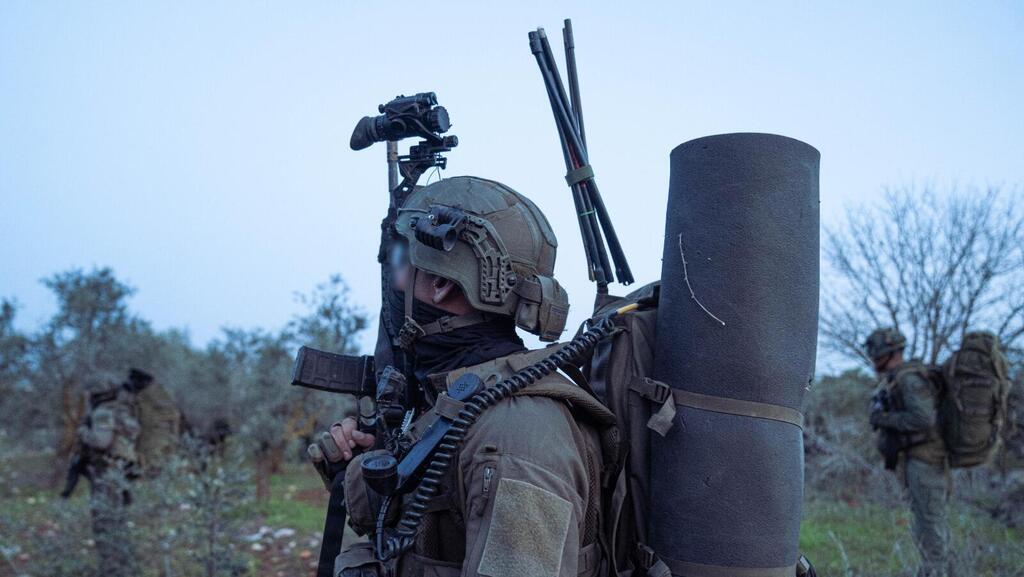
IDF soldiers operate in southern Lebanon
(Photo: IDF)
The second pillar centers on the establishment of a strategic 'security zone' in southern Lebanon. By securing the dominant ridge lines overlooking the Galilee, Israel can physically sever Hezbollah’s fire control over northern villages, next to the Lebanese border. This operational window is opened by a rare convergence of factors: the erosion of the Iranian patron, the collapse of the Assad regime, the decimation of Hezbollah's senior leadership, and intensifying domestic Lebanese pressure. Together, these elements facilitate a more sophisticated military doctrine, shifting the focus from containment to structural dominance.
Yet, even within the fog of war, this moment reveals a historic diplomatic opening born of the tectonic shifts in Beirut. The Salam government’s pursuit of indirect, internationally sponsored dialogue is far more than a bid for survival; it is a strategic invitation to architect a fundamentally new security framework for the region.
This landscape demands that Israel move beyond obsolete paradigms and adopt a sophisticated strategic toolkit. The era of 'quiet for quiet' - a reactive stance against a non-state actor - is over. Instead, Israel must leverage the IDF’s operational momentum and the principle of Lebanese state responsibility to impose intrusive oversight mechanisms, aimed at the systematic dismantlement of Hezbollah’s military infrastructure.
 Avi Kalo
A Lebanese government finally liberated from an Iranian veto represents a fragile, yet indispensable partner. This alignment offers a rare opportunity to convert kinetic success into a generational political breakthrough - one that evolves beyond the hollow promises of UNSC Resolution 1701 (2006) into tangible military and economic cooperation frameworks.
The Israeli leadership must recognize that battlefield dominance is merely a prerequisite. Only by exercising strategic courage on the diplomatic front engaging with a renewed Beirut and its moderate regional allies - can Israel achieve the decisive shift required to secure the northern border for the foreseeable future.
First published: 20:33, 03.16.26