


From statements and posts by Donald Trump in recent hours, and from the Iranian regime’s response, it appears the U.S. president has backed away from the ultimatum he issued to Tehran demanding that it reopen the Strait of Hormuz.
Trump had warned that if Iran did not comply by tonight, he would order the military to bomb power generation facilities across the country, foremost among them the Damavand power plant, Iran’s largest. Put simply, Arab Gulf states alarmed by counterthreats from Iran’s Revolutionary Guard — to “darken the Gulf and Israel” — along with Iranian exiles opposed to the regime who feared harm to civilians, pressed Trump not to follow through. He has now stepped back.
Trumps talks about the negotiation
(Video: Reuters)


A second development suggested by Trump’s remarks is that practical talks are likely underway between U.S. representatives and figures within Iran who hold public standing and influence, over terms to end the war in a way that would meet U.S. demands. Trump said his envoys include Middle East envoy Steve Witkoff and his son-in-law Jared Kushner, and likely also officials from the CIA, the Central Intelligence Agency, and possibly regional mediators such as Turkey.
A post Trump published on his social media platform, Truth Social, strongly hints at these two developments. He wrote: “I'm pleased to report that the United States of America and the country of Iran have had over the last two days very good and productive conversations.”
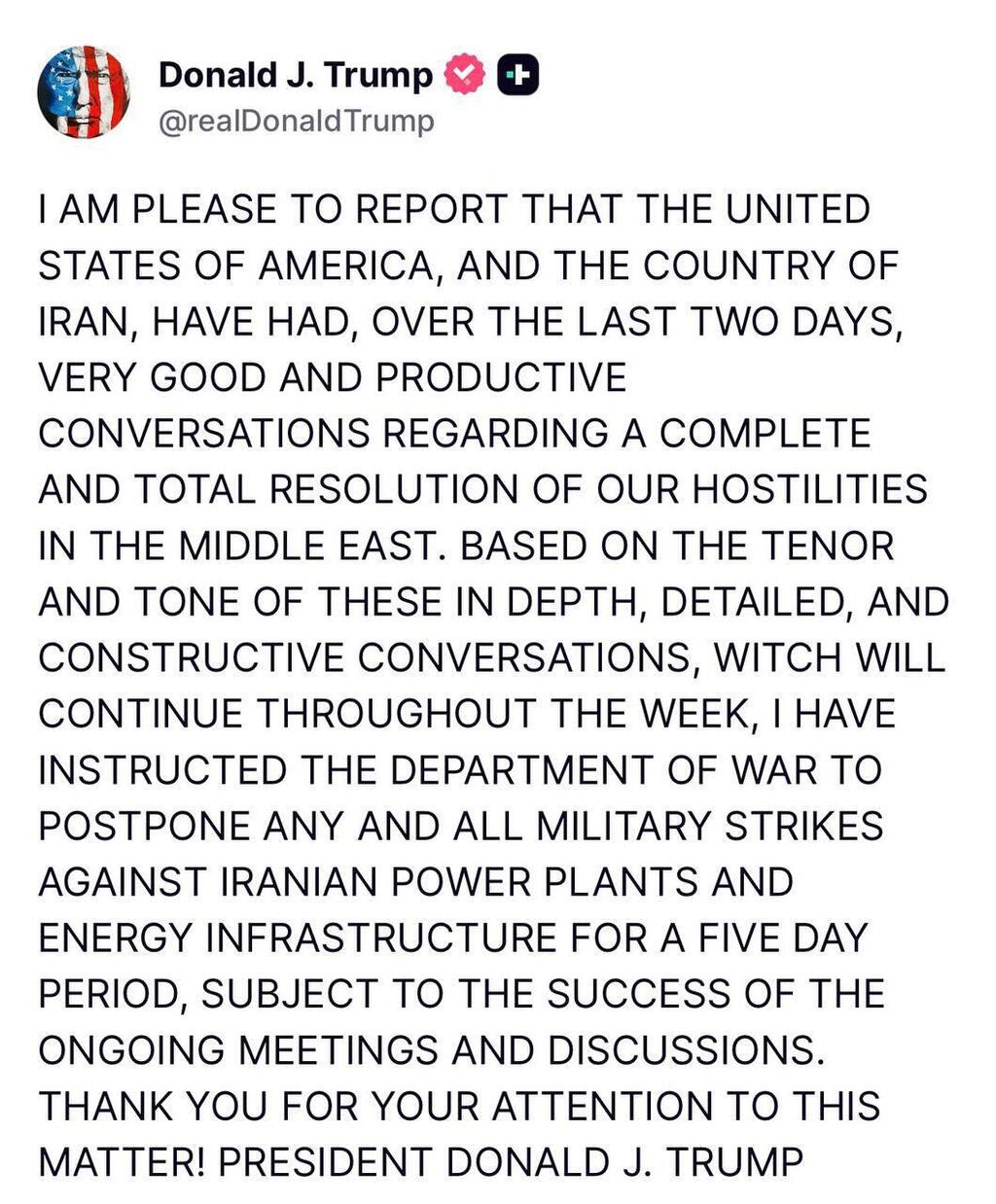
The semantics are notable. In referring to Iran, he uses the term “country,” not “government,” nor “the Islamic Republic of Iran,” the regime’s official name, or other terms denoting a state entity. Instead, he points to a more ambiguous actor that does not necessarily refer to the current government or regime.
This appears to be a carefully drafted statement, likely prepared with aides. The choice of “country” rather than “the Islamic Republic of Iran” is striking. Trump added that these talks have been underway for two days and are “good and productive.” If so, why issue a provocative ultimatum in the midst of them that could undermine both the talks and their outcome? (He issued the ultimatum only early yesterday.)
In addition, Trump refers to “conversations.” He does not use “discussions” or “negotiations,” or even “serious talks.” “Conversations” is the least binding term in English for diplomatic engagement.
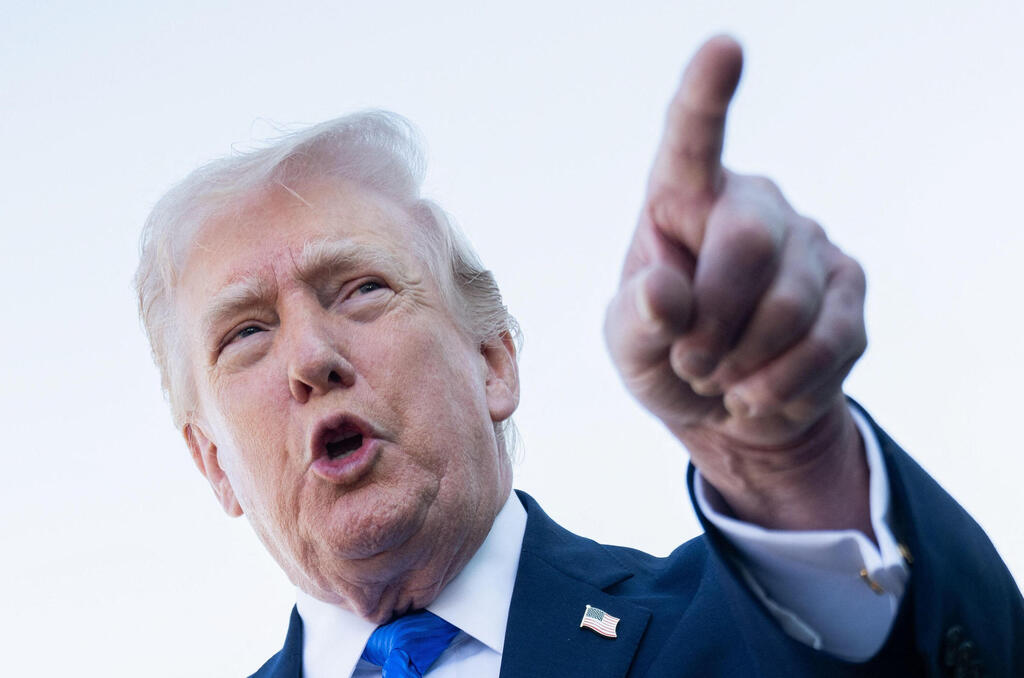
(Photo: SAUL LOEB / AFP)
Further indication of unusual activity came in a phone call Trump held today, shortly after publishing the post, with CNBC anchor Joe Kernen, a prominent figure in economic journalism. Trump said on air that his team is conducting very intensive and very good talks with “representatives of Iran.” “Who?” Kernen asked. “They have representatives,” the president replied evasively, while clearly hinting at “regime change.”
In other words, Trump appears to be postponing his ultimatum to Iran’s current regime by five days because he is holding “good and productive conversations” about ending the war with figures inside Iran’s establishment — but not necessarily those currently making decisions.
It is possible this is rhetoric meant to cover the fact that Trump has again pulled back at the last moment from carrying out his threats — a tendency that has earned him the nickname TACO, short for “Trump always chickens out.” But it is also possible that serious dialogue is underway with individuals who have standing within Iran’s clerical establishment or current government, yet are not part of the ruling core — namely the senior command of the Revolutionary Guard, the ayatollahs and the politicians aligned with them, such as Mojtaba Khamenei and others.
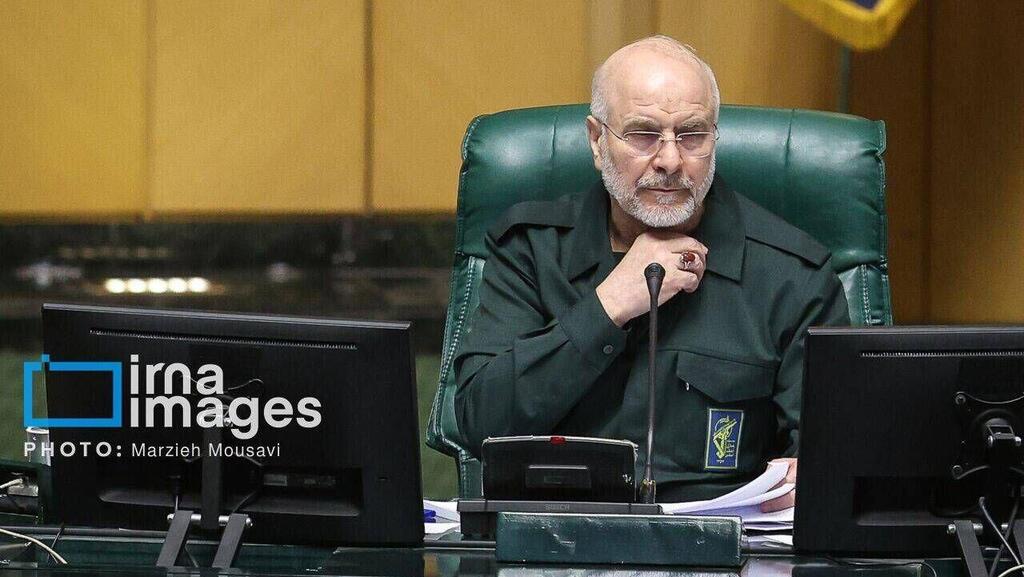
Mohammad Bagher Ghalibaf
In Israel, assessments this afternoon suggested the talks are being conducted indirectly with Iranian parliament speaker Mohammad Bagher Ghalibaf. While Ghalibaf is considered a significant figure in the regime, he is not the primary decision-maker. Other possible interlocutors include President Masoud Pezeshkian or former president and cleric Hassan Rouhani, who remains an influential figure.
Iran initially issued sweeping denials that any talks were taking place. Later, however, a senior Iranian official told Reuters that the United States had “requested” talks with Ghalibaf, and that Iran had yet to respond. Ghalibaf himself said he had not held contacts with the United States.
It is possible Trump is signaling processes that do not in fact exist, in order to create strategic ambiguity that would allow him to step back from an ultimatum that triggered panic in the Gulf. Still, it is fairly clear that Trump continues to pursue the war aims he set for himself and the military, and that he may now be doing so through negotiations with figures inside Iran’s clerical establishment, potentially leading to some degree of change in the regime. Not necessarily its collapse, but likely personnel shifts and adjustments in policy that would enable an arrangement meeting U.S. demands for ending the war.
If negotiations are indeed underway with a figure of standing within the regime, several questions arise. First, can that figure — likely Ghalibaf — and his allies impose their will on the Revolutionary Guard’s senior command, on Mojtaba Khamenei and on other powerful elements within the regime’s hardline camp that reject any compromise or dialogue with the United States?
Second, is Trump negotiating with these figures to obtain a document that appears to be an agreement but lacks practical meaning — one he could use to declare victory and end the campaign?
Third, if that is the outcome, what will Israel do? Will it continue according to its plans, or decide that what has been achieved is sufficient and represents a genuine opening for deeper change in Iran?
Fourth, how will this affect the campaign in Lebanon, which the military chief said last night is only in its early stages?
The conclusion is that it is still too early to determine whether this marks the beginning of the war’s endgame or another incomplete move by the U.S. president. There is, however, some room for optimism — and that in itself is significant.