


The end of vote counting at Likud’s election headquarters at Tel Aviv’s Bloomfield Stadium on Tuesday night closed the book on a bitter primary season marked by personal rivalries, political hit lists, backroom deals and tens of thousands of party members turning out to shape the slate.
Now, with just over two months until Israel’s October 27 election, Prime Minister Benjamin Netanyahu can turn to the battle that matters most: keeping Likud in power and preserving the right-wing bloc that could return him to the Prime Minister’s Office.
Gallery
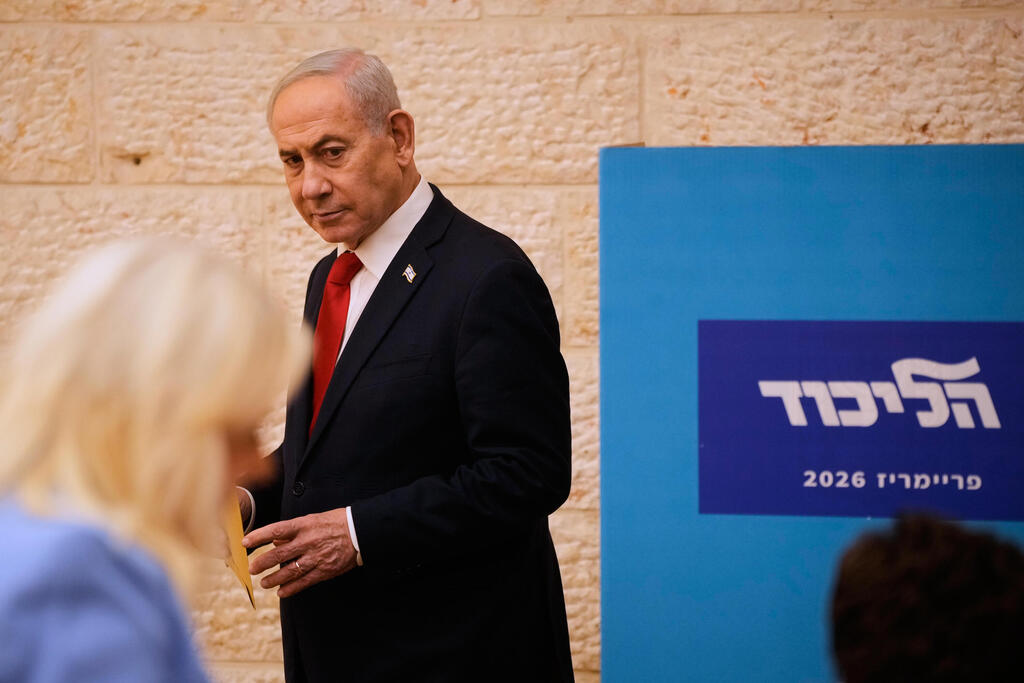
Prime Minister Benjamin Netanyahu votes in the Likud primary
(Photo: AP Photo/Ohad Zwigenberg, Pool)
At least when it comes to the top of the ticket, Netanyahu has reason to be satisfied. Eli Cohen finished first in the primary, followed by Amir Ohana, Yariv Levin and Miri Regev. Coalition chairman Ofir Katz delivered the biggest surprise, surging into fifth place in one of the strongest performances by a sitting lawmaker.
The result gives Netanyahu a leadership group broadly aligned with him as he prepares to shape the final slate and move the campaign into a more aggressive phase.
Not everyone emerged from the primary unscathed.
Likud lawmaker Tally Gotliv, who was pushed down the list after an intensive effort by Netanyahu’s political circle, is expected to enter the next Knesset with considerable resentment. David Bitan, another target of an aggressive political campaign, survived and secured a relatively safe position.
Economy Minister Nir Barkat came perilously close to falling outside the positions considered realistically electable. Tensions surrounding Barkat intensified ahead of the primary amid claims that he had helped lead an internal effort to challenge Netanyahu after the October 7 massacre.
A women problem and Netanyahu’s remaining slots
With the primary over, Likud officials say Netanyahu is now turning to the final composition of the ticket and the reserved slots still under his control.
Israel Katz and Gideon Sa’ar are guaranteed positions in the top five, but the primary results also exposed a glaring weakness: only three women were elected among the first 30 candidates.
They are Regev, Gotliv and Minister Gila Gamliel.
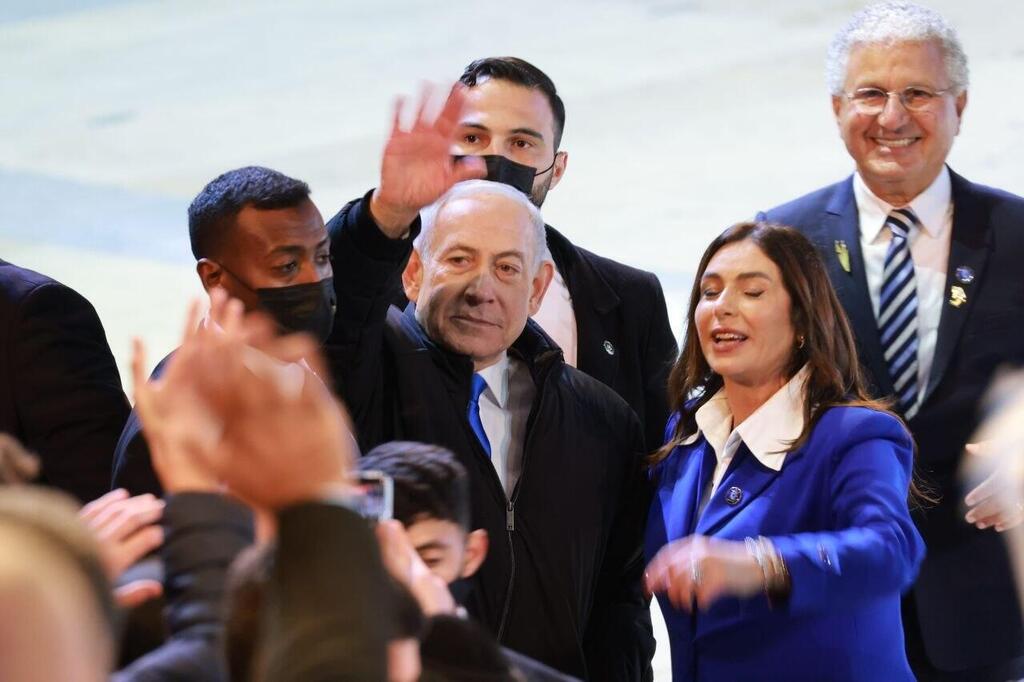
Benjamin Netanyahu and Miri Regev at Israel’s 78th Independence Day torch-lighting ceremony
(Photo: Alex Kolomoisky)
The imbalance immediately triggered criticism inside Likud, where senior ministers described 10% female representation in realistic positions as untenable.
Netanyahu’s circle is therefore considering using one of his reserved slots for a woman from within Likud. Among the names being discussed are Keti Shitrit, who is highly regarded in the Prime Minister’s Office, and Eti Atiya, an ally of Likud Central Committee chairman Haim Katz, who himself secured a reserved place.
Another candidate from New Hope, apparently MK Michel Buskila, is expected to be placed toward the end of the second group of 10 candidates.
The bigger challenge: rebuilding the bloc
For Netanyahu, the end of the primary also marks the real beginning of the election campaign.
People close to the prime minister say he will now devote substantial attention to what Likud officials call “arranging the bloc,” the painstaking effort to ensure that parties on the right do not waste votes, compete destructively with one another or fall below the electoral threshold.
It is a task Netanyahu mastered in previous elections and one that helped deliver his bloc a decisive advantage.
This time, however, the political map is more complicated.
Cracks have emerged in recent months among parties traditionally viewed as loyal Netanyahu partners, particularly the ultra-Orthodox factions. At the same time, Netanyahu must contend with Religious Zionism, Otzma Yehudit and several independent political actors who could siphon votes away from Likud and weaken the bloc as a whole.
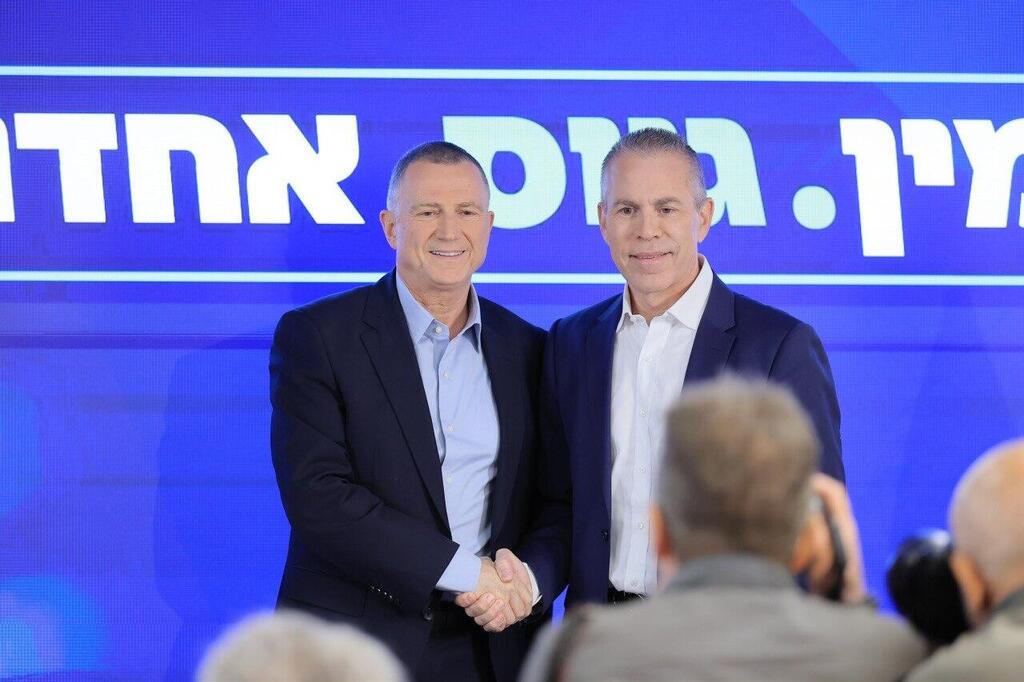
Yuli Edelstein and Gilad Erdan issue a statement to the media on the formation of a new right-wing party
(Photo: Oz Shechter)
Among the names worrying Likud officials are Moshe Feiglin and Gilad Erdan, as well as former senior IDF officer Ofer Winter, who ynet reported is in advanced talks with Yoseph Haddad about forming a new party together with bereaved mother Laly Derai.
From Netanyahu’s perspective, every one of those initiatives carries the same danger: votes leaving Likud or its natural partners without necessarily translating into additional seats for the bloc.
That is precisely the scenario he successfully avoided in the previous election, when he helped broker an alliance between Itamar Ben-Gvir and Bezalel Smotrich to maximize the right-wing vote. On the other side of the political spectrum, Labor and Meretz refused to unite, a decision that ultimately cost their camp heavily.
A campaign for moderate voters
Senior Likud officials say the party’s campaign will become more sharply defined starting next week, with Netanyahu also expected to continue trying to recruit prominent outside figures for reserved spots on the slate.
So far, however, those efforts have proven difficult, and Netanyahu has struggled to attract the kind of high-profile candidates he had hoped to bring in.
The top 10 candidates are therefore expected to become the public face of much of the campaign.
Netanyahu is also expected to continue emphasizing his call for a “broad national government,” part of an effort to reclaim moderate voters who have drifted away from Likud.
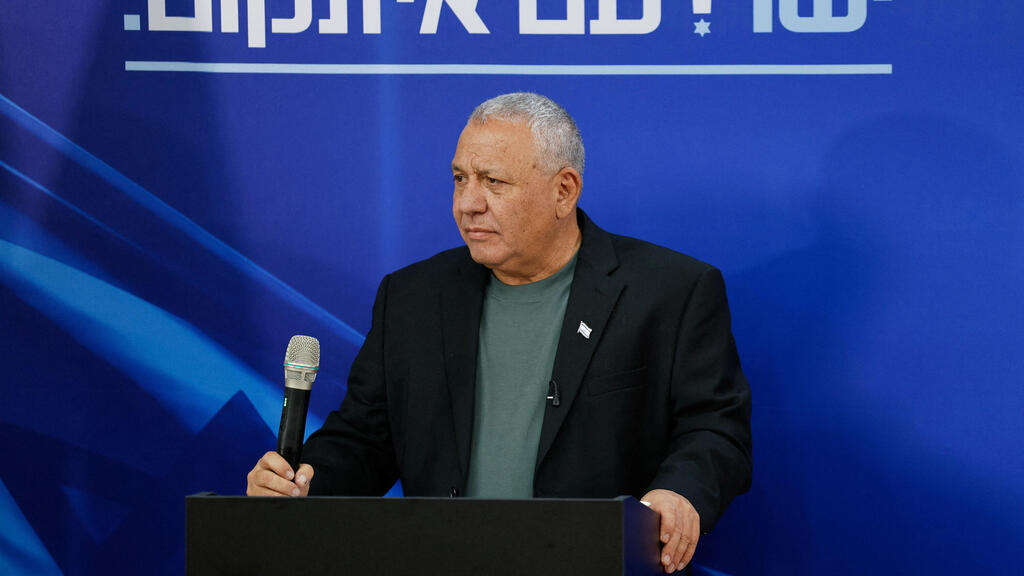
Yashar! party chairman Gadi Eisenkot
(Photo: REUTERS/Amir Cohen)
That strategy reflects a deeper problem facing the party. After months of internal pessimism, including private conversations in which some Likud figures had all but resigned themselves to defeat, the primary has given ministers and activists a fresh burst of energy.
But the general election will be fought on very different terrain.
Netanyahu’s principal rival in the polls is expected to be Yashar! party chairman Gadi Eisenkot, and Likud’s campaign has already begun sharpening its attacks on the former IDF chief of staff.
The primary may have settled the question of who will stand behind Netanyahu. It did not settle the larger question now confronting him: whether he can once again hold together the political bloc that has sustained his career, bring back voters who have moved away from Likud and turn an energized party base into an election victory.
For Netanyahu, the internal battle is over. The survival campaign is only beginning.